How Vintage Supercars Became Global Financial Assets
Vintage supercars have gained recognition as an alternative investment asset class, attracting both collectors and institutional investors. These high-performance vehicles from pre…

Vintage supercars have gained recognition as an alternative investment asset class, attracting both collectors and institutional investors. These high-performance vehicles from previous decades offer potential returns through capital appreciation while serving as tangible assets with historical significance. The classic car market has experienced substantial growth, with vintage supercars representing a specialized segment within this broader category.
Several economic and demographic factors contribute to the investment appeal of vintage supercars. Global wealth accumulation has increased purchasing power for luxury collectibles, while the finite production runs of many vintage supercars create supply constraints that can support price appreciation. Market data indicates growing investor interest in alternative assets beyond traditional securities, with classic automobiles offering portfolio diversification benefits.
The combination of limited availability and increasing demand has resulted in measurable price increases across various vintage supercar models, establishing their viability as investment vehicles.
Key Takeaways
- Vintage supercars have become increasingly popular and valuable as investment assets.
- Collectors are drawn to vintage supercars for their rarity, design, and historical significance.
- Auction houses play a crucial role in shaping the market and setting prices for vintage supercars.
- Pop culture and globalization significantly influence the demand and value of vintage supercars.
- Maintenance, restoration, and limited production numbers are key factors in preserving and enhancing vintage supercar values.
The Appeal of Vintage Supercars to Collectors
Vintage supercars hold a unique appeal for collectors, combining nostalgia with the thrill of high-performance driving. For many enthusiasts, owning a piece of automotive history is a dream come true. These vehicles often represent the pinnacle of engineering and design from their respective eras, making them highly sought after by collectors who appreciate their craftsmanship and performance capabilities.
The emotional connection that collectors have with these cars often transcends mere financial considerations, adding an extra layer of value to their investments. Moreover, vintage supercars often come with rich stories and heritage that enhance their desirability. Many models are associated with iconic races or legendary drivers, creating a narrative that resonates with collectors.
This emotional investment can lead to a willingness to pay premium prices for specific models, further driving up their market value. As collectors seek to build their dream garages, vintage supercars remain at the forefront of their aspirations.
The Evolution of Vintage Supercar Values
The values of vintage supercars have evolved significantly over the past few decades. In the early days of collecting, many enthusiasts viewed these vehicles primarily as hobbies rather than investments. However, as the market matured, it became clear that certain models were appreciating at remarkable rates.
This shift in perception has led to increased interest from investors who recognize the potential for substantial returns. Factors influencing the evolution of vintage supercar values include rarity, condition, and provenance. Limited production runs and unique features can dramatically increase a car’s worth.
Additionally, well-documented histories and previous ownership by notable figures can add significant value. As collectors become more discerning, they are increasingly focused on these aspects when evaluating potential purchases, leading to a more sophisticated market where informed decisions can yield impressive returns.
The Role of Auction Houses in the Vintage Supercar Market
Auction houses play a pivotal role in the vintage supercar market, serving as platforms for buyers and sellers to connect. These events often attract high-profile collectors and investors, creating an environment where rare vehicles can command extraordinary prices. Renowned auction houses have established reputations for curating exceptional collections, which adds credibility to the buying and selling process.
The auction process itself can also drive up prices through competitive bidding. When multiple collectors vie for a single vehicle, it can lead to bidding wars that significantly increase the final sale price. Additionally, auction houses often provide detailed appraisals and histories of the cars they sell, giving buyers confidence in their investments.
This transparency fosters trust in the market and encourages more participants to engage in vintage supercar transactions.
The Influence of Pop Culture on Vintage Supercar Values
Pop culture has a profound influence on the values of vintage supercars, often elevating certain models to iconic status. Movies, television shows, and celebrity endorsements can create a surge in interest for specific vehicles, leading to increased demand and higher prices. For instance, films featuring classic cars can introduce them to new audiences, sparking a renewed interest among collectors.
Moreover, social media has amplified this effect by allowing enthusiasts to share their passion for vintage supercars with a global audience. Platforms like Instagram and YouTube showcase stunning restorations and thrilling drives, further fueling interest in these vehicles. As pop culture continues to celebrate vintage supercars, their values are likely to rise in tandem with public fascination.
The Impact of Globalization on Vintage Supercar Investments
Globalization has significantly impacted the vintage supercar market by expanding access to buyers and sellers worldwide. Collectors no longer need to be confined to their local markets; they can now participate in auctions and sales across the globe. This increased accessibility has led to heightened competition and rising prices as collectors from different regions vie for the same rare models.
Additionally, globalization has facilitated the sharing of knowledge and expertise among collectors and investors.
This collaborative environment fosters a more informed collector base, ultimately benefiting the market as a whole by promoting transparency and trust.
The Rarity Factor: How Limited Production Numbers Drive Vintage Supercar Values
Rarity is one of the most significant factors influencing the value of vintage supercars.
When only a handful of units are produced, each one becomes a coveted item that can command premium prices.
Moreover, certain models may have unique features or specifications that further enhance their rarity. For example, special editions or cars with unique color combinations can be particularly desirable among collectors. As demand for these rare vehicles continues to grow, their values are likely to appreciate even further, making them attractive investments for those looking to capitalize on scarcity.
The Role of Maintenance and Restoration in Preserving Vintage Supercar Values
Proper maintenance and restoration are crucial for preserving the value of vintage supercars. These vehicles require specialized care to ensure they remain in optimal condition over time. Regular maintenance not only keeps them running smoothly but also helps maintain their aesthetic appeal, which is essential for attracting potential buyers.
Restoration projects can also significantly impact a car’s value. A well-executed restoration can enhance a vehicle’s desirability and market worth, while poor-quality work can detract from it. Collectors should prioritize working with experienced professionals who understand the intricacies of vintage supercars to ensure that any restoration efforts are done correctly.
The Future of Vintage Supercar Investments
The future of vintage supercar investments appears promising as interest continues to grow among collectors and investors alike. With an increasing number of individuals recognizing the potential for financial gain in this niche market, demand is likely to remain strong. Additionally, as younger generations become more involved in collecting, they may bring fresh perspectives and interests that could further shape the market.
Technological advancements may also play a role in the future of vintage supercar investments. Innovations in restoration techniques and digital documentation could enhance transparency and trust within the market. As these developments unfold, they may create new opportunities for investors looking to capitalize on the enduring appeal of vintage supercars.
The Connection Between Vintage Supercars and Luxury Lifestyle
Vintage supercars are often intertwined with luxury lifestyles, representing not just high-performance vehicles but also status symbols that reflect wealth and sophistication. Owning a vintage supercar is often seen as an expression of personal taste and success, making them highly desirable among affluent individuals. This connection between vintage supercars and luxury lifestyle extends beyond mere ownership; it encompasses experiences such as exclusive events, car shows, and driving experiences that cater to enthusiasts’ passions.
As collectors seek to immerse themselves in this world, they contribute to the overall demand for vintage supercars as both investments and lifestyle choices.
The Risks and Rewards of Investing in Vintage Supercars
Investing in vintage supercars comes with its own set of risks and rewards that potential investors should carefully consider. On one hand, these vehicles can appreciate significantly over time, providing substantial returns on investment for savvy collectors. However, fluctuations in market demand can lead to unpredictable price changes.
Additionally, maintenance costs can be high for vintage supercars due to their specialized nature. Investors must be prepared for ongoing expenses related to upkeep and restoration efforts. Despite these challenges, many collectors find that the rewards, both financial and emotional, far outweigh the risks associated with investing in these remarkable vehicles.
In conclusion, vintage supercars represent a unique investment opportunity that combines passion with potential financial gain. As interest continues to grow among collectors and investors alike, understanding the factors that influence their values will be essential for making informed decisions in this dynamic market. Whether driven by nostalgia or investment potential, vintage supercars remain an enduring symbol of automotive excellence and luxury living.
FAQs
What defines a vintage supercar?
A vintage supercar is typically a high-performance luxury sports car that was manufactured several decades ago, often recognized for its rarity, design, and engineering excellence. These cars are usually from iconic brands and have historical significance in the automotive world.
Why have vintage supercars become considered financial assets?
Vintage supercars have gained value over time due to their rarity, cultural significance, and desirability among collectors. As a result, they are increasingly viewed as alternative investment assets that can appreciate in value, similar to art or classic real estate.
How do vintage supercars compare to traditional financial assets?
Unlike stocks or bonds, vintage supercars are tangible assets that can provide both aesthetic enjoyment and potential financial returns. However, they require maintenance and storage costs, and their market can be less liquid and more volatile than traditional financial markets.
What factors influence the value of a vintage supercar?
Key factors include the car’s rarity, historical importance, condition, provenance, brand reputation, and market demand. Limited production numbers and association with famous drivers or events can also significantly increase value.
Are vintage supercars a good investment?
While some vintage supercars have appreciated significantly, investing in them carries risks such as market fluctuations, maintenance costs, and the need for expert knowledge. Potential investors should conduct thorough research and consider their passion for cars alongside financial goals.
How has the global market for vintage supercars evolved?
The market has expanded globally due to increased wealth, international auctions, and online platforms connecting buyers and sellers. Emerging markets and new collectors have contributed to rising demand and higher prices for vintage supercars worldwide.
What role do auctions play in the vintage supercar market?
Auctions are a primary venue for buying and selling vintage supercars, often setting benchmark prices and attracting global attention. Prestigious auction houses help authenticate vehicles and provide transparency in pricing.
Can vintage supercars be used as collateral for loans?
Yes, some financial institutions and specialty lenders accept vintage supercars as collateral due to their high value, although this depends on the car’s appraisal, condition, and marketability.
What are the challenges of owning vintage supercars as financial assets?
Challenges include high maintenance and storage costs, insurance expenses, potential depreciation if market trends change, and the need for specialized knowledge to authenticate and preserve the vehicle.
How can someone start investing in vintage supercars?
Prospective investors should educate themselves about the market, consult with experts, attend auctions, and consider starting with well-known models from reputable brands. Building relationships with dealers and collectors can also provide valuable insights.
More from Blog
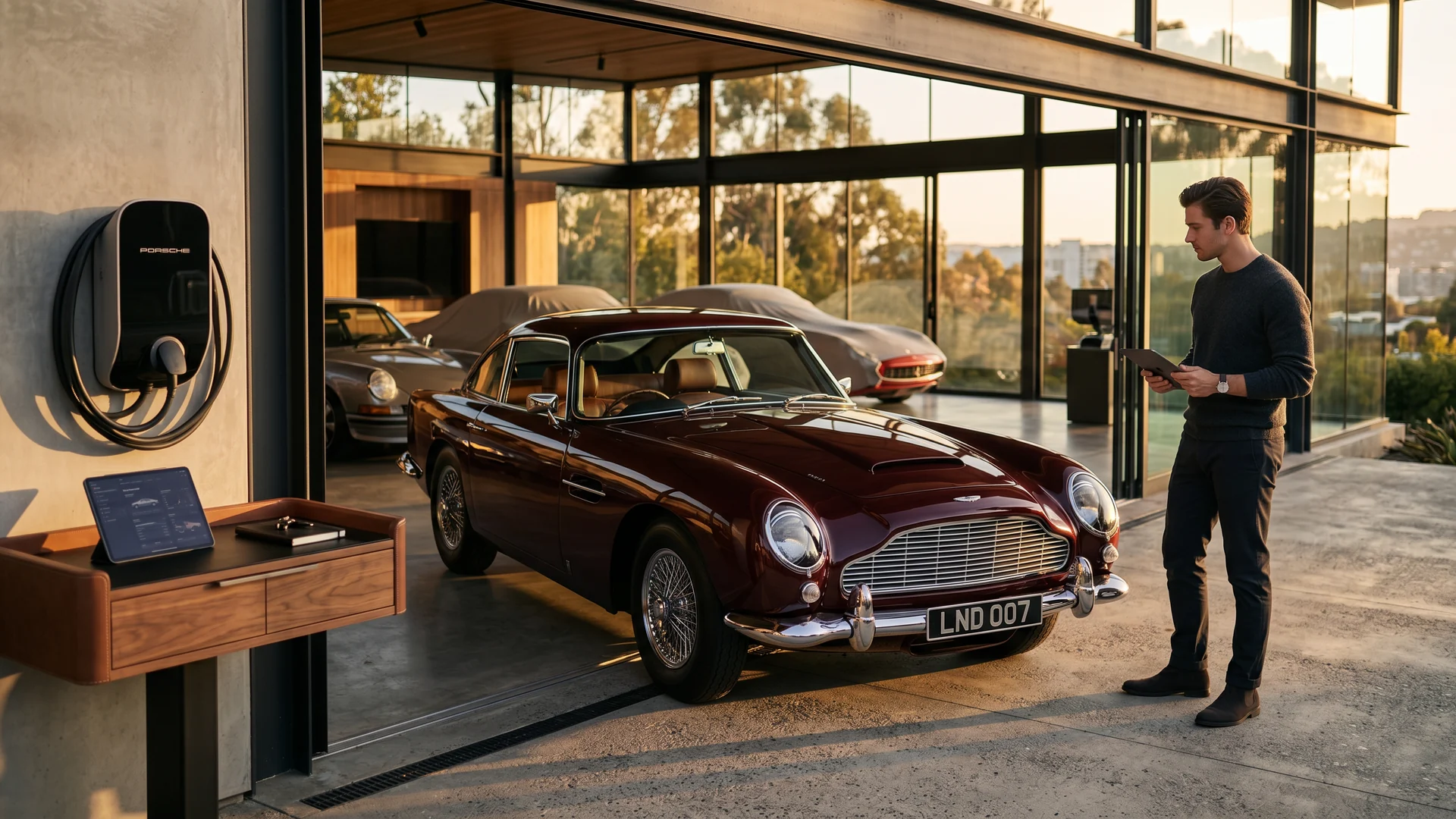
The Future of Classic Car Collecting: Trends Shaping the Next Generation
The future of classic car collecting: why 2035 ICE bans spare existing cars, plus e-fuels, shifting demographics, electromods and fractional ownership…
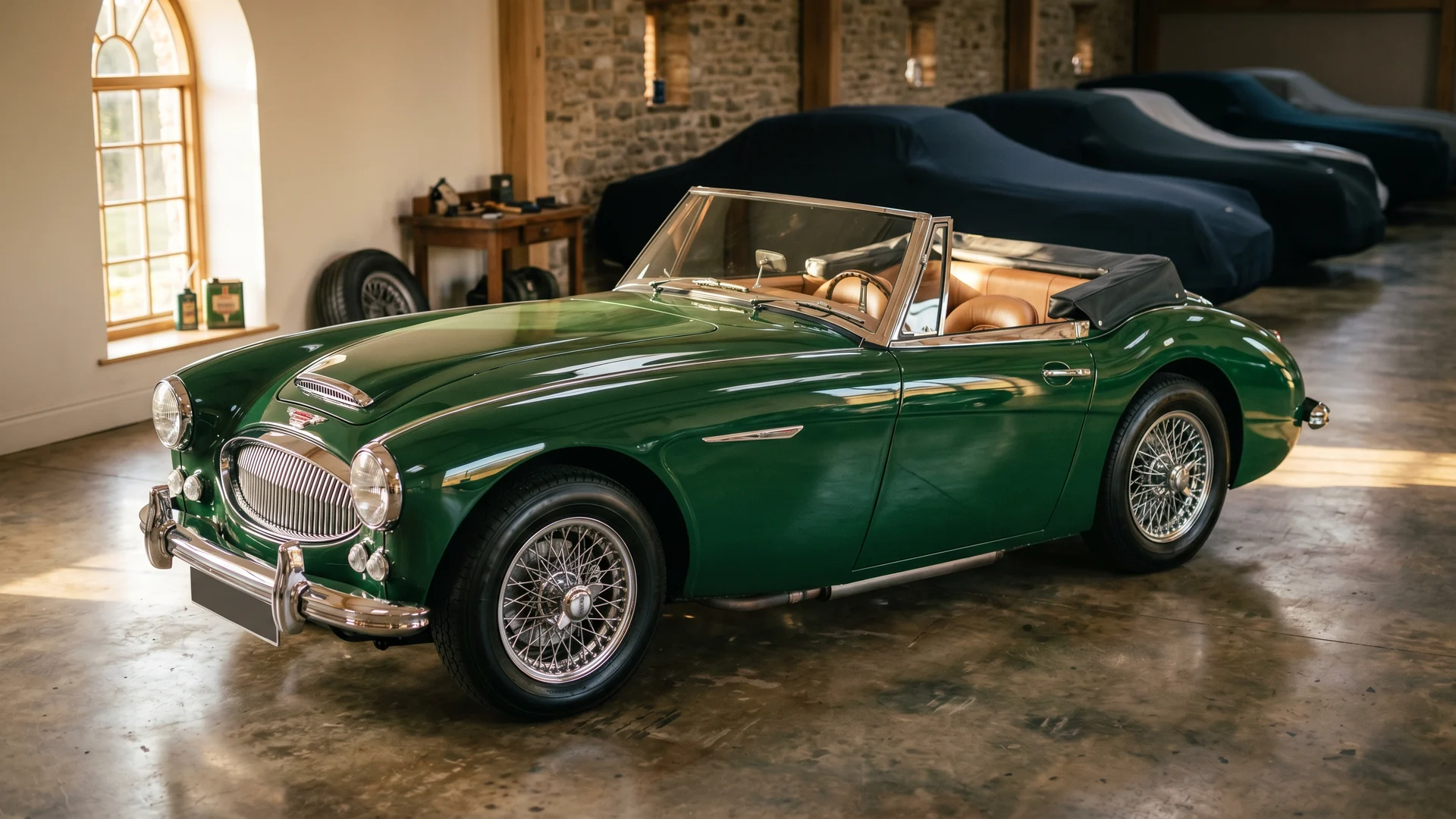
Classic Car Insurance Guide: Protecting Your Vintage Investment
Classic car insurance guide: why agreed-value policies beat stated and actual cash value, how Hagerty, Grundy and Chubb compare, plus costs and covera…
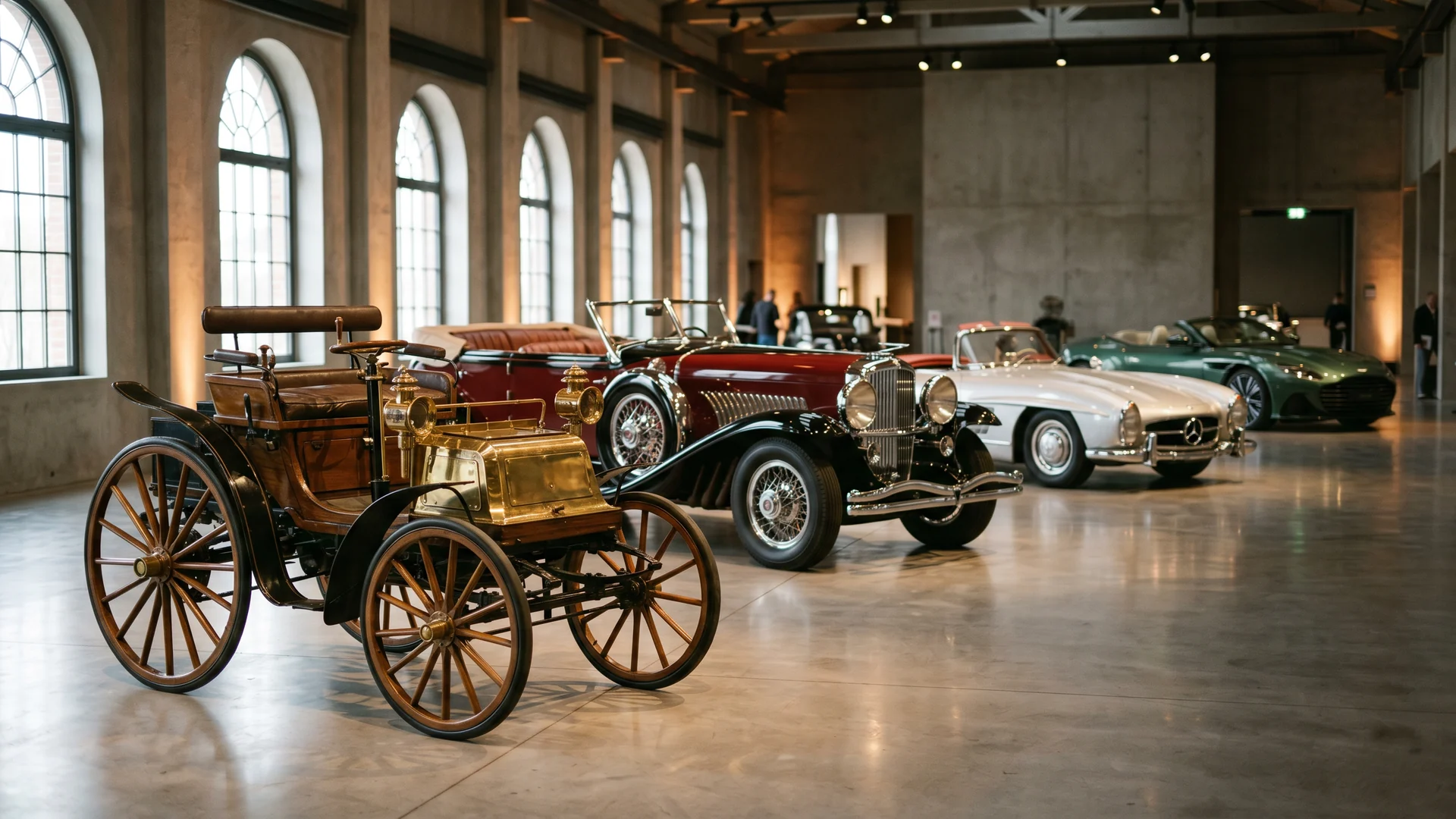
Classic Car History Timeline: From Benz to the Modern Collector Era
Classic car history timeline from the 1886 Benz Patent-Motorwagen through coachbuilding, muscle cars and supercars to modern collectibles. Discover th…