How Time, Not Money, Builds Legendary Classic Car Value
Time plays a crucial role in determining the value of classic cars. As vehicles age, they accumulate stories, experiences, and a unique character that can significantly enhance the…
Time plays a crucial role in determining the value of classic cars. As vehicles age, they accumulate stories, experiences, and a unique character that can significantly enhance their worth. Classic cars are not just machines; they are pieces of history that evoke nostalgia and admiration.
Understanding the importance of time in classic car valuation can help collectors and enthusiasts make informed decisions about buying, selling, or restoring these timeless treasures. The value of a classic car is influenced by various factors, including its condition, rarity, and historical significance. However, the passage of time adds an irreplaceable layer of depth to these vehicles.
As they age, classic cars develop a patina that tells a story of their journey through the years. This article will explore how time impacts classic car value, from the role of patina to the influence of ownership history and market trends.
Key Takeaways
- Time enhances classic car value by adding character, historical significance, and rarity.
- Patina and preservation balance authenticity with restoration, impacting value.
- Cultural trends and nostalgia deepen emotional connections to classic cars.
- Ownership history and provenance increase desirability over time.
- Market trends fluctuate, but timeless appeal sustains classic car ownership value.
The Role of Patina: How Age Adds Character and Value to Classic Cars
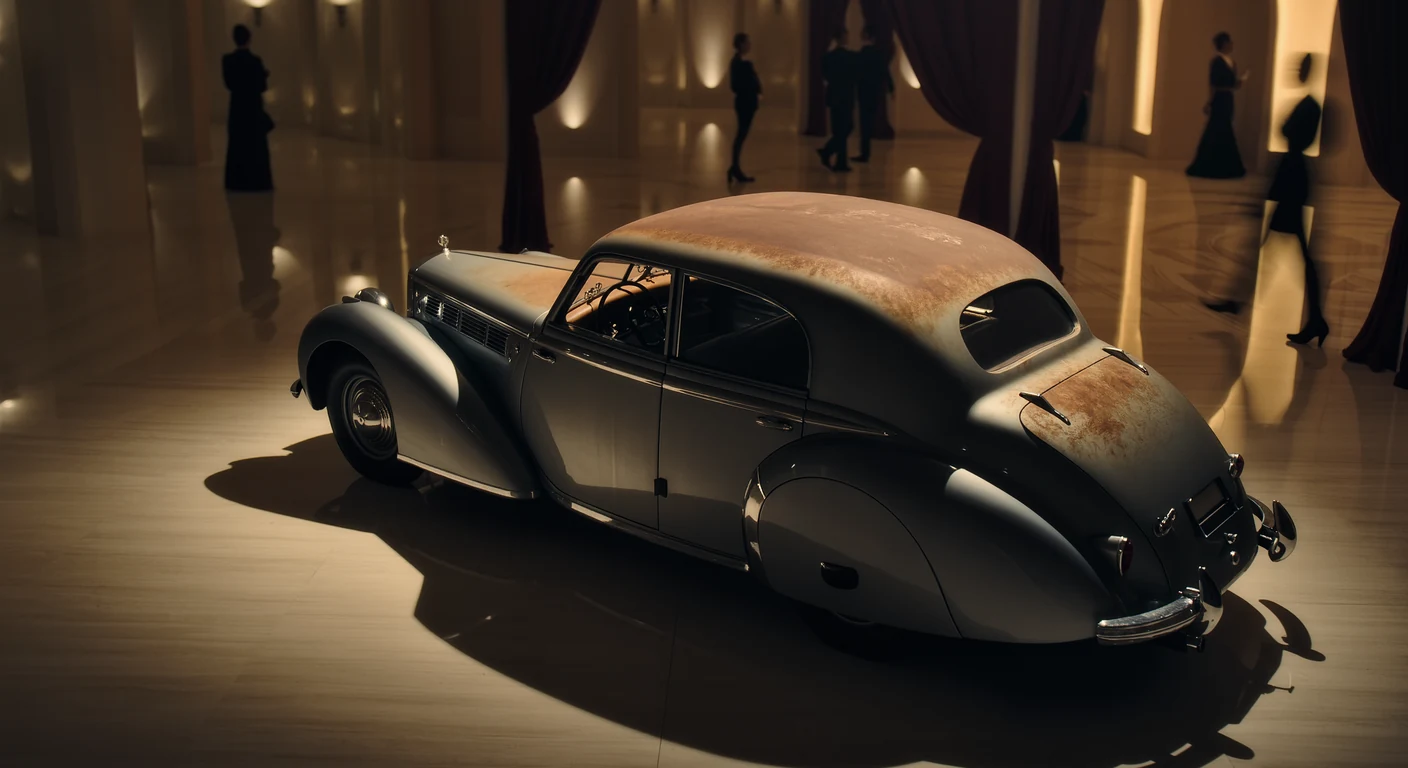
Patina is often described as the natural aging process that gives classic cars their unique charm. It encompasses the wear and tear that occurs over time, including faded paint, minor scratches, and surface rust.
A well-preserved patina can significantly increase a classic car’s value. Buyers often seek vehicles that have retained their original features and character rather than those that have undergone extensive restoration. The allure of patina lies in its ability to evoke memories and emotions, making the car more desirable to potential owners.
In this way, time becomes an essential factor in establishing a classic car’s market worth. Moreover, the appeal of patina extends beyond aesthetics. It can also indicate the quality of craftsmanship and materials used in the car’s construction.
A vehicle with a rich patina often suggests that it has been well-loved and cared for over the years, further enhancing its desirability among collectors.
Historical Significance: How the Passage of Time Elevates the Value of Classic Cars
The historical significance of a classic car can dramatically influence its value. As time passes, certain models become emblematic of specific eras or cultural movements. For instance, cars from the 1960s may evoke memories of the counterculture movement, while vintage muscle cars may symbolize American automotive prowess.
Collectors often seek vehicles with a compelling backstory or connection to significant events or figures. A classic car that was once owned by a famous personality or featured in a notable film can command a premium price due to its historical relevance. The passage of time adds layers to these stories, making them more intriguing and valuable.
Additionally, as historical events fade into memory, the cars associated with them become increasingly rare and sought after. This scarcity can drive up demand and prices, making it essential for collectors to recognize the historical context surrounding their vehicles. Understanding how time shapes historical significance can help enthusiasts make informed decisions when investing in classic cars.
Rarity and Scarcity: How Time Increases the Desirability of Classic Cars
Rarity is a key factor in determining the value of classic cars. As time goes on, certain models become increasingly scarce due to factors such as limited production runs or attrition from accidents and neglect. This scarcity can create a sense of urgency among collectors, driving up demand and prices.
For example, a limited-edition model produced in small numbers may become highly coveted as fewer examples remain on the road. Over time, these rare vehicles can appreciate significantly in value, making them attractive investments for collectors. The allure of owning a piece of automotive history only intensifies as time passes.
Moreover, the concept of rarity is often intertwined with nostalgia. Many collectors are drawn to cars that remind them of their youth or significant moments in their lives. As these vehicles become harder to find, their desirability increases, further elevating their market value.
Understanding the relationship between rarity and time is crucial for anyone looking to invest in classic cars.
Preservation and Restoration: Balancing the Impact of Time on Classic Car Value
Preservation and restoration are two approaches that classic car owners can take to maintain or enhance their vehicle’s value over time. Preservation focuses on keeping the car in its original condition, allowing it to age gracefully while retaining its unique character. This approach often appeals to collectors who appreciate authenticity and history.
On the other hand, restoration involves repairing or replacing parts to bring the car back to its original glory. While a well-executed restoration can increase a vehicle’s value, it may also detract from its authenticity if not done carefully. Collectors often debate whether restoring a classic car is worth the potential loss of character that comes with it.
Finding the right balance between preservation and restoration is essential for maximizing a classic car’s value over time. Owners must consider factors such as market demand, historical significance, and personal preferences when deciding how to care for their vehicles. Ultimately, understanding how time influences both preservation and restoration can help owners make informed choices that align with their goals.
The Influence of Cultural and Social Trends: How Time Shapes the Perception of Classic Cars
Cultural and social trends play a significant role in shaping the perception of classic cars over time. As societal values shift, so too does the desirability of certain models. For instance, during periods of economic prosperity, larger vehicles like SUVs may gain popularity, while compact cars may be favored during times of economic uncertainty.
Additionally, nostalgia plays a powerful role in influencing trends. As generations pass, younger enthusiasts often seek out vehicles that represent their parents’ or grandparents’ eras. This desire for connection to the past can drive demand for specific models, impacting their value in the marketplace.
Moreover, social movements can also affect perceptions of classic cars. For example, as environmental awareness grows, electric vehicles are becoming increasingly popular, leading some collectors to reevaluate their interest in traditional combustion engine models. Understanding how cultural and social trends evolve over time is essential for anyone looking to navigate the classic car market effectively.
The Evolution of Technology: How Time Impacts the Value of Classic Cars
The evolution of technology has had a profound impact on classic car values over time. As automotive technology advances, older models may be viewed as less desirable due to their lack of modern features such as advanced safety systems or fuel efficiency. However, this same evolution can also enhance the appeal of classic cars as symbols of simpler times.
Many enthusiasts appreciate classic cars for their mechanical simplicity and driving experience compared to modern vehicles filled with electronics and automation. This appreciation can lead to increased demand for certain models as collectors seek out vehicles that offer a more authentic driving experience. Furthermore, advancements in restoration techniques and materials have made it possible to preserve classic cars more effectively than ever before.
This means that even older models can be maintained in excellent condition, allowing them to retain or even increase their value over time. Understanding how technology influences both perception and preservation is crucial for anyone involved in the classic car market.
The Impact of Ownership History: How Time Adds Provenance and Value to Classic Cars
Ownership history is another critical factor that affects classic car values over time. A vehicle with a well-documented provenance, such as previous owners’ names, maintenance records, and any notable events, can command a higher price than one with an unclear history. Collectors often seek out cars with interesting stories or connections to famous individuals or events.
The passage of time adds depth to ownership history by creating a narrative around each vehicle. A classic car that has been passed down through generations may carry sentimental value for its current owner while also appealing to potential buyers who appreciate its legacy. Moreover, ownership history can also impact market demand for specific models.
Cars with notable past owners or unique stories often attract more attention from collectors, driving up their value over time.
The Role of Nostalgia: How Time Enhances the Emotional Connection to Classic Cars
Nostalgia plays a powerful role in shaping people’s emotional connections to classic cars over time. For many enthusiasts, these vehicles represent cherished memories from their youth or significant moments in their lives. This emotional attachment can drive demand for specific models as collectors seek out cars that evoke feelings of nostalgia.
As time passes, memories associated with classic cars become more vivid and meaningful. This emotional connection can lead collectors to invest significant resources into acquiring and preserving these vehicles, further enhancing their market value. Additionally, nostalgia often influences trends within the classic car community.
As certain models become emblematic of specific eras or cultural movements, they may gain popularity among collectors seeking to relive those experiences through ownership. Understanding how nostalgia shapes perceptions of classic cars is crucial for anyone looking to navigate this unique market effectively.
The Influence of Time on Market Trends: How Classic Car Values Fluctuate Over Time
Classic car values are not static; they fluctuate based on various factors influenced by time. Market trends can shift due to changes in consumer preferences, economic conditions, or even global events such as pandemics or recessions. Collectors must stay informed about these trends to make sound investment decisions.
For instance, during periods of economic growth, luxury vehicles may see increased demand as buyers are willing to spend more on high-end models. Conversely, during economic downturns, collectors may gravitate toward more affordable options or even consider selling off parts of their collections. Additionally, seasonal trends can also impact classic car values over time.
Certain models may be more desirable during specific seasons, convertibles in summer or four-wheel drives in winter, leading to fluctuations in market prices based on demand cycles throughout the year.
Embracing the Timeless Appeal of Classic Car Ownership
In conclusion, time plays an integral role in shaping the value and desirability of classic cars. From patina and historical significance to ownership history and nostalgia, each aspect contributes to the unique story behind every vehicle. As collectors navigate this dynamic market, understanding how time influences various factors will empower them to make informed decisions about buying, selling, or preserving these timeless treasures.
Classic car ownership is not just about investment; it’s about embracing a passion for history and craftsmanship that transcends generations. Whether you’re drawn by nostalgia or simply appreciate the artistry behind these machines, there’s no denying that classic cars hold a special place in our hearts, and their value will continue to evolve with time. As you consider your journey into classic car ownership or investment, remember that each vehicle tells a story shaped by time itself, one worth exploring and cherishing for years to come.
FAQs
Why does time play a more significant role than money in building classic car value?
Time allows a classic car to gain historical significance, rarity, and desirability, which are key factors in increasing its value. While money can improve a car’s condition, it cannot create the heritage and authenticity that time naturally develops.
Can investing a lot of money in restoring a classic car guarantee it will become valuable?
No, spending money on restoration does not guarantee increased value. Authenticity, originality, and the car’s historical context often matter more to collectors than extensive restorations.
How does rarity affect the value of classic cars over time?
As time passes, fewer examples of certain classic cars remain in good condition, making them rarer. This scarcity typically drives up demand and value among collectors.
What role does provenance play in the value of a classic car?
Provenance, or the documented history of a car’s ownership and use, can significantly enhance its value. A well-documented past adds to the car’s story and authenticity, which are highly prized by collectors.
Is it better to keep a classic car original or restored to increase its value?
Generally, maintaining originality is preferred because it preserves the car’s authenticity. Over-restoration or modifications can sometimes reduce a classic car’s value.
How does market demand influence the value of classic cars over time?
Market demand fluctuates based on trends, collector interest, and cultural factors. Over time, certain models may become more sought after, increasing their value, while others may decline in popularity.
Does the age of a classic car automatically make it valuable?
Not necessarily. While age is important, other factors like condition, rarity, provenance, and desirability also determine a classic car’s value.
How long does it typically take for a classic car to become valuable?
It varies widely depending on the model and market conditions, but generally, cars over 25 years old start to be considered classics, with value often increasing significantly after 40-50 years.
Can economic conditions affect the value of classic cars?
Yes, economic factors such as recessions or booms can impact collector spending and thus influence classic car values.
What should potential buyers consider when investing in classic cars for value appreciation?
Buyers should research the car’s history, rarity, condition, and market trends, and prioritize originality and provenance over cosmetic enhancements. Patience is also key, as value typically grows over time rather than immediately.
More from Blog
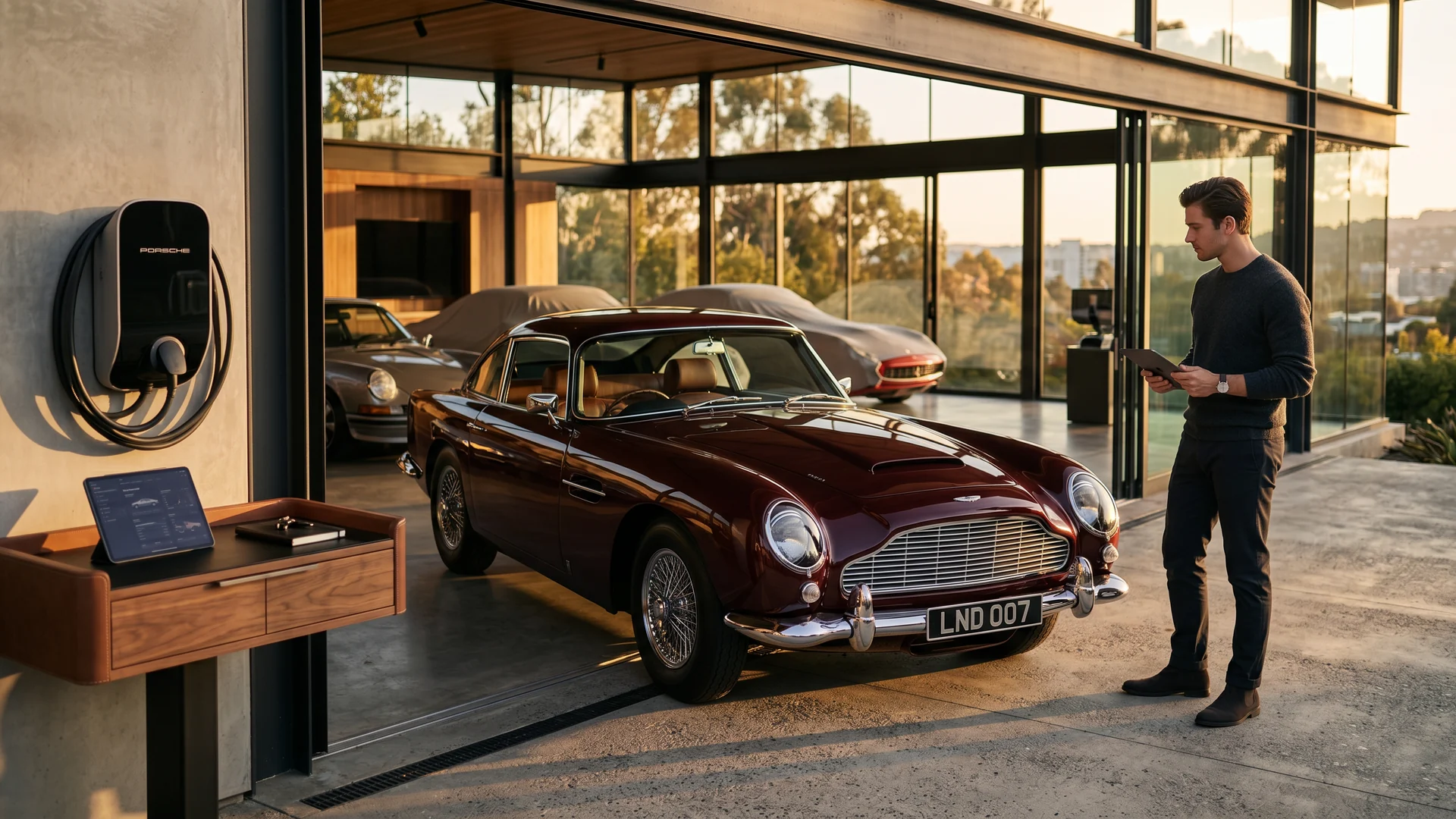
The Future of Classic Car Collecting: Trends Shaping the Next Generation
The future of classic car collecting: why 2035 ICE bans spare existing cars, plus e-fuels, shifting demographics, electromods and fractional ownership…
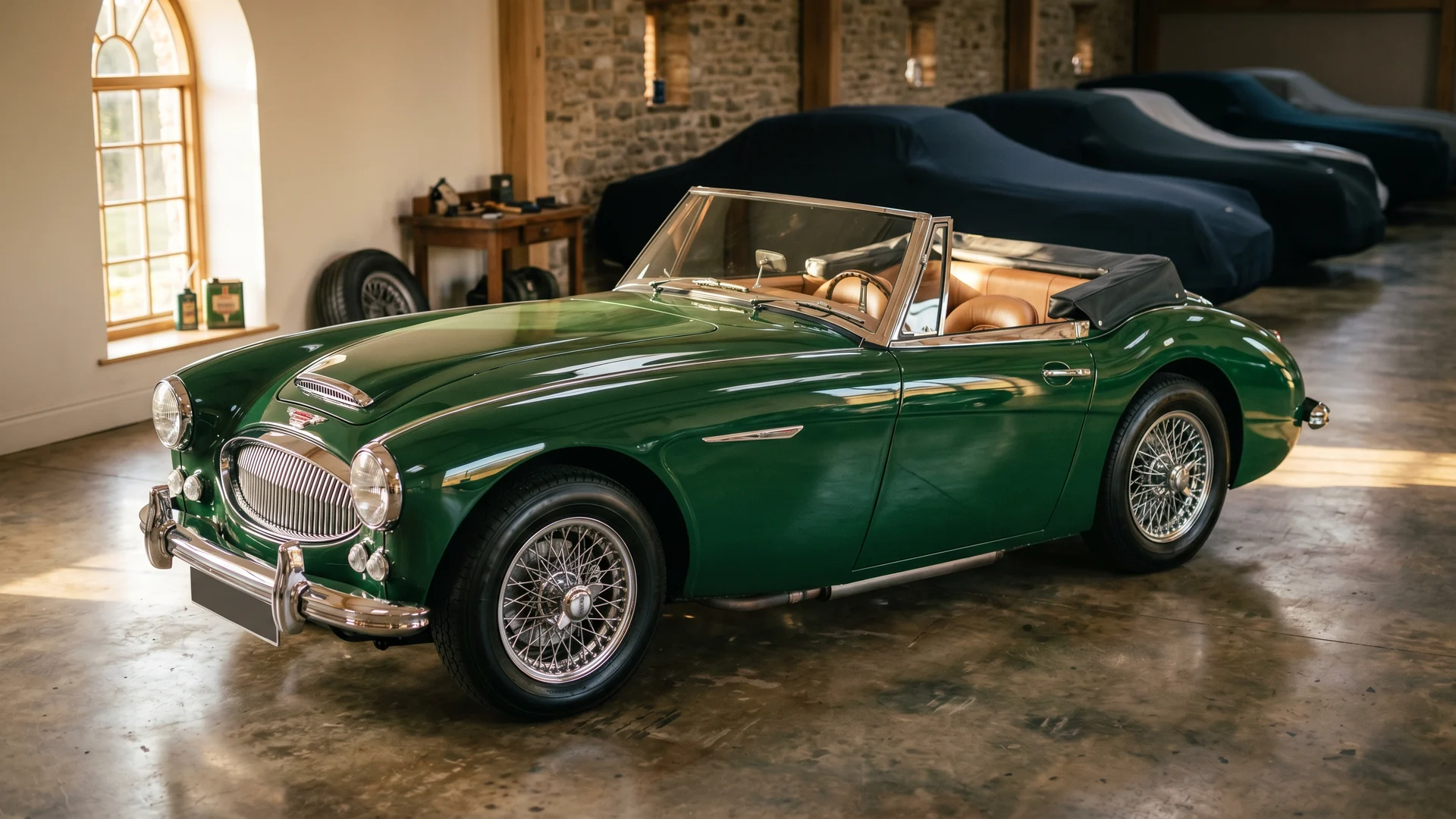
Classic Car Insurance Guide: Protecting Your Vintage Investment
Classic car insurance guide: why agreed-value policies beat stated and actual cash value, how Hagerty, Grundy and Chubb compare, plus costs and covera…
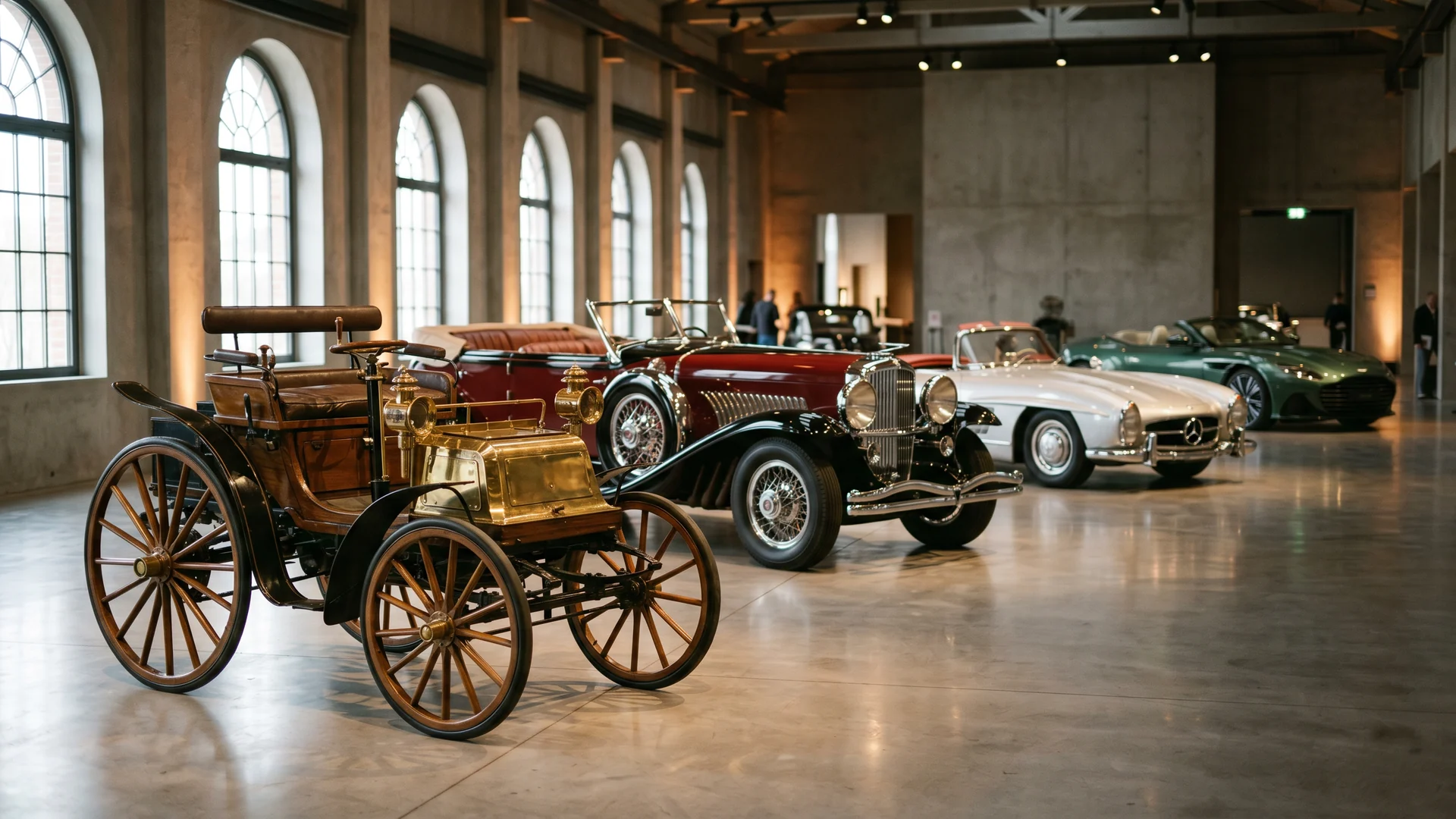
Classic Car History Timeline: From Benz to the Modern Collector Era
Classic car history timeline from the 1886 Benz Patent-Motorwagen through coachbuilding, muscle cars and supercars to modern collectibles. Discover th…