How Scarcity Turns Vintage Supercars Into Financial Weapons
Vintage supercars are high-performance vehicles typically manufactured between the 1960s and 1990s that combine advanced engineering with distinctive design elements. These automob…

Vintage supercars are high-performance vehicles typically manufactured between the 1960s and 1990s that combine advanced engineering with distinctive design elements. These automobiles were produced in limited numbers by manufacturers such as Ferrari, Lamborghini, Porsche, and McLaren, making them rare commodities in today’s market. Unlike modern supercars, vintage models feature analog instrumentation, naturally aspirated engines, and mechanical systems that require specialized knowledge for maintenance and restoration.
The collectible automobile market has experienced significant growth over the past two decades, with vintage supercars serving as alternative investment assets. Market data indicates that certain models have appreciated substantially, with some Ferrari and Porsche models showing annual appreciation rates exceeding traditional investment vehicles. Factors influencing value include production numbers, racing provenance, condition, documentation, and historical significance.
Models with fewer than 500 units produced typically command higher prices, while vehicles with competition history or celebrity ownership often carry premium valuations. Investment considerations for vintage supercars include storage requirements, insurance costs, maintenance expenses, and market liquidity.
Market analysis shows that blue-chip models from established manufacturers tend to maintain value stability, while lesser-known marques may experience greater price volatility. Prospective buyers should conduct thorough inspections, verify authenticity through documentation, and consider ongoing ownership costs when evaluating potential acquisitions.
Key Takeaways
- Vintage supercars are highly valued due to their rarity, exclusivity, and limited production numbers.
- Historical significance and celebrity ownership significantly enhance a vintage supercar’s market value.
- The condition and originality of a vintage supercar play a crucial role in determining its financial worth.
- Market demand and trends strongly influence the investment potential of vintage supercars.
- Understanding market dynamics and careful selection are essential for successful vintage supercar investment.
The Rarity and Exclusivity of Vintage Supercars
Rarity is one of the most compelling aspects of vintage supercars. Many models were produced in limited numbers, making them highly sought after by collectors. For instance, brands like Ferrari and Lamborghini often released special editions or models that were only available for a short period.
This exclusivity not only enhances their desirability but also significantly impacts their market value. When a car is rare, it becomes a trophy for collectors, symbolizing status and prestige. Moreover, the rarity of vintage supercars creates a sense of urgency among buyers.
As time passes, fewer examples remain in pristine condition, further driving up demand. Collectors are often willing to pay a premium for models that are not only rare but also well-preserved. This dynamic creates a competitive market where enthusiasts vie for ownership of these exceptional vehicles.
The combination of rarity and exclusivity makes vintage supercars not just cars but valuable assets that can appreciate over time.
The Influence of Scarcity on Vintage Supercar Value
Scarcity plays a pivotal role in determining the value of vintage supercars. When a model is scarce, it naturally attracts more attention from collectors and investors. The basic economic principle of supply and demand comes into play; as the supply diminishes, the demand increases, leading to higher prices.
For example, a limited-edition model from the 1960s may fetch millions at auction due to its scarcity and desirability among collectors. Additionally, scarcity can be influenced by various factors such as production numbers, historical significance, and even the car’s condition. A vintage supercar that has survived the test of time with minimal alterations or damage is even more valuable due to its rarity in original form.
Collectors often seek out these untouched examples, further driving up their market value. Thus, understanding the nuances of scarcity is essential for anyone looking to invest in vintage supercars.
The Role of Historical Significance in Vintage Supercar Value
Historical significance adds another layer to the value of vintage supercars. Cars that have played a role in motorsport history or have been associated with notable figures often command higher prices. For instance, vehicles that participated in famous races or were owned by legendary drivers carry stories that enhance their appeal.
This historical context transforms a mere car into a piece of automotive heritage. Moreover, the era in which a vintage supercar was produced can also influence its value. Cars from the golden age of motoring, typically the 1950s to 1970s, are often more desirable due to their iconic designs and engineering breakthroughs.
Collectors appreciate not just the car itself but also what it represents in terms of innovation and cultural impact. Therefore, understanding the historical significance of a vintage supercar is crucial for assessing its true value.
The Impact of Limited Production on Vintage Supercar Value
Limited production runs are a hallmark of many vintage supercars, significantly impacting their market value. Manufacturers often create limited editions to generate buzz and exclusivity around certain models. For example, when a car manufacturer announces that only 100 units will be produced, it creates an immediate sense of urgency among collectors and enthusiasts alike.
This limited production not only enhances desirability but also ensures that these vehicles remain rare over time. As fewer cars are available on the market, those that do exist become increasingly valuable. Collectors often view limited-production models as sound investments due to their potential for appreciation.
Thus, understanding the production history of a vintage supercar is essential for anyone looking to make an informed investment.
How Demand Drives the Financial Value of Vintage Supercars
Demand is a critical factor influencing the financial value of vintage supercars. As interest in classic cars continues to grow, so does the competition among buyers. This heightened demand can lead to significant price increases at auctions and private sales.
Factors such as media exposure, celebrity endorsements, and social media trends can all contribute to rising interest in specific models. Moreover, as new generations of car enthusiasts emerge, they often seek out vintage supercars as symbols of status and luxury. This trend can create a ripple effect in the market, driving up prices for certain models that may have previously been undervalued.
Understanding market demand is essential for investors looking to capitalize on trends and make informed purchasing decisions.
The Effect of Condition and Originality on Vintage Supercar Value
The condition and originality of a vintage supercar are paramount when determining its value. Cars that have been meticulously maintained or restored to their original specifications tend to command higher prices than those with significant modifications or wear. Collectors often prioritize originality because it reflects authenticity and preserves the car’s historical integrity.
Additionally, documentation plays a crucial role in establishing a vehicle’s condition and originality. Service records, ownership history, and factory specifications can all enhance a car’s value by providing proof of its authenticity. Buyers are more likely to invest in vehicles with comprehensive documentation that verifies their condition and originality.
The Influence of Celebrity Ownership on Vintage Supercar Value
Celebrity ownership can significantly impact the value of vintage supercars. When a well-known figure owns a particular model, it often becomes more desirable due to its association with fame and prestige. For instance, cars once owned by celebrities like Steve McQueen or Elvis Presley can fetch astronomical prices at auction simply because of their previous owners.
This phenomenon occurs because celebrity ownership adds an element of storytelling to the vehicle’s history. Collectors are not just purchasing a car; they are acquiring a piece of pop culture history that carries with it a narrative that enhances its appeal. As such, celebrity provenance can be a powerful driver of value in the vintage supercar market.
The Market Trends and Investment Potential of Vintage Supercars
The market for vintage supercars has shown remarkable resilience over the years, making them an attractive investment option for many collectors. Recent trends indicate that certain models have appreciated significantly in value, outperforming traditional investments like stocks or bonds. This trend has led many investors to view vintage supercars as viable assets that can diversify their portfolios.
Moreover, as global wealth continues to rise, particularly in emerging markets, demand for luxury items like vintage supercars is expected to grow. Investors should keep an eye on market trends and emerging models that show potential for appreciation. Understanding these trends can help investors make informed decisions about which vehicles to acquire for their collections.
The Future Outlook for Vintage Supercar Values
The future outlook for vintage supercar values appears promising as interest in classic cars continues to grow among younger generations. As more people become aware of the cultural significance and investment potential of these vehicles, demand is likely to increase further. Additionally, as fewer vintage supercars remain in excellent condition due to age and wear, those that do will become even more valuable over time.
However, potential investors should remain vigilant about market fluctuations and changing consumer preferences. While certain models may see sustained appreciation, others may not perform as well due to oversaturation or shifts in collector interest. Staying informed about industry trends will be crucial for anyone looking to navigate the evolving landscape of vintage supercar values.
Tips for Investing in Vintage Supercars
Investing in vintage supercars requires careful consideration and research. Here are some tips to help you make informed decisions: 1. **Research Thoroughly**: Understand the history and specifications of models you’re interested in.
2.
**Assess Condition**: Prioritize vehicles with original parts and good maintenance records.
3. **Consider Rarity**: Look for limited-production models or those with unique features.
4. **Document Everything**: Keep detailed records of ownership history and service documentation.
5.
**Network with Experts**: Connect with other collectors or join clubs to gain insights into market trends. By following these tips and staying informed about market dynamics, you can make strategic investments in vintage supercars that may yield significant returns over time. In conclusion, vintage supercars offer not only an exhilarating driving experience but also an opportunity for investment and appreciation in value over time.
Understanding the various factors influencing their worth, from rarity and historical significance to condition and celebrity ownership, can empower you as an investor or enthusiast in this captivating world of automotive history. Whether you’re looking to add to your collection or make your first purchase, knowledge is your best ally in navigating this exciting market landscape.
FAQs
What is meant by scarcity in the context of vintage supercars?
Scarcity refers to the limited availability of vintage supercars due to factors such as low production numbers, rarity of specific models, and the passage of time reducing the number of surviving vehicles.
How does scarcity affect the value of vintage supercars?
Scarcity increases the value of vintage supercars because limited supply combined with high demand drives up prices, making these cars more desirable to collectors and investors.
Why are vintage supercars considered financial assets?
Vintage supercars are considered financial assets because they can appreciate in value over time, serve as alternative investments, and provide potential returns similar to other collectible assets like art or rare wines.
What factors contribute to a vintage supercar becoming a “financial weapon”?
Factors include extreme rarity, historical significance, brand prestige, condition, provenance, and market demand, all of which can lead to significant appreciation and make the car a powerful investment tool.
Can owning a vintage supercar provide financial benefits beyond appreciation?
Yes, owners may benefit from tax advantages, portfolio diversification, and potential income through leasing or showcasing the vehicle at events, though these benefits vary by jurisdiction and individual circumstances.
Are there risks associated with investing in vintage supercars?
Yes, risks include market volatility, high maintenance and storage costs, potential liquidity issues, and the need for expert knowledge to authenticate and value the vehicles accurately.
How does the rarity of a vintage supercar compare to other collectible assets?
Vintage supercars are often rarer than many other collectibles due to limited production runs and the attrition of surviving examples, which can make them more exclusive and valuable.
What role do auctions play in the valuation of vintage supercars?
Auctions provide a transparent marketplace where prices are publicly recorded, helping establish market value, generate competitive bidding, and increase visibility for rare vintage supercars.
How has the market for vintage supercars evolved in recent years?
The market has grown significantly, with increasing interest from global collectors and investors, rising prices, and greater recognition of vintage supercars as alternative financial assets.
What should potential investors consider before purchasing a vintage supercar?
Investors should consider authenticity, condition, maintenance costs, market trends, storage requirements, insurance, and their long-term investment goals before purchasing a vintage supercar.
More from Blog
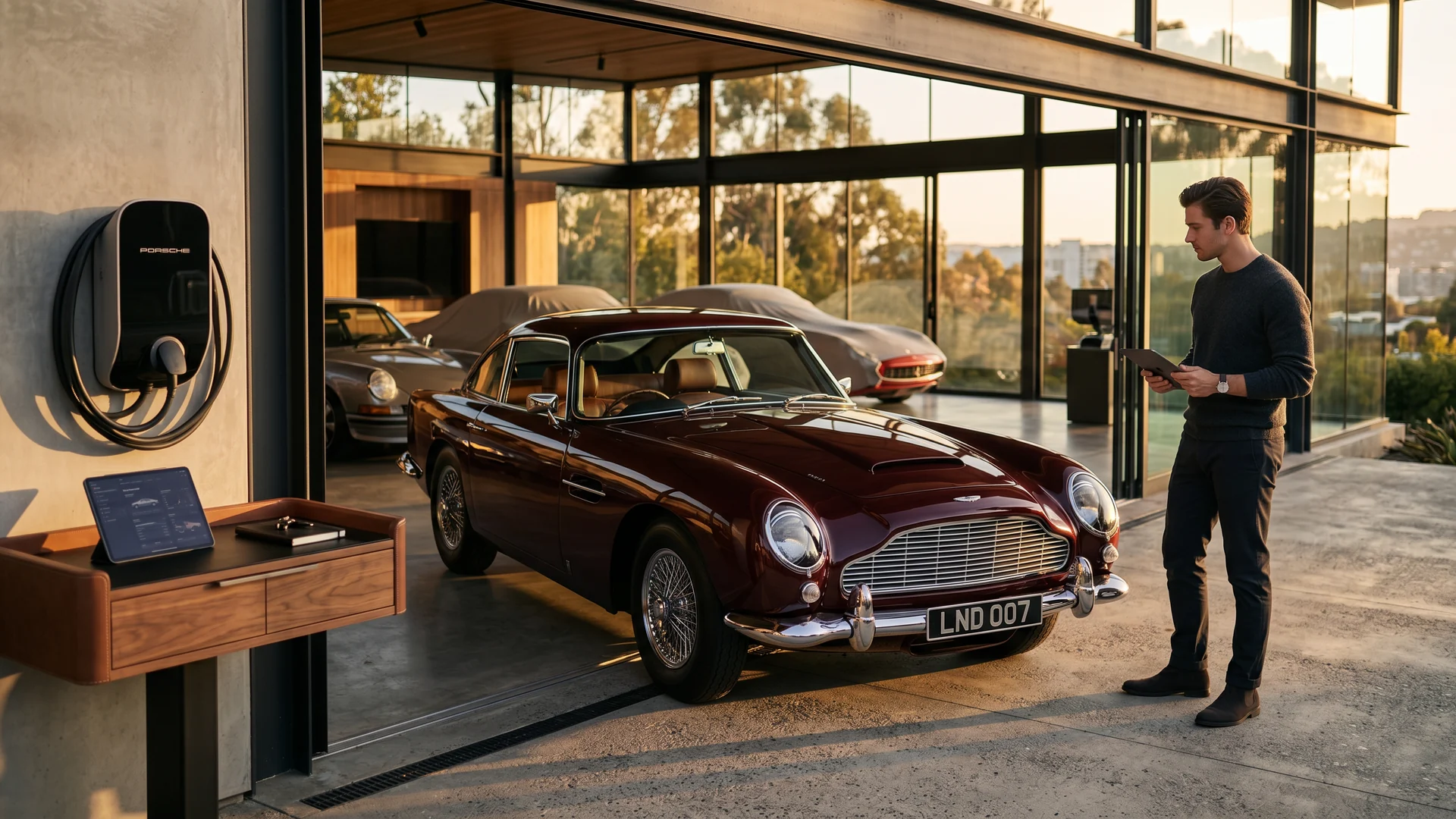
The Future of Classic Car Collecting: Trends Shaping the Next Generation
The future of classic car collecting: why 2035 ICE bans spare existing cars, plus e-fuels, shifting demographics, electromods and fractional ownership…
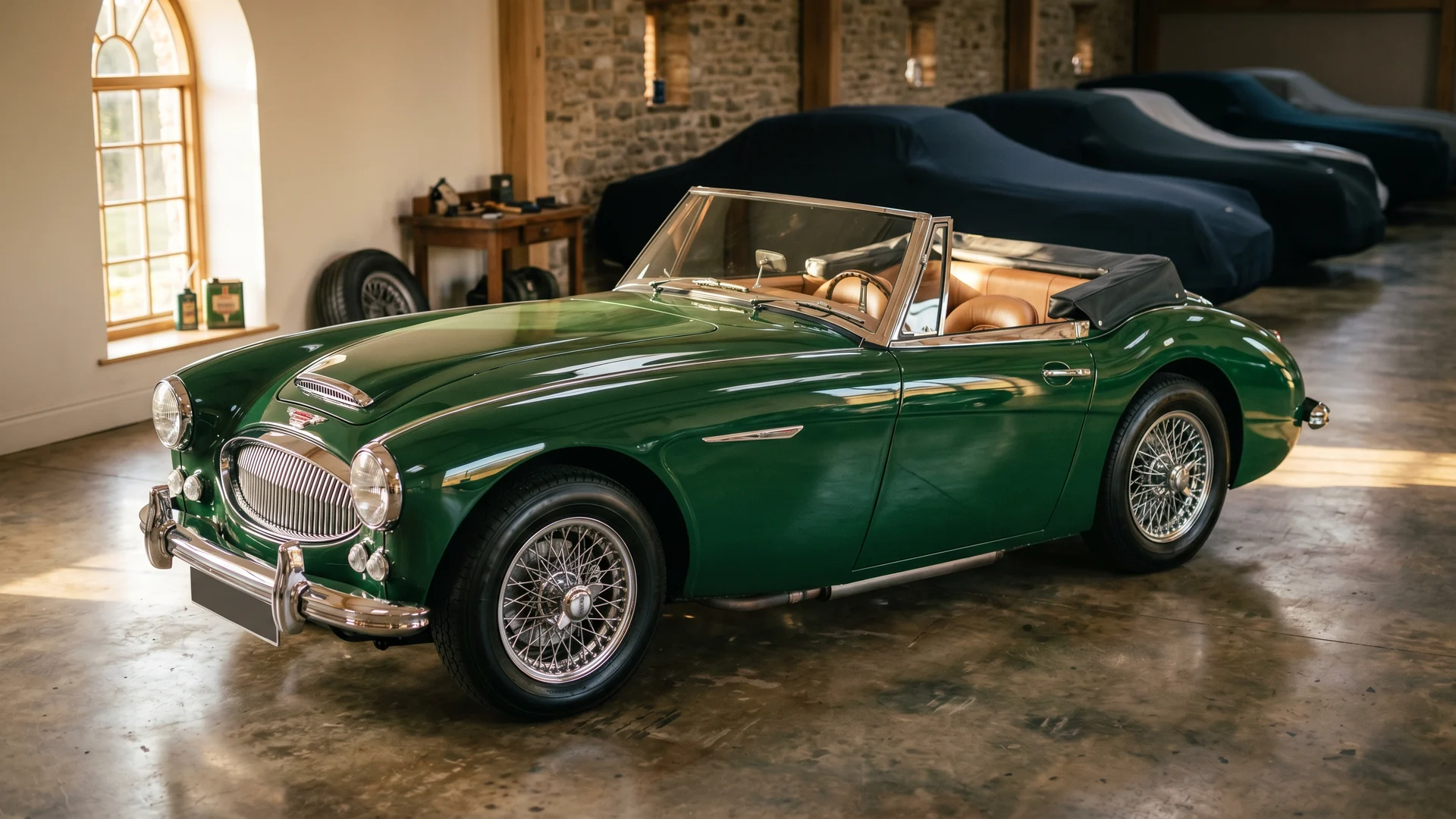
Classic Car Insurance Guide: Protecting Your Vintage Investment
Classic car insurance guide: why agreed-value policies beat stated and actual cash value, how Hagerty, Grundy and Chubb compare, plus costs and covera…
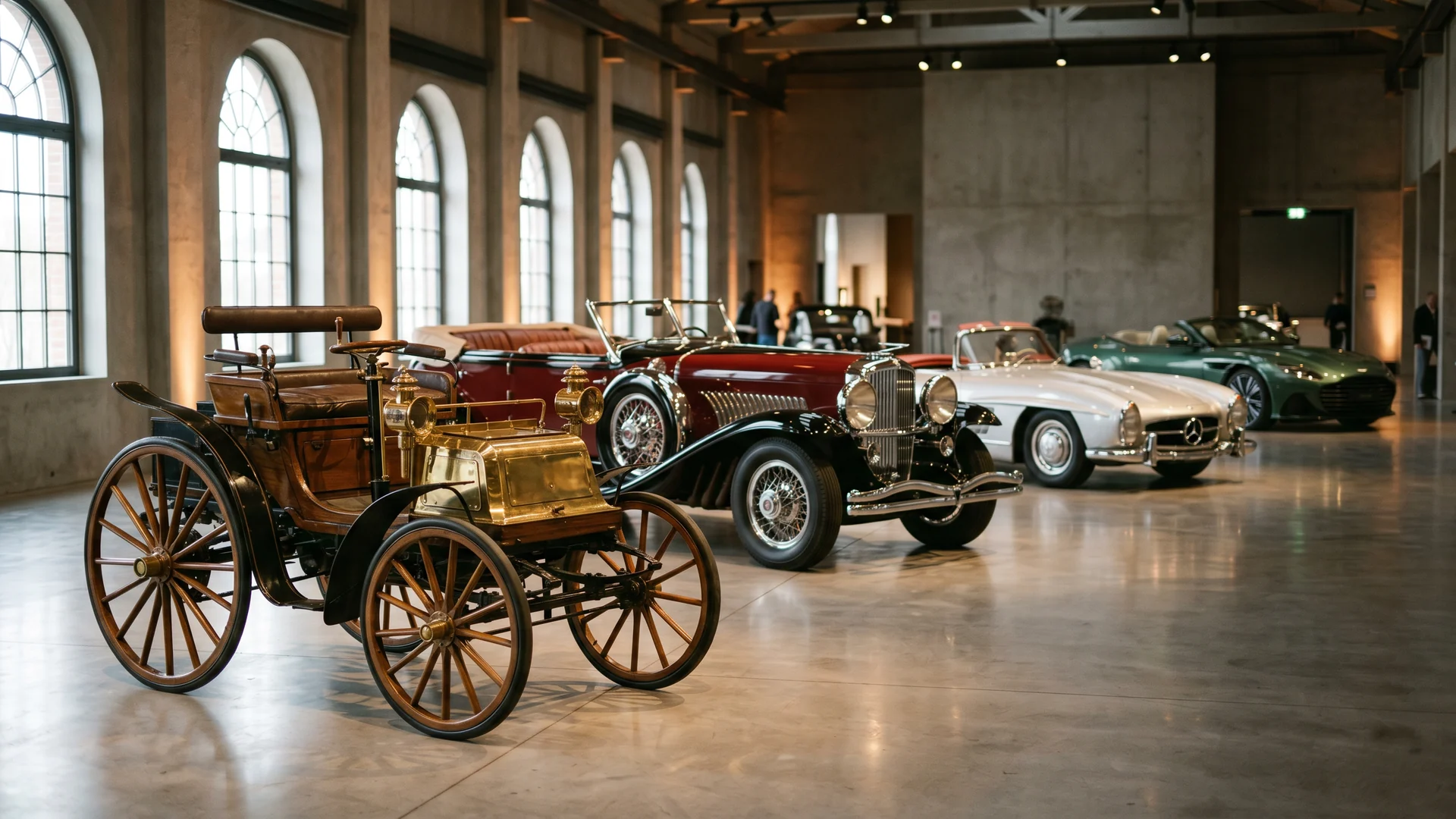
Classic Car History Timeline: From Benz to the Modern Collector Era
Classic car history timeline from the 1886 Benz Patent-Motorwagen through coachbuilding, muscle cars and supercars to modern collectibles. Discover th…