How Scarcity Is Artificially Engineered in the Oldtimer World
Scarcity in the classic car market refers to the limited supply of vintage automobiles, which directly impacts their market value and collector demand. The finite nature of classic…
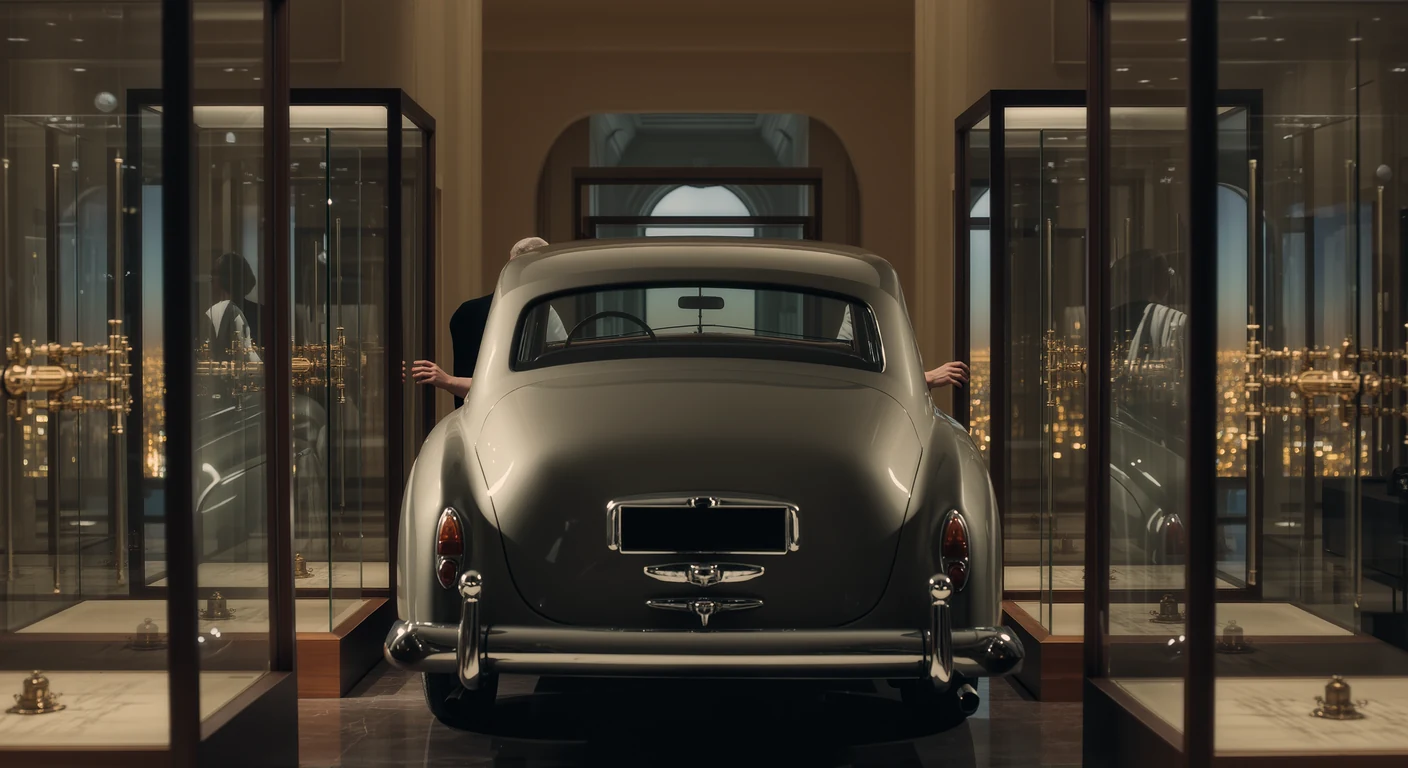
Scarcity in the classic car market refers to the limited supply of vintage automobiles, which directly impacts their market value and collector demand. The finite nature of classic car availability stems from discontinued production lines, with no new examples being manufactured to replace those lost to accidents, deterioration, or destruction over time. This fundamental supply constraint creates an economic environment where remaining examples typically appreciate in value as demand from collectors and enthusiasts continues.
Several quantifiable factors contribute to classic car scarcity. Original production numbers establish the baseline rarity of any model, with limited-edition vehicles and low-volume manufacturers commanding premium prices. Survival rates further reduce available inventory, as many classic cars have been scrapped, modified beyond originality, or damaged beyond economical repair.
Geographic distribution also affects regional scarcity, with certain models being more prevalent in specific markets due to original sales patterns or import regulations. The classic car market operates through established channels including specialized dealerships, auction houses, and private sales networks. Major auction houses such as Barrett-Jackson, RM Sotheby’s, and Bonhams have documented the appreciation of rare models through transparent sales data.
Market dynamics are influenced by demographic trends, with different generations showing preferences for vehicles from their formative years, creating cyclical demand patterns for specific eras and marques. Investment potential varies significantly based on rarity, condition, provenance, and historical significance of individual vehicles.
Key Takeaways
- Scarcity in the oldtimer market arises from limited production, natural attrition, and preservation efforts.
- Marketing, branding, and auction houses play key roles in artificially enhancing rarity and value.
- Regulations, pop culture, and globalization significantly influence demand and availability worldwide.
- Economic trends and investment strategies impact collector behavior and market dynamics.
- Future solutions may involve balancing preservation with accessibility to sustain the oldtimer community.
Limited Production and Rarity
Limited production is one of the primary drivers of scarcity in the oldtimer world.
Manufacturers often created special editions or unique models to appeal to specific markets or celebrate milestones.
For instance, iconic brands like Ferrari and Porsche have released limited-run vehicles that are now highly sought after by collectors. The fewer units produced, the higher the demand tends to be, leading to skyrocketing prices at auctions and private sales. Moreover, certain models have become legendary due to their performance, design, or historical significance.
Cars like the Ford GT40 or the Mercedes-Benz 300SL are not just vehicles; they are symbols of automotive excellence. Their limited production runs contribute to their status as coveted collectibles. As time passes, these cars become even rarer due to natural attrition, accidents, rust, and neglect can reduce the number of surviving examples.
This ongoing decline in availability only heightens their desirability among enthusiasts.
Artificially Creating Scarcity Through Marketing and Branding
In addition to natural scarcity, marketing strategies play a crucial role in creating an artificial sense of scarcity in the oldtimer market. Manufacturers and dealers often employ tactics that emphasize exclusivity and limited availability to drive demand. For example, they may promote a car as a “limited edition” or “one-of-a-kind,” even if multiple units exist.
This marketing approach can create a perception of rarity that compels collectors to act quickly, fearing they might miss out on a unique opportunity. Branding also contributes to this phenomenon. Luxury brands like Aston Martin or Bugatti leverage their heritage and craftsmanship to position their vehicles as exclusive items.
By associating their cars with prestige and luxury, they create an allure that transcends mere transportation. Collectors are often willing to pay a premium for these vehicles, believing they are acquiring not just a car but a piece of art or history. This artificial scarcity can significantly inflate prices and create a competitive market environment.
Influence of Auction Houses and Collectors
Auction houses play a pivotal role in shaping the oldtimer market by influencing perceptions of value and rarity. Renowned auction events like those held by RM Sotheby’s or Gooding & Co. attract high-profile collectors and investors, creating a buzz around specific models.
The excitement generated during these auctions can lead to bidding wars that drive prices to unprecedented levels. As collectors vie for ownership of rare vehicles, the perceived scarcity increases, further enhancing their desirability. Moreover, collectors themselves contribute to this dynamic by sharing their passion and knowledge within communities.
Enthusiast forums, social media groups, and car shows allow collectors to showcase their prized possessions and discuss market trends. This exchange of information can create a sense of urgency among potential buyers who fear missing out on acquiring a rare model. As collectors share stories about their vehicles’ histories and unique features, they help cultivate an environment where scarcity is celebrated and valued.
Impact of Restoration and Preservation Efforts
Restoration and preservation efforts significantly impact the scarcity of oldtimers in the market. Many classic cars require extensive work to return them to their former glory, which can be both time-consuming and costly. Skilled craftsmen who specialize in vintage restorations are often in high demand, as collectors seek to maintain or enhance the value of their investments.
A well-restored vehicle can command a much higher price than one in poor condition, making restoration an essential consideration for collectors. However, restoration can also lead to debates about authenticity and originality. Some purists argue that restoring a car too extensively can diminish its historical value, while others believe that preserving functionality is paramount.
This tension adds another layer to the conversation about scarcity; as more cars are restored, the number of original examples may dwindle, further increasing their rarity. Collectors must navigate these complexities when considering investments in classic cars.
Role of Regulations and Restrictions
Regulations and restrictions imposed by governments can also influence scarcity in the oldtimer world. Emission standards, safety regulations, and import restrictions can limit the availability of certain models in specific regions. For instance, classic cars that do not meet modern emissions standards may be banned from being driven on public roads in some areas.
This limitation can reduce the number of operational vehicles available for collectors and enthusiasts. Additionally, some countries have implemented laws that encourage the preservation of classic cars by offering tax incentives or exemptions from certain regulations. These measures can help maintain a pool of vintage vehicles while also promoting interest in automotive history.
However, navigating these regulations can be challenging for collectors who wish to import or restore classic cars from abroad. Understanding local laws is crucial for anyone looking to invest in oldtimers.
Rarity Due to Natural Causes
Natural causes also contribute to the rarity of classic cars over time. Factors such as weather conditions, environmental degradation, and accidents can lead to the deterioration or destruction of vintage vehicles. For example, cars stored outdoors without proper protection may succumb to rust and decay more quickly than those kept in climate-controlled environments.
Similarly, natural disasters like floods or fires can wipe out entire collections in an instant. Moreover, some classic cars were built with materials that are less durable than those used in modern vehicles. As these materials age, they become more susceptible to damage and wear.
Consequently, many vintage models may no longer exist in their original form due to these natural factors. This ongoing loss underscores the importance of preservation efforts within the collector community; as more cars are lost to time, those that remain become increasingly valuable.
Influence of Pop Culture and Media
Pop culture and media have a profound impact on the perception of scarcity in the oldtimer world.
Iconic films like “Gone in 60 Seconds” or “American Graffiti” have immortalized certain models, driving up interest among collectors and fans alike.
Social media platforms also play a significant role in shaping trends within the classic car community. Influencers and enthusiasts share images and stories about their vehicles, sparking conversations about rarity and desirability. As certain models gain popularity through viral content or celebrity endorsements, their perceived scarcity increases, leading to heightened demand among potential buyers.
Globalization and International Demand
Globalization has transformed the oldtimer market by expanding access to classic cars across borders. Collectors from different countries now compete for rare models that were once limited to specific regions. This international demand can drive prices higher as buyers seek out unique vehicles regardless of their location.
Additionally, emerging markets are beginning to show interest in classic cars as symbols of status and wealth. Countries with growing economies are witnessing an influx of new collectors eager to invest in vintage vehicles. This trend further intensifies competition for scarce models, making it essential for existing collectors to stay informed about global market dynamics.
Economic Factors and Investment Strategies
Economic factors play a crucial role in shaping the oldtimer market’s landscape. Interest rates, inflation rates, and overall economic stability can influence collector behavior and investment strategies. During periods of economic growth, collectors may be more willing to invest significant sums into rare vehicles as they view them as stable assets.
Conversely, economic downturns can lead to decreased demand for luxury items like classic cars. In such times, collectors may choose to hold onto their investments rather than sell them at reduced prices. Understanding these economic cycles is vital for anyone looking to navigate the complexities of investing in oldtimers effectively.
Future Outlook and Potential Solutions
The future outlook for scarcity in the oldtimer world remains uncertain but promising. As technology advances, new methods for preserving classic cars may emerge, allowing more vehicles to survive for future generations. Innovations such as 3D printing could enable restorers to replicate hard-to-find parts, making it easier to maintain vintage models.
Moreover, increased awareness about sustainability may lead to more initiatives aimed at preserving automotive history while minimizing environmental impact. Collectors may find new ways to engage with their passion while contributing positively to society. In conclusion, understanding scarcity in the oldtimer world involves examining various factors, from limited production runs and marketing strategies to global demand and economic influences.
By recognizing these elements, collectors can make informed decisions about their investments while appreciating the rich history behind each vehicle they cherish. As you explore this fascinating realm of classic cars, consider how you can contribute positively, whether through preservation efforts or simply sharing your passion with others who appreciate these timeless machines!
FAQs
What does “scarcity” mean in the context of the oldtimer (classic car) market?
Scarcity refers to the limited availability of certain classic or vintage cars, which can increase their desirability and market value among collectors and enthusiasts.
How is scarcity artificially engineered in the oldtimer world?
Scarcity can be artificially engineered through practices such as limiting production numbers, withholding cars from the market, creating exclusive editions, or controlling the release and distribution of vehicles to maintain high demand and prices.
Why do manufacturers or sellers create artificial scarcity for oldtimers?
Manufacturers or sellers may create artificial scarcity to enhance the perceived value and exclusivity of certain models, driving up demand and prices, and maintaining a prestigious image for the brand or vehicle.
What role do auctions play in the artificial scarcity of classic cars?
Auctions can contribute to artificial scarcity by selectively releasing rare vehicles, setting high reserve prices, or creating hype around certain models, which can limit availability and increase competition among buyers.
Are all classic cars subject to artificially engineered scarcity?
No, not all classic cars are subject to artificial scarcity. Many factors influence scarcity, including production numbers, historical significance, condition, and market demand. Artificial scarcity is more common with highly sought-after or limited-edition models.
How does artificial scarcity affect the prices of oldtimers?
Artificial scarcity typically drives prices higher by limiting supply while maintaining or increasing demand, making certain classic cars more expensive and sometimes less accessible to average buyers.
Can artificial scarcity impact the authenticity or value of a classic car?
While artificial scarcity can increase market value, it does not affect the authenticity of a classic car. However, artificially inflated prices may lead to market volatility and speculation, which can impact long-term value stability.
Is artificial scarcity unique to the oldtimer market?
No, artificial scarcity is a common marketing and economic strategy used in various industries, including luxury goods, collectibles, fashion, and technology, to create exclusivity and drive demand.
How can buyers protect themselves from the effects of artificial scarcity?
Buyers can research market trends, verify vehicle provenance, consult experts, and be cautious of hype-driven pricing to make informed decisions and avoid overpaying due to artificially engineered scarcity.
What ethical considerations are involved in artificially engineering scarcity in the oldtimer market?
Ethical considerations include transparency with buyers, fair market practices, and avoiding manipulation that could mislead consumers or create unfair barriers to ownership for genuine enthusiasts.
More from Blog
The Future of Classic Car Collecting: Trends Shaping the Next Generation
The future of classic car collecting: why 2035 ICE bans spare existing cars, plus e-fuels, shifting demographics, electromods and fractional ownership…
Classic Car Insurance Guide: Protecting Your Vintage Investment
Classic car insurance guide: why agreed-value policies beat stated and actual cash value, how Hagerty, Grundy and Chubb compare, plus costs and covera…
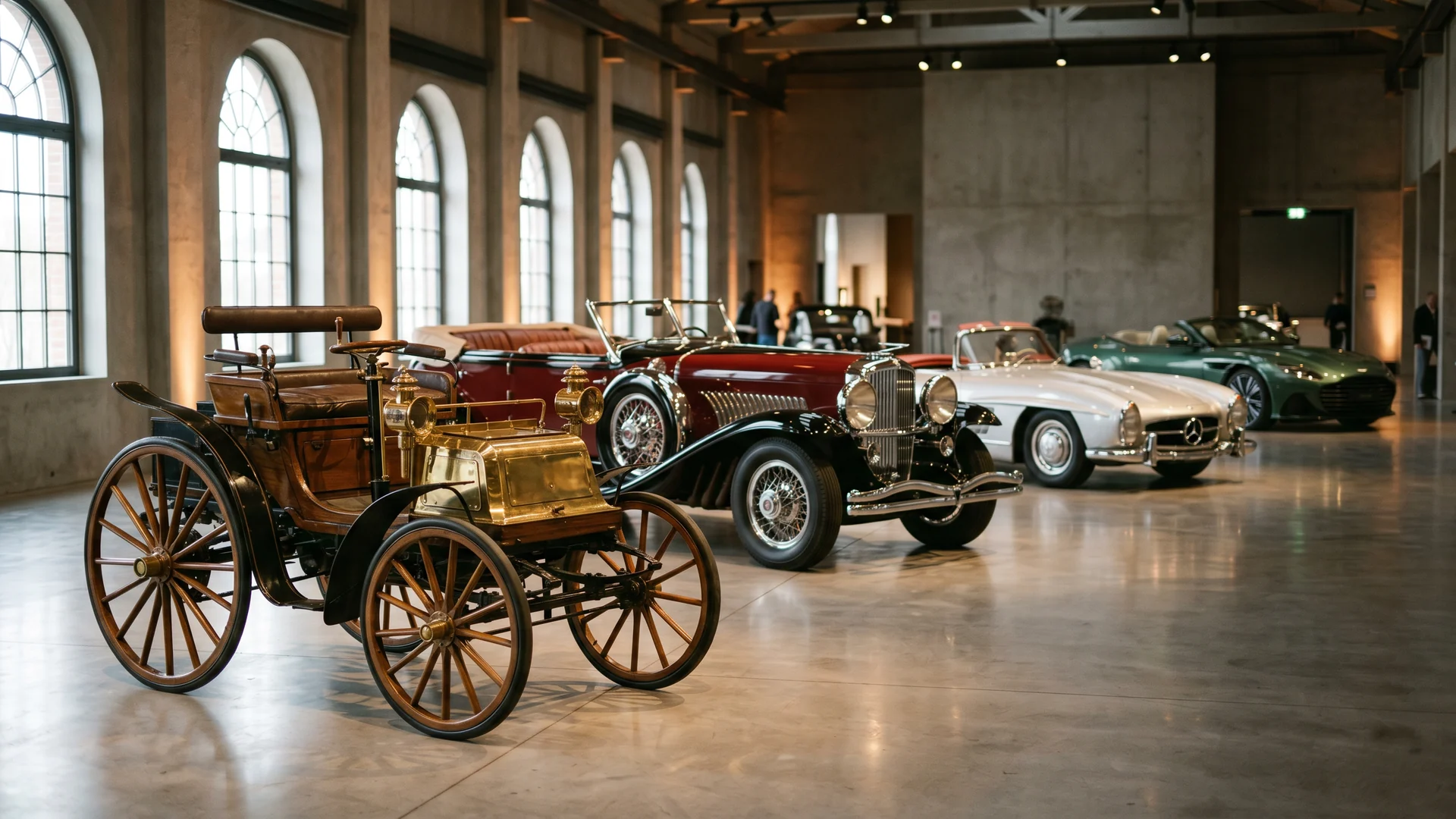
Classic Car History Timeline: From Benz to the Modern Collector Era
Classic car history timeline from the 1886 Benz Patent-Motorwagen through coachbuilding, muscle cars and supercars to modern collectibles. Discover th…