How Provenance Can Triple a Classic Car’s Market Value
Provenance in the classic car market refers to the comprehensive documentation of a vehicle’s ownership history, tracing its path from the original manufacturer to the presen…

Provenance in the classic car market refers to the comprehensive documentation of a vehicle’s ownership history, tracing its path from the original manufacturer to the present owner. This documentation includes original purchase records, maintenance logs, modification details, and records of significant events or exhibitions the vehicle has participated in. Provenance serves as verification of a classic car’s authenticity and provides evidence of its historical significance.
Complete documentation helps establish a vehicle’s legitimacy and directly influences its market valuation. Cars with well-maintained provenance records typically command higher prices and generate greater interest among serious collectors.
The documentation process involves maintaining original sales receipts, service records, registration documents, and any certificates of authenticity or awards the vehicle has received. Provenance verification has become increasingly important as the classic car market has grown and values have risen substantially. Without proper documentation, even genuine classic cars may face challenges in authentication, potentially reducing their market appeal and financial value.
Consequently, maintaining accurate and complete provenance records is considered a fundamental responsibility of classic car ownership.
Key Takeaways
- Provenance establishes a classic car’s history and authenticity, significantly impacting its market value.
- Documentation and original features are crucial in verifying a car’s provenance.
- Ownership by famous individuals and connections to historical events can enhance a car’s rarity and desirability.
- Provenance influences collector interest and can drive higher auction prices.
- The future of provenance involves evolving methods to preserve and verify classic car histories.
The Impact of Provenance on Classic Car Market Value
The impact of provenance on classic car market value cannot be overstated. Cars with a well-documented history often command higher prices at auctions and sales. Buyers are willing to pay a premium for vehicles that come with a rich narrative, including previous ownership by notable figures or participation in significant events.
This added layer of history not only enhances the car’s allure but also assures potential buyers of its authenticity. Conversely, cars lacking clear provenance may struggle to find buyers or may sell for significantly less. Without documentation, it becomes challenging to verify the car’s history, leading to skepticism among potential purchasers.
As a result, establishing provenance is crucial for anyone looking to maximize their investment in classic cars. A strong provenance can transform a standard vehicle into a coveted collector’s item, significantly impacting its market value.
How Provenance Can Authenticate a Classic Car’s History
Provenance plays a pivotal role in authenticating a classic car’s history. It provides a detailed account of the vehicle’s past, including its original specifications, modifications, and any repairs or restorations it has undergone. This information is essential for discerning buyers who want assurance that they are investing in an authentic piece of automotive history.
Moreover, provenance can help identify counterfeit vehicles or those with misleading histories. By cross-referencing documentation such as original sales invoices, service records, and previous ownership details, buyers can verify the authenticity of a classic car. This process not only protects buyers from potential fraud but also enhances their confidence in their purchase, making provenance an indispensable aspect of the classic car market.
The Role of Documentation in Establishing Provenance
Documentation is the cornerstone of establishing provenance in classic cars. It includes a variety of records such as original sales contracts, service history, and photographs that capture the vehicle at different points in its life. These documents serve as tangible proof of the car’s history and can significantly influence its value.
In addition to traditional paperwork, digital records have become increasingly important in establishing provenance. Online databases and registries allow owners to track their vehicles’ histories more efficiently. This modern approach to documentation not only simplifies the process but also enhances transparency within the classic car market.
Collectors who prioritize thorough documentation are more likely to enjoy higher resale values and greater interest from potential buyers.
Famous Owners and Their Influence on Classic Car Provenance
Famous owners can dramatically influence a classic car’s provenance and market value. When a vehicle has been owned by a celebrity or notable figure, it often becomes more desirable due to the allure associated with its previous owner. This phenomenon is particularly evident in high-profile auctions where cars with celebrity connections can fetch astronomical prices.
The story behind a famous owner’s relationship with the car can add layers of intrigue and desirability. For instance, if a classic car was once owned by a legendary racer or featured in a blockbuster film, its provenance becomes enriched by these associations. Collectors often seek out these unique stories, making cars with famous owners highly sought after in the market.
The Importance of Originality in Provenance
Originality is a key component of provenance in classic cars. A vehicle that retains its original parts and specifications is often viewed as more valuable than one that has undergone extensive modifications or restorations. Originality speaks to the authenticity of the car and its historical significance, making it an essential factor for collectors.
Maintaining originality can be challenging, especially as cars age and require repairs. However, preserving original components whenever possible can significantly enhance a vehicle’s provenance. Collectors often prioritize cars that have not been altered from their factory specifications, as these vehicles provide a more accurate representation of automotive history.
Provenance and the Connection to Historical Events
Provenance can also be linked to significant historical events, further enhancing a classic car’s value and appeal. Vehicles that have participated in notable races, parades, or exhibitions often carry stories that resonate with enthusiasts and collectors alike. These connections to history can elevate a car’s status beyond mere transportation; they become symbols of cultural significance.
For example, cars that were part of iconic moments in automotive history or those that have been featured in important films can command higher prices due to their unique stories. Collectors are often drawn to these vehicles not just for their aesthetics but for the rich narratives they embody, making provenance an essential aspect of understanding a classic car’s place in history.
How Provenance Can Enhance the Rarity of a Classic Car
Provenance can significantly enhance the rarity of a classic car, making it even more desirable among collectors. When a vehicle has a unique story or limited production numbers combined with well-documented ownership history, it becomes an exclusive item in the market. This rarity can drive up demand and subsequently increase its market value.
Additionally, cars with exceptional provenance may be considered “one-of-a-kind” due to their unique features or historical significance. Collectors often seek out these rare finds as they represent not just an investment but also an opportunity to own a piece of automotive history. The combination of rarity and provenance creates an irresistible allure for many enthusiasts.
The Effect of Provenance on Classic Car Collectors and Enthusiasts
Provenance has a profound effect on classic car collectors and enthusiasts. For many, owning a classic car is not just about having a vehicle; it’s about possessing a piece of history with a compelling story behind it. Provenance adds depth to this experience, allowing collectors to connect emotionally with their vehicles.
The stories behind each vehicle foster camaraderie among enthusiasts who appreciate the nuances of automotive history. As such, provenance serves as both an educational tool and a means of building relationships within the classic car community.
Provenance and its Influence on Auction Results
Provenance plays a critical role in influencing auction results for classic cars. Vehicles with strong documentation and compelling histories tend to attract more bidders and achieve higher final sale prices compared to those without such credentials. Auction houses often highlight provenance as a key selling point during promotions, emphasizing its importance to potential buyers.
Additionally, well-documented provenance can create bidding wars among collectors eager to secure a piece of automotive history. The excitement generated by unique stories or notable previous owners can drive prices up significantly during auctions. As such, understanding the role of provenance is essential for both sellers looking to maximize their returns and buyers seeking valuable investments.
The Future of Provenance in the Classic Car Market
The future of provenance in the classic car market looks promising as technology continues to evolve. Digital records and blockchain technology are emerging as powerful tools for establishing and verifying provenance more efficiently than ever before. These advancements can enhance transparency and trust within the market, making it easier for buyers to authenticate vehicles.
As interest in classic cars grows globally, so does the demand for reliable provenance information. Collectors are becoming increasingly savvy about the importance of documentation and historical context when making purchasing decisions. This trend suggests that vehicles with strong provenance will continue to command higher values and attract attention from both seasoned collectors and newcomers alike.
In conclusion, understanding provenance is essential for anyone involved in the classic car market, whether you’re buying, selling, or simply appreciating these remarkable vehicles. By recognizing its impact on value, authenticity, and desirability, you can make informed decisions that enhance your experience within this fascinating world of automotive history.
FAQs
What is provenance in the context of classic cars?
Provenance refers to the documented history of a classic car, including its ownership, maintenance records, restoration details, and any notable events or achievements associated with the vehicle.
How does provenance affect a classic car’s market value?
Provenance can significantly increase a classic car’s market value by providing authenticity, verifying originality, and enhancing the car’s historical significance, which appeals to collectors and buyers.
Can provenance triple the value of a classic car?
Yes, in some cases, well-documented provenance can triple a classic car’s market value by establishing its rarity, authenticity, and historical importance, making it more desirable to collectors.
What types of documentation are considered part of a car’s provenance?
Documentation can include original sales invoices, service and maintenance records, ownership history, restoration receipts, awards from car shows, and any historical photographs or media coverage.
Is provenance more important than the car’s condition?
While condition is crucial, provenance can sometimes outweigh minor condition issues by proving the car’s originality and historical significance, which can be more valuable to collectors.
How can a buyer verify a classic car’s provenance?
Buyers can verify provenance through thorough research, consulting experts, reviewing official records, and obtaining authentication from recognized classic car organizations or historians.
Does provenance matter for all classic cars?
Provenance is especially important for rare, high-value, or historically significant classic cars, but it can also add value to more common models by providing a verified history.
Can provenance affect insurance premiums for classic cars?
Yes, cars with well-documented provenance may qualify for specialized insurance policies that recognize their higher value and historical importance, potentially affecting premiums.
How should owners maintain provenance records?
Owners should keep all original documents, receipts, photographs, and any correspondence related to the car’s history in a safe and organized manner to preserve and enhance the vehicle’s provenance.
Are there professional services that help establish provenance?
Yes, there are specialists and companies that offer provenance research, authentication, and documentation services to help owners and buyers establish and verify a classic car’s history.
More from Blog
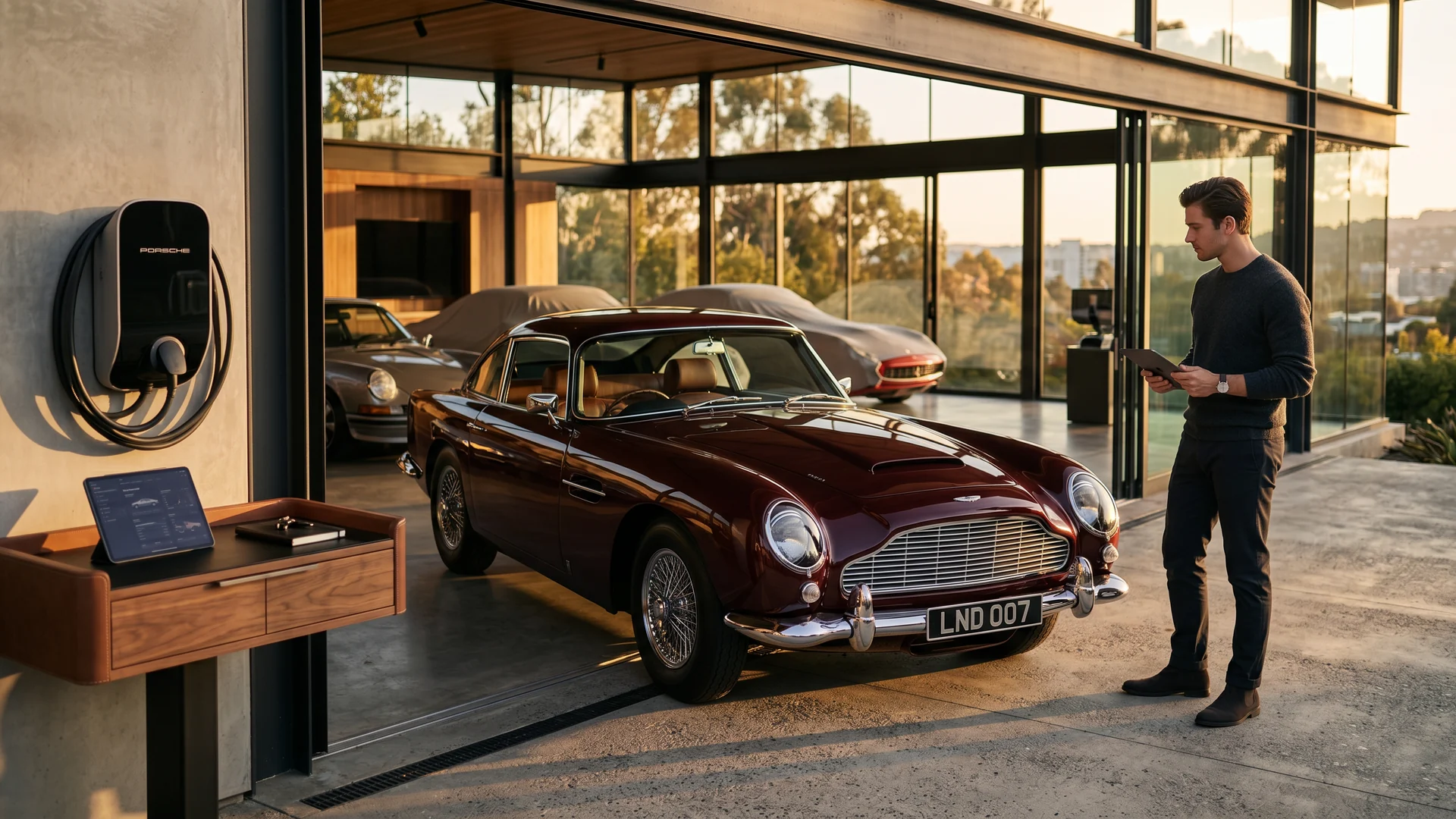
The Future of Classic Car Collecting: Trends Shaping the Next Generation
The future of classic car collecting: why 2035 ICE bans spare existing cars, plus e-fuels, shifting demographics, electromods and fractional ownership…
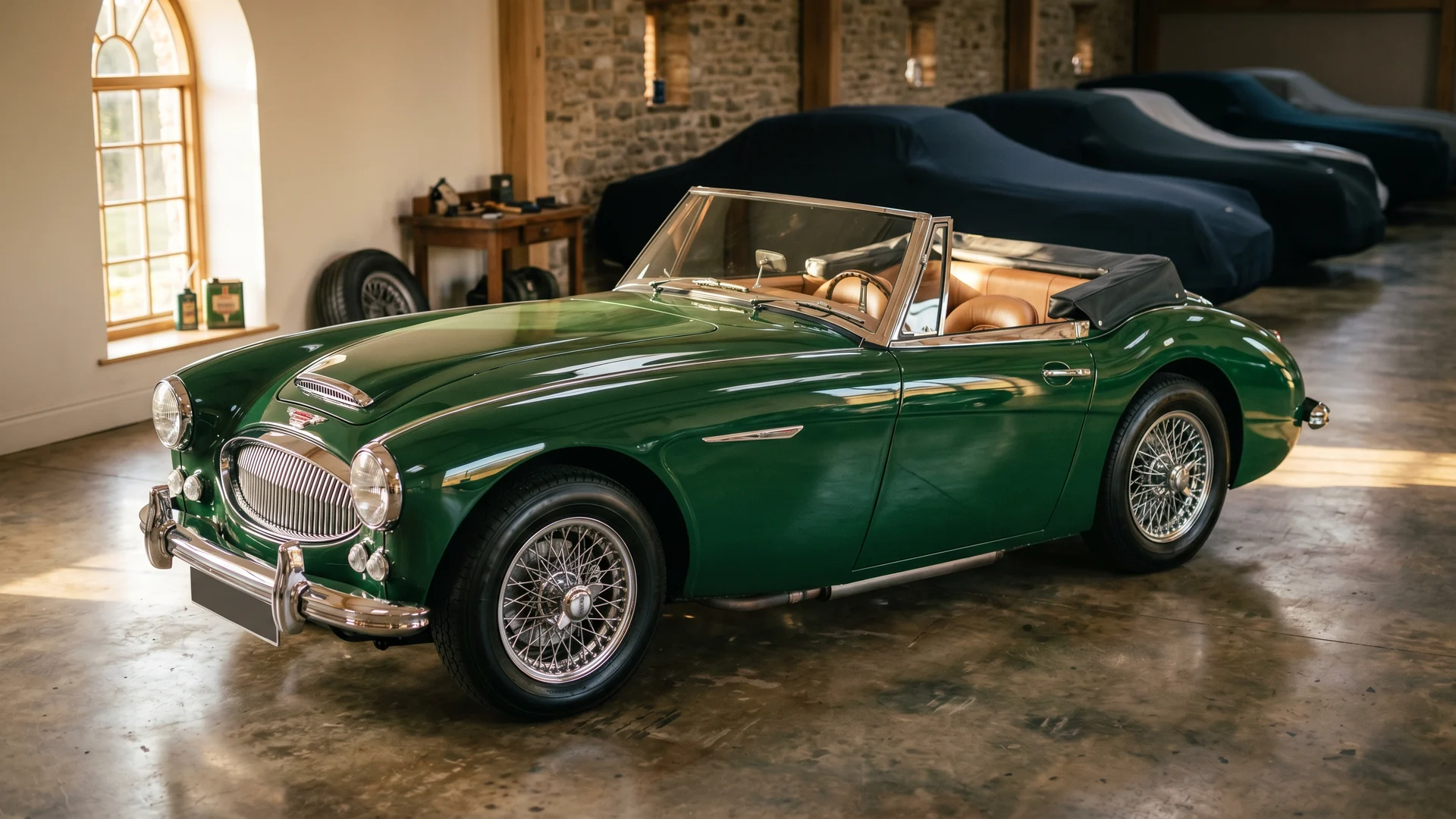
Classic Car Insurance Guide: Protecting Your Vintage Investment
Classic car insurance guide: why agreed-value policies beat stated and actual cash value, how Hagerty, Grundy and Chubb compare, plus costs and covera…
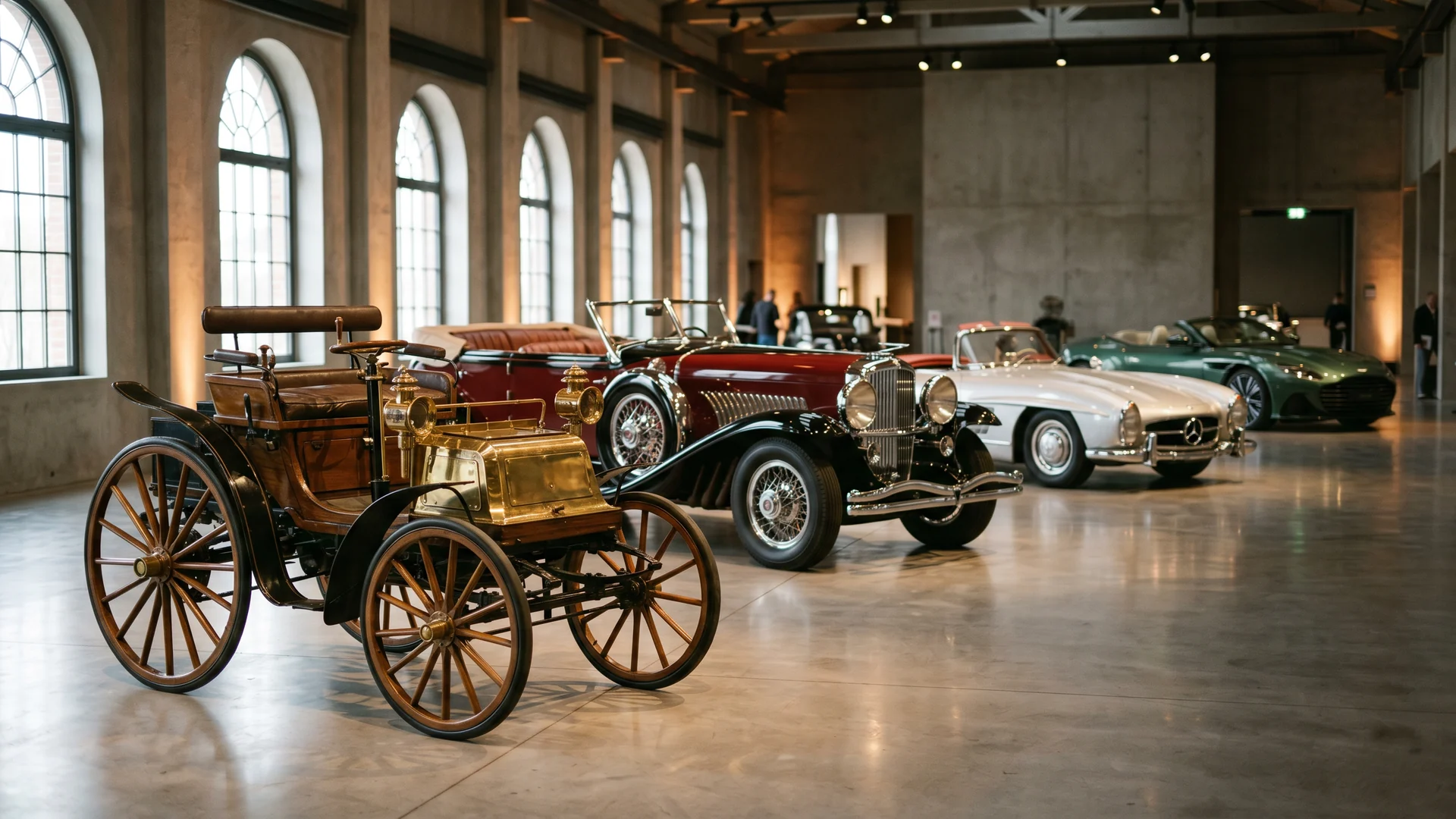
Classic Car History Timeline: From Benz to the Modern Collector Era
Classic car history timeline from the 1886 Benz Patent-Motorwagen through coachbuilding, muscle cars and supercars to modern collectibles. Discover th…