How Private Sales Decide the Fate of Iconic Oldtimers
Private sales constitute a significant segment of the classic car market, providing an alternative transaction method for collectors and automotive enthusiasts. These transactions …
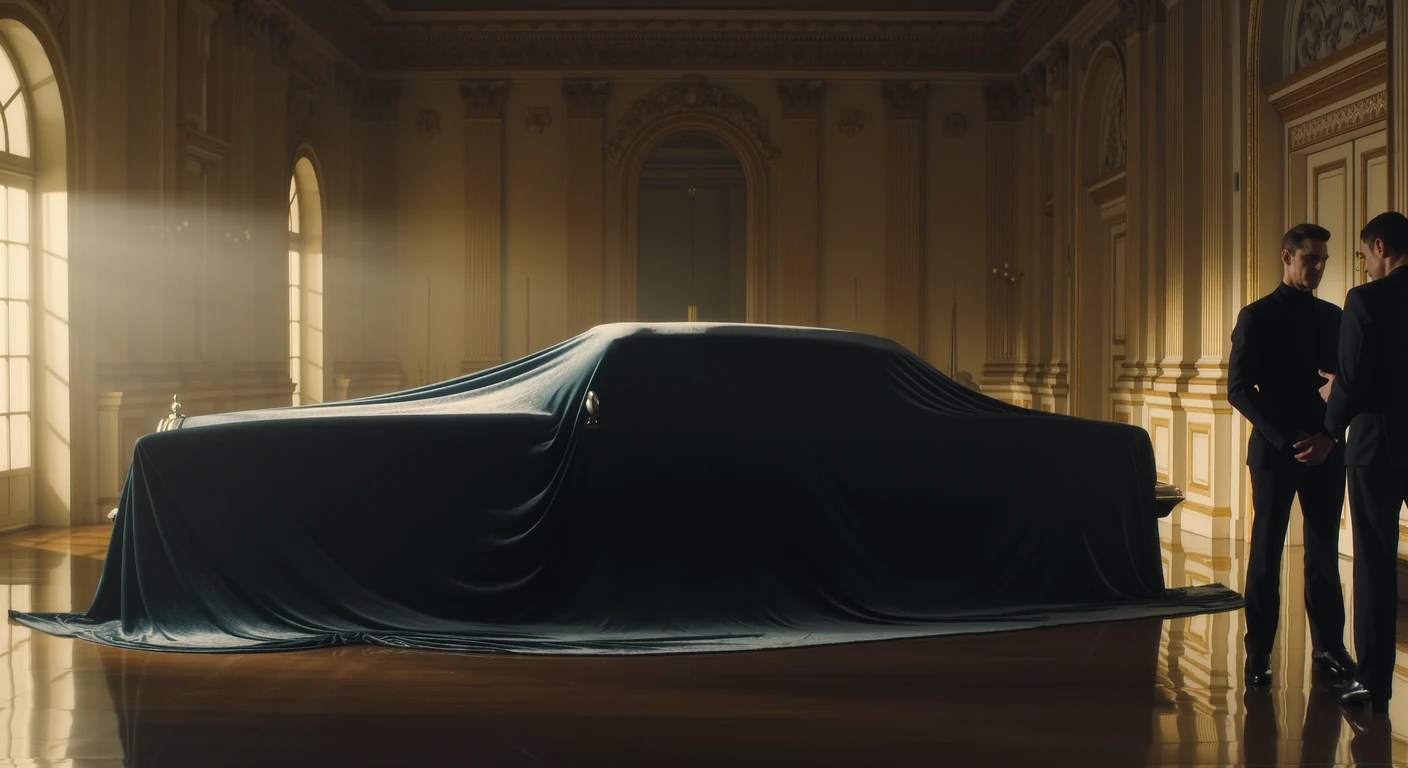
Private sales constitute a significant segment of the classic car market, providing an alternative transaction method for collectors and automotive enthusiasts. These transactions occur outside public auction venues and typically involve direct negotiations between buyers and sellers. Private sales allow for customized transaction terms and extended evaluation periods that may not be available through auction houses.
The classic car market values vehicle authenticity, documentation, and ownership history. Private sales facilitate detailed discussions about these factors, enabling buyers to conduct thorough inspections and verify provenance before purchase. This process is particularly important given that classic vehicles often require specialized knowledge to assess condition, originality, and market value accurately.
From a financial perspective, private sales can offer economic advantages to both parties. Sellers retain the full sale price without paying auction house commissions, which typically range from 10-15% of the final bid. Buyers may access vehicles that owners prefer not to expose to public auction, potentially finding rare or well-maintained examples at competitive prices.
Additionally, private sales eliminate the time constraints and competitive atmosphere inherent in auction environments. The private sale market operates through various channels, including specialized dealers, collector networks, classified advertisements, and online platforms dedicated to classic automobiles. As the classic car market continues to mature, private sales remain an important component of the overall ecosystem for vintage vehicle transactions.
Key Takeaways
- Private sales play a crucial role in the oldtimer market by facilitating discreet and personalized transactions.
- Factors such as rarity, historical significance, and condition heavily influence the fate and value of iconic oldtimers in private sales.
- Collector preferences and market trends significantly shape demand and pricing in private sales of classic cars.
- Auction houses act as important intermediaries, enhancing visibility and credibility in private sales of iconic oldtimers.
- Private sales contribute to preserving the legacy and shaping the future values of iconic oldtimers, often impacted by celebrity ownership and authenticity.
Factors Influencing the Fate of Iconic Oldtimers in Private Sales
Several factors influence the fate of iconic oldtimers during private sales, including market demand, vehicle condition, and historical significance. Market demand fluctuates based on trends, economic conditions, and collector preferences. For instance, certain models may experience a surge in popularity due to media exposure or celebrity ownership, driving up their value in private transactions.
Conversely, vehicles that fall out of favor may struggle to find buyers, impacting their sale price and overall desirability. Condition is another critical factor that can make or break a sale. A well-preserved oldtimer with original parts and minimal wear will attract more interest than one that has been poorly maintained or modified.
Buyers are often willing to pay a premium for vehicles that have been meticulously cared for, as they represent a sound investment. Additionally, the historical significance of a vehicle can greatly enhance its appeal. Cars with unique stories or limited production runs often command higher prices in private sales, as collectors seek to own a piece of automotive history.
The Role of Auction Houses in Private Sales of Iconic Oldtimers
Auction houses play a significant role in facilitating private sales of iconic oldtimers, acting as intermediaries that connect buyers and sellers. While they are primarily known for public auctions, many auction houses also offer private sale services tailored to high-value vehicles. This approach allows sellers to benefit from the auction house’s expertise in valuation and marketing while maintaining the confidentiality that private sales provide.
Additionally, auction houses often have established networks of collectors and enthusiasts, which can help sellers reach a broader audience. Their reputation and credibility can instill confidence in potential buyers, making them more likely to engage in a transaction. Furthermore, auction houses typically conduct thorough inspections and appraisals, ensuring that both parties are well-informed about the vehicle’s condition and value.
This transparency is crucial in building trust and facilitating successful private sales.
The Influence of Collector’s Preferences on the Fate of Iconic Oldtimers
Collector preferences significantly influence the fate of iconic oldtimers in private sales. Each collector has unique tastes and interests, which can shift over time due to various factors such as market trends or personal experiences. For instance, some collectors may focus on specific brands or eras, while others may prioritize rarity or performance.
Understanding these preferences is essential for sellers looking to position their vehicles effectively in the market. Moreover, collector communities often share insights and opinions that can shape demand for certain models. Social media platforms and online forums have made it easier for enthusiasts to connect and discuss their passions, leading to increased awareness of specific vehicles.
As a result, sellers who align their offerings with current collector interests are more likely to achieve successful private sales. By staying attuned to these preferences, sellers can enhance their chances of finding the right buyer for their iconic oldtimers.
The Impact of Rarity and Historical Significance on Private Sales of Iconic Oldtimers
Rarity and historical significance are two pivotal factors that can dramatically impact the success of private sales involving iconic oldtimers. Vehicles that are rare or have limited production runs often command higher prices due to their exclusivity. Collectors are drawn to these unique offerings as they represent not only an investment but also a chance to own something truly special.
The allure of rarity can create a sense of urgency among buyers, leading to quicker sales and potentially higher bids. Historical significance also plays a vital role in determining a vehicle’s value in private sales. Cars associated with notable events or figures often carry a premium due to their storied pasts.
For example, vehicles once owned by celebrities or used in significant historical moments can attract collectors eager to own a piece of that narrative. Sellers who can effectively communicate the rarity and historical context of their vehicles are more likely to engage interested buyers and achieve favorable sale outcomes.
The Role of Condition and Authenticity in Private Sales of Iconic Oldtimers
Condition and authenticity are paramount considerations in the private sale of iconic oldtimers. Buyers are increasingly discerning when it comes to assessing the quality of a vehicle before making a purchase. A well-maintained car with original parts is far more appealing than one that has undergone extensive modifications or repairs.
Sellers must be prepared to provide detailed documentation regarding the vehicle’s history, maintenance records, and any restoration work performed. Authenticity is equally important; collectors want assurance that they are purchasing genuine vehicles rather than replicas or fakes. This demand for authenticity has led many sellers to invest in professional appraisals and certifications that validate their vehicles’ originality.
By prioritizing condition and authenticity, sellers can build trust with potential buyers and enhance their chances of closing successful private sales.
The Influence of Market Trends on the Fate of Iconic Oldtimers in Private Sales
Market trends play a significant role in shaping the fate of iconic oldtimers during private sales. Economic conditions, consumer preferences, and technological advancements all contribute to fluctuations in demand for specific models. For instance, as electric vehicles gain popularity, classic cars may see shifts in desirability based on environmental concerns or changing tastes among younger collectors.
When certain models receive attention through films, television shows, or social media influencers, interest can surge overnight. Sellers who stay informed about these trends can strategically time their private sales to capitalize on heightened demand.
By understanding how market trends influence buyer behavior, sellers can position their iconic oldtimers more effectively for successful transactions.
The Role of Private Sales in Preserving the Legacy of Iconic Oldtimers
Private sales play an essential role in preserving the legacy of iconic oldtimers by ensuring that these vehicles remain within the hands of passionate collectors who appreciate their historical significance. When enthusiasts acquire these cars through private transactions, they are more likely to invest time and resources into maintaining and restoring them to their original glory. This commitment helps keep the stories and craftsmanship associated with these vehicles alive for future generations.
Moreover, private sales often foster a sense of community among collectors who share similar interests and values regarding automotive history. By connecting like-minded individuals through these transactions, private sales contribute to the ongoing appreciation and preservation of iconic oldtimers. As collectors pass down their vehicles or share them at events, they help cultivate an enduring legacy that honors the artistry and innovation behind these remarkable machines.
The Impact of Celebrity Ownership on Private Sales of Iconic Oldtimers
Celebrity ownership can significantly impact the desirability and value of iconic oldtimers during private sales. When a vehicle is associated with a well-known figure, be it an actor, musician, or athlete, it often garners heightened interest from collectors eager to own a piece of that celebrity’s story. This phenomenon can lead to increased demand and higher sale prices as buyers seek out vehicles with unique provenance.
Furthermore, celebrity endorsements can elevate a vehicle’s status within collector circles. When a famous individual publicly expresses admiration for a particular model or brand, it can spark renewed interest among enthusiasts who may not have previously considered it. Sellers who can highlight celebrity ownership or connections when marketing their vehicles are likely to attract more attention during private sales.
The Role of Private Sales in Shaping the Values of Iconic Oldtimers
Private sales play a crucial role in shaping the values assigned to iconic oldtimers within the collector community. As transactions occur between knowledgeable enthusiasts, they establish benchmarks for pricing based on condition, rarity, and historical significance. These benchmarks help inform future sales and create a more structured market environment where values are understood and respected.
Additionally, private sales allow collectors to share insights about their experiences with specific models or brands. This exchange of information contributes to an evolving understanding of what makes certain vehicles valuable or desirable within the community. As collectors engage in discussions about their purchases and experiences, they collectively shape the narrative surrounding iconic oldtimers, ultimately influencing how these vehicles are valued in future transactions.
The Future of Private Sales in the Oldtimer Market
The future of private sales in the oldtimer market appears promising as technology continues to reshape how collectors connect and transact. Online platforms dedicated to classic cars are gaining traction, allowing buyers and sellers to engage without geographical limitations.
Moreover, as younger generations become more involved in collecting oldtimers, we may see shifts in preferences that influence market dynamics. These new collectors may prioritize sustainability or seek out vehicles with unique stories that resonate with their values. As such trends emerge, private sales will need to adapt accordingly, ensuring that they remain relevant and appealing within an ever-evolving landscape.
In conclusion, private sales serve as an integral component of the oldtimer market by facilitating meaningful transactions between passionate collectors while preserving automotive history for future generations. By understanding the various factors influencing these sales, from rarity and condition to market trends, both buyers and sellers can navigate this unique landscape with confidence and success.
FAQs
What are private sales in the context of oldtimers?
Private sales refer to the direct transaction of classic or vintage cars between individuals or collectors, without involving public auctions or dealerships. These sales are typically negotiated privately and can significantly influence the ownership and preservation of iconic oldtimers.
Why do private sales matter for iconic oldtimers?
Private sales play a crucial role in determining the fate of iconic oldtimers because they often involve passionate collectors who are committed to preserving the vehicle’s history and condition. These transactions can affect the car’s future maintenance, restoration, and public accessibility.
How do private sales impact the value of classic cars?
The value of classic cars in private sales is influenced by factors such as rarity, condition, provenance, and market demand. Private sales can sometimes result in higher prices due to the exclusivity and negotiation flexibility, impacting the overall market value of iconic oldtimers.
Are private sales transparent in the classic car market?
Private sales are generally less transparent than public auctions because details of the transaction, including the sale price, are often confidential. This lack of transparency can make it challenging to track market trends and the true value of iconic oldtimers.
What role do collectors play in private sales of oldtimers?
Collectors are often the primary participants in private sales, as they seek to acquire or sell iconic oldtimers based on personal interest, investment potential, or preservation goals. Their decisions can influence the car’s care, restoration, and historical significance.
Can private sales affect the preservation of automotive heritage?
Yes, private sales can significantly affect the preservation of automotive heritage. When iconic oldtimers are sold to dedicated collectors or museums, they are more likely to be maintained and showcased. Conversely, sales to less committed owners may risk neglect or inappropriate modifications.
How do private sales differ from public auctions for oldtimers?
Private sales are negotiated directly between buyer and seller, often with confidentiality and flexibility in terms. Public auctions are open events where cars are sold to the highest bidder, with transparent bidding processes and published results. Each method has different implications for pricing and ownership transfer.
What should buyers consider when purchasing an oldtimer through a private sale?
Buyers should thoroughly inspect the vehicle, verify its provenance and documentation, assess its condition, and possibly consult experts. Due diligence is essential in private sales to avoid issues such as undisclosed damage, incorrect history, or legal complications.
Do private sales influence the classic car market trends?
Yes, private sales can influence market trends by setting benchmarks for pricing and demand. High-profile private transactions can increase interest and value in certain models, while frequent sales of similar cars can indicate market saturation or declining interest.
Is it common for iconic oldtimers to be sold privately rather than at auction?
Yes, many iconic oldtimers are sold privately because owners often prefer discretion, personalized negotiations, and the ability to select buyers who will care for the vehicle appropriately. Private sales can also avoid auction fees and public exposure.
More from Blog
The Future of Classic Car Collecting: Trends Shaping the Next Generation
The future of classic car collecting: why 2035 ICE bans spare existing cars, plus e-fuels, shifting demographics, electromods and fractional ownership…
Classic Car Insurance Guide: Protecting Your Vintage Investment
Classic car insurance guide: why agreed-value policies beat stated and actual cash value, how Hagerty, Grundy and Chubb compare, plus costs and covera…
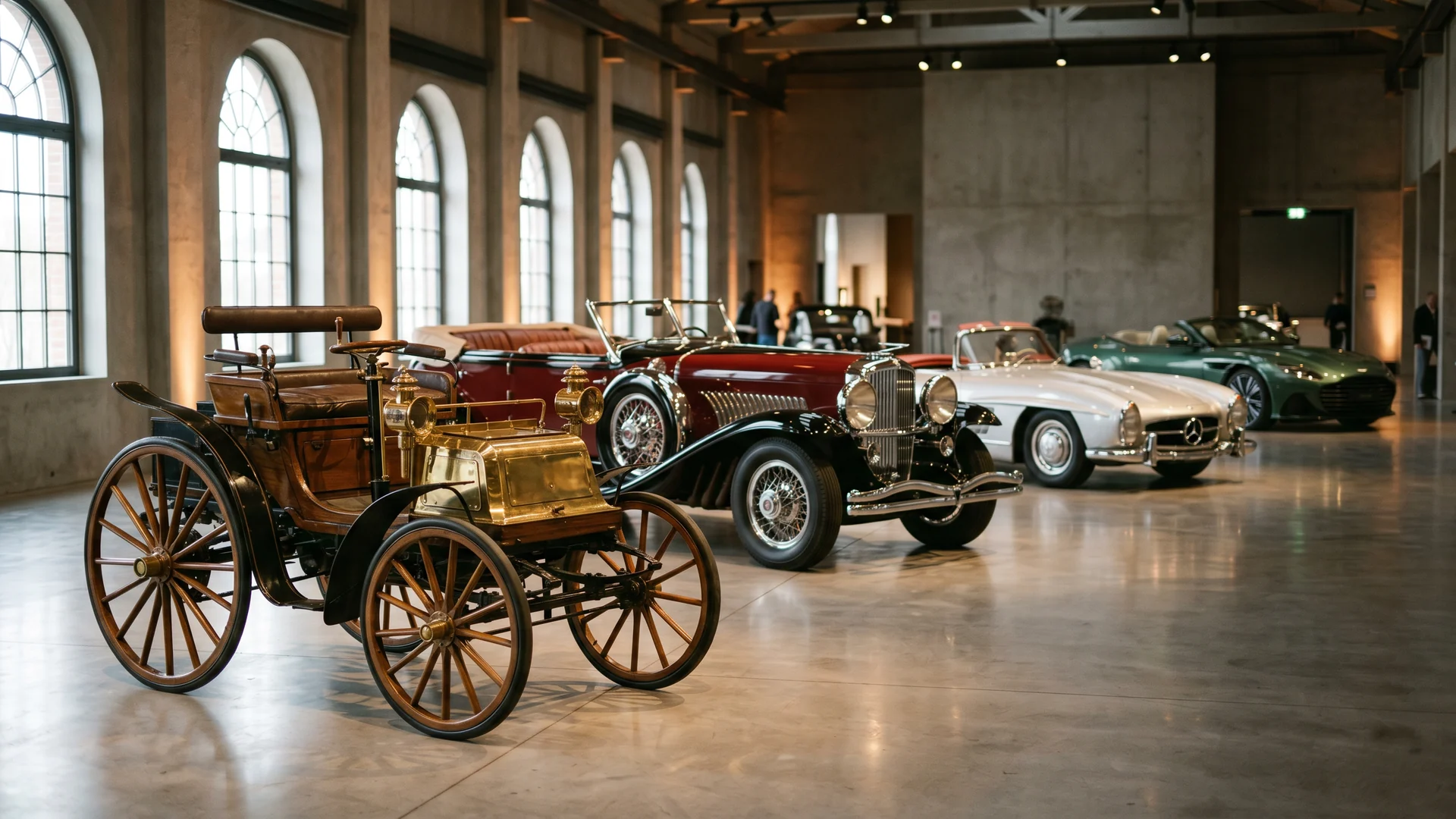
Classic Car History Timeline: From Benz to the Modern Collector Era
Classic car history timeline from the 1886 Benz Patent-Motorwagen through coachbuilding, muscle cars and supercars to modern collectibles. Discover th…