How Private Museums Are Reshaping the Oldtimer Market
In recent years, the oldtimer market has witnessed a remarkable surge in the establishment of private museums dedicated to classic automobiles. These museums, often curated by pass…
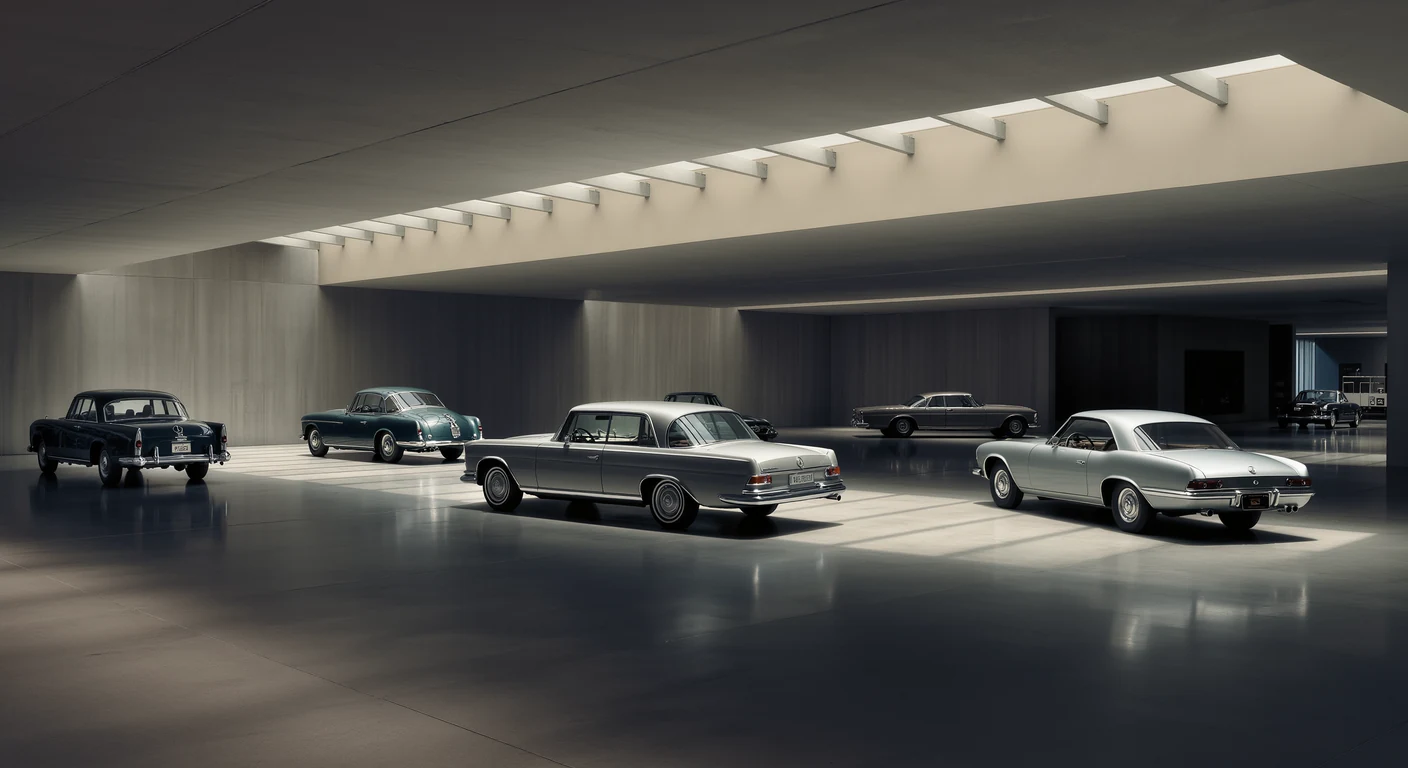
In recent years, the oldtimer market has witnessed a remarkable surge in the establishment of private museums dedicated to classic automobiles. These museums, often curated by passionate collectors, serve as a testament to the rich history and artistry of automotive engineering. Unlike traditional public museums, private collections offer a more personalized experience, allowing visitors to engage with the vehicles on a deeper level.
This rise can be attributed to several factors, including the growing interest in vintage cars, the desire for unique experiences, and the increasing value of classic automobiles as investment assets. The allure of private museums lies not only in their exclusive collections but also in the stories behind each vehicle. Collectors often curate their displays to reflect personal journeys, showcasing rare models and unique restorations.
This personal touch creates an intimate atmosphere that resonates with visitors, fostering a sense of connection to the automotive heritage. As more enthusiasts seek to share their passion, private museums are becoming essential hubs for oldtimer culture, bridging the gap between collectors and the public.
Key Takeaways
- Private museums are increasingly shaping the oldtimer market by preserving and showcasing classic vehicles.
- They play a crucial role in maintaining automotive history and influencing oldtimer prices.
- These museums offer unique exhibition venues and attract enthusiasts with exclusive collections.
- Owning a private oldtimer museum presents both challenges and opportunities for collectors.
- Private museums contribute significantly to education, restoration advancements, and cultural appreciation in the oldtimer community.
The Impact of Private Museums on Oldtimer Collecting
Private museums have significantly transformed the landscape of oldtimer collecting. They provide a platform for collectors to showcase their prized possessions while also educating the public about the history and significance of each vehicle. This visibility encourages more individuals to enter the world of classic car collecting, as they become inspired by the stories and craftsmanship displayed in these museums.
The impact is profound; as interest grows, so does the community surrounding oldtimers, leading to increased networking opportunities among collectors. Moreover, private museums often host events, workshops, and seminars that further engage enthusiasts and newcomers alike. These gatherings foster a sense of camaraderie among collectors and provide valuable insights into best practices for maintaining and restoring classic cars.
As a result, private museums not only enhance the collecting experience but also contribute to a more informed and passionate community dedicated to preserving automotive history.
The Role of Private Museums in Preserving Automotive History
Private museums play a crucial role in preserving automotive history by curating collections that highlight significant milestones in car manufacturing and design. Many collectors focus on specific eras or brands, ensuring that important vehicles are not lost to time. By showcasing these cars, private museums help educate visitors about the evolution of automotive technology and design philosophies.
This preservation effort is vital for future generations who may not have access to such knowledge through traditional educational channels. Additionally, private museums often collaborate with historians and automotive experts to ensure that their exhibits are accurate and informative. This partnership enhances the credibility of the museum and enriches the visitor experience.
By providing context and background information on each vehicle, private museums contribute to a deeper understanding of how these machines shaped society and culture over the decades.
How Private Museums Are Influencing Oldtimer Prices
The emergence of private museums has had a notable impact on oldtimer prices in the market. As these institutions gain recognition for their curated collections, they often set trends that influence demand for specific models or brands. When a rare vehicle is showcased in a well-respected private museum, it can lead to increased interest from collectors and investors alike, driving up its market value.
Furthermore, private museums often host auctions or sales events that attract serious buyers. These events can create competitive bidding environments that further inflate prices for sought-after vehicles.
As collectors become more aware of market trends influenced by private museums, they may adjust their purchasing strategies accordingly, leading to fluctuations in oldtimer values based on museum exhibitions and events.
The Appeal of Private Museums for Oldtimer Enthusiasts
For oldtimer enthusiasts, private museums offer an unparalleled experience that goes beyond mere observation. These venues provide an opportunity to connect with like-minded individuals who share a passion for classic cars. The intimate setting allows for meaningful conversations about restoration techniques, collecting strategies, and personal stories related to specific vehicles.
This sense of community is invaluable for enthusiasts seeking camaraderie in their shared interests. Additionally, many private museums offer interactive experiences that engage visitors on multiple levels. From guided tours led by knowledgeable curators to hands-on workshops focused on restoration skills, these experiences cater to both novice and seasoned collectors.
The appeal lies in the ability to learn directly from experts while surrounded by stunning examples of automotive history, making each visit memorable and enriching.
Private Museums as a New Venue for Oldtimer Exhibitions
Private museums have emerged as innovative venues for oldtimer exhibitions, providing unique opportunities for collectors to showcase their vehicles in a curated environment. Unlike traditional car shows that may focus on competition or awards, exhibitions in private museums emphasize storytelling and education. This approach allows visitors to appreciate the artistry and engineering behind each vehicle while learning about its historical significance.
Moreover, private museums often collaborate with automotive brands or restoration companies to host themed exhibitions that highlight specific aspects of automotive history. These partnerships can attract larger audiences and create buzz within the community, further solidifying the museum’s reputation as a premier destination for oldtimer enthusiasts. By offering diverse exhibition formats, private museums contribute to a dynamic landscape for showcasing classic cars.
The Challenges and Opportunities of Owning a Private Oldtimer Museum
Owning a private oldtimer museum comes with its own set of challenges and opportunities. One significant challenge is securing funding for maintenance and expansion efforts. Collectors must balance their passion for preserving automotive history with the financial realities of running a museum.
On the flip side, owning a private museum presents unique opportunities for personal fulfillment and community engagement. Collectors can share their passion with others while contributing to the preservation of automotive history.
Additionally, successful private museums can become profitable ventures through ticket sales, merchandise, and special events. By navigating challenges effectively, owners can create lasting legacies that benefit both themselves and future generations of automotive enthusiasts.
The Future of Private Museums in the Oldtimer Market
The future of private museums in the oldtimer market appears promising as interest in classic cars continues to grow. With advancements in technology and social media, collectors can now reach wider audiences than ever before. This increased visibility can lead to more visitors and potential partnerships with other organizations interested in promoting automotive history.
Moreover, as younger generations become more involved in car culture, private museums have an opportunity to adapt their offerings to cater to evolving interests. Incorporating modern technology into exhibits, such as virtual reality experiences or interactive displays, can attract tech-savvy visitors while enhancing educational value. By embracing innovation while staying true to their mission of preserving automotive history, private museums can thrive in an ever-changing landscape.
Private Museums and the Evolution of Oldtimer Restoration Techniques
Private museums are at the forefront of evolving restoration techniques within the oldtimer community. Many collectors are passionate about maintaining authenticity while also incorporating modern advancements in technology and materials. This balance between tradition and innovation is crucial for preserving the integrity of classic vehicles while ensuring they remain roadworthy.
Additionally, private museums often serve as educational platforms where restoration techniques can be shared among enthusiasts. Workshops led by experienced restorers provide valuable insights into best practices for maintaining vintage cars. As these techniques evolve over time, private museums play an essential role in disseminating knowledge that helps preserve automotive heritage for future generations.
The Educational Role of Private Museums in Oldtimer Appreciation
Private museums serve an important educational role in fostering appreciation for oldtimers among visitors of all ages. Through carefully curated exhibits that highlight key historical moments in automotive development, these institutions provide context that enhances understanding and appreciation for classic cars. Educational programs tailored for schools or community groups can further engage younger audiences, instilling a sense of curiosity about automotive history.
Moreover, many private museums offer guided tours led by knowledgeable staff who share fascinating stories about each vehicle’s significance. This interactive approach encourages visitors to ask questions and delve deeper into topics related to automotive engineering and design. By prioritizing education alongside preservation efforts, private museums contribute significantly to cultivating a culture of appreciation for oldtimers.
The Cultural Impact of Private Museums on the Oldtimer Community
The cultural impact of private museums on the oldtimer community cannot be overstated. These institutions serve as gathering places where enthusiasts can connect over shared interests while celebrating their passion for classic cars. By hosting events such as car shows or themed exhibitions, private museums foster a sense of belonging within the community.
Furthermore, private museums often collaborate with local organizations or charities to promote automotive culture beyond their walls. This outreach helps raise awareness about the importance of preserving automotive history while also supporting local initiatives. As cultural hubs within their communities, private museums play an essential role in shaping perceptions around oldtimers and ensuring that this rich heritage continues to thrive for generations to come.
In conclusion, private museums have become integral players in the oldtimer market by preserving automotive history, influencing prices, and fostering community engagement among enthusiasts. Their unique appeal lies in personalized experiences that connect visitors with classic cars on multiple levels, educationally, socially, and culturally. As these institutions continue to evolve alongside changing interests within car culture, they will undoubtedly shape the future landscape of oldtimer appreciation and preservation.
FAQs
What is a private museum in the context of oldtimers?
A private museum is a collection of vintage or classic cars, often owned and curated by an individual or a private entity, rather than a public institution. These museums showcase oldtimers, historical or classic automobiles, and are typically not open to the general public or operate on a limited-access basis.
How are private museums influencing the oldtimer market?
Private museums influence the oldtimer market by preserving rare and valuable vehicles, increasing their visibility, and often enhancing their provenance. This can raise the market value of certain models and stimulate interest among collectors and enthusiasts.
Do private museums affect the availability of oldtimers for sale?
Yes, private museums can reduce the availability of certain oldtimers on the market because vehicles in these collections are often kept off the market for extended periods. This scarcity can drive up prices for similar models available for purchase.
Can private museums impact the authenticity and restoration standards of oldtimers?
Private museums often maintain high standards for authenticity and restoration, which can set benchmarks for the market. Their meticulous care and documentation can influence restoration practices and increase the desirability of well-preserved or accurately restored vehicles.
Are private museums accessible to the public?
Access to private museums varies. Some are open to the public by appointment or during special events, while others remain exclusive to owners, members, or invited guests.
What role do private museums play in educating the public about automotive history?
Private museums contribute to education by preserving automotive heritage and sometimes hosting exhibitions, events, or collaborations with public institutions. They help raise awareness about the historical significance of oldtimers and automotive culture.
How do private museums acquire their oldtimer collections?
Private museums acquire oldtimers through purchases at auctions, private sales, donations, or by restoring vehicles themselves. Collectors often seek rare or historically significant models to enhance their collections.
Do private museums collaborate with public museums or institutions?
Some private museums collaborate with public museums, car clubs, or cultural institutions for exhibitions, research, and events, fostering a broader appreciation of automotive history.
What impact do private museums have on oldtimer investment trends?
By showcasing rare and well-maintained vehicles, private museums can influence investment trends by highlighting certain models or marques as desirable, potentially increasing their market value and attracting new collectors.
Are private museums a recent phenomenon in the oldtimer market?
While private collections have existed for decades, the trend of establishing formal private museums dedicated to oldtimers has grown in recent years, reflecting increased interest in automotive heritage and investment potential.
More from Blog
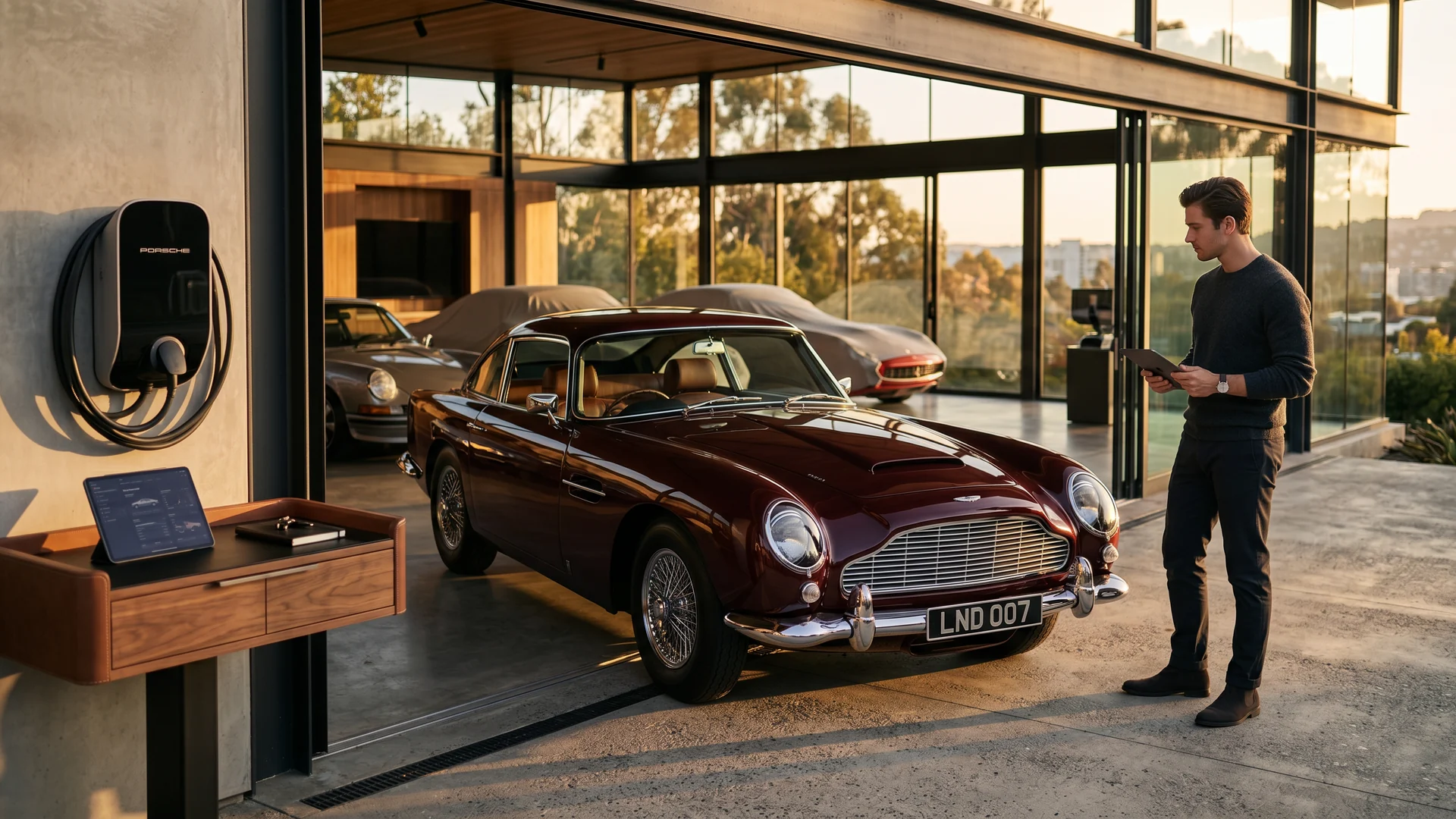
The Future of Classic Car Collecting: Trends Shaping the Next Generation
The future of classic car collecting: why 2035 ICE bans spare existing cars, plus e-fuels, shifting demographics, electromods and fractional ownership…
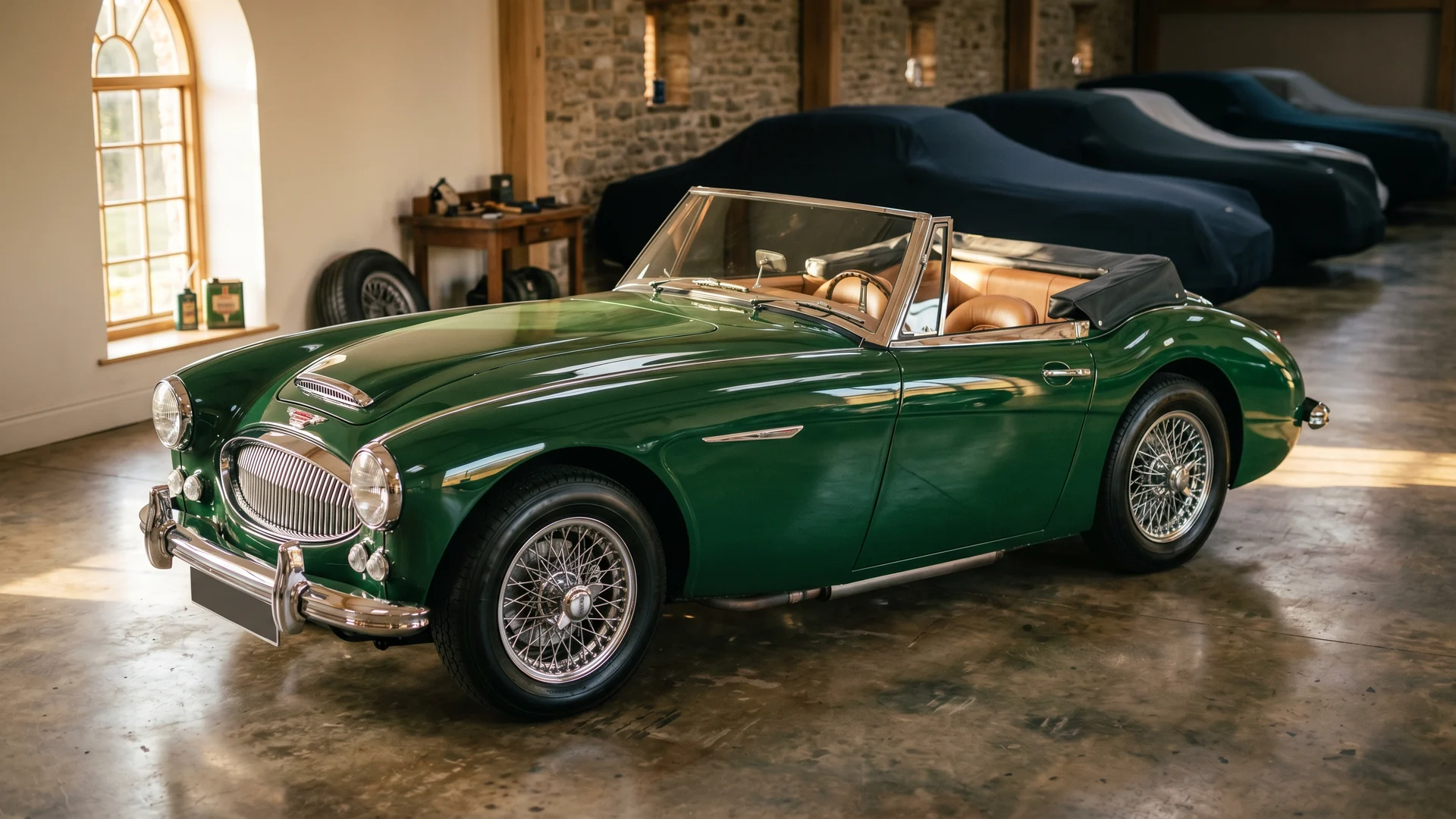
Classic Car Insurance Guide: Protecting Your Vintage Investment
Classic car insurance guide: why agreed-value policies beat stated and actual cash value, how Hagerty, Grundy and Chubb compare, plus costs and covera…
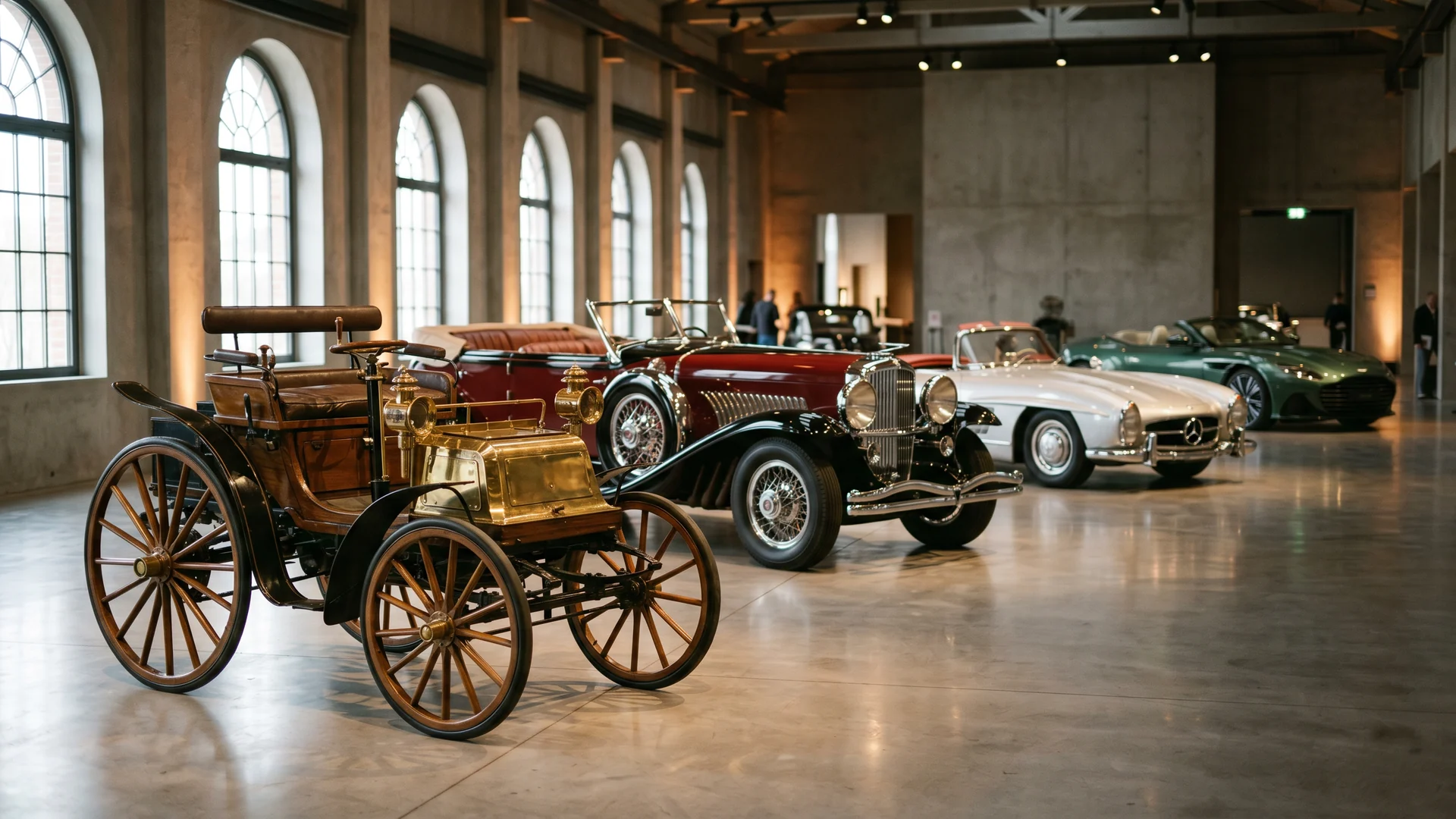
Classic Car History Timeline: From Benz to the Modern Collector Era
Classic car history timeline from the 1886 Benz Patent-Motorwagen through coachbuilding, muscle cars and supercars to modern collectibles. Discover th…