How Oldtimer Storage Became a Billion-Dollar Industry
Vintage car collecting has experienced significant growth in recent years, attracting both hobbyists and investors. This increase stems from heightened interest in classic automobi…

Vintage car collecting has experienced significant growth in recent years, attracting both hobbyists and investors. This increase stems from heightened interest in classic automobiles, which represent historical craftsmanship and automotive heritage. Collectors pursue these vehicles as historical artifacts that demonstrate technological advancement and design evolution.
Vintage cars appeal to enthusiasts due to their distinctive styling, mechanical engineering, and cultural significance. Recognition of their historical and monetary value has contributed to market expansion and increased focus on vehicle preservation and storage solutions. The growth of vintage car collecting has been accelerated by digital platforms and social media networks that enable enthusiasts to communicate, display collections, and share expertise.
Online auctions and automotive events have broadened market accessibility, expanding the collector base. These digital channels have established networks where collectors exchange technical knowledge, maintenance advice, and facilitate vehicle transactions. Market expansion has generated demand for specialized services, particularly professional storage facilities designed for classic automobiles.
Key Takeaways
- Vintage car collecting has surged in popularity, increasing the need for specialized storage solutions.
- Modern oldtimer storage facilities now incorporate advanced technology to ensure optimal preservation.
- Celebrity endorsements have significantly boosted the visibility and demand for premium oldtimer storage.
- Environmental concerns are shaping the development of more sustainable oldtimer storage practices.
- The luxury market for oldtimer storage is expanding globally, reflecting the high value placed on classic cars.
The Growing Demand for Oldtimer Storage
As the vintage car collecting community expands, so does the demand for oldtimer storage solutions. Collectors are increasingly aware that proper storage is crucial for maintaining the value and condition of their vehicles. Oldtimers require specific environmental conditions to prevent deterioration, such as controlled temperature and humidity levels.
This growing awareness has led to a surge in demand for dedicated storage facilities that cater specifically to vintage cars. Moreover, many collectors face space constraints at home or lack the necessary facilities to store their vehicles safely. This has prompted a shift towards professional storage options that offer security, climate control, and specialized care.
The need for oldtimer storage is not just about protecting an investment; it’s about preserving a passion for automotive history. As more collectors seek out these services, the oldtimer storage industry is evolving to meet their needs.
The Evolution of Oldtimer Storage Facilities
Oldtimer storage facilities have evolved significantly over the years to accommodate the unique requirements of vintage car collectors. Initially, many collectors relied on basic garages or makeshift storage solutions that often lacked proper climate control and security measures. However, as the demand for specialized storage grew, so did the sophistication of these facilities.
Today’s oldtimer storage options include climate-controlled environments designed to protect vehicles from extreme temperatures and humidity fluctuations. Modern facilities often feature advanced security systems, including surveillance cameras, gated access, and alarm systems to ensure the safety of stored vehicles. Additionally, many storage providers offer services such as regular maintenance checks and detailing to keep cars in pristine condition.
This evolution reflects a broader understanding of the importance of preserving vintage cars not just as investments but as cherished pieces of automotive art.
The Role of Technology in Oldtimer Storage
Technology plays a pivotal role in enhancing oldtimer storage solutions. From climate control systems that monitor temperature and humidity levels to advanced security measures that protect against theft, technology has transformed how vintage cars are stored. Many facilities now utilize smart technology that allows owners to monitor their vehicles remotely through mobile apps.
This level of connectivity provides peace of mind for collectors who want to ensure their investments are safe and well-maintained. Furthermore, technology has improved inventory management within storage facilities. Digital tracking systems allow operators to keep detailed records of each vehicle’s condition and maintenance history.
This data-driven approach not only enhances security but also helps collectors make informed decisions about their cars. As technology continues to advance, it will undoubtedly play an even more significant role in the future of oldtimer storage.
The Economics of Oldtimer Storage
The economics of oldtimer storage are influenced by various factors, including location, facility features, and market demand. Collectors must weigh the costs associated with professional storage against the potential value appreciation of their vehicles. While some may view storage fees as an added expense, many experts argue that investing in quality storage can significantly enhance a vehicle’s resale value.
Additionally, the rise in popularity of vintage cars has led to increased competition among storage providers. This competition often results in better services and pricing options for collectors. Many facilities offer tiered pricing based on the level of service provided, allowing collectors to choose a plan that fits their budget while still ensuring their vehicles receive the care they deserve.
The Impact of Celebrity Endorsements on Oldtimer Storage
Celebrity endorsements have a profound impact on various industries, and oldtimer storage is no exception. When high-profile figures publicly share their passion for vintage cars or endorse specific storage facilities, it can significantly influence public perception and demand. Celebrities often have large followings on social media platforms, where they can showcase their collections and promote the importance of proper vehicle care.
This visibility can lead to increased interest in vintage car collecting and subsequently drive demand for specialized storage solutions. As more people aspire to emulate their favorite celebrities’ lifestyles, they may seek out oldtimer storage options to protect their own investments. The intersection of celebrity culture and vintage car collecting highlights how influential figures can shape market trends and consumer behavior.
The Future of Oldtimer Storage
The future of oldtimer storage looks promising as the vintage car market continues to grow. With advancements in technology and an increasing number of collectors entering the scene, storage facilities will likely evolve further to meet changing demands. We can expect to see more innovative solutions that incorporate smart technology for monitoring and maintenance.
Additionally, as environmental concerns become more prominent, sustainable practices may be integrated into oldtimer storage facilities. This could include energy-efficient climate control systems or eco-friendly building materials. The future will likely see a blend of tradition and innovation as collectors seek both quality care for their vehicles and environmentally responsible options.
The Global Reach of Oldtimer Storage
Oldtimer storage is not limited to one region; it has a global reach that reflects the universal appeal of vintage cars. Collectors from various countries are investing in classic automobiles, leading to a demand for specialized storage solutions worldwide. This globalization has resulted in a diverse range of facilities catering to different markets, each offering unique services tailored to local preferences.
As international travel becomes more accessible, collectors may seek out storage options in different countries when acquiring vehicles abroad. This trend highlights the importance of understanding local regulations and customs related to vehicle ownership and storage. The global nature of oldtimer storage underscores its significance as a thriving industry that transcends borders.
The Environmental Considerations of Oldtimer Storage
Environmental considerations are becoming increasingly important in all industries, including oldtimer storage. Collectors are becoming more aware of their ecological footprint and are seeking sustainable practices in how they store their vehicles. Facilities that prioritize eco-friendly operations, such as using renewable energy sources or implementing water conservation measures, are likely to attract environmentally conscious clients.
This shift could lead to innovations in how vehicles are stored and maintained while minimizing harm to the environment. By embracing sustainability, the oldtimer storage industry can align itself with broader societal goals while appealing to a growing demographic of eco-aware collectors.
The Challenges of Oldtimer Storage
Despite its growth, oldtimer storage presents several challenges that both collectors and facility operators must navigate. One significant challenge is ensuring consistent climate control within storage units. Fluctuations in temperature or humidity can lead to damage over time, making it essential for facilities to invest in reliable systems and regular maintenance checks.
Another challenge is security; vintage cars are often targets for theft due to their high value. Storage facilities must implement robust security measures to protect against potential threats while also providing easy access for owners when needed. Balancing security with convenience can be tricky but is crucial for maintaining trust with clients.
The Luxury Market for Oldtimer Storage
The luxury market for oldtimer storage is expanding as affluent collectors seek premium services for their prized possessions. High-end facilities offer exclusive features such as personalized service, concierge-level care, and bespoke climate control tailored to individual vehicle needs. These luxury options cater to collectors who view their vintage cars not just as investments but as integral parts of their lifestyle.
Additionally, luxury oldtimer storage facilities often provide additional amenities such as detailing services, restoration workshops, and even social events for collectors to network with like-minded individuals. This focus on exclusivity enhances the overall experience for clients while reinforcing the status associated with owning vintage cars. As this segment continues to grow, it will likely shape the future landscape of oldtimer storage services.
From technological advancements to environmental considerations, various factors influence how these vehicles are stored and maintained. As collectors continue to seek out specialized services that cater to their unique needs, the industry will adapt accordingly, ensuring that these cherished pieces of automotive history are preserved for generations to come.
FAQs
What is oldtimer storage?
Oldtimer storage refers to the specialized service of securely storing classic and vintage cars, often known as “oldtimers,” to protect them from damage, theft, and environmental factors.
Why has oldtimer storage become a billion-dollar industry?
The industry has grown due to the increasing value and popularity of classic cars, the need for secure and climate-controlled storage, and the rising number of collectors and enthusiasts willing to invest in preserving their vehicles.
What types of facilities are used for oldtimer storage?
Facilities typically include climate-controlled garages, secure warehouses, and specialized storage units designed to maintain optimal temperature and humidity levels to prevent deterioration of classic cars.
Who are the main customers of oldtimer storage services?
Customers include private collectors, car enthusiasts, museums, dealerships, and investors who own valuable classic and vintage automobiles.
What features are important in oldtimer storage?
Key features include security systems, climate control, regular maintenance services, insurance options, and easy access for owners to view or retrieve their vehicles.
How does oldtimer storage protect the value of classic cars?
Proper storage prevents damage from weather, dust, pests, and theft, helping to maintain the car’s condition and market value over time.
Are there additional services offered by oldtimer storage providers?
Yes, many providers offer maintenance, detailing, transportation, and restoration services to keep classic cars in optimal condition.
Is oldtimer storage expensive?
Costs vary depending on location, facility quality, and services offered, but it can be a significant investment reflecting the value of the vehicles stored.
How has technology impacted the oldtimer storage industry?
Advancements in security systems, climate control, and monitoring technology have improved the safety and preservation of stored vehicles, contributing to industry growth.
Can oldtimer storage be used for other types of vehicles?
While primarily focused on classic cars, some storage facilities also accommodate motorcycles, vintage trucks, and other collectible vehicles.
More from Blog

The Future of Classic Car Collecting: Trends Shaping the Next Generation
The future of classic car collecting: why 2035 ICE bans spare existing cars, plus e-fuels, shifting demographics, electromods and fractional ownership…

Classic Car Insurance Guide: Protecting Your Vintage Investment
Classic car insurance guide: why agreed-value policies beat stated and actual cash value, how Hagerty, Grundy and Chubb compare, plus costs and covera…
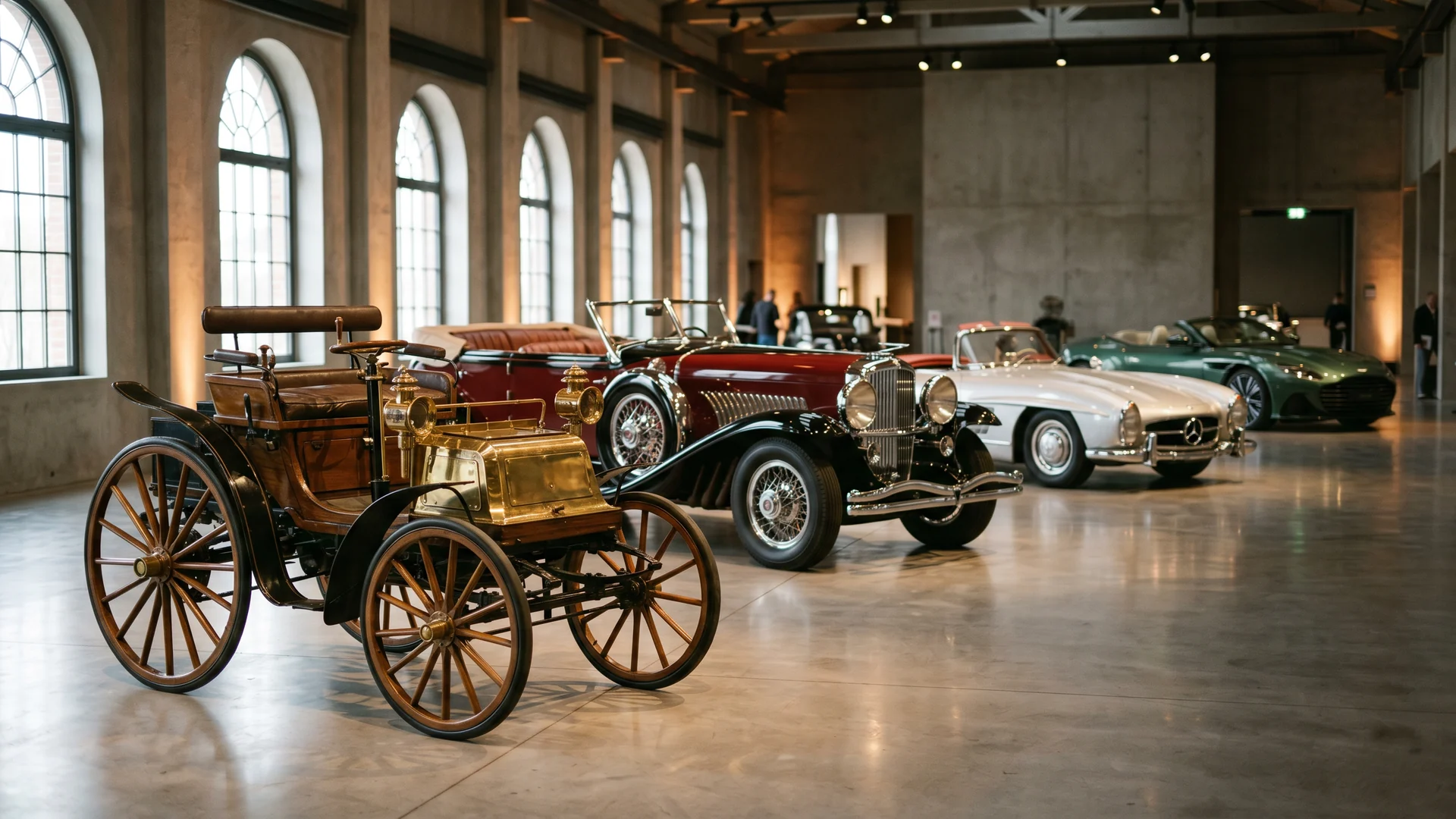
Classic Car History Timeline: From Benz to the Modern Collector Era
Classic car history timeline from the 1886 Benz Patent-Motorwagen through coachbuilding, muscle cars and supercars to modern collectibles. Discover th…