How Oldtimer Ownership Became a Measure of Credibility
In recent years, the culture surrounding oldtimers, or vintage cars, has experienced a significant resurgence. This revival is not merely a trend; it reflects a deeper appreciation…
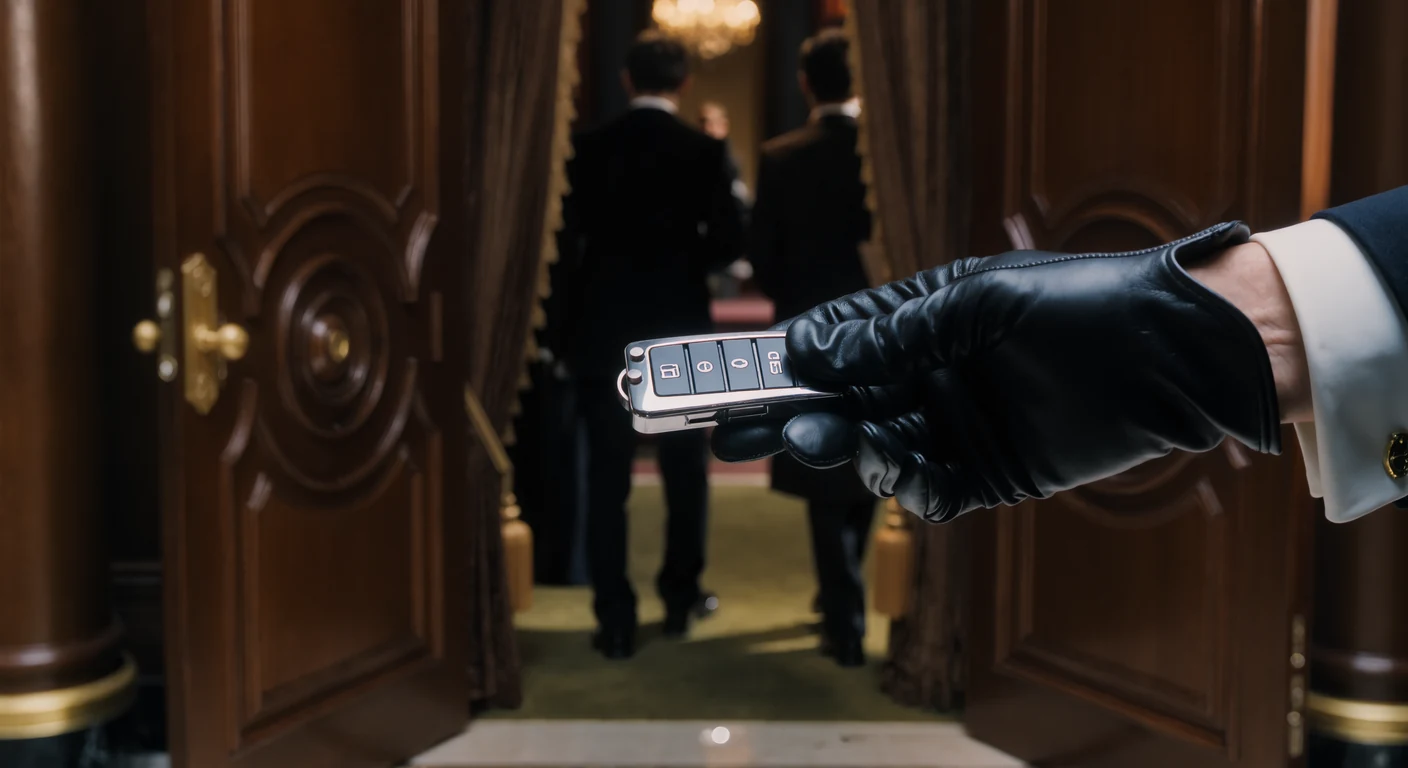
In recent years, the culture surrounding oldtimers, or vintage cars, has experienced a significant resurgence. This revival is not merely a trend; it reflects a deeper appreciation for craftsmanship, history, and nostalgia. Enthusiasts are drawn to the unique aesthetics and engineering of classic vehicles, which stand in stark contrast to the mass-produced cars of today.
The rise of social media has also played a pivotal role in this cultural shift, allowing enthusiasts to share their passion and connect with like-minded individuals across the globe. Moreover, vintage car shows and auctions have become popular events, attracting crowds eager to witness these automotive masterpieces. The allure of oldtimers lies not only in their beauty but also in the stories they tell.
Each vehicle carries a piece of history, evoking memories of a bygone era. As more people seek to escape the fast-paced modern world, the oldtimer culture offers a nostalgic refuge that celebrates the artistry and innovation of the past.
Key Takeaways
- Oldtimer ownership has evolved into a significant status symbol reflecting personal values and heritage.
- Vintage cars enhance credibility and influence perceptions of success in both social and business contexts.
- Owning an oldtimer plays a key role in personal branding and establishing social connections.
- Emotional and psychological benefits are closely tied to the experience of owning and preserving classic cars.
- The future of oldtimer ownership is poised to remain a meaningful measure of credibility and identity.
Oldtimer Ownership as a Status Symbol
Owning an oldtimer has evolved into a powerful status symbol in contemporary society. The rarity and exclusivity of vintage cars often translate into high market values, making them coveted possessions among affluent individuals. This ownership signifies not just wealth but also a refined taste and appreciation for history.
Furthermore, the prestige associated with oldtimer ownership extends beyond mere aesthetics. It reflects a lifestyle choice that values authenticity over mass production.
For many, owning a vintage car is a statement of individuality and sophistication. As such, it becomes a conversation starter and a way to forge connections with others who share similar interests in automotive history and design.
The Influence of Vintage Cars on Credibility
The presence of an oldtimer can significantly enhance an individual’s credibility in various contexts. In professional settings, driving a classic car can convey reliability and stability, traits that are often associated with successful individuals. This perception can be particularly beneficial for entrepreneurs and business leaders who wish to establish trust with clients and partners.
A vintage car serves as a visual representation of one’s achievements and dedication to quality. Moreover, the meticulous care required to maintain an oldtimer speaks volumes about an owner’s character. It demonstrates patience, attention to detail, and a commitment to preserving history.
These qualities can translate into professional credibility, as they suggest that the individual applies the same level of care and dedication to their work. In this way, vintage cars become more than just vehicles; they are tools for building trust and respect in both personal and professional realms.
Oldtimer Ownership in the Business World
In the business world, oldtimer ownership can serve as a strategic advantage. Many entrepreneurs leverage their vintage cars as part of their branding strategy, using them to create memorable impressions during client meetings or networking events. The unique appeal of classic cars can help differentiate a business from its competitors, making it more memorable in the minds of potential clients.
Additionally, owning an oldtimer can foster connections with other business leaders who share similar interests. This common ground can lead to valuable partnerships and collaborations. In industries where relationships are paramount, the ability to bond over a shared passion for vintage cars can open doors that might otherwise remain closed.
Thus, oldtimer ownership becomes not just a personal hobby but a strategic asset in the competitive business landscape.
The Role of Oldtimer Ownership in Social Circles
Oldtimer ownership plays a significant role in shaping social circles and fostering community among enthusiasts. Car clubs and vintage car events provide opportunities for individuals to connect over their shared passion for classic vehicles. These gatherings often create lasting friendships and networks that extend beyond automotive interests, enriching participants’ social lives.
Moreover, the camaraderie found within these communities often leads to collaborative projects, such as restoration efforts or charity events centered around vintage cars. This sense of belonging can be particularly appealing in today’s fast-paced world, where genuine connections are increasingly rare. By participating in oldtimer culture, individuals not only indulge their passion but also cultivate meaningful relationships that enhance their social experiences.
Oldtimer Ownership and Personal Branding
In an age where personal branding is crucial for success, oldtimer ownership can serve as a powerful tool for self-expression. A vintage car can reflect an individual’s personality, values, and interests, allowing them to craft a unique identity that resonates with others. For many enthusiasts, their choice of vehicle is an extension of themselves, a statement about who they are and what they stand for.
Furthermore, the stories behind each classic car can add depth to an individual’s personal brand. Sharing anecdotes about restoration projects or memorable road trips can engage audiences and create connections based on shared experiences. In this way, oldtimer ownership becomes more than just a hobby; it transforms into a narrative that enhances one’s personal brand and fosters engagement with others.
The Impact of Oldtimer Ownership on Perceived Success
The ownership of an oldtimer often correlates with perceived success in society. Classic cars are frequently associated with wealth and accomplishment, leading others to view their owners through a lens of admiration and respect. This perception can be particularly advantageous in professional settings where first impressions matter significantly.
Moreover, vintage cars symbolize a commitment to quality and craftsmanship, traits that are highly valued in many industries. As such, owning an oldtimer can enhance one’s reputation as someone who appreciates excellence and has achieved a certain level of success. This perception can open doors to new opportunities and elevate one’s standing within both personal and professional networks.
How Oldtimer Ownership Reflects Personal Values
Owning an oldtimer often reflects an individual’s personal values and priorities. Many enthusiasts are drawn to vintage cars because they appreciate the craftsmanship and attention to detail that went into their creation. This appreciation for quality over quantity aligns with values such as sustainability and authenticity, qualities that resonate deeply in today’s consumer landscape.
Additionally, oldtimer ownership often signifies a commitment to preserving history and heritage. Many owners take pride in maintaining their vehicles in pristine condition, ensuring that future generations can appreciate these automotive masterpieces. This dedication reflects a broader value system that prioritizes legacy and stewardship over fleeting trends.
Oldtimer Ownership and the Connection to Heritage
For many enthusiasts, owning an oldtimer is about more than just possessing a vehicle; it is about connecting with heritage and history. Vintage cars often evoke memories of family road trips or significant moments from the past, creating emotional ties that transcend generations. This connection to heritage fosters a sense of belonging and continuity that is increasingly important in today’s rapidly changing world.
Moreover, many owners actively participate in preserving automotive history by restoring classic cars or sharing knowledge with others in the community. This commitment not only honors the legacy of these vehicles but also ensures that future generations can appreciate their significance. In this way, oldtimer ownership becomes a means of celebrating heritage while fostering connections within communities.
The Emotional and Psychological Effects of Oldtimer Ownership
The emotional impact of owning an oldtimer can be profound. For many enthusiasts, these vehicles represent freedom, adventure, and nostalgia, feelings that are often associated with cherished memories from childhood or significant life events. Driving a vintage car can evoke feelings of joy and excitement that transcend everyday experiences.
Engaging in hands-on work allows owners to channel their creativity while developing skills that foster a sense of accomplishment. This emotional connection to their vehicles often leads to increased satisfaction and fulfillment in life overall.
The Future of Oldtimer Ownership as a Measure of Credibility
As society continues to evolve, the significance of oldtimer ownership as a measure of credibility is likely to endure. The appreciation for craftsmanship and history will remain relevant as consumers increasingly seek authenticity in their choices. Vintage cars will continue to symbolize success, individuality, and commitment to quality, traits that resonate across generations.
Moreover, as new technologies emerge within the automotive industry, classic cars will stand as reminders of the artistry that once defined vehicle design. The future may see even greater interest in preserving these vehicles as symbols of heritage and craftsmanship. Ultimately, oldtimer ownership will continue to play an essential role in shaping perceptions of credibility while fostering connections among enthusiasts who share a passion for these timeless machines.
FAQs
What is an oldtimer in the context of vehicle ownership?
An oldtimer refers to a classic or vintage car that is typically at least 25 to 30 years old and is preserved or restored to maintain its original condition. These vehicles are often considered collectible and hold historical significance.
Why has owning an oldtimer become a measure of credibility?
Owning an oldtimer has become a measure of credibility because it demonstrates a person’s appreciation for automotive history, commitment to preservation, and often a level of expertise in maintaining and restoring classic vehicles. It can also reflect social status and a connection to cultural heritage.
What factors contribute to the value of an oldtimer?
The value of an oldtimer depends on factors such as its rarity, condition, originality, historical significance, brand reputation, and provenance. Well-maintained and documented vehicles typically command higher credibility and market value.
How does oldtimer ownership impact social perception?
Oldtimer ownership can enhance social perception by signaling passion, dedication, and knowledge about classic cars. It often associates the owner with a community of enthusiasts and can be seen as a symbol of taste and sophistication.
Are there specific requirements to classify a vehicle as an oldtimer?
Yes, classification criteria vary by country but generally include age thresholds (commonly 25-30 years), preservation of original features, and sometimes registration with classic car clubs or authorities that recognize the vehicle’s historic status.
What responsibilities come with owning an oldtimer?
Owners are responsible for proper maintenance, storage, and sometimes adhering to regulations regarding usage and modifications. They may also need to invest time and resources in restoration and participate in classic car events or clubs.
Can oldtimer ownership influence professional or business credibility?
In some industries and social circles, owning an oldtimer can enhance professional credibility by reflecting qualities such as attention to detail, appreciation for quality, and a connection to tradition, which may positively influence business relationships.
How has the perception of oldtimer ownership evolved over time?
Initially seen primarily as a hobby, oldtimer ownership has evolved into a status symbol and a cultural statement. It now often represents a blend of nostalgia, investment, and lifestyle choice, contributing to its role as a measure of credibility.
More from Blog
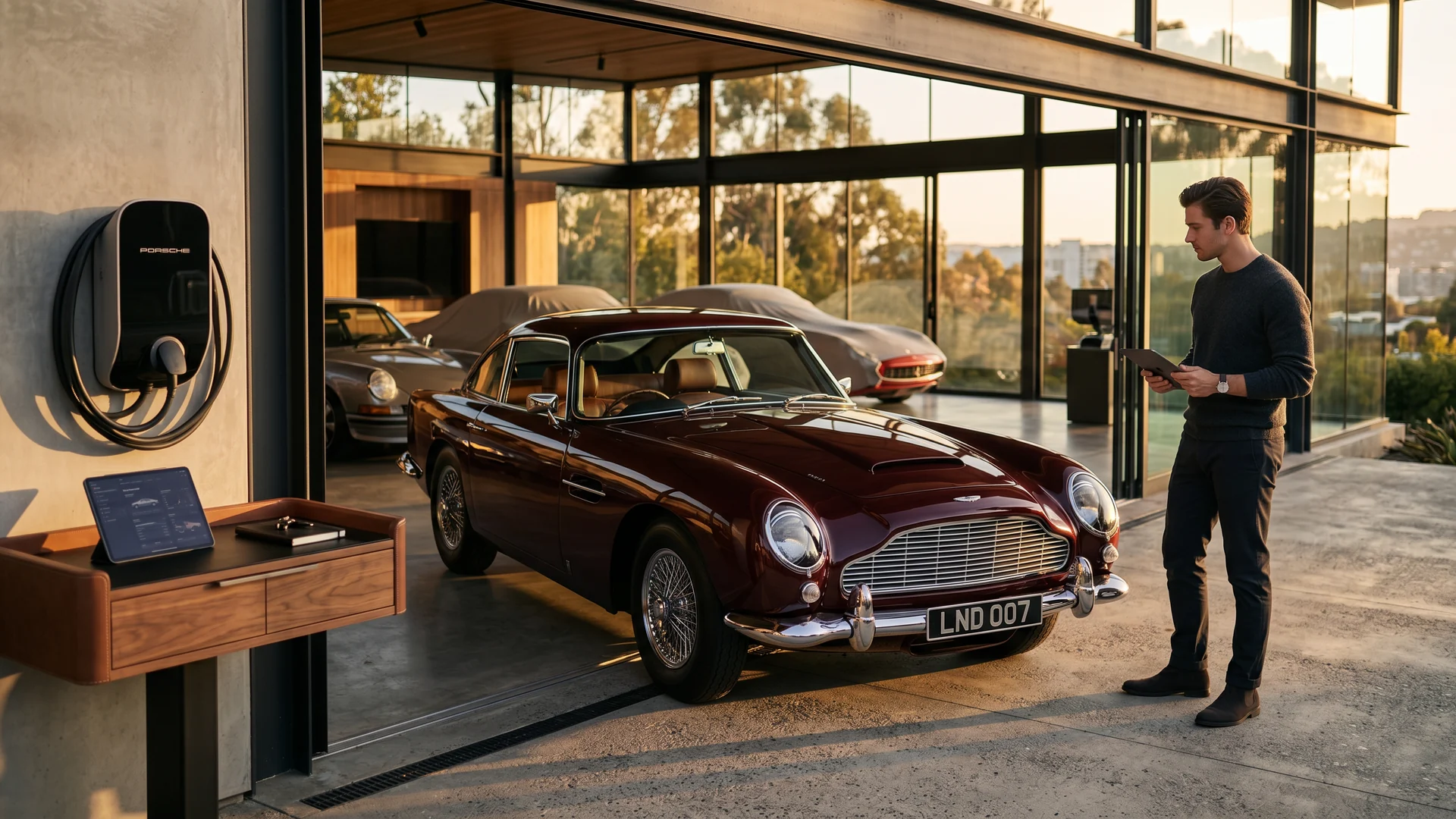
The Future of Classic Car Collecting: Trends Shaping the Next Generation
The future of classic car collecting: why 2035 ICE bans spare existing cars, plus e-fuels, shifting demographics, electromods and fractional ownership…
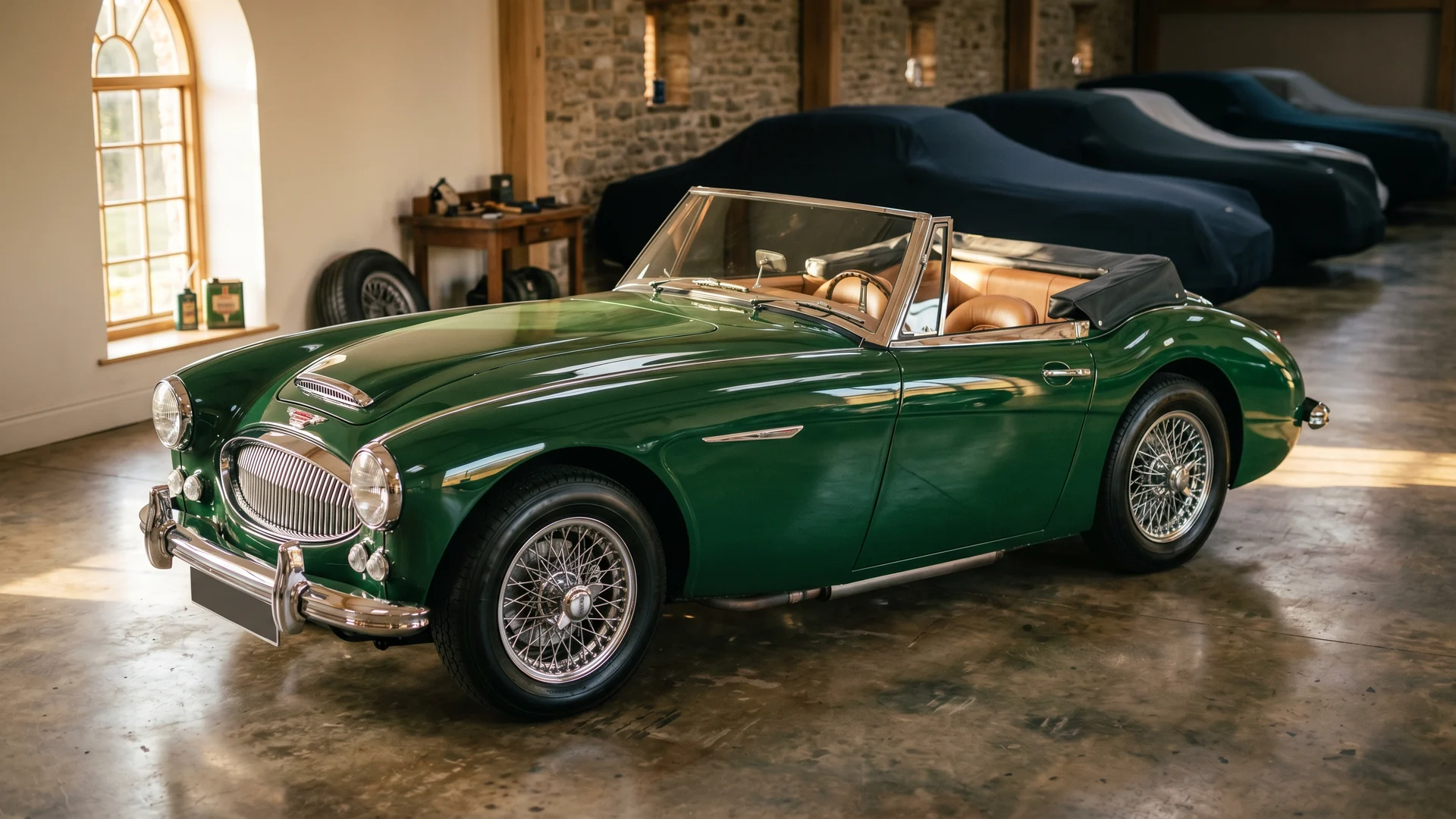
Classic Car Insurance Guide: Protecting Your Vintage Investment
Classic car insurance guide: why agreed-value policies beat stated and actual cash value, how Hagerty, Grundy and Chubb compare, plus costs and covera…
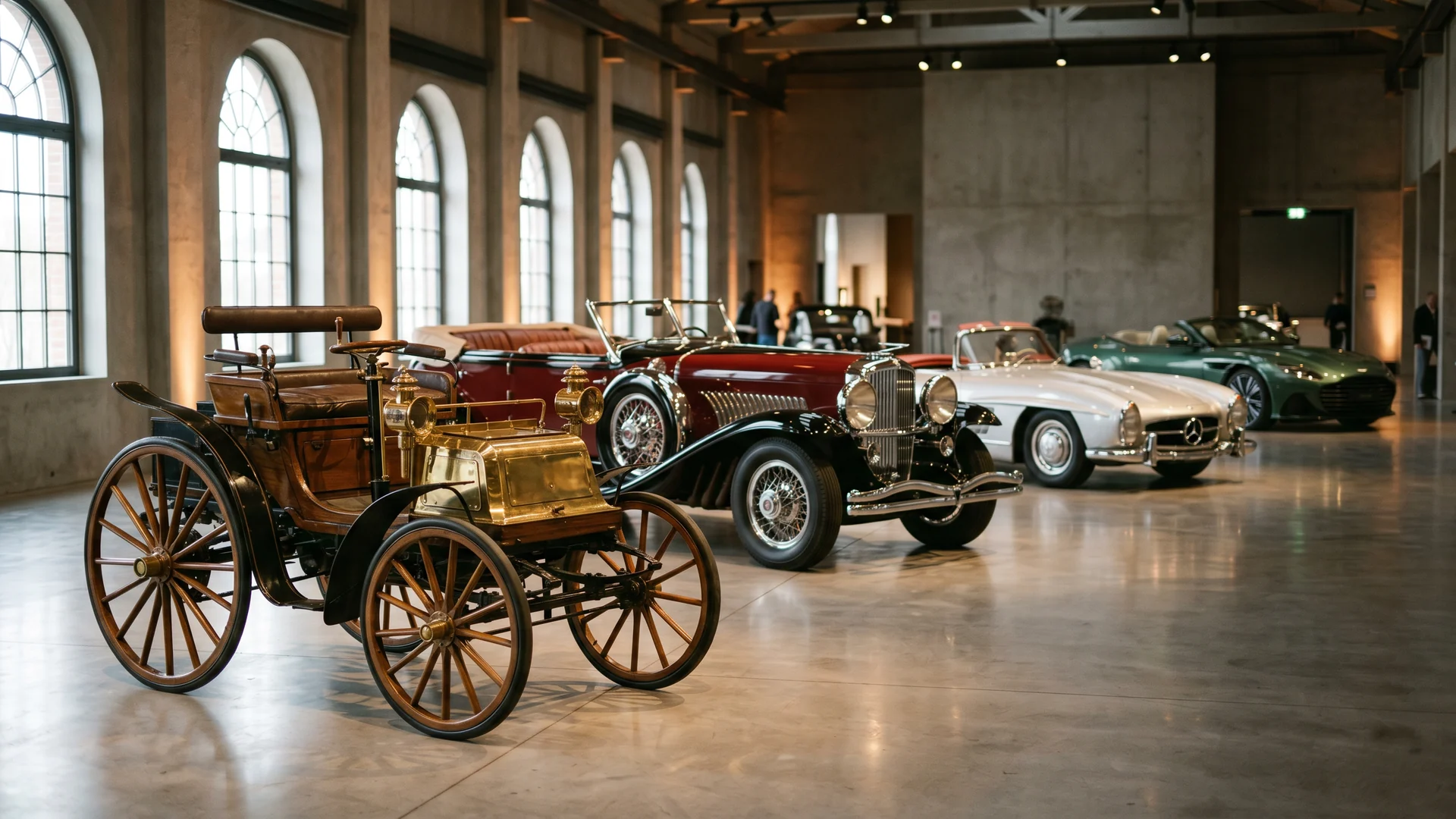
Classic Car History Timeline: From Benz to the Modern Collector Era
Classic car history timeline from the 1886 Benz Patent-Motorwagen through coachbuilding, muscle cars and supercars to modern collectibles. Discover th…