How Mileage Myths Distort the Luxury Oldtimer Market
The luxury classic car market is frequently influenced by misconceptions about mileage. Many collectors incorrectly assume that lower mileage automatically translates to higher val…

The luxury classic car market is frequently influenced by misconceptions about mileage. Many collectors incorrectly assume that lower mileage automatically translates to higher value, resulting in premium prices for vehicles with low odometer readings. This misconception can distort market valuations and affects transactions between buyers and sellers.
The emphasis on low mileage often overshadows more important factors that determine a vehicle’s true worth, including overall condition, documented history, and maintenance records. These mileage-related myths can mislead buyers into making suboptimal decisions. Potential purchasers might dismiss well-maintained higher-mileage vehicles based on the false assumption that they are inherently less valuable.
This approach not only restricts their selection but may cause them to overlook exceptional automobiles that have received proper care despite more extensive use. For participants in the luxury classic car market, recognizing the limitations of mileage as a value indicator is essential, as this understanding significantly influences market behavior and transaction outcomes.
Key Takeaways
- Mileage myths significantly distort the perceived value of luxury oldtimer cars in the market.
- Proper maintenance and detailed service history are more critical than mileage alone in assessing a car’s true worth.
- Buyer perceptions are heavily influenced by mileage myths, often leading to misinformed purchasing decisions.
- Sellers can overcome mileage myths by providing thorough documentation and emphasizing overall vehicle condition.
- Future market trends will continue to be shaped by evolving attitudes toward mileage, requiring buyers and sellers to stay informed.
Debunking Common Mileage Myths in the Luxury Oldtimer Market
One prevalent myth in the luxury oldtimer market is that lower mileage always signifies a better investment.
Many classic cars with higher mileage have been meticulously maintained and restored, making them just as valuable, if not more so, than their low-mileage counterparts.
Buyers should focus on the overall condition and service history rather than solely on the odometer reading. Another common misconception is that all high-mileage vehicles are on the verge of failure. This belief can deter potential buyers from considering cars that have been driven regularly.
In reality, many luxury oldtimers are designed to endure significant mileage when properly cared for. Regular use can actually help keep mechanical components in good working order, preventing issues that often arise from prolonged inactivity. By debunking these myths, buyers can make more informed decisions and appreciate the true value of luxury oldtimers.
Understanding the True Value of Mileage in Luxury Oldtimer Cars
Mileage does play a role in determining the value of luxury oldtimer cars, but it is just one piece of a larger puzzle. The true value lies in a combination of factors, including the car’s history, condition, and rarity. For instance, a classic sports car with 100,000 miles may be worth more than a similar model with only 30,000 miles if it has a documented history of meticulous maintenance and restoration.
Buyers should consider how the vehicle has been used and cared for over its lifetime. Additionally, the type of mileage matters. Highway miles are generally less detrimental than city miles due to less frequent stopping and starting.
A car that has been driven long distances on highways may show higher mileage but could be in better condition than one that has been used primarily for short trips. Understanding these nuances allows buyers to assess value more accurately and appreciate the craftsmanship behind each luxury oldtimer.
The Role of Maintenance and Care in Oldtimer Mileage
Maintenance and care are critical factors that can significantly influence the longevity and performance of luxury oldtimer cars. A well-maintained vehicle can withstand higher mileage without suffering from the typical wear and tear associated with age. Regular servicing, timely repairs, and proper storage conditions all contribute to a car’s overall health and value.
Buyers should prioritize vehicles with comprehensive service records that demonstrate consistent care. Moreover, the quality of maintenance matters just as much as frequency. Cars serviced by reputable mechanics or specialists in classic vehicles tend to retain their value better than those maintained by generalists or DIY enthusiasts.
Understanding the role of maintenance helps buyers recognize that a higher-mileage car with a solid service history may be a wiser investment than a low-mileage vehicle with questionable care.
How Mileage Myths Affect Buyer Perception in the Luxury Oldtimer Market
Mileage myths can significantly skew buyer perception in the luxury oldtimer market. Many potential buyers equate low mileage with superior quality, leading them to overlook vehicles that may offer better performance or value due to their maintenance history or unique features. This narrow focus can create an artificial demand for low-mileage cars, driving up prices and limiting options for discerning collectors.
Additionally, these myths can foster an environment of mistrust among buyers and sellers. Sellers may feel pressured to misrepresent their vehicle’s mileage or condition to meet buyer expectations, leading to potential disputes down the line. By addressing these misconceptions openly, both parties can engage in more transparent negotiations, fostering trust and ensuring fair transactions.
The Importance of Documentation and Service History in Mileage Evaluation
Documentation plays a vital role in evaluating the true value of luxury oldtimer cars. A comprehensive service history provides insight into how well a vehicle has been maintained over its lifetime. Buyers should seek out cars with detailed records that outline regular maintenance, repairs, and any modifications made to the vehicle.
This information can help assess whether a car’s mileage is indicative of its overall condition.
A well-documented vehicle not only reassures buyers about its care but also adds to its collectible value.
When evaluating mileage, buyers should prioritize documentation as a key factor in their decision-making process.
Factors Beyond Mileage that Influence the Value of Luxury Oldtimer Cars
While mileage is an important consideration, several other factors significantly influence the value of luxury oldtimer cars. Rarity is one such factor; limited production models or those with unique features often command higher prices regardless of mileage. Additionally, market demand plays a crucial role; certain models may be more sought after at different times, affecting their value irrespective of odometer readings.
Condition is another critical aspect; a car’s exterior, interior, and mechanical state can greatly impact its worth. A well-preserved vehicle with minor cosmetic flaws may be more valuable than a low-mileage car in poor condition. Buyers should take a holistic approach when assessing value, considering all aspects beyond just mileage to make informed decisions.
The Influence of Mileage Myths on Oldtimer Market Trends and Pricing
Mileage myths have far-reaching implications for market trends and pricing in the luxury oldtimer sector. As buyers continue to prioritize low-mileage vehicles based on misconceptions, sellers may feel compelled to inflate prices for such cars, creating an artificial market bubble. This trend can lead to volatility in pricing as demand fluctuates based on prevailing myths rather than actual vehicle quality.
Furthermore, these myths can stifle innovation within the market. Sellers may focus solely on promoting low-mileage vehicles instead of highlighting unique features or exceptional maintenance practices that could attract discerning buyers. By challenging these myths and promoting a broader understanding of value, stakeholders can foster a healthier market environment that benefits both buyers and sellers alike.
Strategies for Sellers to Overcome Mileage Myths in the Luxury Oldtimer Market
Sellers can adopt several strategies to overcome mileage myths in the luxury oldtimer market effectively. First and foremost, transparency is key; providing detailed documentation about maintenance history and any repairs made can help build trust with potential buyers. Highlighting unique features or modifications can also shift focus away from mileage alone.
Additionally, sellers should educate potential buyers about the importance of overall condition versus just odometer readings. By emphasizing how well-maintained vehicles can offer exceptional performance regardless of mileage, sellers can attract buyers who appreciate quality over mere numbers. Engaging with knowledgeable enthusiasts through forums or social media can also help dispel myths and promote a more informed buying experience.
Tips for Buyers to Navigate Mileage Myths and Make Informed Decisions
Buyers looking to navigate mileage myths in the luxury oldtimer market should approach their search with an open mind. First, prioritize thorough research on specific models to understand their typical performance and maintenance needs. This knowledge will help buyers assess whether a vehicle’s mileage aligns with its overall condition.
Next, always request comprehensive service records when considering a purchase. These documents provide valuable insights into how well a car has been cared for over time. Additionally, consider seeking expert opinions or conducting pre-purchase inspections to gain further assurance about a vehicle’s condition beyond just its mileage.
The Future of Mileage Myths in the Luxury Oldtimer Market and Potential Impacts
As the luxury oldtimer market continues to evolve, addressing mileage myths will be crucial for both buyers and sellers alike. With increasing access to information through online platforms and communities, there is potential for greater awareness regarding what truly influences value beyond just odometer readings. This shift could lead to more informed buying decisions and fairer pricing practices across the board.
Moreover, as new generations enter the classic car market, there may be an opportunity to reshape perceptions around mileage altogether. Emphasizing quality maintenance over mere numbers could foster a more balanced appreciation for luxury oldtimers as timeless investments rather than just low-mileage collectibles. Ultimately, challenging these myths will benefit everyone involved in this vibrant market segment by promoting transparency and trust among enthusiasts and collectors alike.
FAQs
What is a luxury oldtimer?
A luxury oldtimer refers to a classic or vintage luxury automobile, typically several decades old, that is valued for its design, craftsmanship, and historical significance.
What are mileage myths in the context of luxury oldtimers?
Mileage myths refer to common misconceptions or false beliefs about the importance or accuracy of a vehicle’s mileage reading, especially regarding how it affects the value and condition of luxury oldtimers.
How do mileage myths distort the luxury oldtimer market?
Mileage myths can lead to inflated or deflated prices, misjudgment of a vehicle’s condition, and unfair market practices. Buyers may overvalue low-mileage cars without considering maintenance history, while sellers might manipulate mileage figures to increase sale prices.
Is low mileage always better for luxury oldtimers?
Not necessarily. While low mileage can indicate less wear, it does not guarantee better mechanical condition. Regular use and proper maintenance are often more important for preserving the vehicle’s functionality and value.
Can mileage readings be tampered with in luxury oldtimers?
Yes, odometer fraud is a known issue where the mileage reading is rolled back or altered to make a car appear less used. This practice is illegal and can significantly distort the market.
What should buyers consider besides mileage when purchasing a luxury oldtimer?
Buyers should evaluate the vehicle’s maintenance records, overall condition, originality, restoration quality, and provenance to make an informed decision beyond just mileage.
How can one verify the accuracy of a luxury oldtimer’s mileage?
Verification can be done through service records, inspection of wear and tear consistent with mileage, consulting vehicle history reports, and using professional appraisals.
Why is understanding mileage myths important for collectors and investors?
Understanding mileage myths helps collectors and investors avoid overpaying, recognize genuine vehicles, and make better decisions that reflect the true value and condition of luxury oldtimers.
More from Blog
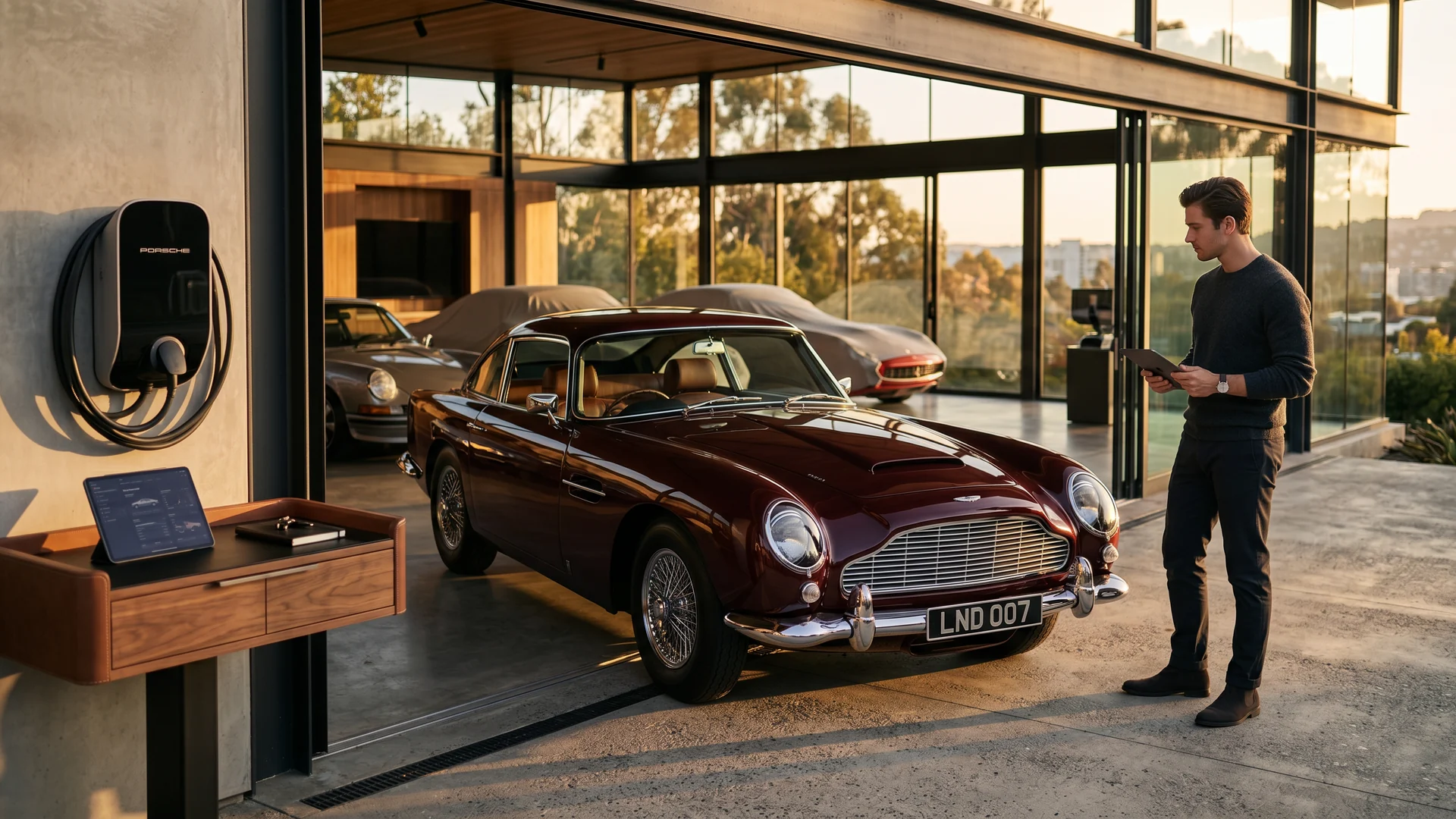
The Future of Classic Car Collecting: Trends Shaping the Next Generation
The future of classic car collecting: why 2035 ICE bans spare existing cars, plus e-fuels, shifting demographics, electromods and fractional ownership…
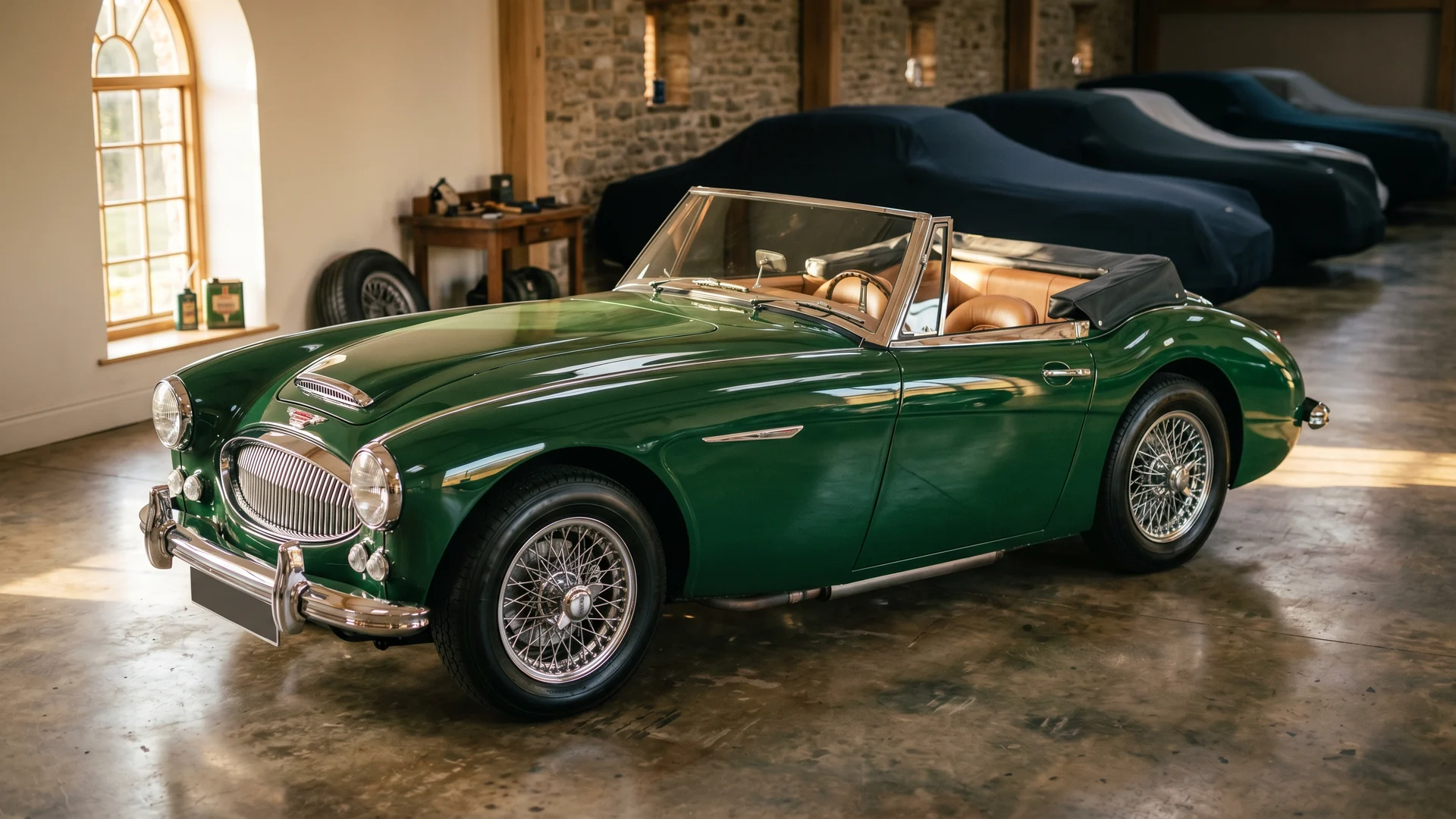
Classic Car Insurance Guide: Protecting Your Vintage Investment
Classic car insurance guide: why agreed-value policies beat stated and actual cash value, how Hagerty, Grundy and Chubb compare, plus costs and covera…
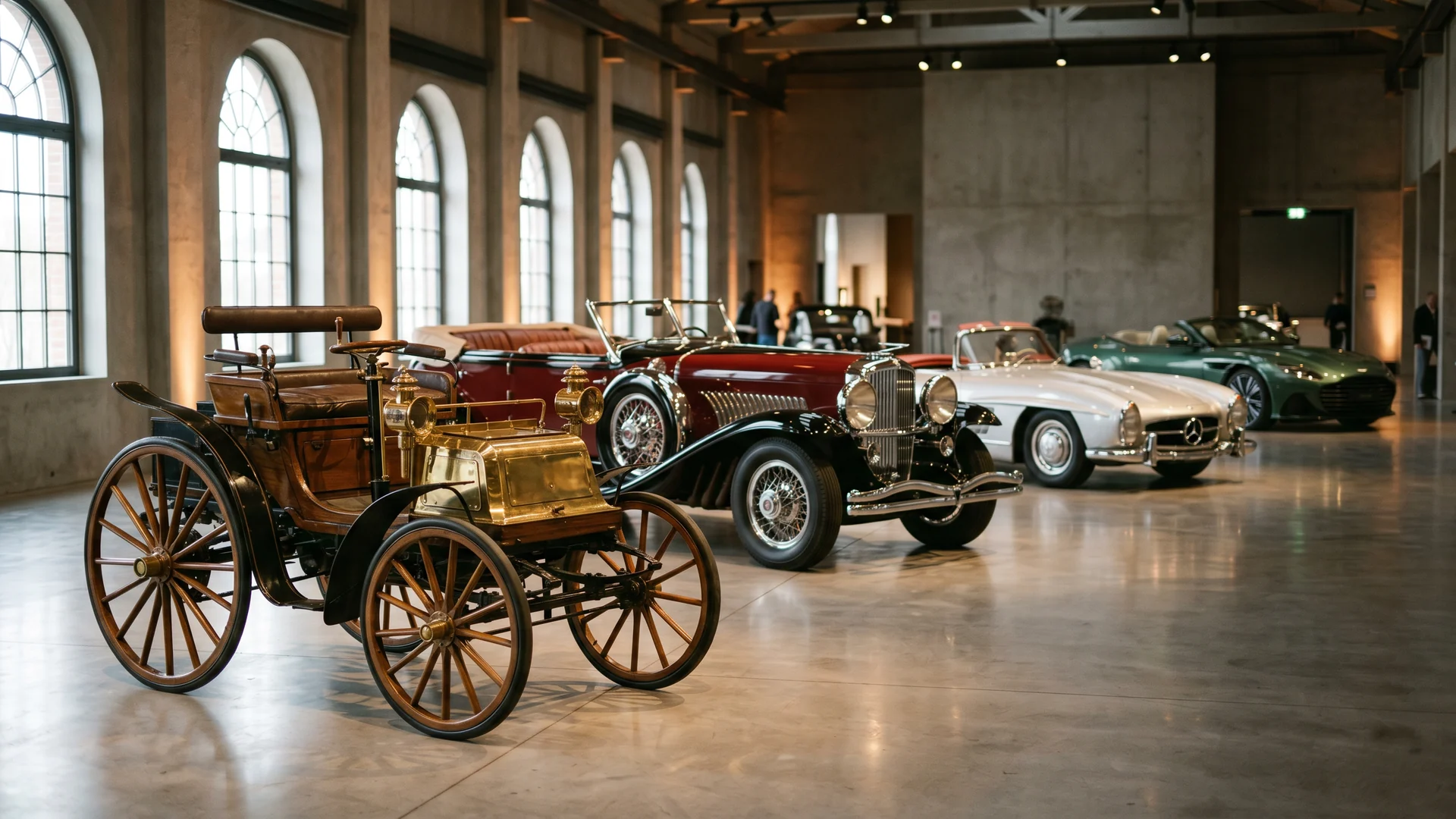
Classic Car History Timeline: From Benz to the Modern Collector Era
Classic car history timeline from the 1886 Benz Patent-Motorwagen through coachbuilding, muscle cars and supercars to modern collectibles. Discover th…