How Market Narratives Control Oldtimer Demand
Market narratives play a crucial role in shaping consumer behavior, particularly in niche markets like oldtimers. Oldtimers, or classic cars, have seen a resurgence in demand as en…
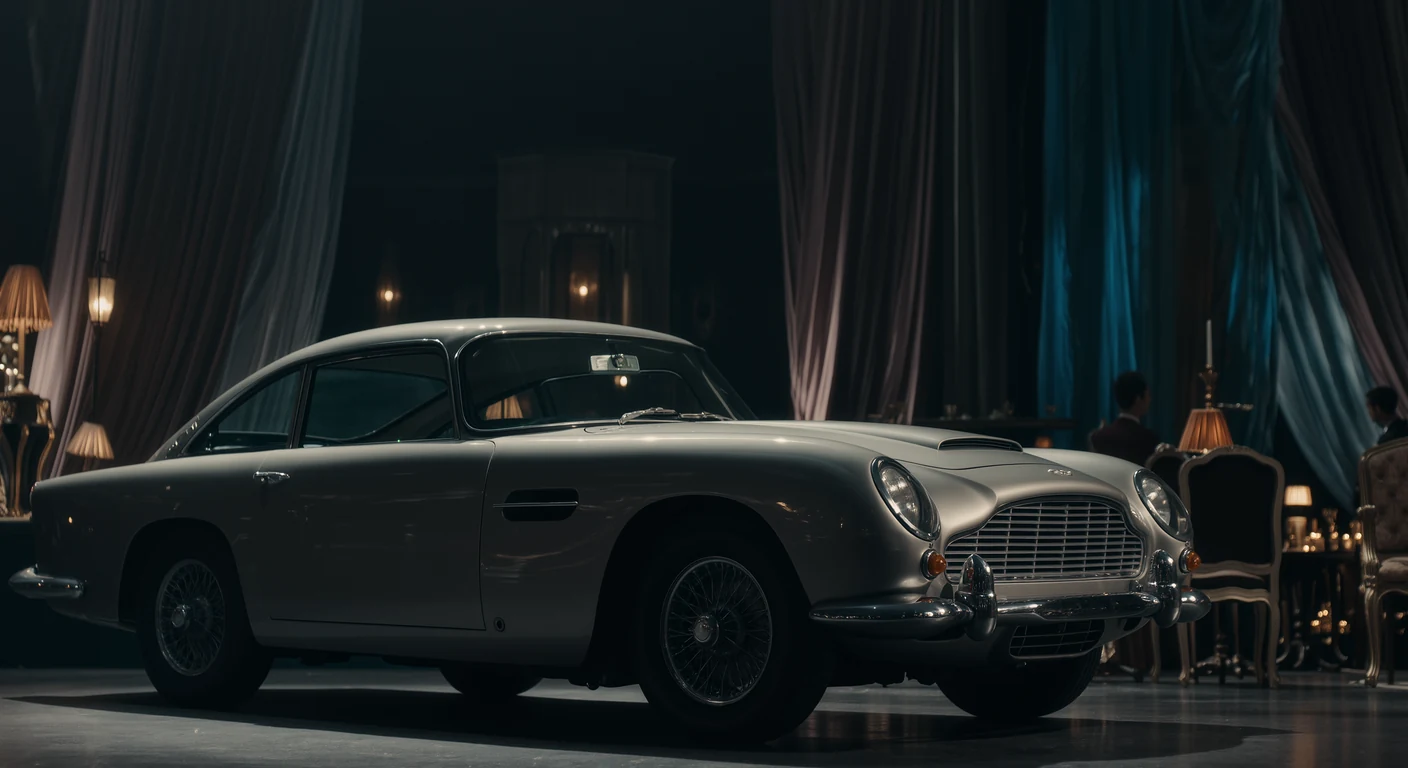
Market narratives play a crucial role in shaping consumer behavior, particularly in niche markets like oldtimers. Oldtimers, or classic cars, have seen a resurgence in demand as enthusiasts and collectors seek to own a piece of automotive history. The allure of these vehicles often transcends mere transportation; they represent nostalgia, craftsmanship, and a bygone era of design.
This article will explore the various factors that contribute to the demand for oldtimers, including media influence, historical context, and economic conditions. The demand for oldtimers is not merely a reflection of their physical attributes but is deeply intertwined with the stories and narratives that surround them.
These narratives can be shaped by various influences, including media portrayals, cultural trends, and economic factors. As the market for classic cars continues to evolve, it becomes increasingly important to analyze how these narratives are constructed and how they impact consumer perceptions and purchasing decisions. By delving into the complexities of market narratives, we can better understand the dynamics of oldtimer demand.
Key Takeaways
- Market narratives significantly influence the demand for oldtimers by shaping public perception and interest.
- Media and pop culture play crucial roles in evolving and amplifying these narratives over time.
- Economic conditions and investment trends directly impact how market narratives affect oldtimer values.
- Collector communities and auction houses actively contribute to creating and sustaining market narratives.
- Psychological factors and celebrity endorsements further drive demand by adding emotional and aspirational value.
The Role of Media in Shaping Market Narratives
Media plays a pivotal role in shaping market narratives, particularly in the realm of oldtimers. Through films, television shows, and social media platforms, classic cars are often romanticized and presented as symbols of freedom and adventure. This portrayal can significantly influence public perception and desirability.
For instance, iconic films featuring classic cars can create a sense of nostalgia that drives demand among collectors and enthusiasts alike. Moreover, automotive magazines and online forums contribute to the narrative by providing reviews, restoration tips, and historical context about specific models. These platforms not only educate potential buyers but also foster a community of enthusiasts who share their passion for oldtimers.
As media continues to evolve, its impact on market narratives will likely grow, making it essential for stakeholders to engage with these channels effectively.
Historical Context: How Market Narratives Have Evolved in Oldtimer Demand
The historical context of oldtimer demand reveals how market narratives have evolved over time. In the early days of classic car collecting, the focus was primarily on rarity and performance. Collectors sought out limited-production models that were often associated with prestigious brands.
However, as the market matured, narratives began to shift towards emotional connections and personal stories tied to specific vehicles. For example, certain models became emblematic of cultural movements or significant historical events. The Volkswagen Beetle, once a symbol of counterculture in the 1960s, has since become a beloved classic that appeals to a broader audience.
This evolution in narrative reflects changing societal values and interests, highlighting the importance of understanding historical context when analyzing oldtimer demand.
The Influence of Pop Culture on Oldtimer Demand
Pop culture has a profound influence on the demand for oldtimers. Classic cars frequently appear in movies, television shows, and music videos, often serving as symbols of status or rebellion. For instance, the Ford Mustang gained iconic status through its appearances in films like “Bullitt” and “Gone in 60 Seconds.” Such portrayals not only enhance the desirability of these vehicles but also create a sense of aspiration among potential buyers.
Additionally, social media platforms like Instagram and TikTok have become powerful tools for showcasing classic cars. Influencers and enthusiasts share their restorations and experiences with oldtimers, further fueling interest in these vehicles. As pop culture continues to evolve, its impact on oldtimer demand will likely remain significant, shaping consumer preferences and market narratives.
Economic Factors and Market Narratives in Oldtimer Demand
Economic factors play a crucial role in shaping market narratives surrounding oldtimers. The overall health of the economy can influence consumer spending habits, affecting demand for luxury items like classic cars. During economic downturns, collectors may be less willing to invest in high-value vehicles, leading to fluctuations in market prices.
Conversely, during periods of economic growth, there is often an increase in disposable income, which can drive up demand for oldtimers. Additionally, factors such as inflation and interest rates can impact financing options for potential buyers. Understanding these economic dynamics is essential for stakeholders looking to navigate the complexities of oldtimer demand effectively.
The Impact of Collector Communities on Market Narratives
Collector communities play a vital role in shaping market narratives around oldtimers. These groups often serve as support networks for enthusiasts, providing resources for restoration projects and sharing knowledge about specific models. The camaraderie within these communities fosters a sense of belonging that can enhance the emotional appeal of owning a classic car.
Moreover, collector communities often influence market trends by setting standards for quality and authenticity. Events such as car shows and auctions provide platforms for enthusiasts to showcase their vehicles and share their stories. These gatherings not only celebrate the passion for oldtimers but also contribute to the broader narrative surrounding their value and desirability.
The Role of Auction Houses in Shaping Market Narratives
Auction houses play a significant role in shaping market narratives for oldtimers by establishing benchmarks for value and desirability. High-profile auctions often attract media attention, showcasing rare and valuable vehicles that can set trends within the collector community. The prices achieved at these auctions can influence buyer perceptions and create a sense of urgency among potential collectors.
Additionally, auction houses often provide detailed histories and provenance for the vehicles they sell, enhancing their appeal to buyers. This transparency helps build trust within the market and reinforces the narratives surrounding specific models. As auction houses continue to evolve their marketing strategies, their impact on oldtimer demand will likely remain significant.
Psychological Factors in Oldtimer Demand and Market Narratives
Psychological factors play a crucial role in shaping consumer behavior within the oldtimer market. The desire for nostalgia often drives individuals to seek out classic cars that remind them of their youth or significant life events. This emotional connection can create a strong motivation to purchase a particular vehicle.
Furthermore, the concept of social proof can influence buyer decisions. When potential buyers see others within their social circles or communities investing in oldtimers, they may feel compelled to follow suit. Understanding these psychological dynamics is essential for stakeholders looking to effectively engage with consumers in this niche market.
The Effect of Celebrity Endorsements on Oldtimer Demand
Celebrity endorsements can significantly impact the demand for oldtimers by elevating their status within popular culture. When high-profile individuals are seen driving or endorsing specific classic cars, it can create a surge in interest among fans and collectors alike. For example, when celebrities like Jay Leno or Jerry Seinfeld showcase their vintage car collections, it not only highlights the allure of these vehicles but also reinforces their desirability.
Moreover, celebrity ownership can enhance the perceived value of certain models, leading to increased demand and higher prices at auctions. As social media continues to amplify celebrity influence, their role in shaping market narratives around oldtimers will likely grow even more pronounced.
The Role of Investment Trends in Shaping Market Narratives for Oldtimers
Investment trends play an increasingly important role in shaping market narratives for oldtimers. As more individuals view classic cars as alternative investments, the focus has shifted from mere enjoyment to financial returns. This change has led to increased scrutiny regarding which models are likely to appreciate over time.
Investors often seek out vehicles with strong historical significance or limited production runs, as these factors can enhance long-term value. Additionally, investment trends can influence restoration practices, with collectors prioritizing authenticity and quality to maximize resale potential. Understanding these investment dynamics is essential for anyone looking to navigate the complexities of oldtimer demand effectively.
Navigating the Influence of Market Narratives on Oldtimer Demand
In conclusion, navigating the influence of market narratives on oldtimer demand requires a multifaceted understanding of various factors at play. From media portrayals and pop culture influences to economic conditions and collector communities, each element contributes to shaping consumer perceptions and behaviors within this niche market. By recognizing the complexities involved in these narratives, stakeholders can make informed decisions that align with current trends and consumer desires.
As the market for oldtimers continues to evolve, staying attuned to these influences will be crucial for collectors, investors, and enthusiasts alike. Whether you are looking to purchase your first classic car or expand your collection, understanding the underlying narratives will empower you to make choices that resonate with both your passion for automotive history and your financial goals.
FAQs
What are market narratives in the context of oldtimer demand?
Market narratives refer to the prevailing stories, beliefs, and perceptions shared by collectors, investors, and enthusiasts that influence the desirability and value of classic cars (oldtimers). These narratives shape how people view certain models, brands, or eras, impacting demand and pricing.
How do market narratives influence the demand for oldtimers?
Market narratives affect demand by creating trends and shaping buyer preferences. Positive stories about a car’s rarity, historical significance, or cultural impact can increase interest and drive up prices, while negative narratives can reduce demand.
Can market narratives cause fluctuations in oldtimer prices?
Yes, market narratives can lead to significant price fluctuations. When a particular narrative gains popularity, it can cause a surge in demand and prices. Conversely, if a narrative loses favor or is challenged, prices may decline.
Are market narratives based on objective facts or subjective opinions?
Market narratives often combine both objective facts and subjective opinions. While some narratives are grounded in verifiable history or technical merit, others are influenced by trends, media coverage, and collective sentiment within the collector community.
How can collectors identify reliable market narratives?
Collectors can identify reliable narratives by researching historical data, consulting expert appraisals, following reputable classic car publications, and observing long-term market trends rather than short-term hype.
Do market narratives affect all oldtimers equally?
No, market narratives tend to impact certain models, brands, or categories more than others. Iconic or historically significant cars are more susceptible to narrative-driven demand changes, while more common or less celebrated models may be less influenced.
Can market narratives be intentionally influenced or created?
Yes, market narratives can be influenced by marketing campaigns, media coverage, endorsements by celebrities or experts, and events such as auctions or car shows that highlight specific models or brands.
What role do auctions and media play in shaping market narratives?
Auctions and media play a crucial role by spotlighting certain cars, reporting on sales results, and telling stories that can enhance or diminish a car’s perceived value, thereby shaping market narratives and influencing demand.
Is it possible for market narratives to change over time?
Absolutely. Market narratives evolve as new information emerges, cultural tastes shift, and generational preferences change, leading to changing demand patterns for oldtimers.
How should buyers approach market narratives when purchasing an oldtimer?
Buyers should approach market narratives critically, conducting thorough research, seeking expert advice, and considering both the emotional appeal and the investment potential of a vehicle before making a purchase decision.
More from Blog
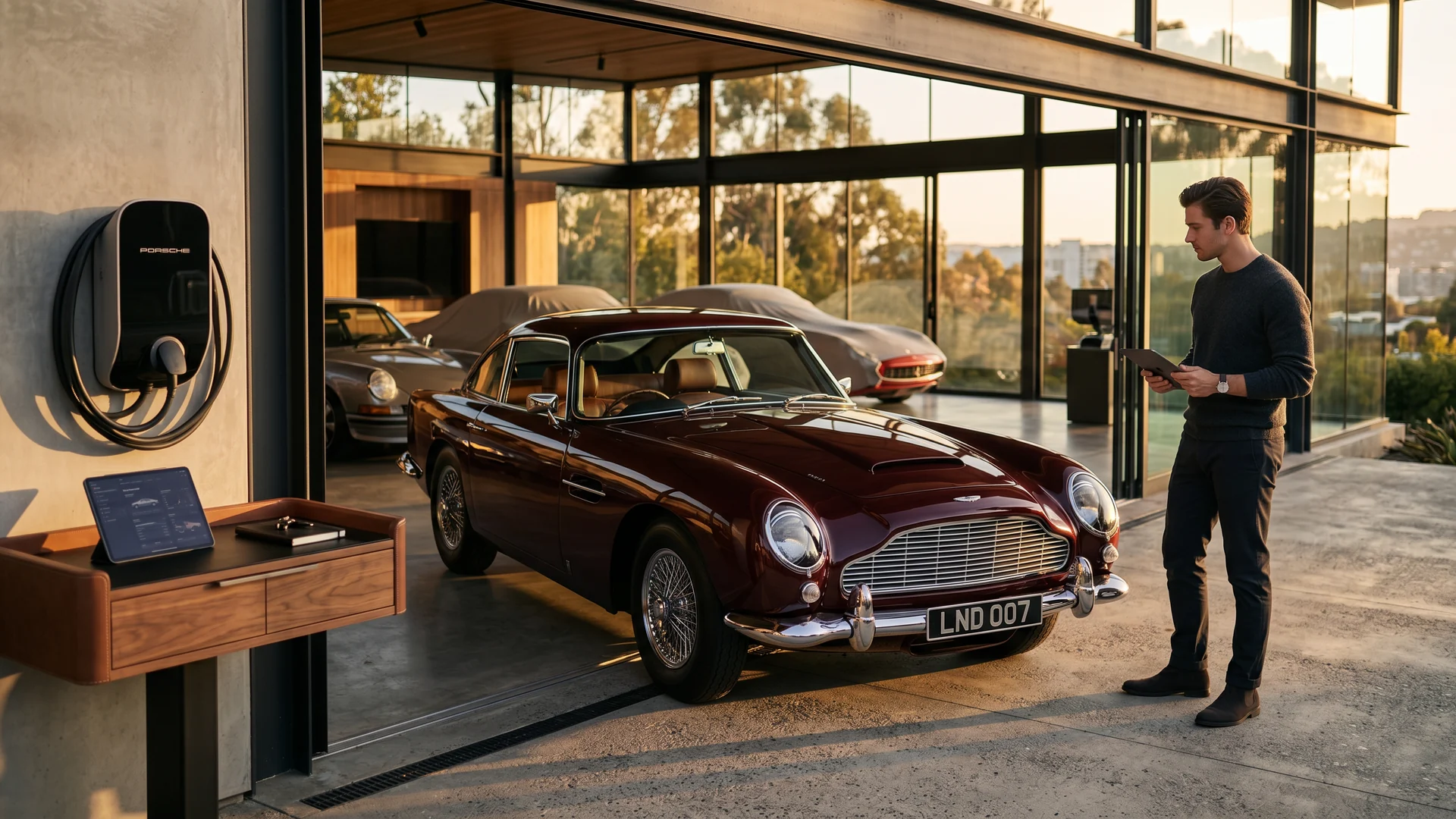
The Future of Classic Car Collecting: Trends Shaping the Next Generation
The future of classic car collecting: why 2035 ICE bans spare existing cars, plus e-fuels, shifting demographics, electromods and fractional ownership…
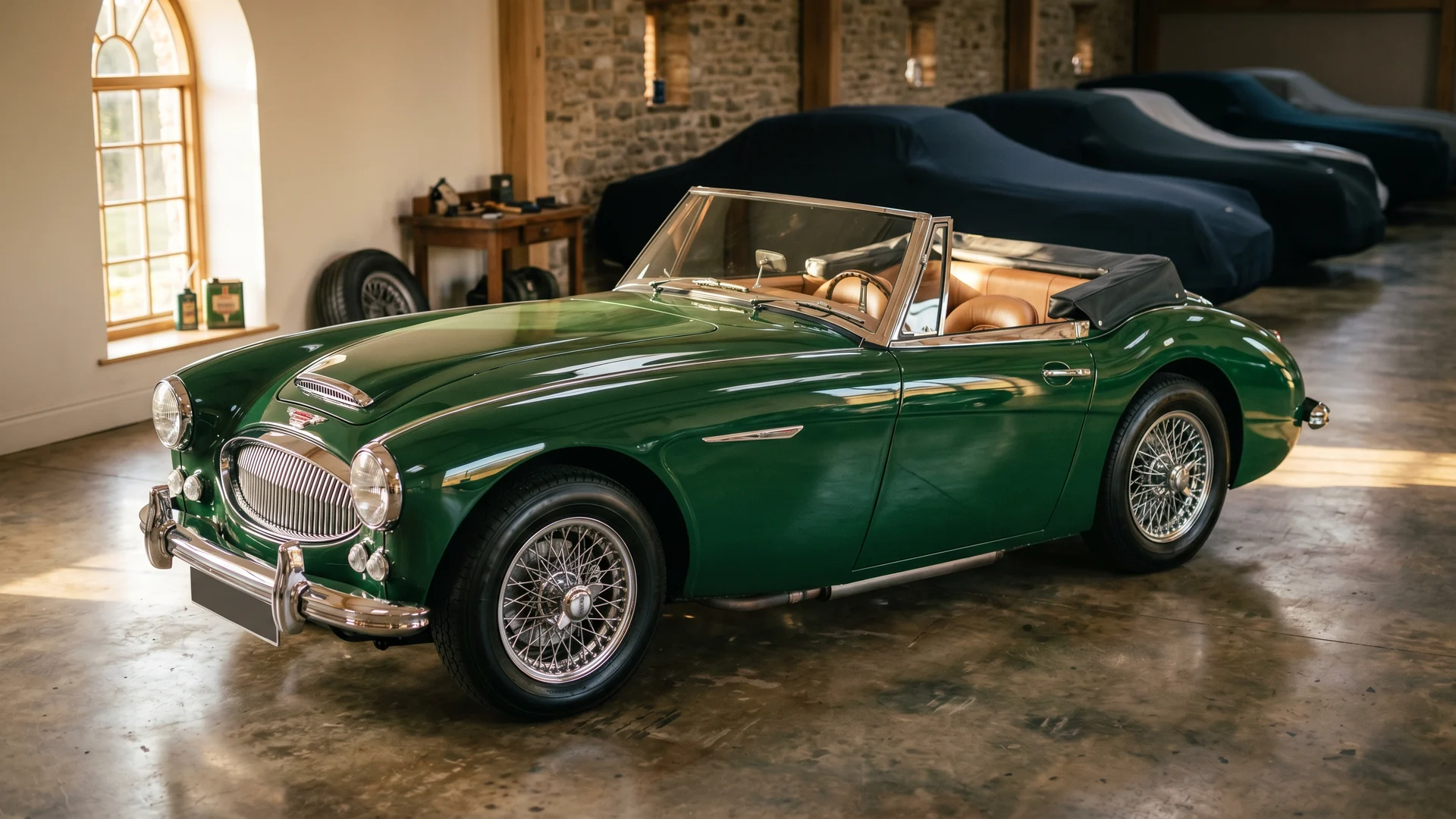
Classic Car Insurance Guide: Protecting Your Vintage Investment
Classic car insurance guide: why agreed-value policies beat stated and actual cash value, how Hagerty, Grundy and Chubb compare, plus costs and covera…
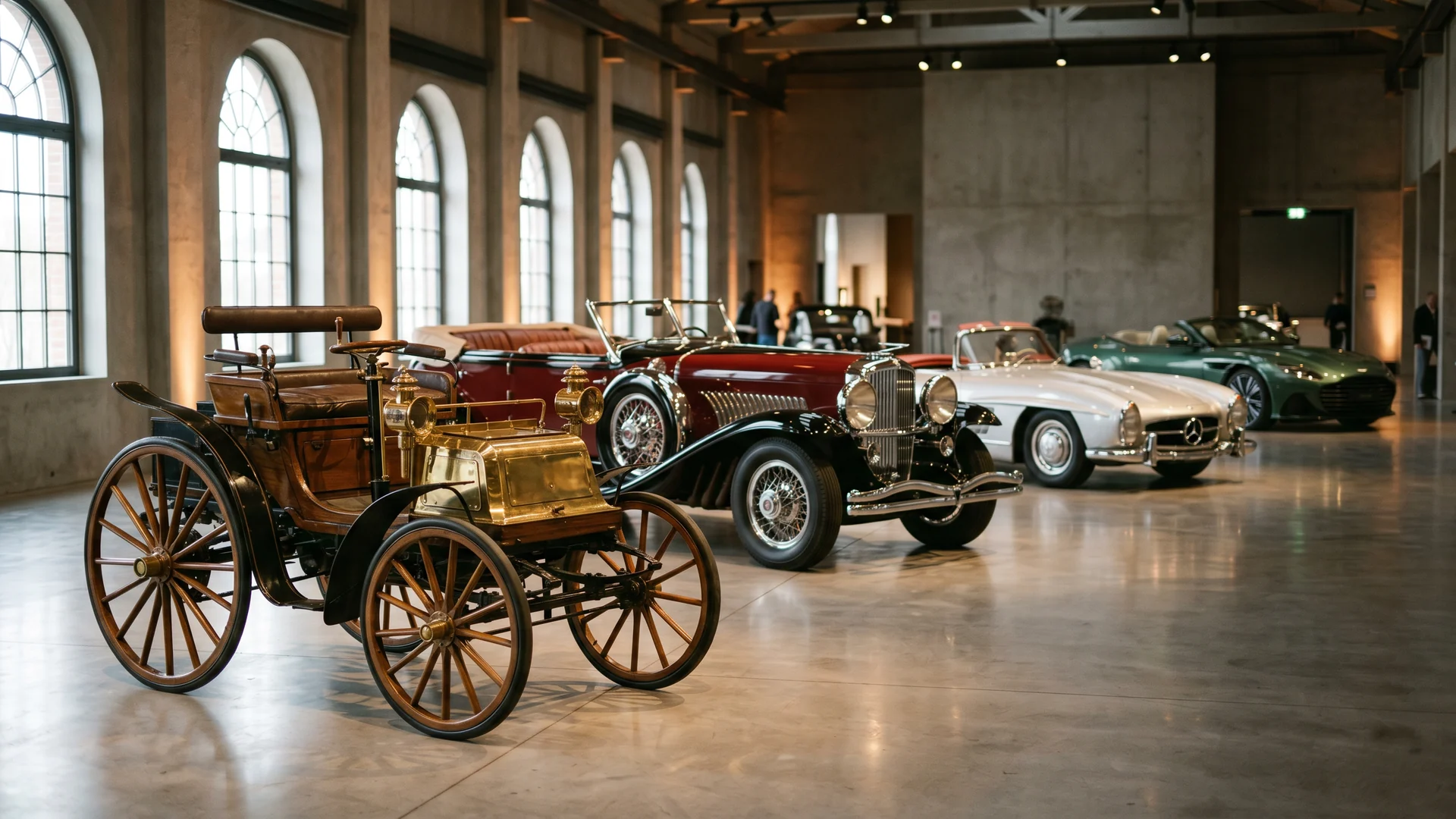
Classic Car History Timeline: From Benz to the Modern Collector Era
Classic car history timeline from the 1886 Benz Patent-Motorwagen through coachbuilding, muscle cars and supercars to modern collectibles. Discover th…