How Market Manipulation Shapes Rare Classic Car Values
The classic car industry is a fascinating realm where nostalgia meets investment potential. However, it is not immune to market manipulation, which can significantly distort the tr…
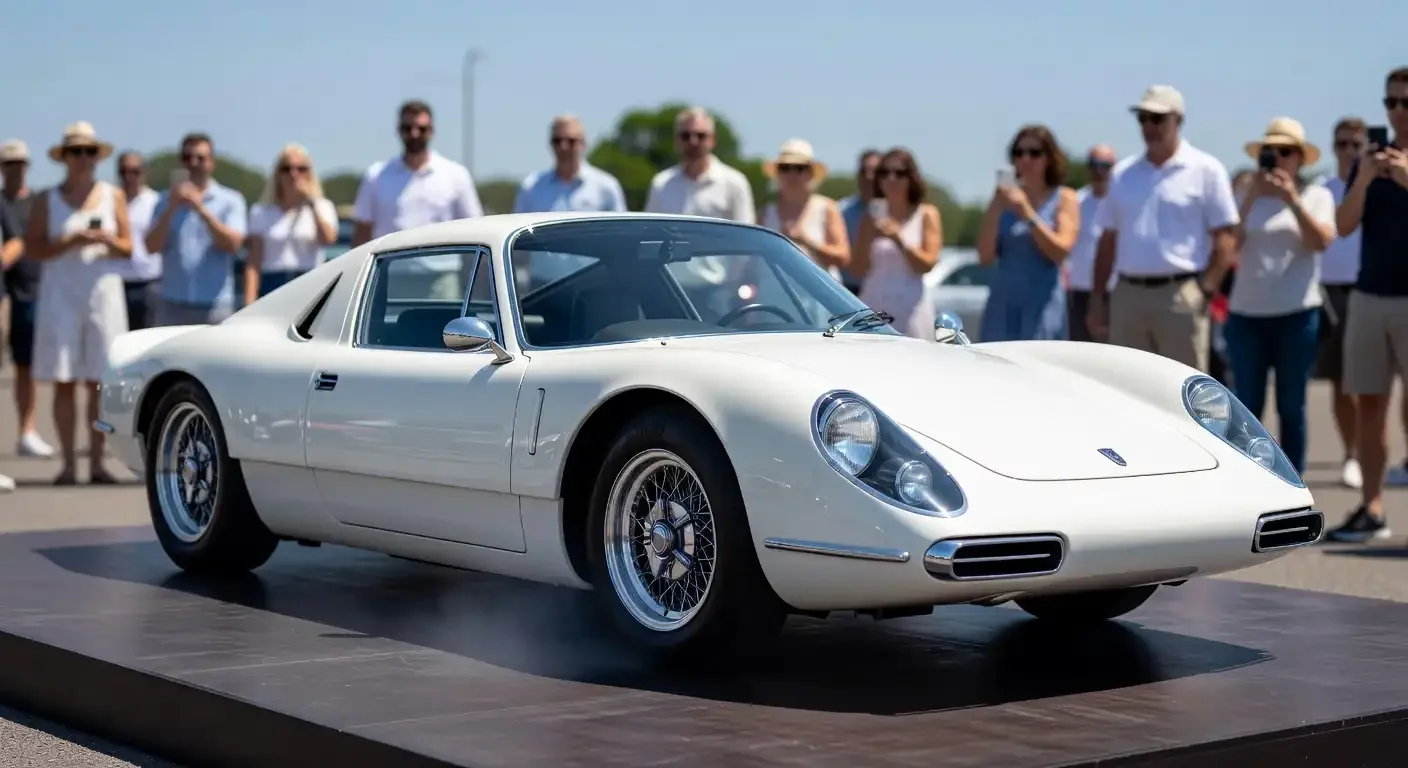
The classic car industry is a fascinating realm where nostalgia meets investment potential. However, it is not immune to market manipulation, which can significantly distort the true value of these vehicles. Market manipulation refers to practices that artificially inflate or deflate prices, often leading to misleading valuations.
In the classic car market, this can manifest through various channels, including auction houses, media influence, and collector behavior. Understanding these dynamics is crucial for buyers and sellers alike, as it helps navigate the complexities of valuation in a market that can be as volatile as it is alluring. As classic cars become increasingly sought after, the potential for manipulation grows.
Investors and collectors may find themselves caught in a web of inflated prices driven by speculation and hype. This article will explore the various factors contributing to market manipulation in the classic car industry, shedding light on how these elements interact to shape values and trends. By understanding these influences, enthusiasts can make informed decisions and avoid pitfalls in their classic car investments.
Key Takeaways
- Auction houses and media play significant roles in shaping and sometimes manipulating classic car values.
- Speculation, investment trends, and celebrity endorsements can artificially inflate rare classic car prices.
- Limited supply combined with high demand often leads to price volatility and market bubbles.
- Collectors and enthusiasts influence market trends, but their actions can also contribute to price manipulation.
- Government regulations and broader economic factors impact the stability and valuation of classic cars in the market.
The Role of Auction Houses in Influencing Classic Car Values
Auction houses play a pivotal role in the classic car market, often serving as the primary venue for buying and selling these vehicles. Their influence extends beyond merely facilitating transactions; they actively shape perceptions of value through marketing strategies and auction results. High-profile auctions can create a buzz around specific models, leading to inflated prices that may not reflect the true market value.
This phenomenon can create a ripple effect, where other sellers adjust their asking prices based on auction results rather than genuine demand. Moreover, auction houses often curate their offerings to highlight rare or desirable models, which can skew public perception of what constitutes a valuable classic car. By promoting certain vehicles and downplaying others, they can manipulate market trends and create a sense of urgency among buyers.
This practice can lead to speculative buying, where individuals invest in cars based on perceived value rather than intrinsic worth. As a result, understanding the role of auction houses is essential for anyone looking to navigate the classic car market effectively.
The Impact of Speculation and Investment on Rare Classic Car Prices
Speculation is a driving force in the classic car market, particularly for rare models that attract attention from investors. When collectors view classic cars as investment opportunities rather than mere hobbies, it can lead to price surges that are not necessarily tied to the vehicle’s condition or historical significance. This speculative behavior often results in bidding wars at auctions, where buyers are willing to pay exorbitant prices in hopes of future appreciation.
The allure of potential profit can overshadow the fundamental aspects of classic car ownership, such as enjoyment and passion for automotive history. As more investors enter the market, they may inadvertently contribute to price bubbles that eventually burst, leaving many with depreciated assets. Understanding the speculative nature of classic car investments is crucial for buyers who wish to make sound financial decisions while still enjoying their passion for these timeless vehicles.
The Influence of Media and Advertising on Classic Car Values
Media coverage and advertising play significant roles in shaping public perception of classic cars and their values. Enthusiast magazines, online forums, and social media platforms can amplify trends and create demand for specific models. When a particular car receives extensive media attention, whether through features in popular shows or articles highlighting its historical significance, its perceived value can skyrocket.
Advertising campaigns by manufacturers or restoration companies can also influence buyer behavior. By showcasing classic cars as symbols of status or luxury, these campaigns can drive up demand and prices. However, this media-driven hype can lead to unrealistic expectations among buyers, who may find themselves paying inflated prices based on trends rather than actual market conditions.
Recognizing the impact of media and advertising is essential for anyone looking to invest wisely in classic cars.
The Role of Collectors and Enthusiasts in Shaping Classic Car Market Trends
Collectors and enthusiasts are at the heart of the classic car market, driving trends and influencing values through their preferences and purchasing behaviors. Their passion for specific makes and models can create niche markets where certain vehicles command premium prices. For instance, a dedicated group of collectors may rally around a particular brand or era, leading to increased demand and higher valuations for those cars.
Moreover, collectors often share their knowledge and experiences through clubs, events, and online communities. This exchange of information can significantly impact market trends, as enthusiasts discuss restoration techniques, investment potential, and historical significance. However, this collective enthusiasm can also lead to herd mentality, where buyers rush to acquire certain models without fully understanding their true value.
Awareness of collector dynamics is vital for navigating the classic car market effectively.
The Effects of Limited Supply and Demand on Rare Classic Car Values
The classic car market is characterized by limited supply and fluctuating demand, which can significantly impact vehicle values. Rare models with low production numbers often see heightened interest from collectors and investors alike. As demand outstrips supply, prices can soar, creating an environment ripe for speculation and manipulation.
Conversely, when demand wanes, perhaps due to changing tastes or economic downturns, values can plummet just as quickly. This volatility underscores the importance of understanding market dynamics when investing in classic cars. Buyers must be aware that while rarity can drive up prices, it does not guarantee long-term value retention.
A thorough analysis of supply-demand trends is essential for making informed purchasing decisions in this unpredictable market.
The Role of Government Regulations and Policies in the Classic Car Market
Government regulations and policies can have a profound impact on the classic car market, influencing everything from emissions standards to import restrictions. Changes in legislation can affect the desirability of certain models or even render them illegal to drive in specific regions. For instance, stricter emissions regulations may diminish interest in older vehicles that do not meet modern standards.
For example, some jurisdictions offer tax breaks for restoring vintage cars or preserving them as part of cultural heritage initiatives.
The Impact of Economic Factors on Classic Car Values
Economic conditions play a critical role in shaping the classic car market. Factors such as inflation rates, interest rates, and overall economic growth can influence consumer spending power and investment behavior. During periods of economic prosperity, buyers may be more willing to invest in high-value classic cars as luxury items or status symbols.
Conversely, during economic downturns or recessions, discretionary spending often declines, leading to decreased demand for luxury items like classic cars. This shift can result in falling prices and increased competition among sellers trying to offload their vehicles. Understanding these economic factors is essential for anyone looking to navigate the complexities of classic car valuation effectively.
The Influence of Celebrity Ownership and Endorsement on Classic Car Prices
Celebrity ownership can significantly impact the perceived value of classic cars. When a well-known figure publicly endorses or purchases a specific model, it often leads to increased interest from fans and collectors alike. This phenomenon can create a surge in demand that drives up prices beyond what might be justified by the vehicle’s intrinsic qualities.
Moreover, media coverage surrounding celebrity ownership can further amplify this effect. Auctions featuring cars previously owned by celebrities often attract heightened attention and bidding activity, resulting in inflated sale prices. While celebrity endorsement can create excitement around certain models, buyers should approach these situations with caution to avoid overpaying based on hype rather than genuine value.
The Role of Market Manipulation in Creating Classic Car Bubbles and Crashes
Market manipulation plays a significant role in creating bubbles within the classic car industry. When prices are artificially inflated through speculation or orchestrated buying activity, it can lead to unsustainable valuations that eventually collapse under their weight. These bubbles often form when investors become overly optimistic about future appreciation without considering fundamental market conditions.
When a bubble bursts, it can result in significant financial losses for those who invested at inflated prices. Understanding the signs of potential market manipulation is crucial for buyers looking to protect their investments. By remaining vigilant and informed about market dynamics, enthusiasts can better navigate the risks associated with investing in classic cars.
Navigating the Complexities of Classic Car Valuation in a Manipulated Market
Navigating the complexities of classic car valuation requires a keen understanding of various influencing factors, from auction house practices to economic conditions and media influence. Buyers must remain vigilant against market manipulation while also recognizing the unique appeal that classic cars hold as both investments and cherished possessions. By educating themselves about these dynamics and approaching purchases with caution, enthusiasts can make informed decisions that align with their passions while minimizing risks associated with inflated valuations.
Ultimately, a well-rounded understanding of the classic car market will empower buyers to enjoy their investments while safeguarding against potential pitfalls inherent in this captivating yet complex industry.
FAQs
What is market manipulation in the context of rare classic cars?
Market manipulation refers to actions taken by individuals or groups to artificially influence the prices or demand of rare classic cars. This can include tactics such as spreading false information, creating fake bidding activity, or controlling the supply to drive prices higher or lower.
How does market manipulation affect the value of rare classic cars?
Market manipulation can distort the true market value of rare classic cars by creating misleading perceptions of scarcity or demand. This can lead to inflated prices that do not reflect the car’s actual condition, provenance, or desirability, potentially harming buyers and sellers.
Who are the typical participants involved in manipulating rare classic car markets?
Participants may include dealers, collectors, auction houses, or speculators who have a vested interest in influencing prices. Some may collaborate to create artificial demand or restrict supply to benefit financially from price fluctuations.
What are common methods used to manipulate rare classic car prices?
Common methods include shill bidding at auctions, spreading rumors about a car’s provenance or rarity, withholding cars from the market to create scarcity, and coordinating purchases to drive up prices artificially.
Can market manipulation be detected in rare classic car sales?
While difficult, signs of manipulation can include unusually rapid price increases, suspicious bidding patterns at auctions, inconsistent provenance documentation, and sudden changes in market availability. Expert appraisals and market analysis can help identify potential manipulation.
What impact does market manipulation have on collectors and investors?
Market manipulation can lead to financial losses for collectors and investors who purchase overvalued cars. It can also undermine confidence in the market, making it harder to assess true value and increasing the risk associated with buying or selling rare classic cars.
Are there regulations or measures to prevent market manipulation in the classic car market?
Unlike financial markets, the classic car market is less regulated, making it more vulnerable to manipulation. However, reputable auction houses and dealers often have ethical guidelines and transparency measures to reduce manipulation risks. Buyers are encouraged to conduct thorough due diligence.
How can buyers protect themselves from market manipulation when purchasing rare classic cars?
Buyers should research market trends, verify provenance and condition through independent experts, be cautious of unusually high prices or bidding activity, and work with reputable dealers and auction houses to minimize the risk of falling victim to manipulation.
More from Blog
The Future of Classic Car Collecting: Trends Shaping the Next Generation
The future of classic car collecting: why 2035 ICE bans spare existing cars, plus e-fuels, shifting demographics, electromods and fractional ownership…
Classic Car Insurance Guide: Protecting Your Vintage Investment
Classic car insurance guide: why agreed-value policies beat stated and actual cash value, how Hagerty, Grundy and Chubb compare, plus costs and covera…
Classic Car History Timeline: From Benz to the Modern Collector Era
Classic car history timeline from the 1886 Benz Patent-Motorwagen through coachbuilding, muscle cars and supercars to modern collectibles. Discover th…