How Inflation Is Secretly Fueling the Classic Car Boom
Classic car prices have experienced significant increases in recent years, drawing interest from both collectors and investors. This price surge stems from several factors, includi…
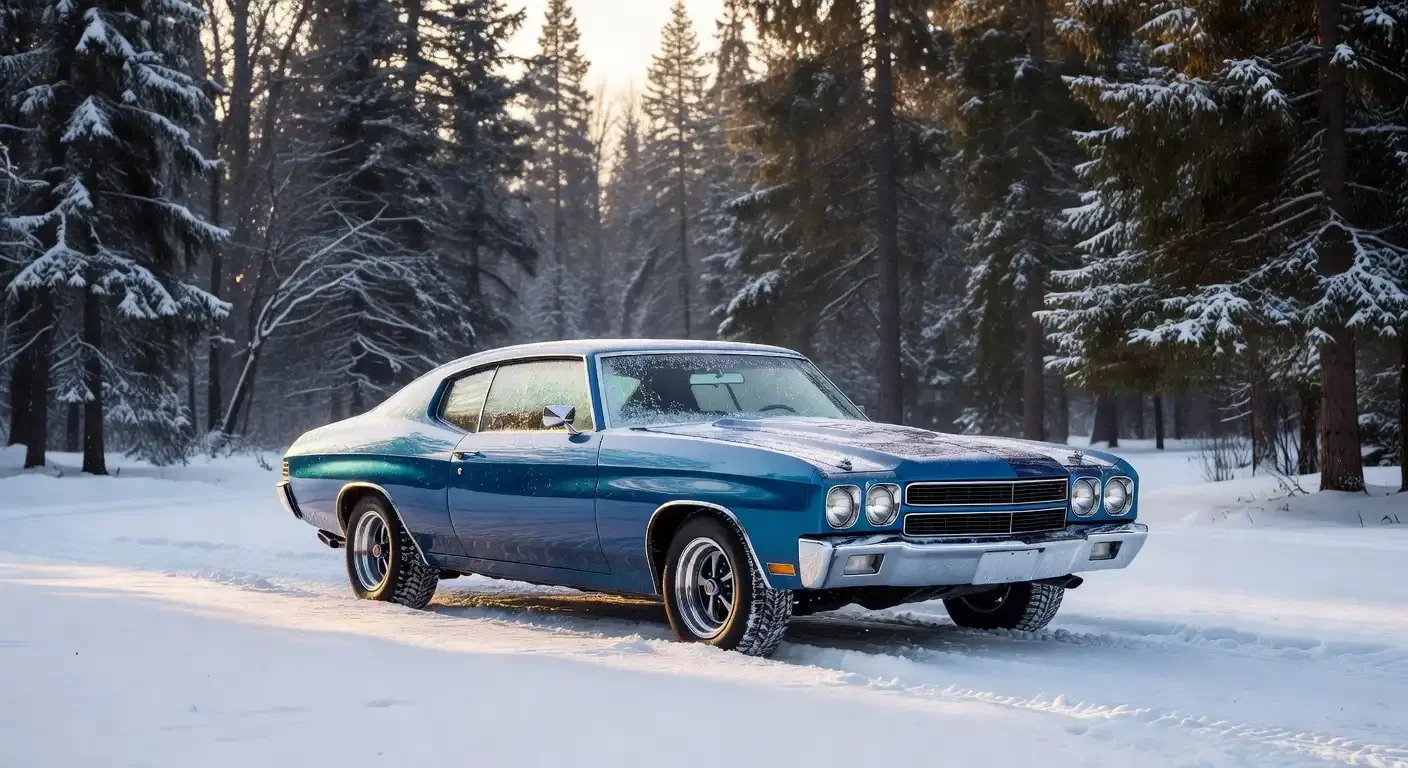
Classic car prices have experienced significant increases in recent years, drawing interest from both collectors and investors. This price surge stems from several factors, including heightened appreciation for vintage vehicles and changing consumer preferences toward distinctive, nostalgia-inducing items. The increasing number of individuals seeking to acquire automotive history has substantially elevated demand, resulting in price increases across all segments of the classic car market.
Classic cars appeal not only for their visual characteristics but also for their potential as investment vehicles. The classic car marketplace has developed into a dynamic environment where enthusiast and investor interests intersect. Auction events featuring scarce models frequently generate competitive bidding that pushes prices to record levels.
This phenomenon reflects a wider cultural movement in which people increasingly allocate funds to physical assets that provide both personal satisfaction and potential financial appreciation. The growing desirability of classic cars continues to drive price appreciation, positioning them as a viable option for investment portfolio diversification.
Key Takeaways
- Inflation has significantly contributed to rising classic car prices and increased market demand.
- Higher inflation rates are making classic cars more attractive as alternative investment assets.
- Inflation impacts the rarity and value of classic cars by affecting production and restoration costs.
- The cost of restoring classic cars is rising due to inflation, influencing ownership and maintenance decisions.
- Inflation is fueling a resurgence in classic car culture and expanding the collector’s market.
The Impact of Inflation on the Classic Car Market
Inflation has a profound impact on various sectors of the economy, and the classic car market is no exception. As inflation rates rise, the purchasing power of consumers diminishes, leading to changes in spending habits. In the classic car market, this can result in increased prices for both buyers and sellers.
Collectors may find themselves paying more for vehicles that were once within reach, while sellers may capitalize on the inflationary environment to maximize their profits. Moreover, inflation can create a sense of urgency among buyers.
This urgency can further drive demand and contribute to the overall increase in classic car prices. Understanding the relationship between inflation and the classic car market is crucial for both buyers and sellers navigating this dynamic landscape.
The Role of Inflation in Driving Demand for Classic Cars
Inflation plays a significant role in shaping consumer behavior, particularly in luxury markets like classic cars. As inflation erodes the value of currency, individuals often seek alternative investments that can retain or appreciate in value over time. Classic cars have emerged as a popular choice for those looking to hedge against inflation.
The perception that tangible assets like vintage automobiles can provide a safeguard against economic uncertainty drives demand. Additionally, the emotional connection many people have with classic cars fuels their desire to own these vehicles. Nostalgia for a bygone era often translates into a willingness to invest in classic cars as a means of preserving memories and experiences.
This emotional aspect, combined with the practical considerations of inflation, creates a unique synergy that propels demand for classic cars even higher.
How Inflation Is Influencing Classic Car Investment
Investing in classic cars has become increasingly attractive as inflation continues to rise. Investors are drawn to the idea that these vehicles can serve as both a passion project and a financial asset. Unlike traditional investments that may be subject to market volatility, classic cars offer a tangible alternative that can appreciate over time.
As inflation drives up prices across various sectors, classic cars are often viewed as a stable investment option. Furthermore, the classic car market has shown resilience during economic downturns. While other investments may falter, well-maintained classic cars tend to hold their value or even appreciate.
This stability makes them an appealing choice for investors looking to safeguard their wealth against inflationary pressures. As more individuals recognize the potential of classic cars as an investment vehicle, the market continues to grow, attracting both seasoned collectors and newcomers alike.
Inflation’s Effect on the Rarity and Value of Classic Cars
Rarity is a key factor influencing the value of classic cars, and inflation can exacerbate this dynamic. As production costs rise due to inflation, manufacturers may produce fewer vehicles, leading to increased scarcity in the market. This scarcity can drive up prices for rare models, making them even more desirable among collectors.
The interplay between inflation and rarity creates a unique environment where certain classic cars can command premium prices. Moreover, inflation can impact the restoration process for classic cars. As materials and labor costs increase, restoring vintage vehicles becomes more expensive.
This rising cost can deter some potential buyers from pursuing restoration projects, further limiting the supply of fully restored classic cars on the market. As demand remains strong while supply dwindles due to inflationary pressures, the value of rare classic cars is likely to continue its upward trajectory.
The Connection Between Inflation and the Appeal of Classic Cars
The appeal of classic cars is deeply intertwined with economic factors such as inflation. As consumers face rising prices in everyday goods and services, they often seek solace in nostalgic items that evoke fond memories. Classic cars represent not just a mode of transportation but also a connection to history and culture.
This emotional resonance enhances their appeal during times of economic uncertainty. Additionally, classic cars often symbolize status and success. In an inflationary environment where luxury goods become more expensive, owning a classic car can serve as a statement of wealth and sophistication.
This perception further fuels demand among collectors who view these vehicles as not only investments but also as symbols of personal achievement. The connection between inflation and the allure of classic cars creates a compelling narrative that continues to attract enthusiasts.
Inflation’s Contribution to the Classic Car Collector’s Market
The classic car collector’s market has experienced significant growth in recent years, with inflation playing a pivotal role in this expansion. As prices for new vehicles rise due to inflationary pressures, many consumers turn their attention to vintage models that offer unique features and character not found in modern cars. This shift in focus has led to an influx of new collectors entering the market.
Moreover, established collectors are increasingly viewing their collections as valuable assets that can appreciate over time. Inflation encourages collectors to invest in rare models that are likely to retain or increase their value as economic conditions fluctuate. This trend has resulted in heightened competition among collectors, driving prices higher and creating a vibrant marketplace for classic cars.
The Influence of Inflation on Classic Car Restoration Costs
Restoring classic cars is an art form that requires skill, dedication, and financial investment. However, inflation has significantly impacted restoration costs in recent years. As prices for materials and labor continue to rise, restoring vintage vehicles has become more expensive than ever before.
Despite these challenges, many collectors remain committed to restoring classic cars due to their potential long-term value appreciation. While inflation may raise initial costs, well-restored vehicles often command higher prices on the market.
Collectors who are willing to invest in quality restorations may find themselves rewarded with significant returns as demand for vintage automobiles continues to grow.
Inflation’s Role in Shaping the Future of Classic Car Ownership
The future of classic car ownership is being shaped by various economic factors, with inflation playing a central role. As prices rise across the board, potential buyers may need to adjust their expectations regarding affordability and investment potential. This shift could lead to increased interest in lower-priced models or those that require restoration rather than fully restored vehicles.
Additionally, inflation may encourage more individuals to view classic car ownership as a long-term investment rather than a short-term hobby. As economic conditions fluctuate, collectors may prioritize vehicles that offer both enjoyment and financial security. This evolving perspective on ownership could lead to changes in how collectors approach buying and selling within the classic car market.
The Hidden Link Between Inflation and Classic Car Enthusiasts
While it may not be immediately apparent, there is a hidden link between inflation and the motivations of classic car enthusiasts. Many collectors are driven by a desire for nostalgia and connection to history; however, they are also acutely aware of economic trends that influence their purchasing decisions. Inflation serves as both a backdrop and catalyst for their passion.
Enthusiasts often engage with one another through clubs and events where discussions about market trends and investment strategies take place alongside shared love for vintage automobiles. This community aspect fosters an environment where knowledge about inflation’s impact on the market is exchanged freely among members, further enhancing their understanding of how economic factors shape their hobby.
How Inflation Is Driving the Resurgence of Classic Car Culture
In recent years, there has been a notable resurgence in classic car culture fueled by various factors, including inflation. As younger generations seek authenticity and unique experiences, they are increasingly drawn to vintage automobiles that offer both style and substance. This renewed interest has led to a vibrant community of enthusiasts who celebrate all things classic.
Inflation has also played a role in this cultural revival by making new vehicles less accessible for some consumers. As individuals look for alternatives that provide value without sacrificing quality or character, classic cars emerge as an appealing option. This shift not only revitalizes interest in vintage automobiles but also strengthens the bonds within the collector community as they navigate an evolving market landscape together.
In conclusion, inflation significantly influences various aspects of the classic car market, from pricing dynamics and investment strategies to restoration costs and cultural trends. Understanding these connections is essential for both collectors and investors looking to navigate this exciting landscape effectively. Whether you’re considering entering the world of classic car ownership or simply seeking insights into this fascinating market, recognizing how inflation shapes these dynamics will empower you to make informed decisions moving forward.
FAQs
What is inflation and how does it affect the economy?
Inflation is the rate at which the general level of prices for goods and services rises, leading to a decrease in purchasing power. It affects the economy by increasing costs for consumers and businesses, influencing interest rates, and impacting investment decisions.
Why are classic cars becoming more popular during periods of inflation?
Classic cars are often seen as tangible assets that can retain or increase in value over time. During inflation, when currency value decreases, investors and collectors may turn to classic cars as alternative investments or stores of value, contributing to increased demand and higher prices.
How does inflation impact the price of classic cars?
Inflation can drive up the costs of materials, restoration, and maintenance for classic cars, which in turn raises their market prices. Additionally, as more people seek to invest in tangible assets during inflationary periods, demand for classic cars increases, further pushing prices upward.
Are classic cars a good investment during inflationary times?
Classic cars can be a good investment during inflationary times because they are physical assets that may appreciate in value. However, their value depends on factors such as rarity, condition, and market trends. Like all investments, they carry risks and require careful research.
What factors besides inflation contribute to the classic car boom?
Other factors include increased interest in vintage and nostalgic items, limited availability of certain models, improvements in restoration technology, and a growing community of enthusiasts and collectors. Economic uncertainty can also drive people toward alternative investments like classic cars.
How can inflation affect the maintenance and restoration of classic cars?
Inflation can increase the cost of parts, labor, and services needed for maintenance and restoration. This can make owning and preserving classic cars more expensive, potentially limiting access to some enthusiasts and affecting the overall market.
Is the classic car market expected to continue growing with ongoing inflation?
While inflation can contribute to the growth of the classic car market by increasing demand for tangible assets, market dynamics are influenced by many factors. Economic conditions, interest rates, collector interest, and availability of vehicles all play roles in the market’s future trajectory.
More from Blog
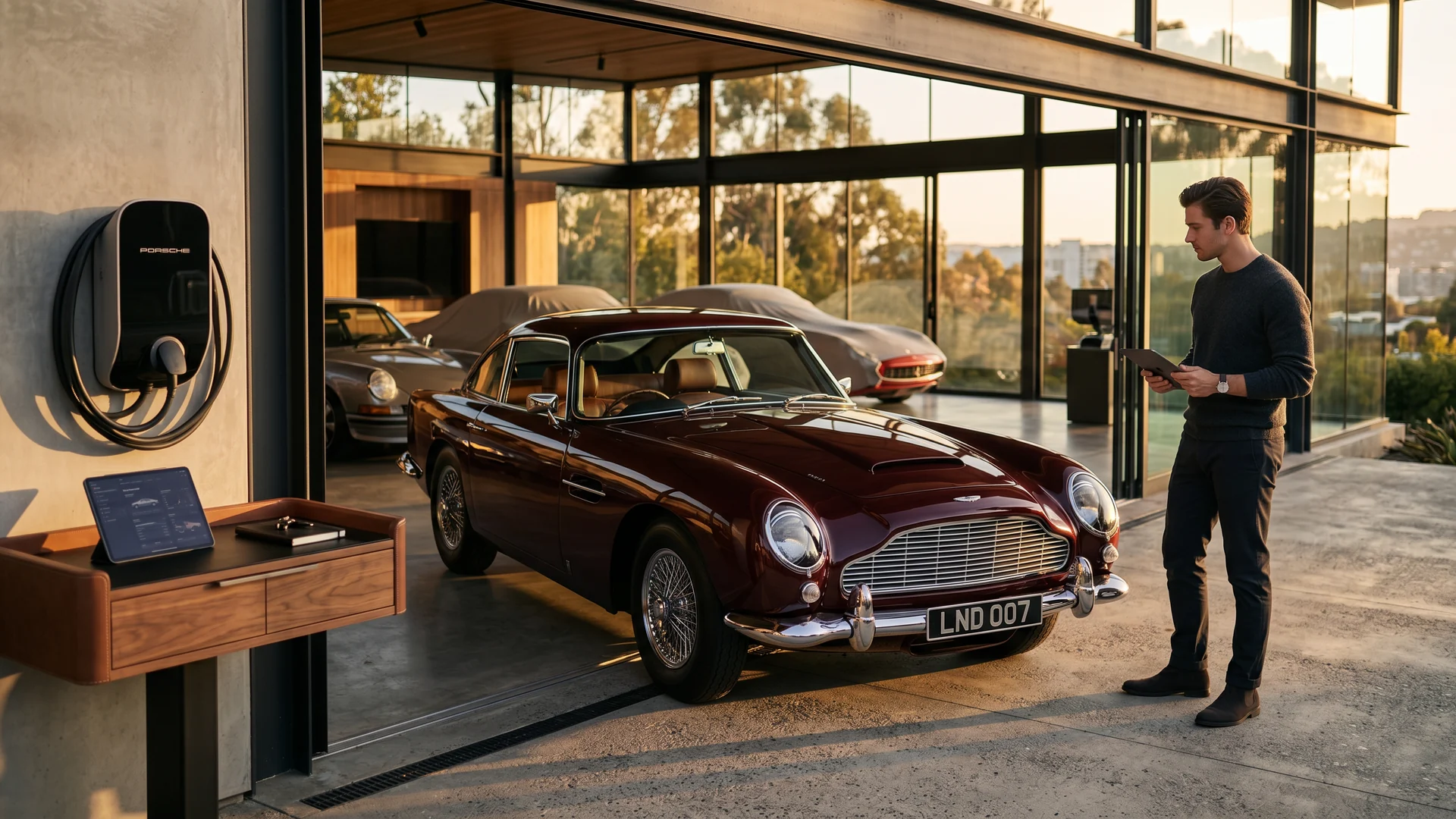
The Future of Classic Car Collecting: Trends Shaping the Next Generation
The future of classic car collecting: why 2035 ICE bans spare existing cars, plus e-fuels, shifting demographics, electromods and fractional ownership…
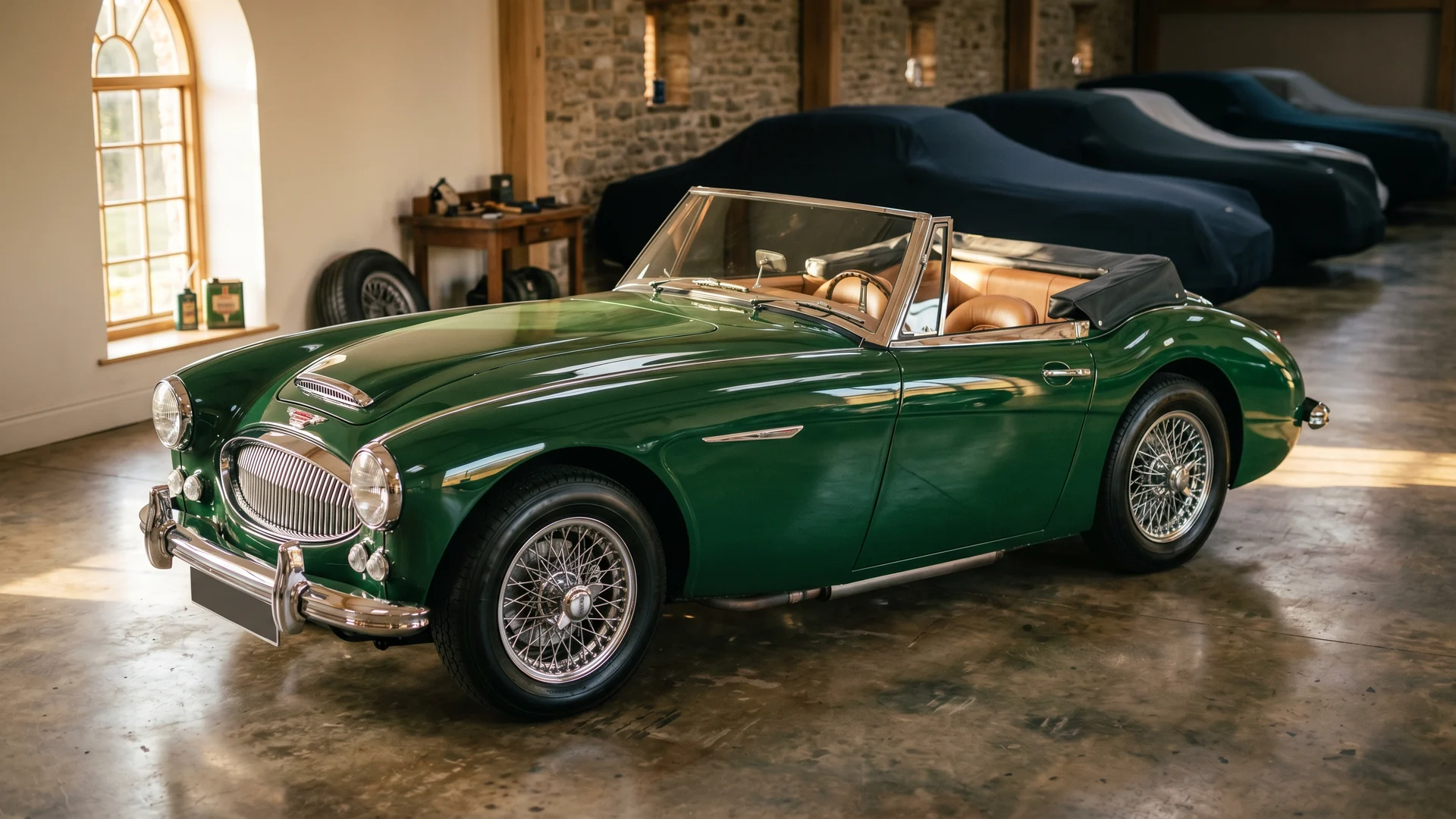
Classic Car Insurance Guide: Protecting Your Vintage Investment
Classic car insurance guide: why agreed-value policies beat stated and actual cash value, how Hagerty, Grundy and Chubb compare, plus costs and covera…
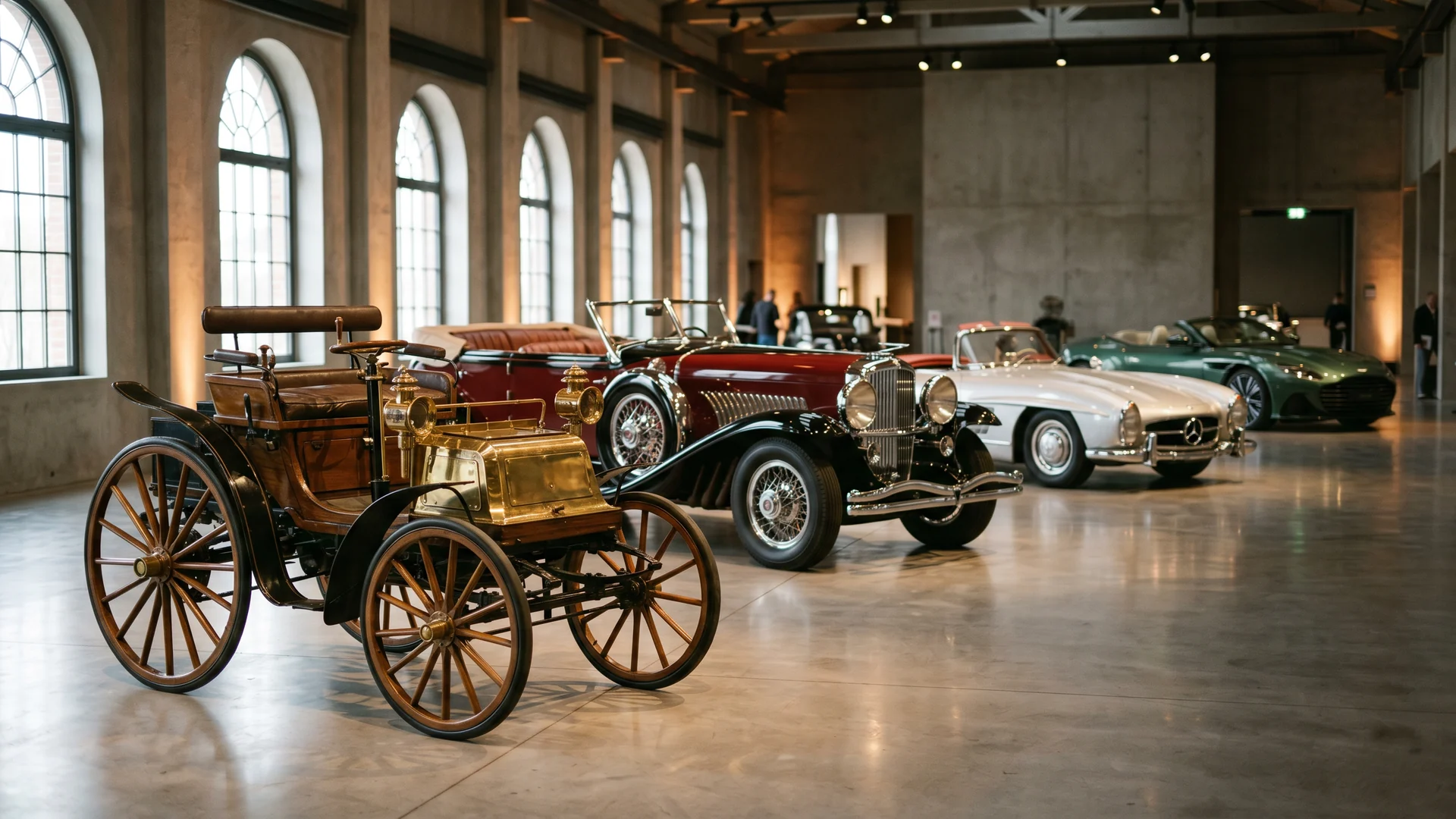
Classic Car History Timeline: From Benz to the Modern Collector Era
Classic car history timeline from the 1886 Benz Patent-Motorwagen through coachbuilding, muscle cars and supercars to modern collectibles. Discover th…