How Heritage Brands Monetize Their Classic Car History
Heritage brands hold a unique place in the automotive industry, representing a rich tapestry of history, craftsmanship, and nostalgia. These brands often evoke strong emotional con…
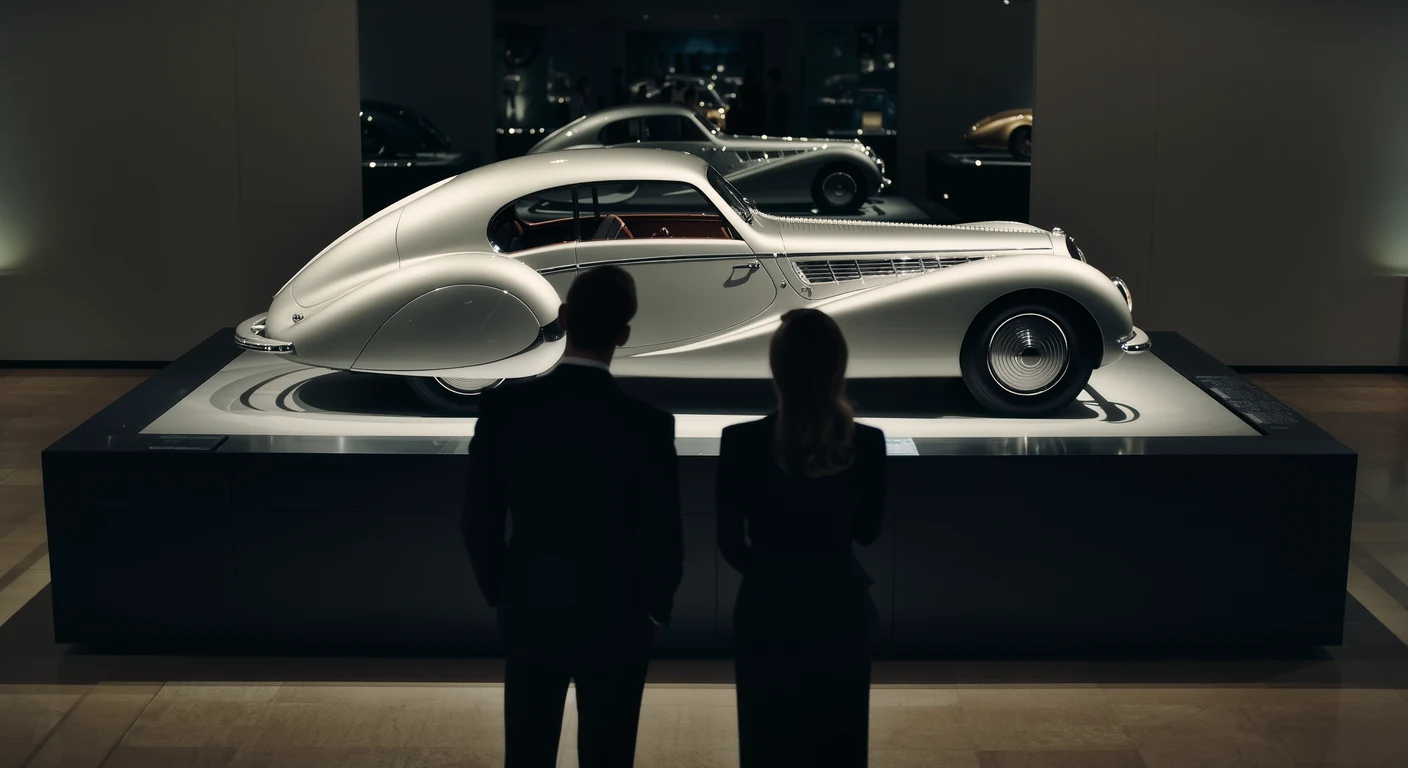
Heritage brands hold a unique place in the automotive industry, representing a rich tapestry of history, craftsmanship, and nostalgia. These brands often evoke strong emotional connections among enthusiasts and collectors, as they embody the spirit of a bygone era. Classic cars, with their timeless designs and engineering marvels, serve as a testament to the innovation and artistry of their time.
The allure of heritage brands lies not only in their iconic vehicles but also in the stories they tell about the evolution of automotive technology and culture. The history of classic cars is intertwined with the development of society itself. From the roaring twenties to the muscle car era of the sixties and seventies, each decade brought forth vehicles that reflected the values and aspirations of their time.
Heritage brands have successfully navigated these changes, adapting to new trends while maintaining their core identity. This blend of tradition and innovation is what makes heritage brands so compelling, both for collectors and for those who appreciate the artistry behind these machines.
Key Takeaways
- Heritage brands use their classic car history to strengthen marketing and brand identity.
- Limited edition models and designer collaborations create exclusivity and modern appeal.
- Hosting events, exhibitions, and offering restoration services engage enthusiasts and preserve legacy.
- Licensing merchandise and producing documentaries expand brand reach and storytelling.
- Digital content, social media campaigns, museums, and driving experiences enhance customer connection.
Leveraging Brand Heritage for Marketing
Heritage brands can leverage their storied past to create powerful marketing narratives that resonate with consumers. By highlighting their history, brands can establish authenticity and trust, which are crucial in today’s competitive market. Storytelling becomes a vital tool in this process, allowing brands to connect emotionally with their audience.
For instance, sharing tales of iconic models or legendary races can evoke nostalgia and inspire loyalty among fans. Moreover, leveraging brand heritage can differentiate a company from its competitors. In an age where consumers are bombarded with choices, a strong heritage narrative can make a brand stand out.
By emphasizing craftsmanship, quality, and tradition, heritage brands can attract discerning customers who value these attributes. This approach not only enhances brand perception but also fosters a community of passionate advocates who are eager to share their love for the brand.
Creating Limited Edition Models
One effective strategy for heritage brands is the creation of limited edition models that celebrate their legacy. These exclusive vehicles often feature unique design elements or advanced technology that pays homage to classic models. By producing a limited number of these cars, brands can create a sense of urgency and exclusivity that appeals to collectors and enthusiasts alike.
Limited edition models also serve as a bridge between the past and present. They allow brands to innovate while honoring their heritage, showcasing how they have evolved over time. This strategy not only generates excitement but also reinforces the brand’s commitment to quality and craftsmanship.
Collectors are often willing to pay a premium for these special editions, making them a lucrative opportunity for heritage brands.
Collaborations with Contemporary Designers
Collaborating with contemporary designers is another avenue for heritage brands to stay relevant while honoring their history. By partnering with modern artists or fashion designers, these brands can infuse fresh perspectives into their classic designs. This approach not only attracts a younger audience but also revitalizes interest in the brand’s legacy.
Such collaborations can take many forms, from limited edition vehicles to branded merchandise that reflects both the heritage and contemporary style. For example, a classic car brand might work with a renowned designer to create a unique interior or exterior design for a new model. This fusion of old and new not only enhances the brand’s appeal but also reinforces its position as a leader in innovation while respecting its roots.
Hosting Heritage Events and Exhibitions
Heritage events and exhibitions provide an excellent platform for brands to showcase their history and engage with fans. These gatherings can range from car shows featuring classic models to exclusive events celebrating significant milestones in the brand’s history. By hosting such events, heritage brands can create memorable experiences that deepen customer loyalty.
Additionally, these events offer opportunities for networking among enthusiasts, collectors, and industry professionals. They foster a sense of community and belonging among fans who share a passion for classic cars. By creating an immersive environment where attendees can interact with vehicles, meet experts, and learn about the brand’s history, heritage brands can strengthen their connection with their audience.
Licensing Agreements for Merchandise
Licensing agreements for merchandise are another effective way for heritage brands to extend their reach and generate additional revenue streams. By partnering with manufacturers of apparel, accessories, or collectibles, these brands can create products that celebrate their legacy while appealing to fans who want to showcase their passion. Merchandise can range from clothing featuring iconic logos to scale models of classic cars.
These products not only serve as promotional tools but also allow fans to express their affinity for the brand in everyday life. By offering high-quality merchandise that reflects the brand’s heritage, companies can enhance customer loyalty and create lasting connections with their audience.
Heritage Brand Restoration Services
Heritage brand restoration services cater to enthusiasts who own classic vehicles and wish to preserve their original condition. These services often include expert restoration work that adheres to the brand’s standards, ensuring that each vehicle maintains its authenticity and value. By offering restoration services, heritage brands can support their customers in preserving automotive history.
Moreover, restoration services provide an opportunity for brands to engage directly with their customers. By working closely with owners during the restoration process, brands can foster relationships built on trust and expertise. This personalized approach not only enhances customer satisfaction but also reinforces the brand’s commitment to quality and craftsmanship.
Heritage Brand Driving Experiences
Heritage brand driving experiences allow enthusiasts to get behind the wheel of classic models in a controlled environment. These experiences often take place on racetracks or scenic routes, providing participants with an unforgettable opportunity to connect with the brand on a personal level. By offering driving experiences, heritage brands can create lasting memories that deepen customer loyalty.
These events also serve as valuable marketing tools.
Additionally, driving experiences allow brands to showcase the performance and handling of their classic models, reinforcing their reputation for quality engineering.
Heritage Brand Museums and Tours
Establishing museums or offering tours dedicated to a brand’s history is an effective way to engage fans and educate the public about automotive heritage. Museums can house iconic vehicles, memorabilia, and interactive exhibits that tell the story of the brand’s evolution over time. By creating an immersive experience, heritage brands can attract visitors who share an interest in automotive history.
Tours can complement museum experiences by providing behind-the-scenes access to manufacturing facilities or design studios. These tours allow fans to witness firsthand the craftsmanship that goes into creating each vehicle. By offering educational experiences that celebrate their legacy, heritage brands can foster a deeper appreciation for their history among enthusiasts.
Heritage Brand Documentary Films and Books
Documentary films and books focused on heritage brands provide an opportunity to delve deeper into their history and impact on the automotive industry. These media formats allow for storytelling that captures the essence of what makes each brand unique. By producing high-quality documentaries or publishing books that explore significant milestones or iconic models, heritage brands can engage audiences on multiple levels.
Such content not only serves as a marketing tool but also contributes to preserving automotive history for future generations. Fans often seek out this type of content to learn more about their favorite brands, creating additional touchpoints for engagement.
Digital Content and Social Media Campaigns
In today’s digital age, effective marketing strategies must include robust online presence through digital content and social media campaigns. Heritage brands can leverage platforms like Instagram, Facebook, and YouTube to share engaging stories about their history, showcase classic models, and connect with fans worldwide. High-quality visuals combined with compelling narratives can captivate audiences and encourage them to engage with the brand.
Social media campaigns can also facilitate user-generated content by encouraging fans to share their own stories or photos related to classic cars. This approach fosters community engagement while amplifying brand visibility across various platforms. By embracing digital content strategies, heritage brands can reach new audiences while nurturing existing relationships with loyal customers.
In conclusion, heritage brands have a wealth of opportunities at their disposal to celebrate their rich histories while remaining relevant in today’s market. From creating limited edition models to hosting engaging events and leveraging digital content strategies, these brands can effectively connect with enthusiasts and collectors alike. By embracing their legacy while innovating for the future, heritage brands can continue to thrive in an ever-evolving automotive landscape.
As you explore the world of heritage brands and classic cars, consider how you might engage with these storied companies, whether through attending events, participating in driving experiences, or simply sharing your passion online. The journey into automotive history awaits you!
FAQs
What are heritage brands in the context of classic cars?
Heritage brands are automotive companies with a long-standing history and legacy in the car industry, often known for producing iconic and classic vehicles that have become symbols of automotive culture.
How do heritage brands monetize their classic car history?
Heritage brands monetize their classic car history through various methods such as limited edition reissues, branded merchandise, licensing deals, classic car restorations, museum exhibitions, and special events that celebrate their legacy.
Why is classic car history valuable to heritage brands?
Classic car history is valuable because it enhances brand prestige, creates emotional connections with customers, attracts collectors and enthusiasts, and provides unique marketing opportunities that differentiate the brand in a competitive market.
What role do limited edition models play in monetizing classic car history?
Limited edition models allow heritage brands to capitalize on nostalgia and exclusivity by producing modern vehicles inspired by or directly replicating classic designs, often at a premium price.
Can heritage brands generate revenue through licensing their classic car designs?
Yes, heritage brands often license their classic car designs and logos for use in merchandise, video games, movies, and other media, generating additional revenue streams.
How do classic car restorations contribute to monetization?
Restorations of classic cars can be a profitable service offered by heritage brands or affiliated specialists, appealing to collectors who want to preserve or enhance the value of vintage vehicles.
Do heritage brands use museums or exhibitions to monetize their history?
Yes, many heritage brands operate museums or organize exhibitions showcasing their classic cars, which can generate income through ticket sales, sponsorships, and branded experiences.
What impact do special events have on monetizing classic car heritage?
Special events such as vintage car rallies, auctions, and anniversary celebrations help heritage brands engage with enthusiasts, promote their legacy, and create opportunities for sales and partnerships.
Is digital content a part of how heritage brands monetize their classic car history?
Increasingly, yes. Heritage brands use digital content like virtual tours, documentaries, and social media campaigns to reach wider audiences, enhance brand loyalty, and support monetization efforts.
How does maintaining a classic car heritage affect a brand’s modern vehicle sales?
Maintaining a classic car heritage can boost modern vehicle sales by reinforcing brand identity, appealing to customers’ sense of tradition and quality, and differentiating the brand in the marketplace.
More from Blog
The Future of Classic Car Collecting: Trends Shaping the Next Generation
The future of classic car collecting: why 2035 ICE bans spare existing cars, plus e-fuels, shifting demographics, electromods and fractional ownership…
Classic Car Insurance Guide: Protecting Your Vintage Investment
Classic car insurance guide: why agreed-value policies beat stated and actual cash value, how Hagerty, Grundy and Chubb compare, plus costs and covera…
Classic Car History Timeline: From Benz to the Modern Collector Era
Classic car history timeline from the 1886 Benz Patent-Motorwagen through coachbuilding, muscle cars and supercars to modern collectibles. Discover th…