How Generational Wealth Shapes the Oldtimer Market
Generational wealth encompasses financial assets and resources transferred from one generation to subsequent generations, creating long-term economic stability for families. These …
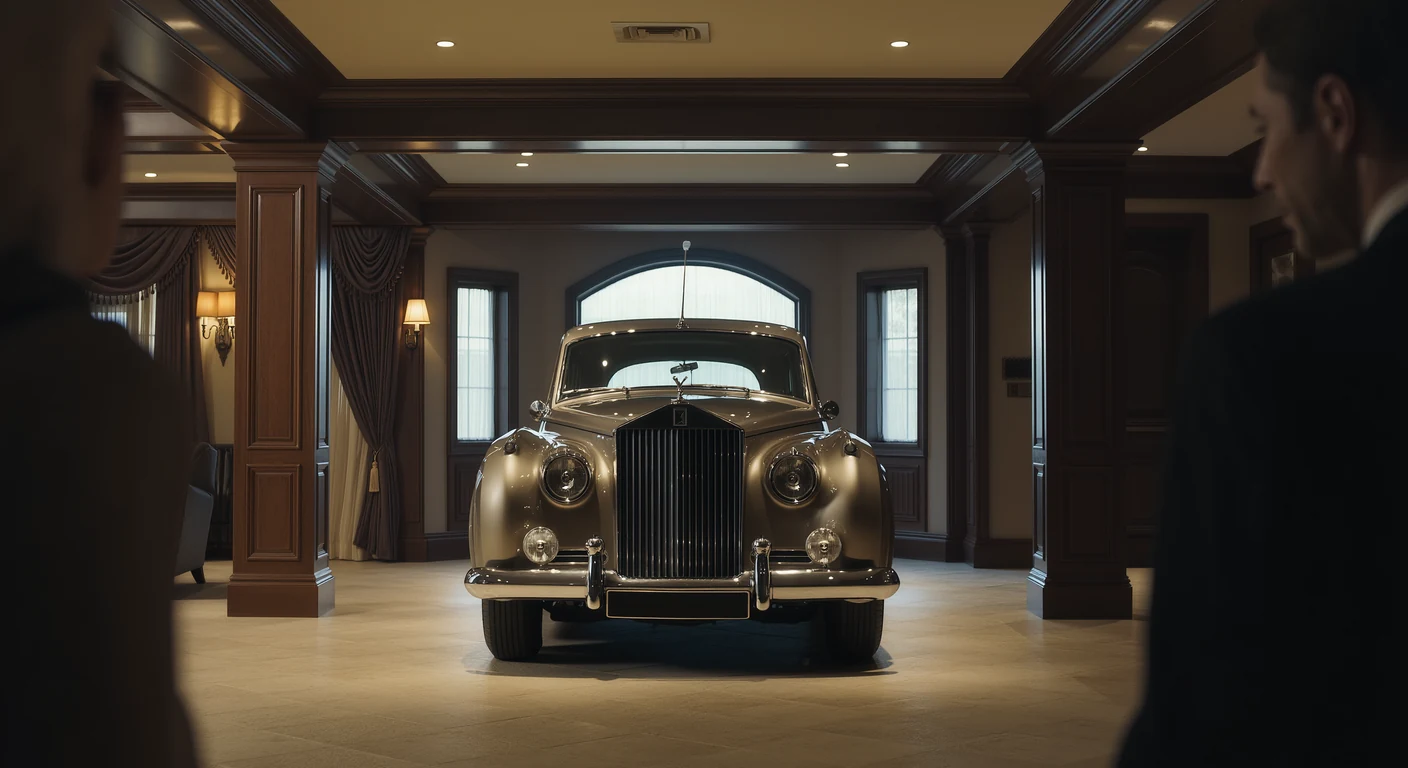
Generational wealth encompasses financial assets and resources transferred from one generation to subsequent generations, creating long-term economic stability for families. These assets typically include liquid funds, real property, securities portfolios, business interests, and tangible assets such as art or collectibles. The fundamental principle involves not only wealth accumulation but also systematic preservation and growth strategies designed to maintain value across multiple generations.
This wealth transfer mechanism provides recipients with enhanced economic opportunities, including access to higher education, capital for business ventures, and reduced financial risk when pursuing career or investment decisions. The absence of immediate financial pressures allows beneficiaries to make strategic long-term choices rather than decisions driven by short-term economic necessity. Beyond its direct financial implications, generational wealth influences social mobility and access to exclusive networks.
Families with established wealth often gain entry to private educational institutions, professional networks, and investment opportunities typically unavailable to first-generation wealth builders. These advantages can compound over time, creating sustained economic and social benefits that extend well beyond the original asset base. The preservation and management of generational wealth significantly impacts various investment markets, as wealthy families often diversify holdings across traditional and alternative asset classes, including collectible markets such as classic automobiles, art, and other appreciating tangible assets.
Key Takeaways
- Generational wealth significantly influences the ownership, acquisition, and value of oldtimers.
- Family legacy and inheritance play key roles in maintaining and passing down oldtimer collections.
- Wealth impacts the restoration, maintenance, and overall care of vintage vehicles.
- Generational wealth shapes oldtimer auctions, sales, and investment trends in the market.
- Preserving generational wealth is closely tied to the stewardship and legacy of oldtimer ownership.
The Impact of Generational Wealth on the Oldtimer Market
Generational wealth significantly influences the oldtimer market, shaping both demand and supply dynamics. Wealthy families often invest in classic cars as a means of preserving their financial legacy while indulging in a passion for automotive history. This trend has led to an increase in the number of high-net-worth individuals entering the oldtimer market, driving up prices and creating a competitive landscape for collectors.
Moreover, generational wealth allows families to maintain and restore their oldtimers meticulously.
As more affluent buyers enter the scene, they often seek rare models with historical significance, further elevating the market’s appeal and driving prices higher.
How Family Legacy Influences Oldtimer Ownership
Family legacy plays a pivotal role in oldtimer ownership, as many collectors view their vehicles as extensions of their family’s history. For some, owning a classic car is not merely about possession; it is about preserving memories and honoring past generations. This emotional connection often leads families to invest in vehicles that have personal significance or historical ties to their lineage.
Additionally, family legacy can dictate the types of oldtimers that are collected. Families with a history in motorsports may gravitate toward racing cars, while those with roots in luxury may prefer vintage models from prestigious brands. This influence shapes not only individual collections but also broader trends within the oldtimer market, as certain models become sought after due to their familial connections.
The Role of Inheritance in Oldtimer Acquisition
Inheritance plays a crucial role in how individuals acquire oldtimers, particularly among families with established generational wealth. When a family member passes down a classic car, it often carries sentimental value alongside its financial worth. This transfer of ownership can spark interest in automotive history among younger generations, leading them to appreciate and invest in oldtimers themselves.
Moreover, inherited vehicles often come with stories and memories that enhance their value beyond mere monetary considerations. These narratives can create a sense of responsibility among heirs to maintain and preserve the vehicle, ensuring that it remains a cherished part of the family legacy. As such, inheritance not only facilitates the acquisition of oldtimers but also strengthens familial bonds through shared experiences and memories.
The Influence of Generational Wealth on Oldtimer Values
Generational wealth has a profound impact on oldtimer values, as affluent buyers are often willing to pay premium prices for rare and historically significant vehicles. This willingness to invest can lead to inflated prices in the market, particularly for models that are perceived as investments rather than mere collectibles. As generational wealth continues to grow among certain demographics, the demand for high-quality oldtimers is likely to increase.
Additionally, generational wealth allows collectors to invest in restoration projects that enhance the value of their vehicles. Well-maintained and restored oldtimers often command higher prices at auctions and sales, further driving up market values. As wealthy families continue to enter the oldtimer market, their influence on pricing trends will likely shape the future landscape of classic car collecting.
The Connection Between Generational Wealth and Oldtimer Collecting
The connection between generational wealth and oldtimer collecting is evident in the motivations behind such investments. For many affluent individuals, collecting classic cars is not just a hobby; it is a way to diversify their investment portfolios while indulging in a passion for automotive history. This dual purpose makes oldtimer collecting an attractive option for those looking to preserve their wealth while enjoying tangible assets.
Furthermore, generational wealth often provides collectors with access to exclusive events, auctions, and networks that enhance their collecting experience. These opportunities allow them to connect with like-minded individuals and gain insights into market trends, further solidifying their position within the oldtimer community. As a result, generational wealth not only fuels individual collections but also contributes to the overall vibrancy of the oldtimer market.
The Effect of Generational Wealth on Oldtimer Restoration and Maintenance
Generational wealth significantly impacts how oldtimers are restored and maintained. Wealthy collectors often have the resources to invest in high-quality restoration services that ensure their vehicles remain in pristine condition. This commitment to quality not only enhances the aesthetic appeal of the cars but also preserves their historical integrity, making them more valuable over time.
Moreover, affluent families may choose to employ specialized restorers who possess expertise in specific makes or models. This level of attention ensures that every detail is meticulously addressed, resulting in vehicles that are not only visually stunning but also mechanically sound. As generational wealth continues to influence restoration practices, we can expect to see an increase in the quality and value of restored oldtimers in the market.
How Generational Wealth Shapes Oldtimer Auctions and Sales
Generational wealth plays a significant role in shaping oldtimer auctions and sales dynamics. Wealthy buyers often dominate high-profile auctions, driving up prices for rare models and creating competitive bidding environments. This influx of capital can lead to record-breaking sales figures, further solidifying the status of certain vehicles as investment-grade assets.
Additionally, auction houses may cater specifically to affluent clients by offering exclusive previews and private sales events. These tailored experiences enhance the buying process for wealthy collectors while fostering a sense of exclusivity within the market. As generational wealth continues to influence auction dynamics, we can expect to see an ongoing evolution in how classic cars are bought and sold.
The Future of the Oldtimer Market in Relation to Generational Wealth
The future of the oldtimer market appears promising as generational wealth continues to grow among affluent families. As younger generations inherit wealth and develop an interest in classic cars, we can anticipate an influx of new collectors entering the market. This trend will likely drive demand for specific models while influencing pricing dynamics across various segments.
Moreover, as environmental concerns rise and electric vehicles gain popularity, traditional combustion engine vehicles may become increasingly sought after as symbols of nostalgia and heritage. Generational wealth will play a crucial role in this shift, as affluent buyers may seek out classic cars as investments that appreciate over time while also serving as reminders of automotive history.
The Intersection of Generational Wealth and Oldtimer Investment
The intersection of generational wealth and oldtimer investment presents unique opportunities for collectors looking to diversify their portfolios. Classic cars have historically shown resilience against economic downturns, making them attractive assets for wealthy individuals seeking stability amidst market fluctuations. This trend has led many affluent families to view oldtimers not just as collectibles but as viable investment options.
Furthermore, investing in classic cars allows wealthy individuals to enjoy tangible assets while potentially reaping financial rewards over time. As generational wealth continues to shape investment strategies within this demographic, we can expect an increasing number of collectors to enter the oldtimer market with an eye toward long-term appreciation.
The Importance of Preserving Generational Wealth Through Oldtimer Ownership
Preserving generational wealth through oldtimer ownership is essential for maintaining family legacies and ensuring future financial stability. Classic cars serve as both investments and cherished heirlooms that can be passed down through generations. By investing in well-maintained vehicles with historical significance, families can create lasting memories while safeguarding their financial futures.
Moreover, owning classic cars fosters a sense of pride and connection among family members as they share stories and experiences related to their vehicles. This emotional bond reinforces the importance of preserving generational wealth while instilling values related to stewardship and responsibility within younger generations. Ultimately, oldtimer ownership becomes a means of honoring family history while securing financial well-being for years to come.
In conclusion, generational wealth profoundly influences various aspects of the oldtimer market, from ownership dynamics to investment strategies.
By understanding this relationship, collectors can navigate the complexities of the oldtimer market while preserving their family legacies for future generations.
FAQs
What is generational wealth?
Generational wealth refers to assets, money, and property passed down from one generation to the next within a family. It often includes investments, real estate, businesses, and valuable collectibles.
How does generational wealth influence the oldtimer car market?
Generational wealth provides families with the financial resources to invest in and maintain classic or vintage cars, often preserving these vehicles as valuable assets. Wealth passed down can also increase demand for rare and high-value oldtimer cars.
Why are oldtimer cars considered valuable assets?
Oldtimer cars are considered valuable due to their rarity, historical significance, craftsmanship, and cultural appeal. Well-maintained classic cars can appreciate over time, making them attractive investments for collectors.
Do families with generational wealth tend to invest more in oldtimer cars?
Yes, families with generational wealth often have the means to invest in oldtimer cars, viewing them as both a passion and a way to diversify their asset portfolio. This investment can also serve as a legacy to pass down through generations.
What role does preservation play in the oldtimer market?
Preservation is crucial in the oldtimer market because the condition and authenticity of a classic car significantly affect its value. Generational wealth can support the costs of restoration, maintenance, and storage necessary to keep these vehicles in prime condition.
Are oldtimer cars a common form of inheritance?
In some wealthy families, oldtimer cars are indeed passed down as part of an inheritance. These vehicles can carry sentimental value and represent a family’s history, making them cherished heirlooms.
How does the oldtimer market benefit from wealthy collectors?
Wealthy collectors often drive demand for rare and high-quality oldtimer cars, which can increase market prices and encourage the preservation of automotive history. Their investments can also support related industries such as restoration and auctions.
Is the oldtimer market accessible to all income levels?
While the oldtimer market includes a range of vehicles at different price points, the most valuable and rare classic cars are typically accessible only to those with significant financial resources, including generational wealth.
What factors affect the value of oldtimer cars besides generational wealth?
Other factors include the car’s rarity, historical importance, condition, originality, provenance, and market trends. Enthusiast interest and cultural significance also play important roles in determining value.
Can investing in oldtimer cars be considered a reliable financial strategy?
Investing in oldtimer cars can be profitable but also carries risks such as market volatility, maintenance costs, and liquidity challenges. It is often recommended as part of a diversified investment portfolio rather than a sole financial strategy.
More from Blog
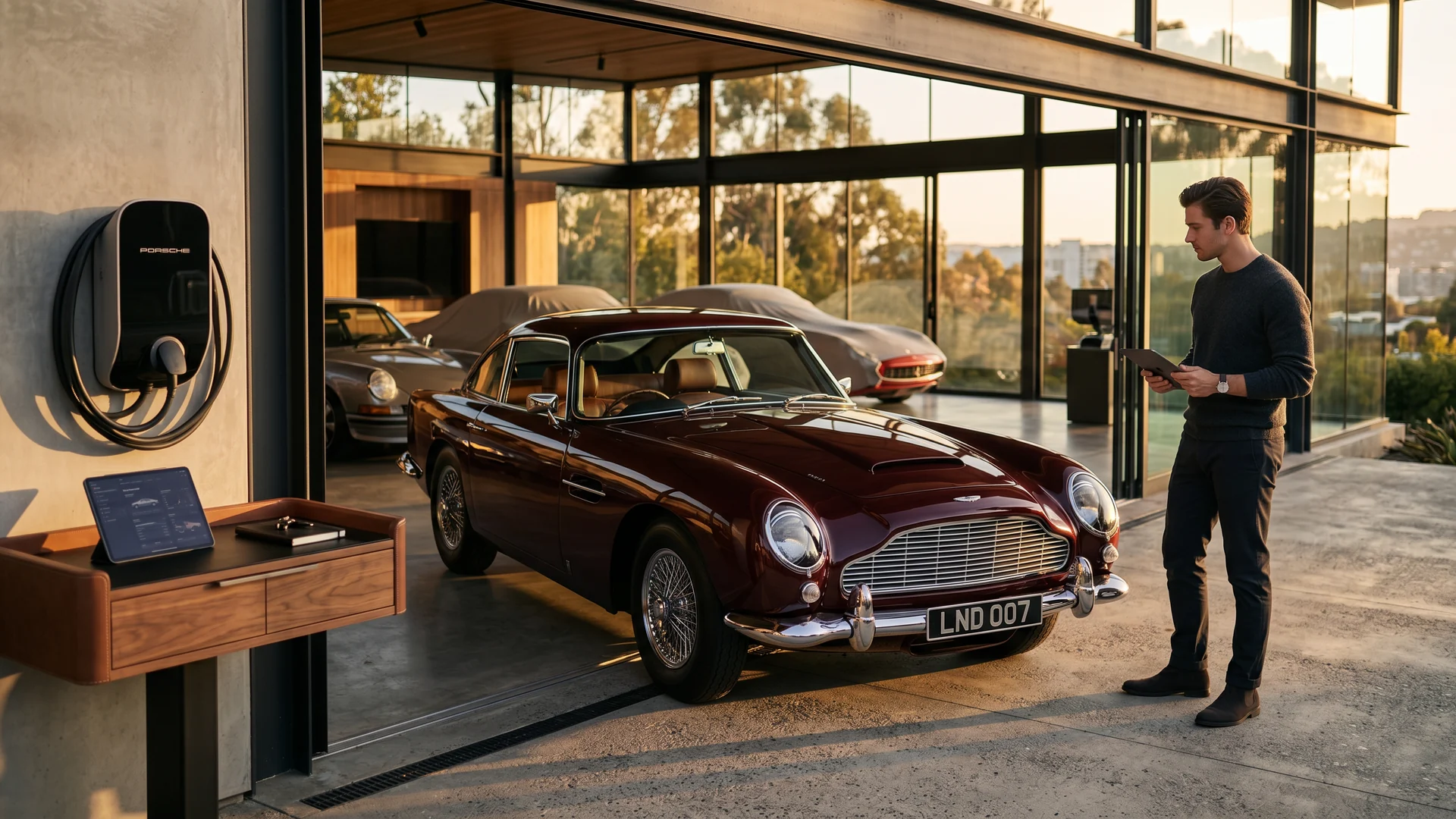
The Future of Classic Car Collecting: Trends Shaping the Next Generation
The future of classic car collecting: why 2035 ICE bans spare existing cars, plus e-fuels, shifting demographics, electromods and fractional ownership…
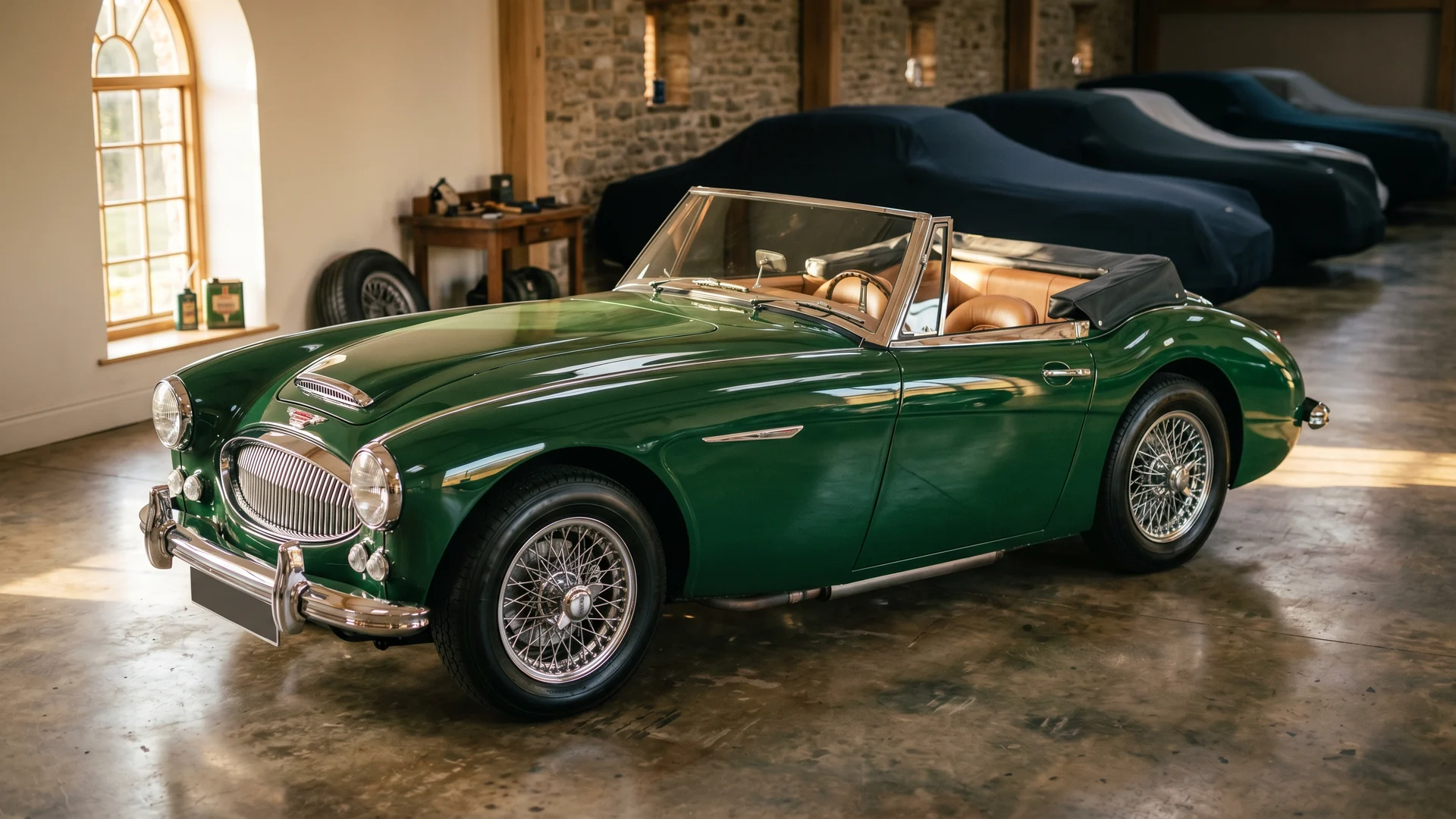
Classic Car Insurance Guide: Protecting Your Vintage Investment
Classic car insurance guide: why agreed-value policies beat stated and actual cash value, how Hagerty, Grundy and Chubb compare, plus costs and covera…
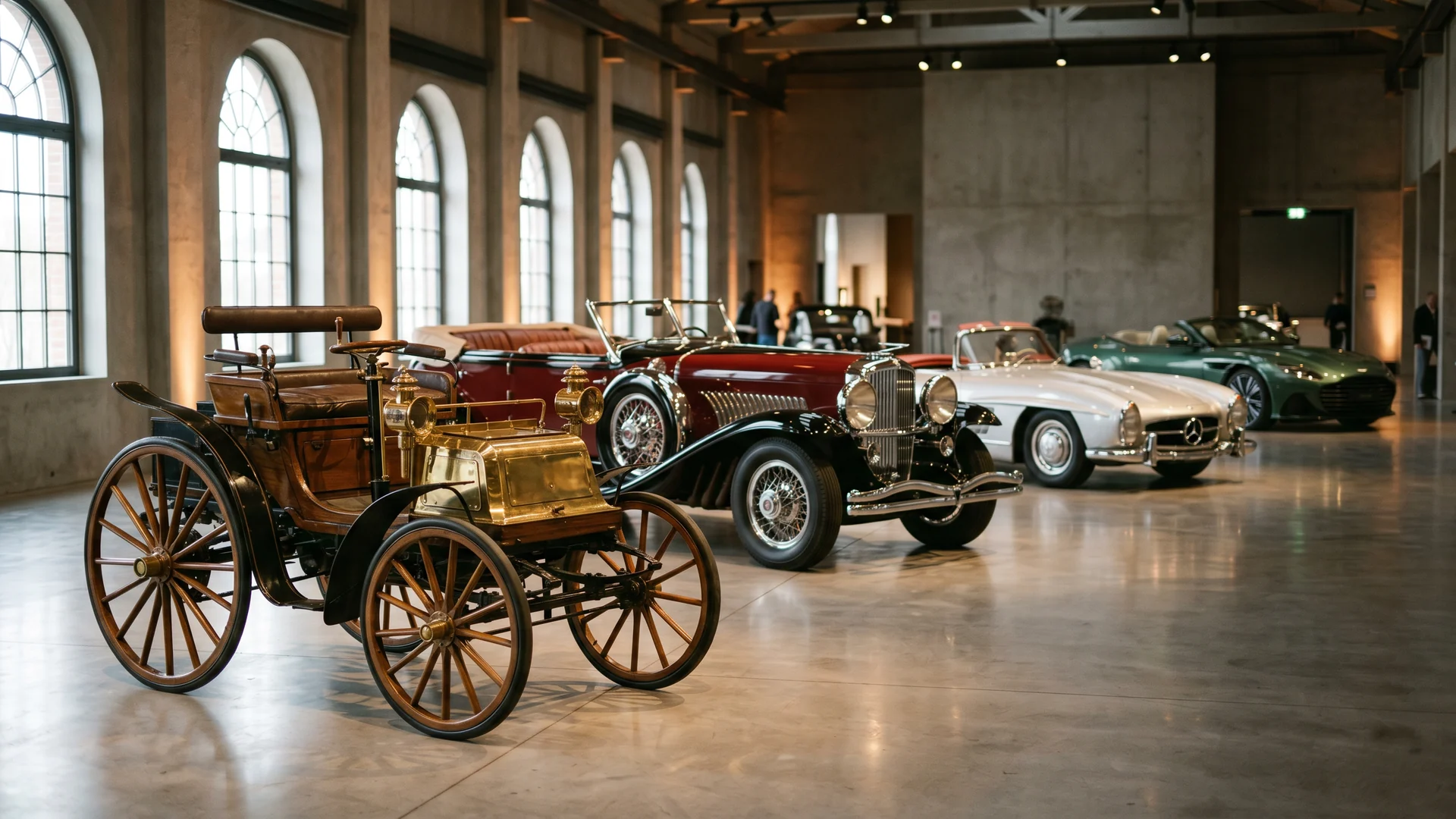
Classic Car History Timeline: From Benz to the Modern Collector Era
Classic car history timeline from the 1886 Benz Patent-Motorwagen through coachbuilding, muscle cars and supercars to modern collectibles. Discover th…