How Emotional Value Drives Irrational Classic Car Prices
Nostalgia significantly influences classic car collecting behavior and market dynamics. Research indicates that collectors frequently form emotional attachments to vehicles that co…
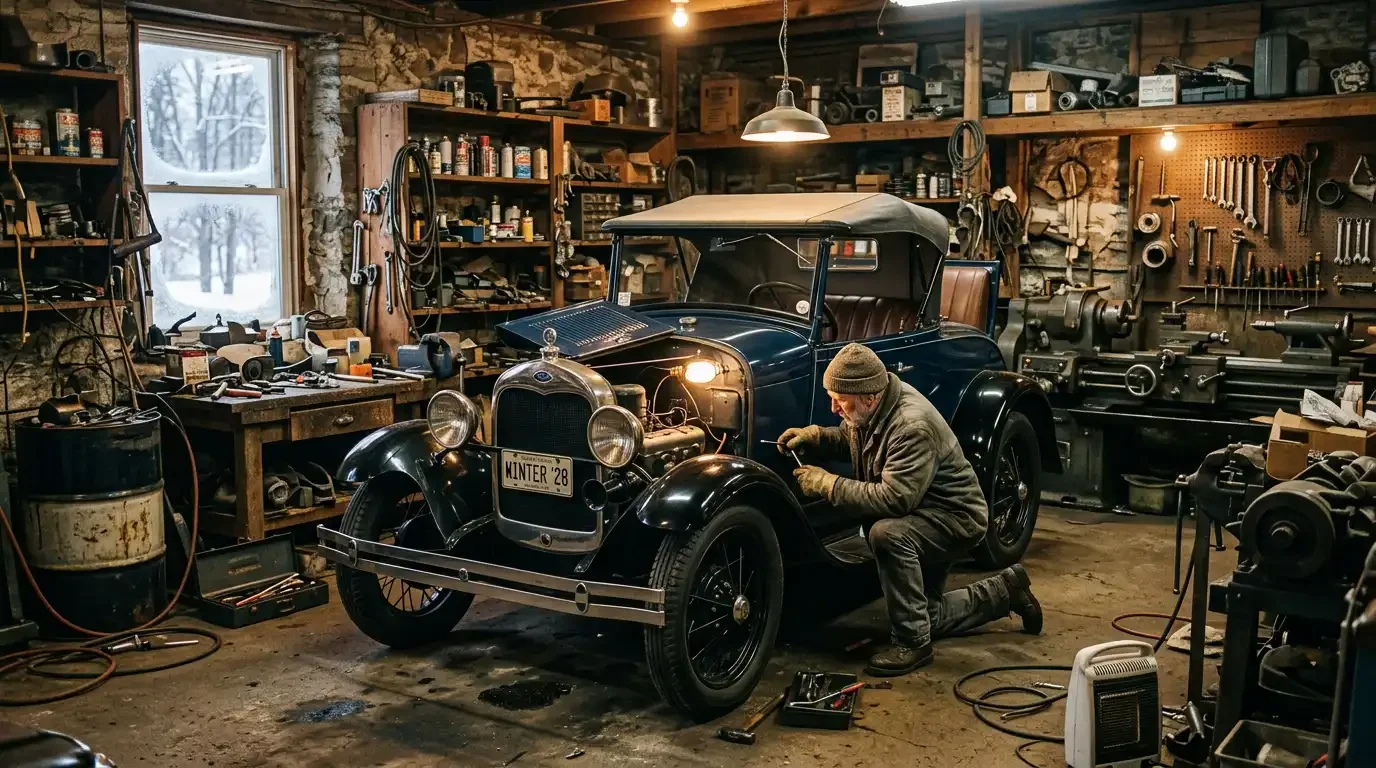
Nostalgia significantly influences classic car collecting behavior and market dynamics. Research indicates that collectors frequently form emotional attachments to vehicles that connect them to specific periods in their lives, including childhood experiences, family memories, or cultural milestones. These psychological connections often override purely financial considerations when making purchasing decisions.
The preservation aspect of classic car collecting reflects documented patterns in heritage conservation. Collectors typically view themselves as custodians of automotive history, maintaining vehicles that represent specific technological achievements, design philosophies, or manufacturing techniques from earlier decades.
Classic cars from certain eras, particularly the 1950s through 1970s, command premium prices partly due to their association with perceived golden ages of automotive design and engineering. Market data shows that vehicles connected to significant cultural moments or technological innovations tend to appreciate more consistently than those without such historical context. This pattern demonstrates how cultural memory and historical significance directly impact collector behavior and market valuations.
Key Takeaways
- Nostalgia and emotional connections significantly influence classic car collecting and auctions.
- Emotional attachments often lead to higher prices and irrational purchasing decisions.
- Rarity combined with sentimental value enhances the overall valuation of classic cars.
- Restoring classic cars provides a strong emotional appeal for collectors and enthusiasts.
- Emotional investment plays a crucial role in shaping the future market and pricing of classic cars.
The Influence of Emotion on Classic Car Auctions
Emotion significantly influences the dynamics of classic car auctions. Bidders often find themselves caught up in the excitement of the moment, driven by their emotional attachments to specific models or brands. This emotional engagement can lead to competitive bidding wars, where rational decision-making takes a backseat to the thrill of ownership.
As a result, auction prices can soar beyond market value, reflecting the emotional stakes involved rather than just the car’s condition or rarity. Additionally, auction houses understand the power of emotion and often curate experiences that heighten this connection. From showcasing cars with compelling backstories to creating an atmosphere that celebrates automotive history, these strategies tap into bidders’ emotions.
The more emotionally invested a bidder feels, the more likely they are to make impulsive decisions, leading to inflated prices that may not align with traditional valuation metrics.
Emotional Attachments and the Escalation of Classic Car Prices
Emotional attachments play a crucial role in escalating classic car prices. When collectors form bonds with specific vehicles, their perceived value often exceeds market expectations. A car that reminds someone of their first love or a family member can command a premium simply because of its emotional significance.
This phenomenon creates a unique market dynamic where personal stories can drive prices higher than objective assessments would suggest. Furthermore, as more collectors enter the market, the competition for emotionally significant vehicles intensifies. Bidders may overlook mechanical flaws or restoration needs if they feel a strong connection to a particular model.
This emotional bias can lead to bidding wars that push prices to unprecedented levels, illustrating how sentiment can overshadow logic in the classic car market.
The Role of Rarity and Emotional Value in Classic Car Valuation
Rarity is a key factor in classic car valuation, but it is often intertwined with emotional value. While a limited production run can enhance a car’s desirability, its emotional significance can elevate its worth even further. For instance, a rare model that evokes fond memories for collectors may fetch higher prices than similar vehicles lacking that emotional connection.
This interplay between rarity and sentiment creates a complex valuation landscape where traditional metrics may not fully capture a car’s true worth. Moreover, collectors often seek out rare models not just for their investment potential but also for the stories they carry. A classic car with a unique history or connection to a famous figure can command attention and admiration, making it more valuable in the eyes of enthusiasts.
This blend of rarity and emotional resonance underscores the importance of understanding both factors when assessing classic car values.
The Emotional Appeal of Restoring Classic Cars
Restoring classic cars is an emotionally charged endeavor that attracts many enthusiasts. The process allows collectors to breathe new life into vehicles that may have fallen into disrepair, creating a sense of accomplishment and pride. Each restoration project becomes a labor of love, where collectors invest time, effort, and resources to revive not just the car but also the memories associated with it.
Additionally, restoring classic cars fosters a deep connection between the owner and the vehicle. As collectors meticulously work on every detail, they develop an intimate understanding of the car’s history and mechanics. This emotional bond enhances the overall experience, making the finished product more than just a restored vehicle; it becomes a cherished piece of art that embodies personal dedication and passion.
The Emotional Connection to Classic Car Brands and Models
The emotional connection to specific classic car brands and models is profound among collectors. Many enthusiasts have brand loyalty rooted in family traditions or personal experiences with certain vehicles. For instance, someone who grew up riding in a Ford Mustang may feel an irresistible pull toward that brand when considering their own collection.
This emotional attachment can significantly influence purchasing decisions and drive demand for specific models. Moreover, iconic brands often carry rich histories that resonate with collectors on multiple levels. The stories behind legendary models, whether it’s their performance in motorsports or their cultural significance, add layers of emotional value that enhance their appeal.
As collectors seek to own a piece of this history, they are willing to pay premium prices for vehicles that embody their passion for these brands.
How Sentimental Value Drives Irrational Classic Car Purchases
Sentimental value often leads to irrational purchasing decisions in the classic car market. Collectors may find themselves drawn to vehicles that hold personal significance rather than those that represent sound investments. This emotional bias can result in buyers overlooking critical factors such as condition, rarity, or market trends when making purchases.
For example, an individual might pay top dollar for a classic car that reminds them of their childhood without considering its actual market value or potential resale prospects. This phenomenon highlights how sentiment can cloud judgment and lead to financial decisions that may not align with traditional investment strategies. Ultimately, sentimental value can create opportunities for sellers but also risks for buyers who let emotions dictate their choices.
The Psychological Factors Behind the Skyrocketing Prices of Classic Cars
The skyrocketing prices of classic cars can be attributed to various psychological factors at play within the market. One significant factor is the concept of scarcity; as fewer classic cars remain on the road, their perceived value increases among collectors. This scarcity creates urgency and competition among buyers, driving prices higher as individuals vie for ownership of these limited resources.
Additionally, social proof plays a role in influencing buyer behavior. When collectors see others investing heavily in classic cars or hear success stories about significant returns on investment, they may feel compelled to follow suit. This herd mentality can lead to inflated prices as more individuals enter the market driven by fear of missing out (FOMO) on potential gains.
Emotional Investment and the Classic Car Market
Emotional investment is a defining characteristic of the classic car market. Collectors often pour not only money but also time and passion into their vehicles, creating deep connections that go beyond mere ownership.
Moreover, emotional investment can create barriers to selling for many collectors. When individuals form strong attachments to their cars, they may hesitate to part with them even if financial circumstances dictate otherwise. This reluctance can contribute to limited supply in the market, further driving up prices as demand continues to outpace availability.
The Impact of Emotionally-Driven Buying on Classic Car Investment
Emotionally-driven buying has significant implications for classic car investment strategies. While some investors focus solely on financial returns, many enthusiasts prioritize personal satisfaction and enjoyment over potential profits. This distinction shapes how individuals approach collecting and investing in classic cars.
As emotionally-driven buyers enter the market, they may be less concerned about traditional valuation metrics and more focused on finding vehicles that resonate with them personally. This shift can create opportunities for sellers who understand the emotional aspects of their cars’ appeal and can effectively communicate those stories to potential buyers.
The Future of Emotional Value in Classic Car Pricing
The future of emotional value in classic car pricing appears promising as more collectors recognize the importance of sentiment in their purchasing decisions. As younger generations enter the market with different perspectives on ownership and investment, emotional connections will likely continue to shape trends in classic car collecting. Additionally, as technology advances and new platforms emerge for buying and selling classic cars, storytelling will become increasingly vital in marketing these vehicles.
Sellers who effectively convey the emotional narratives behind their cars will likely see greater success in attracting buyers willing to pay premium prices based on sentiment alone. In conclusion, nostalgia and emotion are powerful forces driving the classic car market. Understanding these dynamics can help both buyers and sellers navigate this unique landscape effectively while appreciating the deeper connections that make classic cars so special.
FAQs
What is meant by emotional value in classic car pricing?
Emotional value refers to the sentimental or nostalgic attachment that buyers have towards classic cars, which can significantly influence their willingness to pay higher prices beyond the car’s functional or market value.
Why do classic cars often sell for prices that seem irrational?
Classic cars can sell for seemingly irrational prices because buyers factor in emotional connections, rarity, historical significance, and personal memories, which can drive demand and inflate prices beyond typical market valuations.
How does nostalgia impact the price of classic cars?
Nostalgia can increase the perceived value of a classic car as buyers may associate the vehicle with a particular era, personal experiences, or cultural significance, leading them to pay a premium to own a piece of that history.
Are classic car prices influenced more by condition or emotional value?
While condition and mechanical soundness are important, emotional value often plays a larger role in classic car pricing, especially for rare or iconic models where sentimental factors can outweigh purely technical assessments.
Can emotional value cause price bubbles in the classic car market?
Yes, emotional value can contribute to price bubbles when demand driven by sentiment and speculation pushes prices beyond sustainable levels, potentially leading to sharp corrections if market sentiment changes.
How do collectors justify paying high prices for classic cars?
Collectors often justify high prices by valuing the emotional satisfaction, prestige, and unique ownership experience that classic cars provide, viewing them as investments or cherished possessions rather than just vehicles.
Is emotional value unique to classic cars or common in other markets?
Emotional value is common in many markets involving collectibles, antiques, and luxury goods, where personal attachment and cultural significance can heavily influence pricing beyond intrinsic or functional value.
What factors contribute to the emotional value of a classic car?
Factors include the car’s design, historical importance, rarity, association with famous personalities or events, personal memories, and the cultural impact of the model or brand.
How can buyers assess if a classic car’s price is justified?
Buyers should consider both objective factors like condition, provenance, and market trends, as well as subjective elements such as emotional appeal and personal significance, to determine if the price aligns with their valuation.
Does emotional value affect the resale potential of classic cars?
Yes, emotional value can enhance resale potential by maintaining strong demand among enthusiasts and collectors who value the car’s sentimental and historical attributes, often supporting higher resale prices.
More from Blog
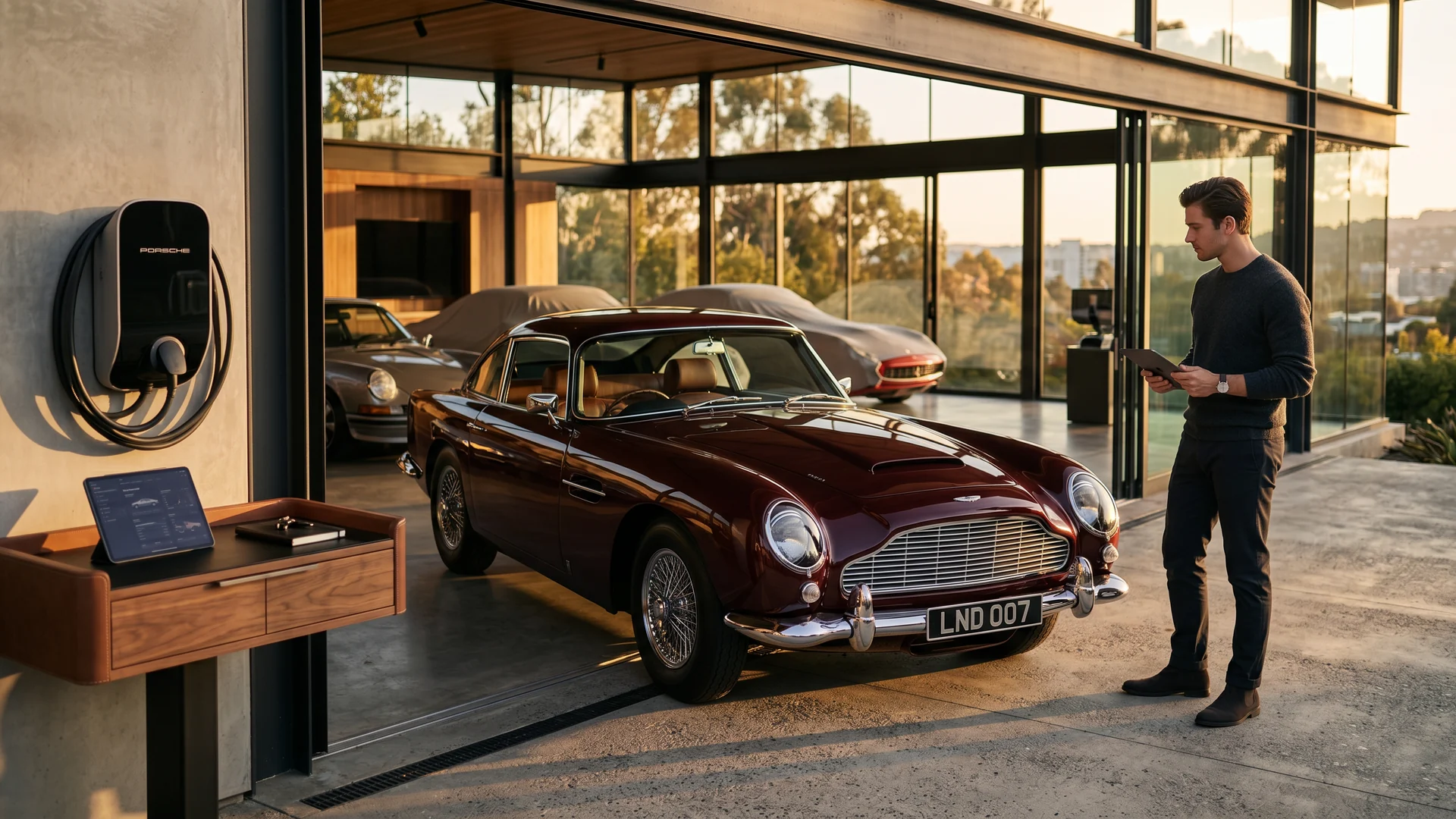
The Future of Classic Car Collecting: Trends Shaping the Next Generation
The future of classic car collecting: why 2035 ICE bans spare existing cars, plus e-fuels, shifting demographics, electromods and fractional ownership…
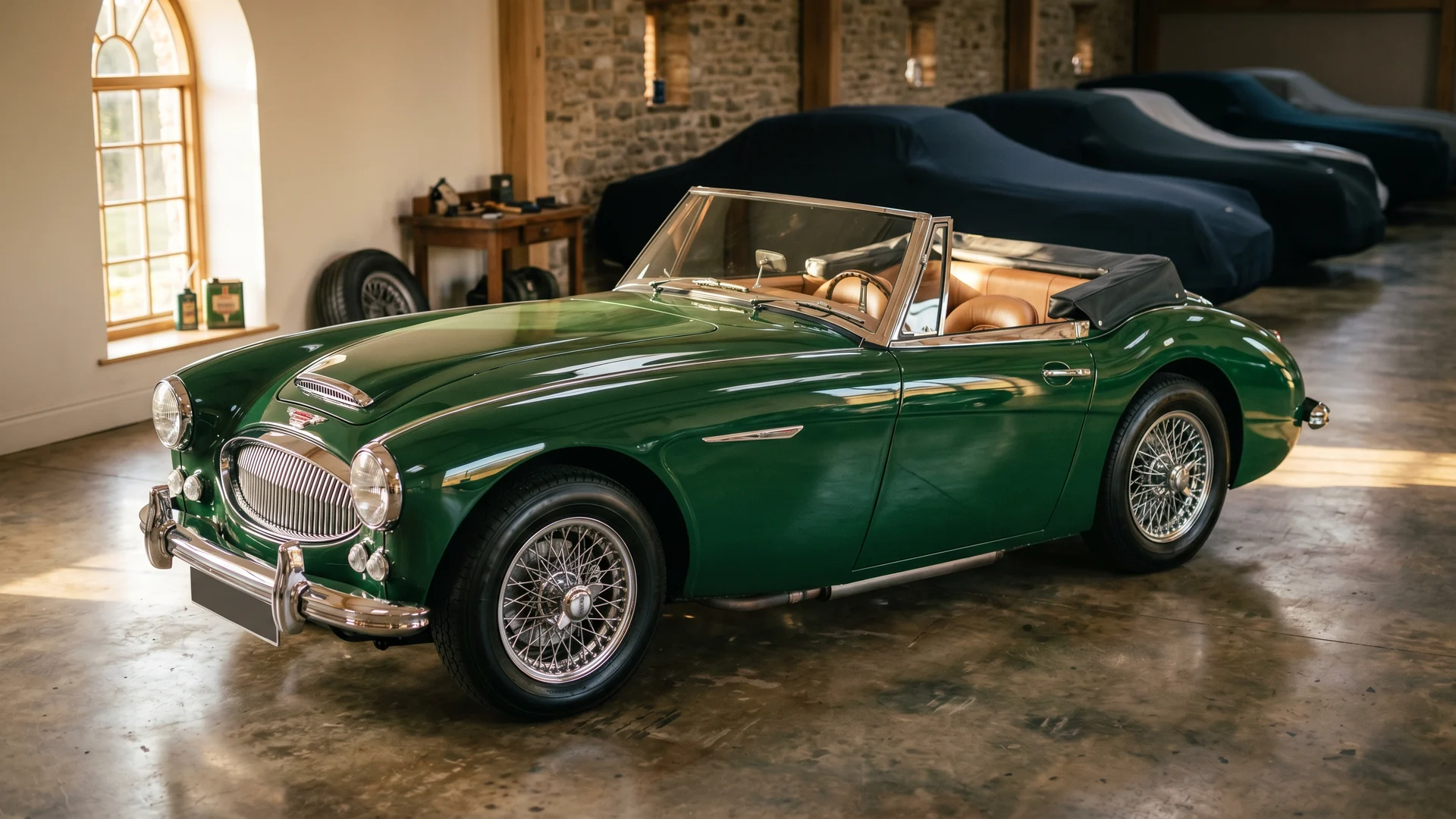
Classic Car Insurance Guide: Protecting Your Vintage Investment
Classic car insurance guide: why agreed-value policies beat stated and actual cash value, how Hagerty, Grundy and Chubb compare, plus costs and covera…
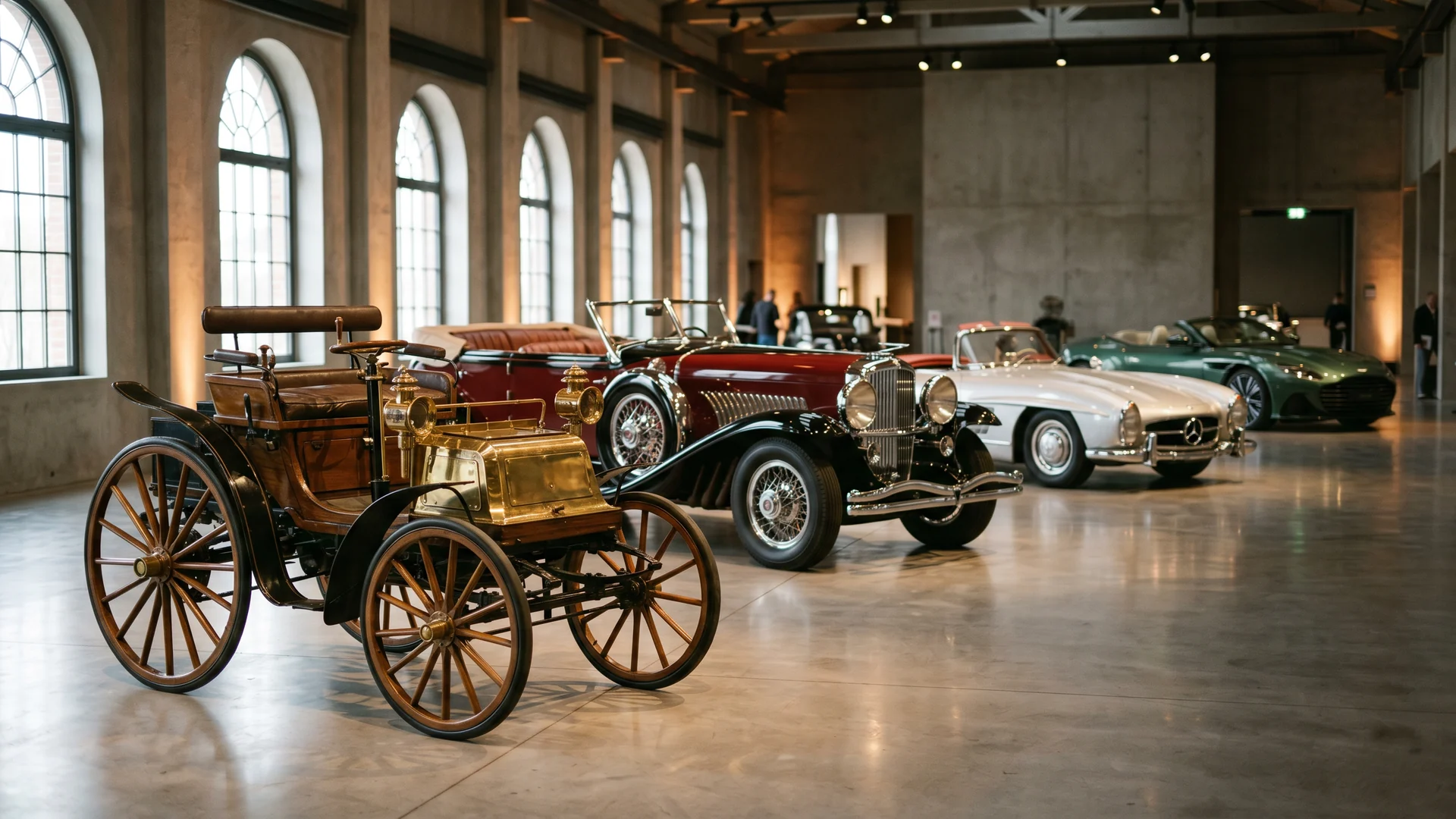
Classic Car History Timeline: From Benz to the Modern Collector Era
Classic car history timeline from the 1886 Benz Patent-Motorwagen through coachbuilding, muscle cars and supercars to modern collectibles. Discover th…