How Elite Circles Decide Which Oldtimers Become Legends
Elite circles consist of influential individuals who have achieved significant success in business, politics, arts, and other professional domains. These groups maintain exclusivit…

Elite circles consist of influential individuals who have achieved significant success in business, politics, arts, and other professional domains. These groups maintain exclusivity while exercising considerable influence over public opinion and societal change. Membership in such circles typically requires demonstrated expertise, substantial achievements, and recognition within specific fields.
The composition and standards of elite circles evolve with changing cultural and social contexts. Long-standing members, often referred to as veterans or established figures, frequently assume mentorship roles for newer participants while maintaining institutional knowledge and established practices. These experienced members help preserve organizational culture and facilitate the integration of emerging leaders.
The internal dynamics of elite circles operate through multiple interconnected factors. Professional accomplishments, network relationships, reputation, and historical contributions all influence an individual’s standing within these groups. Recognition as a distinguished figure within elite circles generally requires sustained excellence, significant impact on one’s field, and acknowledgment from peers and the broader community.
Understanding these operational mechanisms provides insight into how influence and recognition function within professional and social hierarchies.
Key Takeaways
- Becoming a legend in elite circles requires a combination of influence, achievements, and strong personal connections.
- Legacy and impact are crucial for maintaining long-term recognition and respect within these groups.
- Storytelling, media portrayal, and public perception significantly shape how legends are viewed and remembered.
- Endorsements, sponsorships, and peer recognition play key roles in solidifying a person’s status and influence.
- The evolution of legends is ongoing, driven by networking, relationships, and adapting to changing social dynamics.
The Criteria for Becoming a Legend
Becoming a legend in elite circles is not merely about achieving success; it involves a combination of qualities that set individuals apart from their peers. First and foremost, a legend must demonstrate exceptional skill or talent in their field. This expertise often garners respect and admiration from others, establishing a foundation for influence.
Another critical criterion is the ability to inspire others. Legends often serve as role models, motivating those around them to strive for greatness.
This inspirational quality can manifest through mentorship, public speaking, or simply by leading by example. Furthermore, legends are typically characterized by their commitment to their values and principles, which resonate with their audience and foster loyalty. In essence, the journey to legendary status is marked by a blend of talent, resilience, inspiration, and unwavering integrity.
The Role of Influence and Connections
Influence is a cornerstone of legendary status within elite circles. It is not enough to be skilled; one must also possess the ability to sway opinions and inspire action. This influence often stems from a robust network of connections that can amplify an individual’s voice and reach.
Legends understand the importance of building relationships with key players in their industry, leveraging these connections to create opportunities for collaboration and growth. Moreover, connections can serve as a catalyst for recognition. When influential figures endorse or support a legend’s work, it elevates their status within elite circles.
This endorsement can take many forms, from public praise to strategic partnerships that enhance visibility. Ultimately, the interplay between influence and connections is vital for anyone seeking to establish themselves as a legend in their field.
The Importance of Legacy and Impact
Legacy is a powerful motivator for those striving for legendary status. A true legend leaves behind more than just personal achievements; they create a lasting impact that resonates with future generations. This impact can manifest in various ways, such as groundbreaking innovations, philanthropic efforts, or cultural contributions that shape societal norms.
The importance of legacy extends beyond individual accomplishments; it encompasses the broader influence one has on their community or industry. Legends often engage in initiatives that promote positive change, demonstrating a commitment to social responsibility. By prioritizing legacy over mere success, individuals can cultivate a reputation that endures long after they are gone, solidifying their place in elite circles.
The Power of Storytelling and Myth-making
Storytelling plays a crucial role in the construction of legendary status within elite circles. Narratives surrounding an individual’s journey can elevate their achievements and create a sense of mystique that captivates audiences. Legends are often defined by compelling stories that highlight their struggles, triumphs, and unique qualities.
Myth-making goes hand-in-hand with storytelling; it involves crafting an image that transcends reality. Legends are frequently portrayed as larger-than-life figures whose experiences resonate deeply with others. This mythologization can enhance their influence and solidify their status within elite circles.
By harnessing the power of storytelling, individuals can create a narrative that not only showcases their accomplishments but also inspires others to pursue their own legendary journeys.
The Influence of Media and Public Perception
In today’s digital age, media plays an integral role in shaping public perception of legends within elite circles. The way an individual is portrayed in the media can significantly impact their reputation and influence. Positive coverage can elevate a person’s status, while negative portrayals can tarnish their legacy.
Social media platforms have further amplified this dynamic, allowing legends to connect directly with their audience and share their narratives. However, this accessibility also means that public perception can shift rapidly based on trending topics or viral moments. Legends must navigate this landscape carefully, maintaining authenticity while managing their public image.
The Role of Success and Achievements
Success is often the first criterion that comes to mind when considering legendary status. Achievements in one’s field serve as tangible evidence of talent and dedication. However, it is essential to recognize that success is not solely defined by accolades or financial gain; it encompasses personal growth and the ability to overcome obstacles.
Legends often possess a track record of significant accomplishments that set them apart from their peers.
However, true legends understand that success is not an endpoint; it is a continuous journey marked by learning and evolution.
The Impact of Endorsements and Sponsorships
Endorsements and sponsorships can significantly enhance an individual’s standing within elite circles. When respected figures lend their support to a legend’s work or initiatives, it validates their efforts and amplifies their reach. This external validation can open doors to new opportunities and collaborations that further solidify one’s legendary status.
Moreover, endorsements often come with increased visibility and credibility. They signal to others that a legend’s contributions are worthy of recognition and support. As such, cultivating relationships with influential figures who can provide endorsements becomes a strategic priority for those aspiring to achieve legendary status.
The Influence of Peer Recognition and Respect
Peer recognition is another vital component of legendary status within elite circles. When individuals are respected by their contemporaries, it enhances their credibility and influence. This respect often stems from shared experiences, mutual admiration for skills or achievements, and a recognition of one’s contributions to the field.
Legends frequently engage with their peers through networking events, conferences, or collaborative projects. These interactions foster relationships built on respect and admiration, further solidifying one’s place within elite circles. Ultimately, peer recognition serves as both validation and motivation for individuals striving for legendary status.
The Role of Personal Relationships and Networking
Personal relationships are at the heart of elite circles; they shape interactions and influence opportunities for collaboration. Building strong connections requires intentionality and effort; legends often invest time in nurturing relationships with key individuals in their industry. Networking extends beyond mere acquaintance; it involves cultivating genuine connections based on trust and mutual benefit.
Legends understand the value of reciprocity in relationships: offering support or mentorship in return for guidance or collaboration. By prioritizing personal relationships within elite circles, individuals can enhance their influence and pave the way for future success.
The Continued Evolution of Legends in Elite Circles
The concept of legends within elite circles is ever-evolving, shaped by cultural shifts and societal changes. As new generations emerge, so too do new criteria for legendary status. While traditional markers such as success and influence remain relevant, modern legends must also navigate the complexities of digital media and public perception.
Ultimately, becoming a legend requires more than just talent; it demands resilience, authenticity, and a commitment to leaving a lasting impact on society. As individuals continue to strive for legendary status within elite circles, they must embrace the evolving landscape while remaining true to their values and principles. In doing so, they will not only achieve personal success but also inspire future generations to pursue their own legendary journeys.
FAQs
What defines an “oldtimer” in elite circles?
An “oldtimer” typically refers to an individual who has had a long-standing presence or career in a particular field or community, often recognized for their experience, contributions, and historical significance.
Who are considered part of the elite circles that decide oldtimers’ legendary status?
Elite circles usually consist of influential figures such as industry leaders, veteran experts, historians, critics, and sometimes members of exclusive organizations or committees relevant to the field.
What criteria are commonly used to determine if an oldtimer becomes a legend?
Criteria often include the individual’s impact on their field, longevity, innovation, leadership, recognition by peers, and lasting influence on subsequent generations.
Is the decision-making process transparent in these elite circles?
The process varies by field and organization; some elite circles maintain transparent criteria and voting procedures, while others operate more privately or informally.
How do elite circles influence public perception of oldtimers?
By endorsing or honoring certain individuals, elite circles can shape narratives, highlight achievements, and elevate the status of oldtimers, thereby influencing public recognition and legacy.
Can an oldtimer become a legend without elite circle endorsement?
While possible, it is less common; elite circle recognition often plays a significant role in formalizing and amplifying an oldtimer’s legendary status.
Are there examples of controversies in how elite circles decide legendary status?
Yes, debates and disagreements sometimes arise over perceived biases, exclusion, or differing opinions on merit, reflecting the subjective nature of such decisions.
Do these elite circles change over time?
Yes, elite circles can evolve as new members join, societal values shift, and fields develop, which can influence how oldtimers are evaluated and honored.
More from Blog

The Future of Classic Car Collecting: Trends Shaping the Next Generation
The future of classic car collecting: why 2035 ICE bans spare existing cars, plus e-fuels, shifting demographics, electromods and fractional ownership…

Classic Car Insurance Guide: Protecting Your Vintage Investment
Classic car insurance guide: why agreed-value policies beat stated and actual cash value, how Hagerty, Grundy and Chubb compare, plus costs and covera…
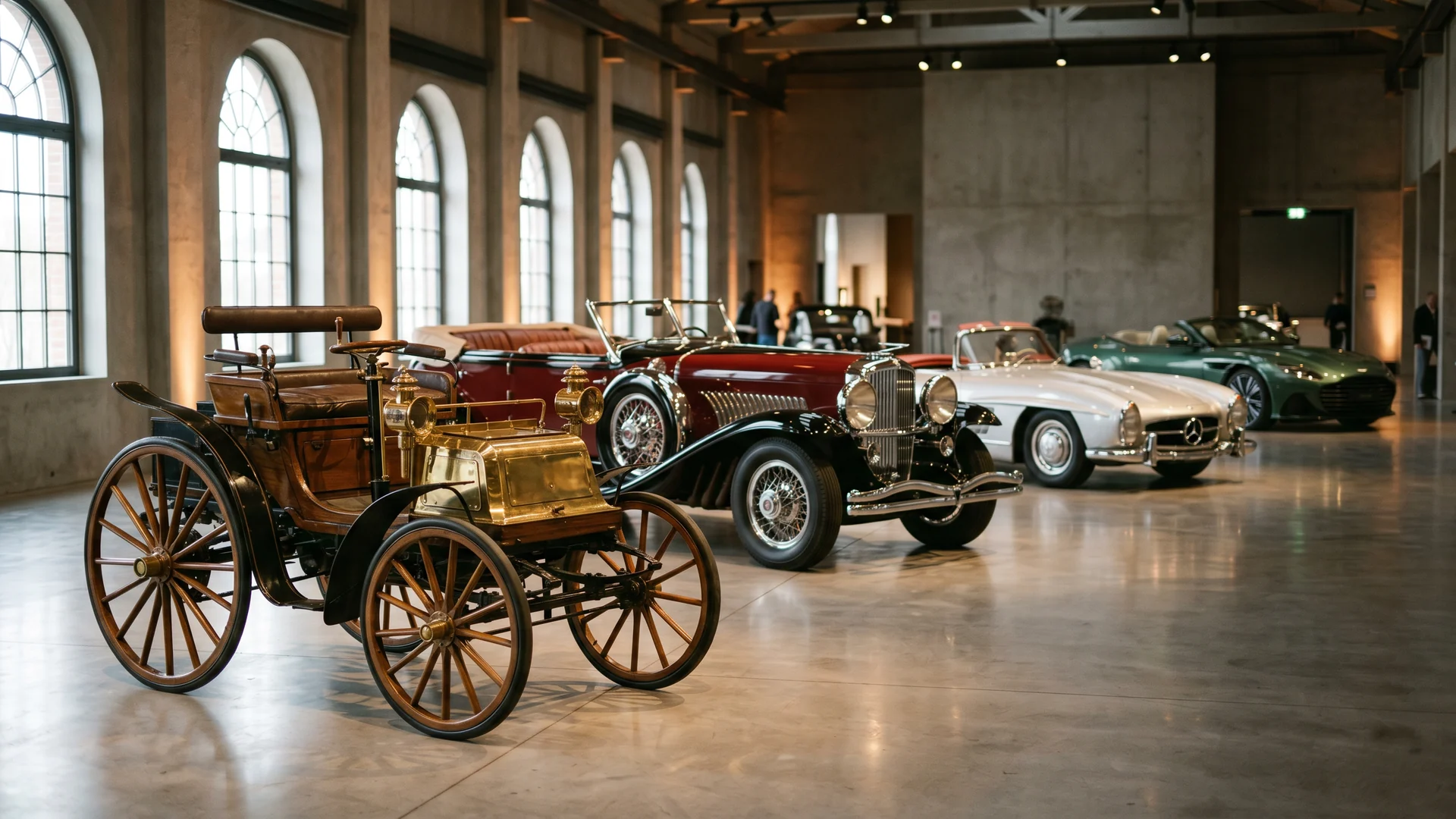
Classic Car History Timeline: From Benz to the Modern Collector Era
Classic car history timeline from the 1886 Benz Patent-Motorwagen through coachbuilding, muscle cars and supercars to modern collectibles. Discover th…