How Economic Uncertainty Fuels Demand for Luxury Oldtimers
Economic uncertainty significantly affects the luxury classic car market, with global financial instability prompting investors and collectors to reassess their investment strategi…
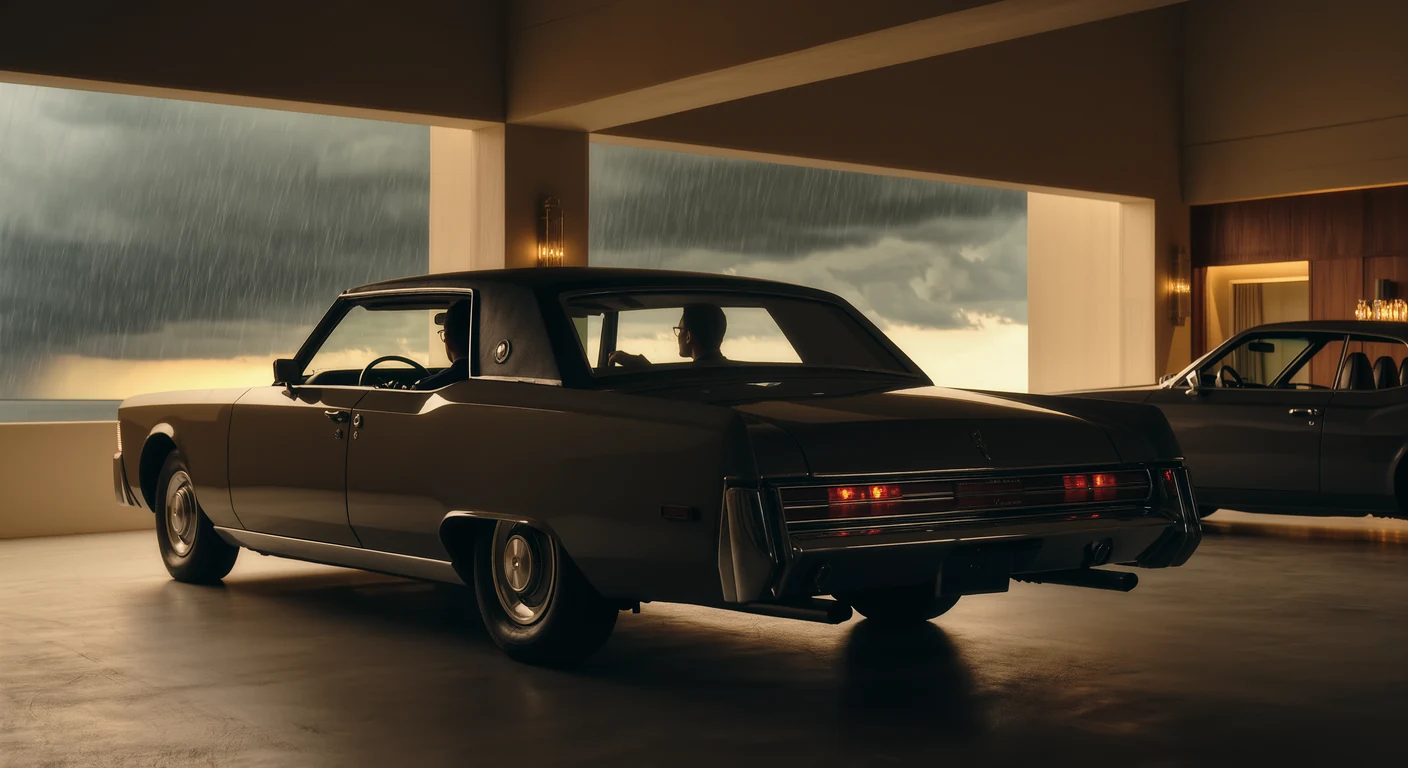
Economic uncertainty significantly affects the luxury classic car market, with global financial instability prompting investors and collectors to reassess their investment strategies. The classic automobile sector, which encompasses historically significant vehicles valued for their heritage and engineering excellence, experiences direct correlation with broader economic conditions and frequently serves as both an economic indicator and alternative investment vehicle during periods of market volatility. Economic instability creates dual effects within the luxury classic car market.
Reduced consumer confidence typically results in decreased discretionary spending and more conservative investment approaches. Conversely, market uncertainty often increases demand for physical assets perceived as stable stores of value. As conventional financial markets experience heightened volatility, classic automobiles attract greater interest from both established collectors and emerging investors seeking portfolio diversification through tangible assets.
Key Takeaways
- Economic uncertainty increases demand for luxury oldtimers as investors seek tangible, stable assets.
- Luxury oldtimers serve as safe haven investments due to their rarity, exclusivity, and resilience.
- Consumer behavior shifts towards valuing the psychological comfort and prestige associated with owning luxury oldtimers.
- The global market for luxury oldtimers grows as economic instability drives international interest and investment.
- The future of luxury oldtimers is shaped by ongoing economic volatility, reinforcing their status as valuable and enduring assets.
The Appeal of Luxury Oldtimers in Times of Economic Turmoil
During periods of economic turmoil, luxury oldtimers stand out as symbols of wealth and status. Their timeless appeal lies not only in their aesthetic beauty but also in their historical significance. Collectors often view these vehicles as pieces of art, each with its own story and legacy.
This emotional connection enhances their desirability, making them more than just a financial investment. Moreover, luxury oldtimers often appreciate in value over time, especially rare models. In uncertain economic climates, individuals are drawn to assets that can retain or even increase their worth.
The combination of nostalgia, craftsmanship, and potential for appreciation makes luxury oldtimers an attractive option for those looking to safeguard their wealth during turbulent times.
How Economic Uncertainty Drives Investors to Seek Tangible Assets
Economic uncertainty prompts investors to seek tangible assets as a hedge against inflation and market volatility. Unlike stocks or bonds, tangible assets like luxury oldtimers provide a sense of ownership and control. They are physical items that can be enjoyed and appreciated, offering both aesthetic pleasure and potential financial returns.
Investors often turn to luxury oldtimers because they represent a unique blend of passion and investment potential. The classic car market has shown resilience over the years, with certain models experiencing significant appreciation. This trend encourages investors to diversify their portfolios by including tangible assets that can withstand economic fluctuations.
The Role of Luxury Oldtimers as a Safe Haven Investment
Luxury oldtimers have increasingly been recognized as safe haven investments during economic downturns. Their rarity and desirability create a stable demand that can insulate them from broader market declines. Unlike more conventional investments, luxury oldtimers are less susceptible to market sentiment and can maintain their value even when other assets falter.
Additionally, the luxury oldtimer market is often driven by passionate collectors who are less influenced by short-term economic trends. This dedicated base of buyers ensures that there is always a market for these vehicles, providing a level of security for investors looking to protect their wealth during uncertain times.
The Influence of Economic Uncertainty on Consumer Behavior in the Luxury Oldtimer Market
Economic uncertainty significantly influences consumer behavior in the luxury oldtimer market. Buyers become more discerning, often prioritizing quality and rarity over quantity. This shift leads to increased demand for well-preserved models with documented histories, as collectors seek assurance in their investments.
Furthermore, consumers may become more inclined to invest in luxury oldtimers as a form of status symbol during challenging economic times. Owning a classic car can serve as a statement of resilience and success, reinforcing one’s social standing even when financial markets are unstable.
The Rarity and Exclusivity of Luxury Oldtimers as a Response to Economic Instability
Rarity and exclusivity play crucial roles in the appeal of luxury oldtimers during periods of economic instability. Limited production runs and unique features make certain models highly sought after by collectors. This scarcity drives up demand, ensuring that these vehicles remain valuable even in fluctuating markets.
As economic uncertainty looms, collectors often gravitate toward rare models that have proven historical significance or unique design elements. This trend not only enhances the allure of luxury oldtimers but also solidifies their status as valuable assets that can withstand economic pressures.
The Psychological Comfort of Investing in Luxury Oldtimers during Economic Uncertainty
Investing in luxury oldtimers provides psychological comfort during times of economic uncertainty. The tactile experience of owning a classic car offers a sense of stability that intangible investments cannot match. Collectors often find joy in restoring and maintaining these vehicles, creating a personal connection that transcends mere financial considerations.
This emotional aspect reinforces the appeal of investing in classic cars as a way to navigate the complexities of an uncertain economic landscape.
The Resilience of the Luxury Oldtimer Market in the Face of Economic Volatility
The luxury oldtimer market has demonstrated remarkable resilience in the face of economic volatility. Historical data shows that while other markets may experience sharp declines during downturns, the classic car sector often remains stable or even grows. This resilience can be attributed to the passionate community of collectors who continue to invest in these vehicles regardless of broader economic conditions.
Additionally, the luxury oldtimer market benefits from its global reach. Collectors from various regions seek out classic cars, creating a diverse pool of buyers that helps sustain demand even when local economies falter. This international interest further solidifies the market’s resilience against economic fluctuations.
How Economic Uncertainty Shapes the Values and Perceptions of Luxury Oldtimers
Economic uncertainty shapes how individuals value and perceive luxury oldtimers. As financial markets become unpredictable, collectors may prioritize vehicles that symbolize stability and heritage over those that are merely trendy or fashionable. This shift in values leads to an increased appreciation for classic cars with rich histories and timeless designs.
Furthermore, the perception of luxury oldtimers evolves as they become seen not just as vehicles but as investments with intrinsic value. Collectors recognize that these cars can serve as both a passion project and a financial safeguard, reinforcing their status as desirable assets during uncertain times.
The Global Perspective: Economic Uncertainty and the International Demand for Luxury Oldtimers
From a global perspective, economic uncertainty has spurred international demand for luxury oldtimers. Collectors from emerging markets are increasingly entering the scene, seeking classic cars as symbols of wealth and sophistication. This growing interest contributes to a vibrant marketplace where buyers from different regions compete for rare models.
Moreover, international events such as auctions and car shows have become platforms for showcasing luxury oldtimers to a global audience. These events not only highlight the desirability of classic cars but also foster connections among collectors worldwide, further enhancing the market’s appeal during times of economic uncertainty.
The Future of Luxury Oldtimers in a World of Economic Uncertainty
The future of luxury oldtimers appears promising even amidst ongoing economic uncertainty. As investors continue to seek tangible assets that offer both emotional satisfaction and financial security, the classic car market is likely to thrive.
In conclusion, while economic uncertainty presents challenges across various sectors, it also creates unique opportunities within the luxury oldtimer market. As individuals navigate these turbulent times, investing in classic cars may provide not only financial returns but also a sense of joy and connection to history, qualities that will continue to resonate with collectors for years to come.
FAQs
What are luxury oldtimers?
Luxury oldtimers refer to classic, vintage, or antique automobiles that are highly valued for their rarity, design, historical significance, and craftsmanship. These vehicles are often considered collectible and are sought after by enthusiasts and investors.
How does economic uncertainty affect the demand for luxury oldtimers?
During periods of economic uncertainty, investors and collectors often seek alternative assets that can preserve or increase in value. Luxury oldtimers are seen as tangible assets that can serve as a store of value, leading to increased demand as people look for stable investment options outside traditional financial markets.
Why are luxury oldtimers considered a good investment during economic downturns?
Luxury oldtimers tend to have limited supply and can appreciate over time, especially rare and well-maintained models. Their value is less correlated with stock markets or currency fluctuations, making them attractive during economic downturns when traditional investments may be volatile.
What factors influence the value of luxury oldtimers?
The value of luxury oldtimers is influenced by factors such as rarity, historical significance, condition, provenance, brand reputation, and market trends. Economic conditions and collector demand also play significant roles in determining their market value.
Are luxury oldtimers accessible to all investors?
Luxury oldtimers typically require significant capital investment, specialized knowledge, and maintenance costs, making them more accessible to high-net-worth individuals and experienced collectors rather than casual investors.
How do collectors maintain the value of luxury oldtimers?
Collectors maintain value by preserving the vehicle’s originality, performing regular maintenance, storing the car properly, and documenting its history. Authenticity and condition are critical factors in retaining or increasing a luxury oldtimer’s value.
Can economic uncertainty negatively impact the luxury oldtimer market?
While economic uncertainty can increase demand, prolonged downturns or severe recessions may reduce discretionary spending, potentially lowering demand for luxury collectibles, including oldtimers. Market sentiment and liquidity also affect buying and selling activity.
What role do auctions play in the luxury oldtimer market?
Auctions are important venues for buying and selling luxury oldtimers, providing transparency in pricing and access to a global pool of buyers and sellers. High-profile auctions can also influence market trends and valuations.
Is the demand for luxury oldtimers a recent trend?
Interest in luxury oldtimers has existed for decades, but economic uncertainty and changing investment landscapes have recently heightened their appeal as alternative assets, leading to increased demand and higher prices in some segments.
How can someone start investing in luxury oldtimers?
Prospective investors should research the market, consult experts, attend auctions, and consider factors like authenticity, condition, and maintenance costs. Building relationships with reputable dealers and joining collector communities can also provide valuable insights.
More from Blog
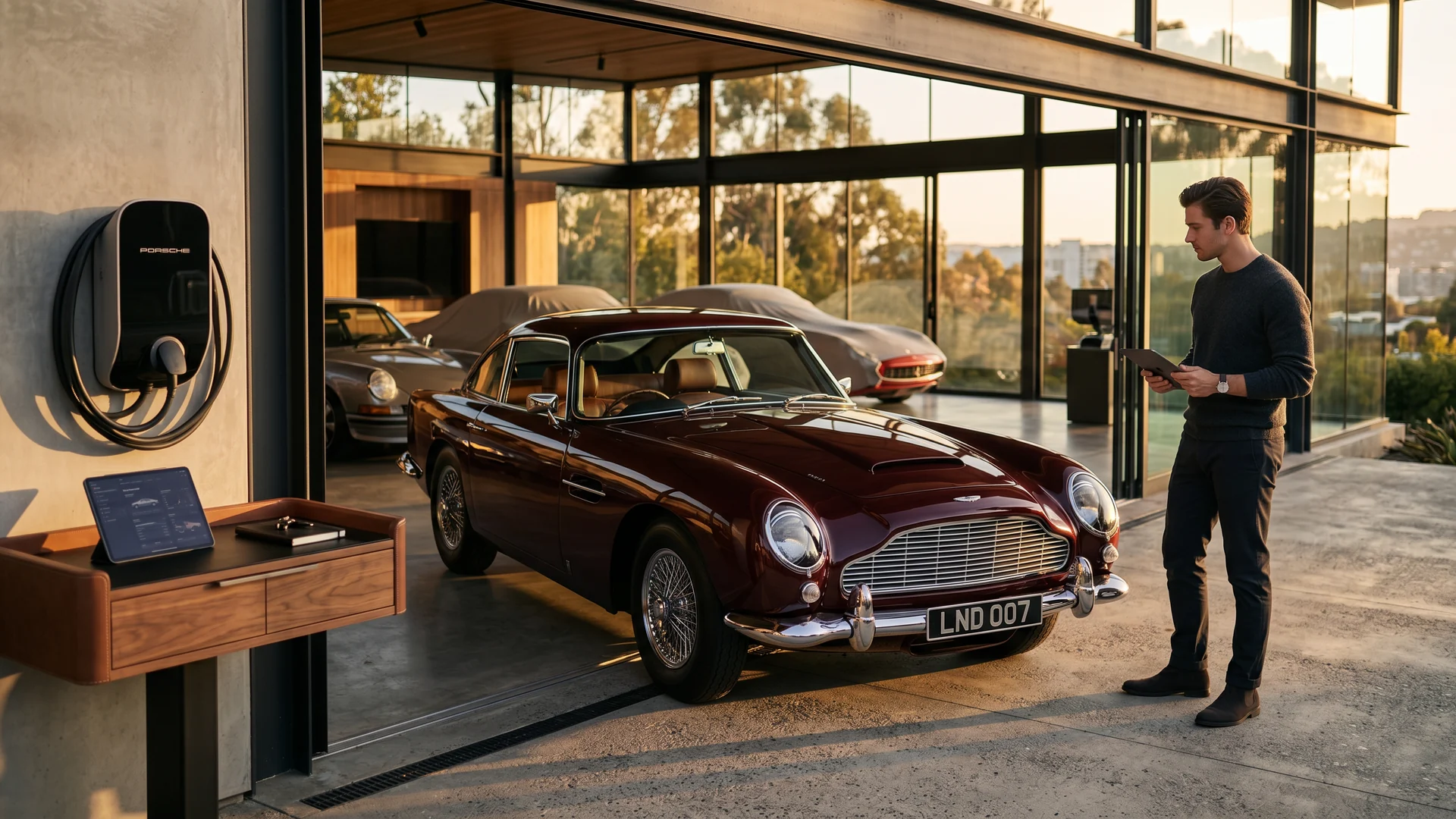
The Future of Classic Car Collecting: Trends Shaping the Next Generation
The future of classic car collecting: why 2035 ICE bans spare existing cars, plus e-fuels, shifting demographics, electromods and fractional ownership…
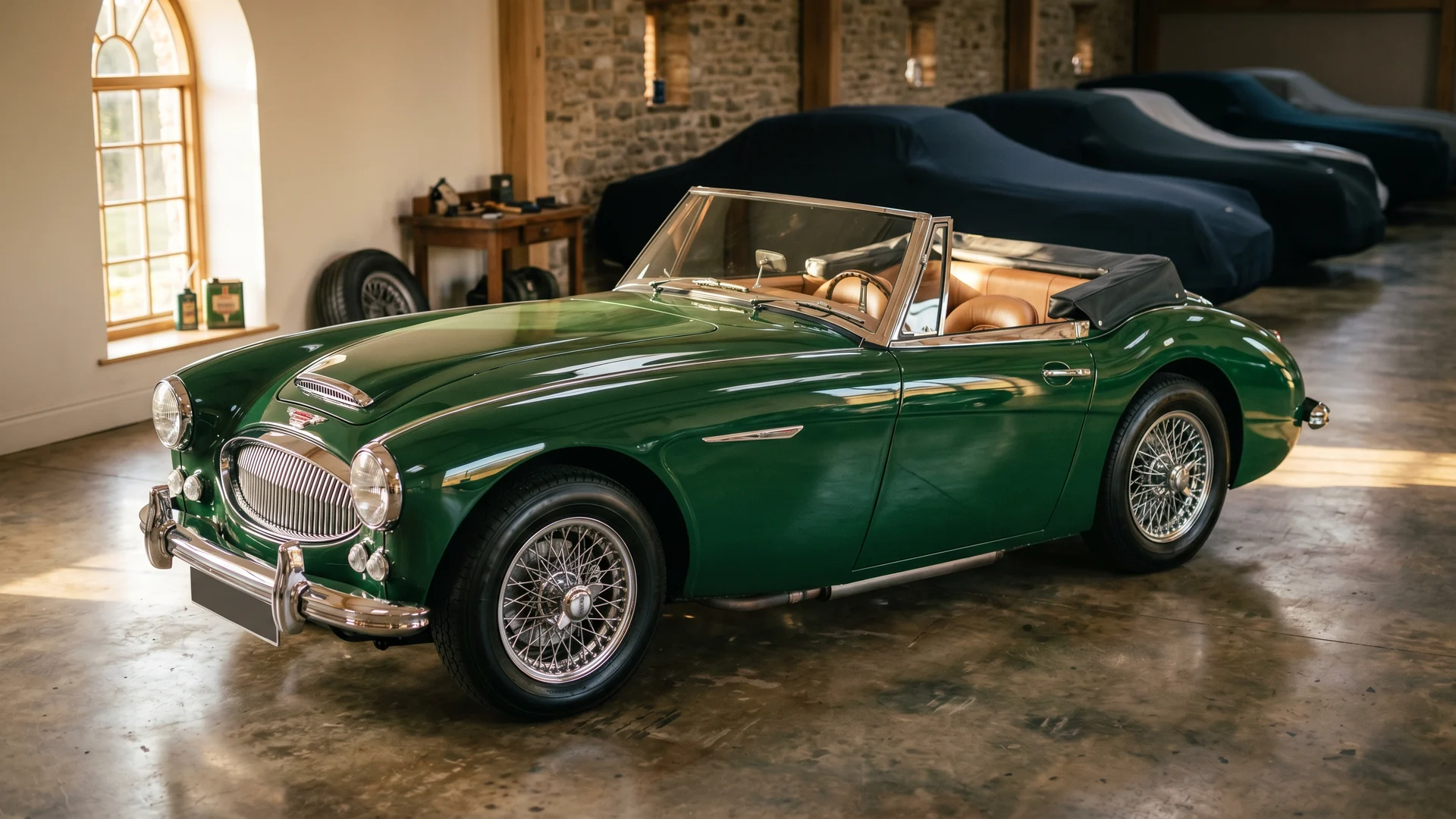
Classic Car Insurance Guide: Protecting Your Vintage Investment
Classic car insurance guide: why agreed-value policies beat stated and actual cash value, how Hagerty, Grundy and Chubb compare, plus costs and covera…
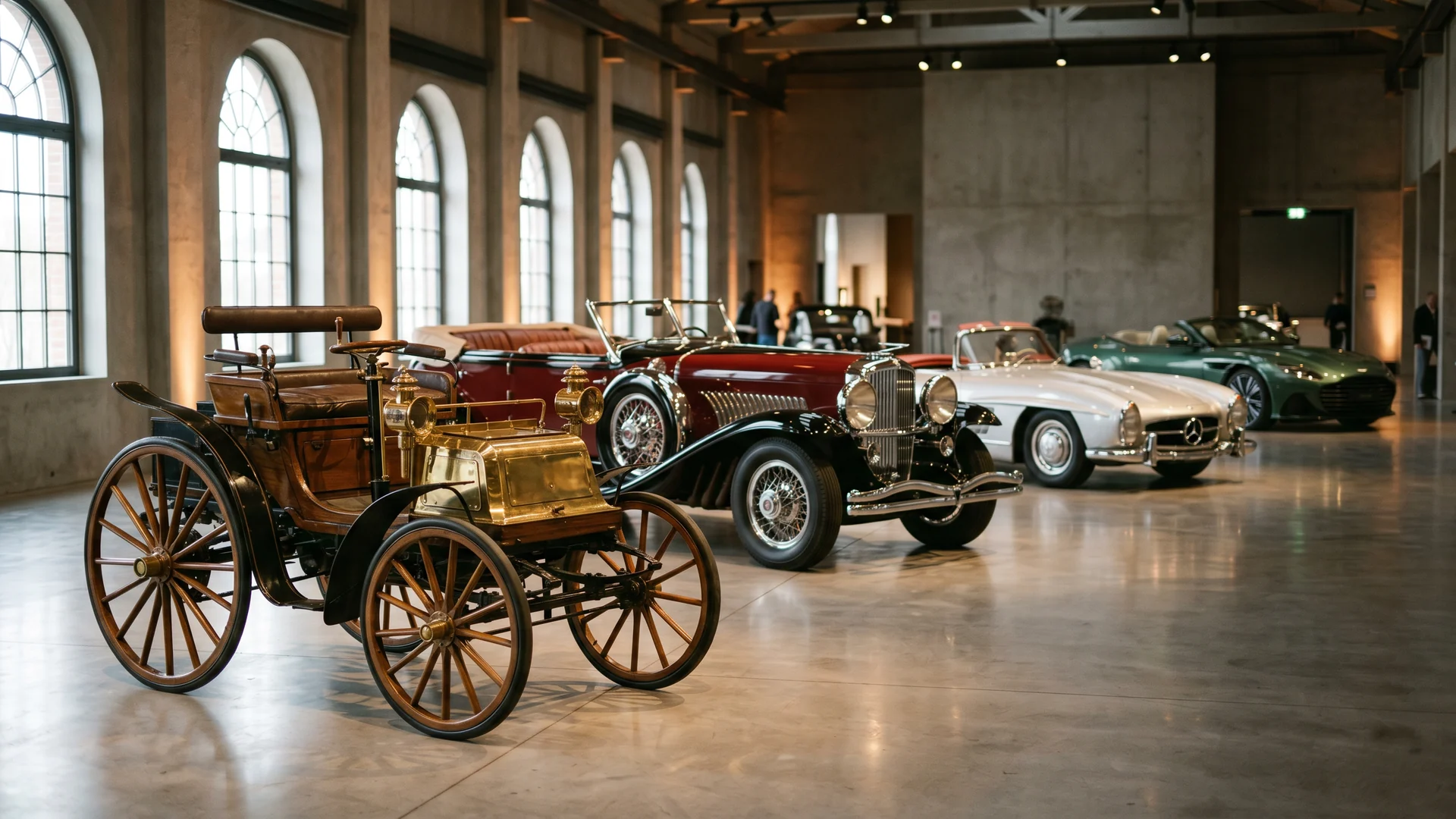
Classic Car History Timeline: From Benz to the Modern Collector Era
Classic car history timeline from the 1886 Benz Patent-Motorwagen through coachbuilding, muscle cars and supercars to modern collectibles. Discover th…