How Classic Mercedes-Benz Restorations Can Destroy Value
Classic Mercedes-Benz restorations represent a unique blend of art, engineering, and history. These vehicles are not just modes of transportation; they are symbols of luxury and cr…
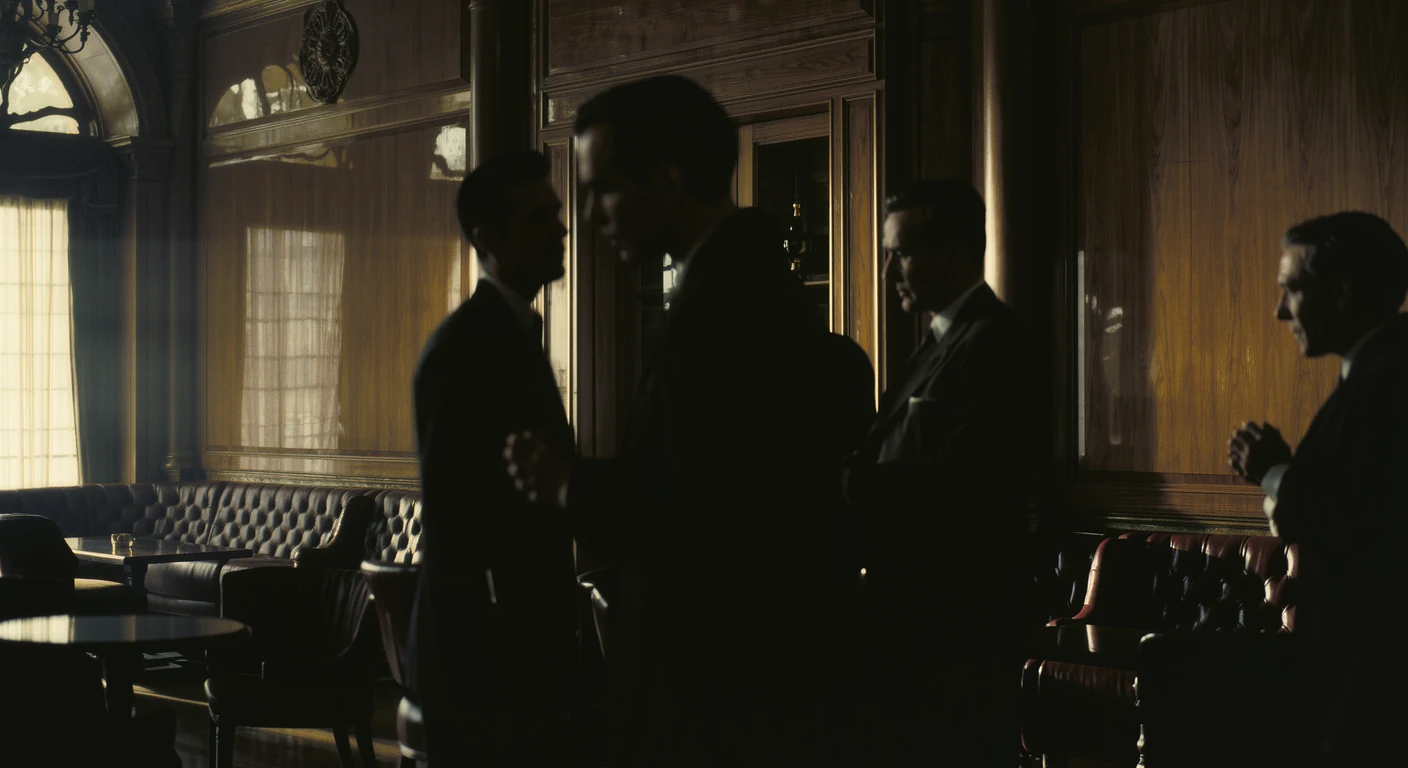
Classic Mercedes-Benz restorations represent a unique blend of art, engineering, and history. These vehicles are not just modes of transportation; they are symbols of luxury and craftsmanship that have stood the test of time. Restoring a classic Mercedes-Benz involves meticulous attention to detail, ensuring that every component reflects the original design and quality.
Enthusiasts and collectors alike are drawn to these restorations for their ability to revive the elegance and performance of these iconic cars. The allure of classic Mercedes-Benz cars lies in their rich heritage and the stories they tell. Each restoration project is an opportunity to breathe new life into a piece of automotive history, making it a rewarding endeavor for both the restorer and the owner.
However, navigating the complexities of restoration requires a deep understanding of the vehicle’s original specifications and the potential pitfalls that can arise during the process.
Key Takeaways
- Classic Mercedes-Benz restorations require balancing preservation with careful restoration to maintain authenticity.
- Over-restoration can diminish originality and negatively impact the car’s historical value.
- Authenticity and proper documentation are crucial for preserving the value of classic Mercedes-Benz cars.
- The market favors well-preserved vehicles that retain original features over extensively modified ones.
- Expert guidance is essential to ensure restorations enhance rather than compromise a classic Mercedes-Benz’s worth.
The Appeal of Classic Mercedes-Benz Cars
Classic Mercedes-Benz cars are revered for their timeless design and engineering excellence. From the sleek lines of the 300SL Gullwing to the luxurious interiors of the 600, these vehicles embody sophistication and performance. Their appeal extends beyond aesthetics; they represent a legacy of innovation that has shaped the automotive industry.
Collectors appreciate not only the beauty of these cars but also their historical significance. Moreover, owning a classic Mercedes-Benz is often seen as a status symbol. These cars are synonymous with prestige and exclusivity, attracting enthusiasts who value craftsmanship and heritage.
The community surrounding classic Mercedes-Benz cars is vibrant, with clubs and events dedicated to celebrating these remarkable vehicles. This sense of belonging enhances the ownership experience, making it more than just a financial investment.
The Risks of Over-Restoration
While restoring a classic Mercedes-Benz can be a fulfilling project, it comes with inherent risks, particularly the danger of over-restoration. Over-restoration occurs when a vehicle is restored to a condition that exceeds its original specifications, often resulting in a loss of character and authenticity. This can happen when restorers prioritize perfection over preserving the vehicle’s unique history.
One significant risk of over-restoration is the potential to alienate purists who value originality. Many collectors seek vehicles that retain their original components and patina, as these features tell a story about the car’s past. Over-restoring can strip away this narrative, diminishing the vehicle’s appeal to potential buyers and enthusiasts.
Over-Restoration and Originality
Originality is a cornerstone of classic car collecting, particularly for brands like Mercedes-Benz that have a storied history. When a car is over-restored, it often loses its unique identity, which can be detrimental to its value. Collectors are increasingly discerning, favoring vehicles that showcase their original parts and finishes rather than those that have been excessively polished or modified.
The challenge lies in finding the right balance between restoration and preservation. A well-executed restoration should enhance the vehicle’s performance and aesthetics while maintaining its original character. This requires skilled craftsmanship and an understanding of what constitutes “original” for each specific model.
Restorers must be cautious not to replace components unnecessarily or apply modern techniques that detract from the car’s authenticity.
The Importance of Authenticity in Classic Car Collecting
Authenticity plays a crucial role in the world of classic car collecting. For many enthusiasts, owning an authentic classic Mercedes-Benz is about more than just having a beautiful car; it’s about preserving history and celebrating automotive heritage. Authenticity ensures that each vehicle remains true to its roots, reflecting the craftsmanship and design principles of its era.
Collectors often seek documentation that verifies a car’s authenticity, including service records, original sales invoices, and factory build sheets. This information not only enhances the vehicle’s provenance but also provides peace of mind to potential buyers. A well-documented classic Mercedes-Benz can command higher prices in the market, as authenticity is a key factor in determining value.
The Impact of Over-Restoration on Value
The impact of over-restoration on a classic Mercedes-Benz’s value cannot be overstated. While a beautifully restored car may initially attract attention, it can ultimately lead to diminished resale value if it strays too far from its original state. Collectors are often willing to pay a premium for vehicles that retain their originality, as these cars are seen as more desirable investments.
In contrast, over-restored vehicles may struggle to find buyers who appreciate their altered state. The market for classic cars is increasingly focused on authenticity, with many collectors prioritizing originality over cosmetic perfection.
Balancing Restoration and Preservation
Balancing restoration and preservation is essential for maintaining the integrity of classic Mercedes-Benz cars. Restorers must approach each project with a clear understanding of what aspects can be improved without compromising originality.
One effective strategy is to focus on mechanical restoration while preserving exterior elements that showcase the car’s history. For instance, restoring the engine and transmission can enhance performance while leaving original paint or interior materials intact can maintain character. This approach allows owners to enjoy improved drivability without sacrificing authenticity.
The Role of Documentation in Preserving Value
Documentation plays a vital role in preserving the value of classic Mercedes-Benz restorations. Comprehensive records detailing the restoration process, including photographs, invoices, and parts used, provide transparency and build trust with potential buyers. This documentation serves as proof of authenticity and quality workmanship, which can significantly enhance resale value.
Additionally, maintaining records of previous ownership and service history adds another layer of credibility to the vehicle’s provenance. Collectors are more likely to invest in cars with well-documented histories, as this information reassures them about the car’s condition and authenticity. A well-documented restoration can set a vehicle apart in a competitive market.
The Market for Classic Mercedes-Benz Cars
The market for classic Mercedes-Benz cars has seen significant growth in recent years, driven by increasing interest from collectors and enthusiasts worldwide. As more people recognize the value of these iconic vehicles, demand has surged, leading to rising prices for well-preserved models. This trend highlights the importance of quality restorations that prioritize authenticity.
However, navigating this market requires knowledge and expertise. Buyers should be aware of market trends and values for specific models to make informed decisions. Engaging with reputable dealers or attending classic car auctions can provide valuable insights into current pricing dynamics and help collectors identify potential investment opportunities.
Expert Advice on Restoring Classic Mercedes-Benz Cars
When it comes to restoring classic Mercedes-Benz cars, expert advice is invaluable. Engaging with professionals who specialize in these vehicles can help ensure that restorations are executed with precision and respect for originality. These experts can provide guidance on sourcing authentic parts, understanding model-specific nuances, and avoiding common pitfalls associated with over-restoration.
Additionally, joining forums or clubs dedicated to classic Mercedes-Benz cars can connect enthusiasts with experienced restorers who share their passion for these vehicles. Networking within this community can lead to valuable resources and insights that enhance the restoration process.
Preserving Value in Classic Mercedes-Benz Restorations
In conclusion, preserving value in classic Mercedes-Benz restorations requires a careful balance between restoration and authenticity. While restoring these iconic vehicles can be an exciting journey, it is essential to prioritize originality to maintain their historical significance and market value. By focusing on quality workmanship, thorough documentation, and expert guidance, enthusiasts can ensure that their classic Mercedes-Benz cars remain cherished pieces of automotive history for generations to come.
Ultimately, investing time and resources into thoughtful restorations will yield rewards not only in terms of driving pleasure but also in preserving the legacy of these remarkable vehicles. Whether you are an owner or an aspiring collector, understanding the nuances of restoration will empower you to make informed decisions that honor the spirit of classic Mercedes-Benz cars while safeguarding their future value.
FAQs
What is a classic Mercedes-Benz restoration?
A classic Mercedes-Benz restoration involves repairing, refurbishing, or rebuilding an older Mercedes-Benz vehicle to return it to its original condition or improve its appearance and functionality.
Why might restorations destroy the value of a classic Mercedes-Benz?
Restorations can destroy value if they are not done authentically, use non-original parts, or alter the car’s originality. Over-restoration or poor-quality work can also reduce a vehicle’s desirability and market value.
What does originality mean in the context of classic car value?
Originality refers to how much of the car’s original parts, paint, and features remain intact. Collectors often value cars that retain their original components and factory specifications more highly than those that have been extensively modified or restored.
Are all restorations harmful to a classic Mercedes-Benz’s value?
No, not all restorations harm value. High-quality, period-correct restorations that maintain originality and use authentic parts can preserve or even increase a car’s value. The key is to avoid over-restoration or using incorrect components.
How can I ensure a restoration does not reduce my classic Mercedes-Benz’s value?
To protect value, use experienced professionals specializing in classic Mercedes-Benz vehicles, source original or period-correct parts, and maintain documentation of all work done. Avoid unnecessary modifications and keep the car as close to its factory condition as possible.
What are common mistakes made during classic Mercedes-Benz restorations?
Common mistakes include using aftermarket or incorrect parts, repainting in non-original colors, over-restoring to a like-new condition, and neglecting to preserve original features or patina that contribute to the car’s character and value.
Can a poorly restored classic Mercedes-Benz be reversed to improve value?
In some cases, yes. Reversing non-original modifications and restoring the car closer to its original factory condition can help recover value, but this depends on the extent of previous restoration work and availability of authentic parts.
Why do collectors prefer unrestored or minimally restored classic Mercedes-Benz cars?
Collectors often value originality, historical authenticity, and the car’s story, which can be diminished by extensive restorations. Unrestored or minimally restored cars retain their original materials and patina, which many consider more desirable and valuable.
Is professional appraisal recommended before restoring a classic Mercedes-Benz?
Yes, obtaining a professional appraisal before restoration can help determine the car’s current value, originality, and the potential impact of restoration work, guiding decisions to protect or enhance the vehicle’s worth.
More from Blog
The Future of Classic Car Collecting: Trends Shaping the Next Generation
The future of classic car collecting: why 2035 ICE bans spare existing cars, plus e-fuels, shifting demographics, electromods and fractional ownership…
Classic Car Insurance Guide: Protecting Your Vintage Investment
Classic car insurance guide: why agreed-value policies beat stated and actual cash value, how Hagerty, Grundy and Chubb compare, plus costs and covera…
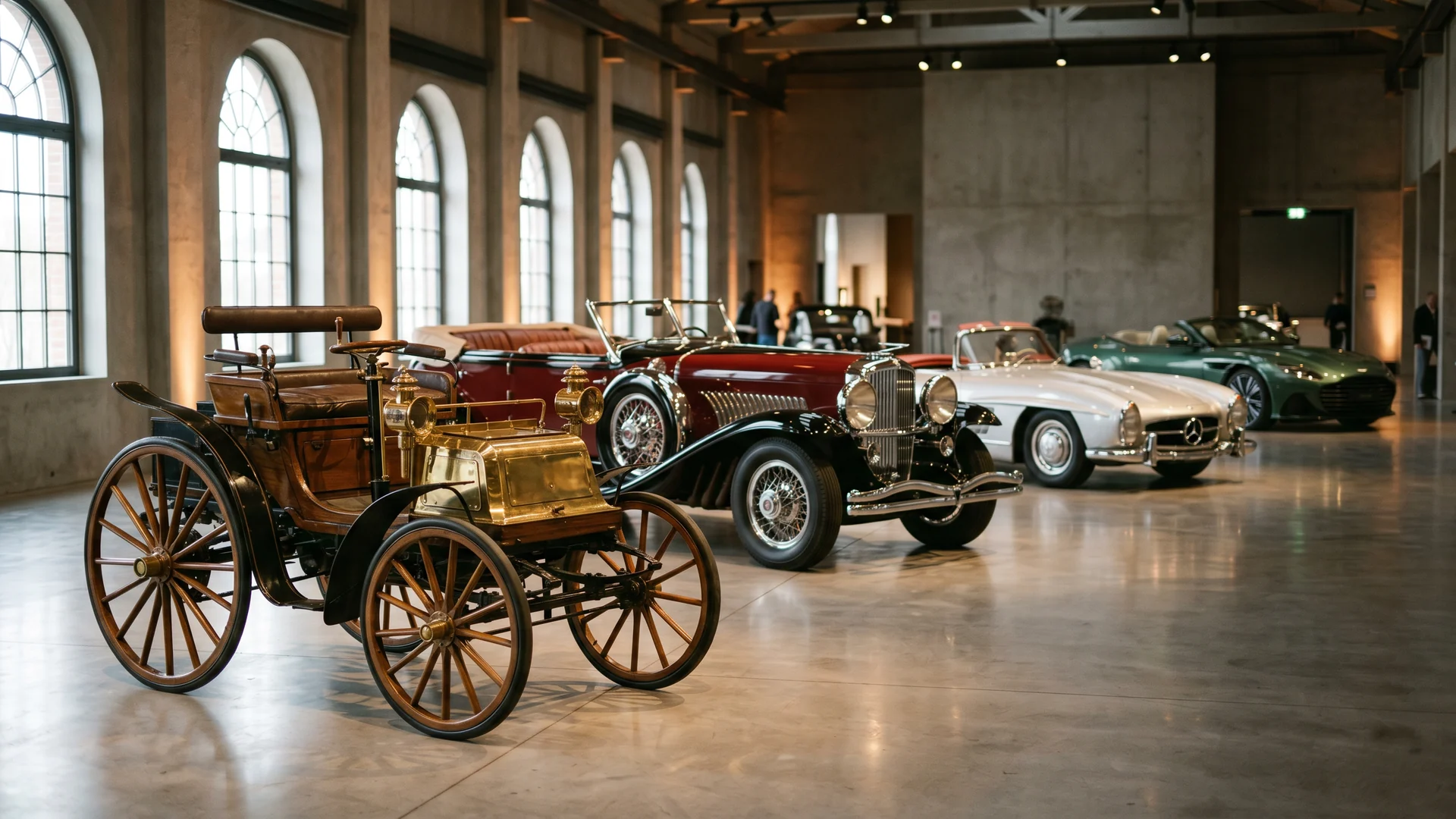
Classic Car History Timeline: From Benz to the Modern Collector Era
Classic car history timeline from the 1886 Benz Patent-Motorwagen through coachbuilding, muscle cars and supercars to modern collectibles. Discover th…