How Classic Car Rarity Is Manufactured by the Market
Classic car rarity refers to the limited availability of specific vintage automobiles in the collector market. This scarcity stems from multiple determinants: original production v…
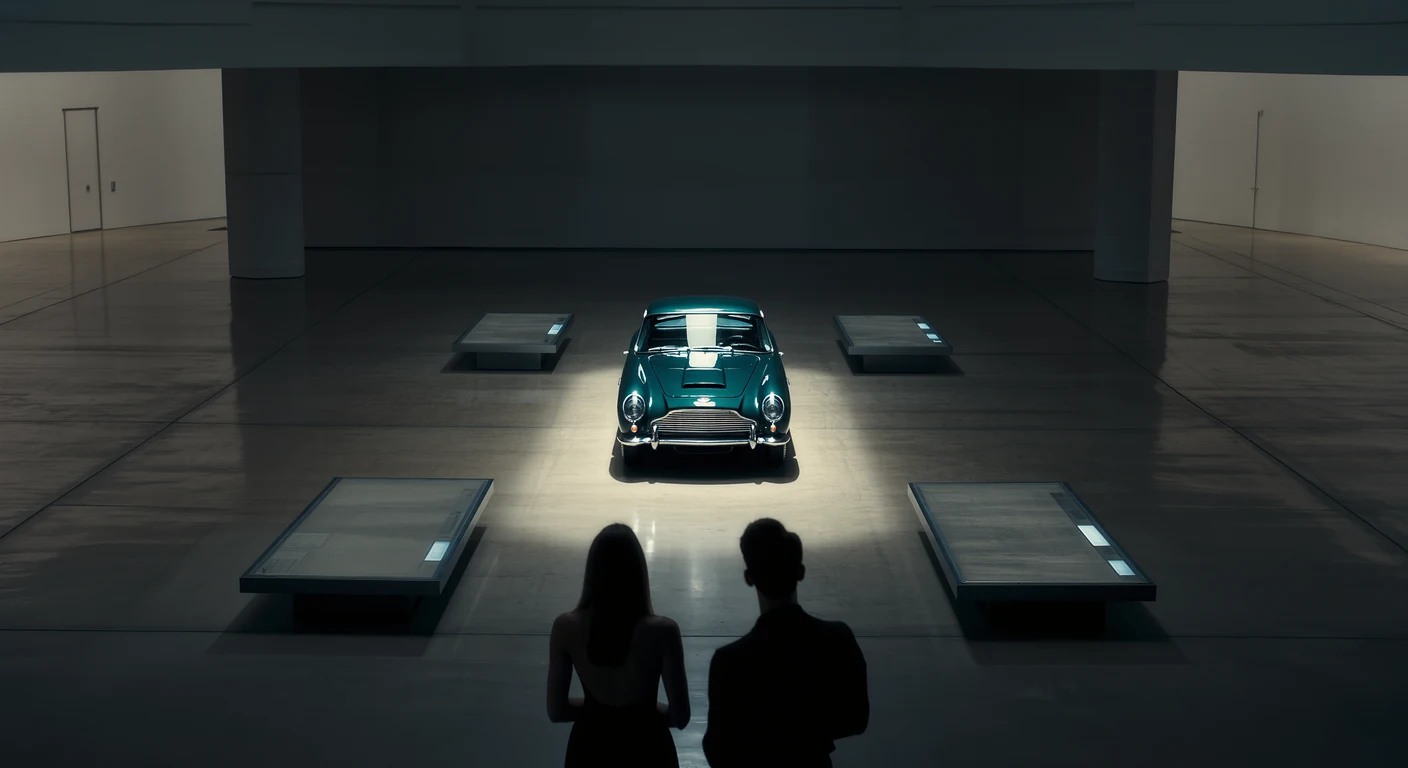
Classic car rarity refers to the limited availability of specific vintage automobiles in the collector market. This scarcity stems from multiple determinants: original production volumes, surviving vehicle counts, historical importance, and current condition. Manufacturing data indicates that vehicles produced in smaller quantities naturally become rarer over time due to accidents, deterioration, and scrapping.
Several measurable factors determine a classic car’s rarity level. Production numbers serve as the primary indicator, models with fewer than 1,000 units manufactured typically command premium prices. Historical significance, such as racing heritage or technological innovations, adds to desirability.
Vehicle condition, documented through professional appraisals, directly impacts both rarity classification and market value. Market analysis demonstrates a correlation between rarity and monetary value.
This appreciation occurs as collector interest expands globally while the finite supply of authentic vintage vehicles continues to decrease through natural attrition. Understanding rarity metrics enables collectors to make data-driven acquisition decisions. Key evaluation criteria include verifiable production records, provenance documentation, matching numbers verification, and restoration authenticity.
These factors collectively determine a vehicle’s position within the classic car market hierarchy.
Key Takeaways
- Classic car rarity is shaped by multiple factors including supply, demand, and historical significance.
- Limited production numbers and the car’s condition greatly enhance its rarity and value.
- Collectors, enthusiasts, auctions, and sales play a crucial role in establishing and maintaining rarity.
- Restorations, modifications, and marketing efforts can influence a classic car’s perceived rarity.
- The concept of classic car rarity evolves over time, reflecting changes in market trends and collector interests.
Factors that Influence Classic Car Rarity
Several key factors influence the rarity of classic cars, each contributing to their desirability and market value. One of the most significant factors is the vehicle’s production numbers. Cars produced in limited quantities are inherently rarer than those manufactured in mass.
For instance, a model with only a few hundred units made will naturally attract more attention than one with thousands of examples on the road. Another critical factor is the historical context surrounding a vehicle. Cars that played a pivotal role in automotive history or were associated with notable events or figures often gain a reputation for rarity.
For example, vehicles linked to famous races or owned by celebrities can command higher prices due to their unique stories and cultural significance.
The Role of Supply and Demand in Creating Classic Car Rarity
Supply and demand are fundamental economic principles that significantly impact classic car rarity. When the supply of a particular model decreases, whether due to accidents, rust, or owners holding onto their vehicles, the remaining examples become more desirable.
Conversely, if a classic car model is readily available in the market, its rarity diminishes. The balance between supply and demand is crucial; when demand outstrips supply, prices soar. Collectors must stay informed about market trends to understand which models are gaining popularity and which are becoming less sought after.
The Influence of Historical Significance on Classic Car Rarity
Historical significance plays a vital role in determining classic car rarity. Vehicles that have made an impact on automotive history or have been involved in significant events often hold a special place in collectors’ hearts. For instance, cars that were part of groundbreaking technological advancements or those that symbolize a particular era can be highly coveted.
Moreover, the stories behind these vehicles add layers of value. A car once owned by a famous racer or featured in a blockbuster film can become a prized possession for collectors. The narrative surrounding a classic car enhances its appeal and contributes to its rarity, making it more than just a mode of transportation but a piece of history.
The Impact of Limited Production on Classic Car Rarity
Limited production runs are one of the most straightforward indicators of classic car rarity. Manufacturers often produce special editions or limited runs to create exclusivity and appeal to collectors. These vehicles typically feature unique design elements or performance enhancements that set them apart from standard models.
For example, a manufacturer might release a limited edition sports car with only 500 units produced. This exclusivity not only makes the car rare but also elevates its status among collectors. As time passes and fewer examples remain on the road, the value of these limited-production vehicles tends to appreciate significantly.
The Effect of Condition and Originality on Classic Car Rarity
The condition and originality of a classic car are paramount in determining its rarity and value. A well-preserved vehicle with original parts is often more desirable than one that has undergone extensive modifications or restorations. Collectors typically seek out cars that maintain their factory specifications, as these examples are seen as more authentic representations of their era.
Additionally, the overall condition of a vehicle, such as its paint, interior, and mechanical components, can greatly influence its market value. A classic car in pristine condition will command a higher price than one that shows signs of wear and tear. Therefore, maintaining a vehicle’s originality and condition is crucial for collectors looking to invest in rare classic cars.
The Role of Collectors and Enthusiasts in Creating Classic Car Rarity
Collectors and enthusiasts play an essential role in shaping the landscape of classic car rarity. Their passion for vintage automobiles drives demand and influences market trends. As more individuals enter the collector community, they often seek out rare models to add to their collections, further increasing competition for these vehicles.
Moreover, collectors often share knowledge and resources within their communities, helping to educate others about what makes certain models rare. This exchange of information can lead to increased interest in specific vehicles, driving up their desirability and market value. Ultimately, the enthusiasm of collectors contributes significantly to the ongoing evolution of classic car rarity.
The Influence of Auctions and Sales on Classic Car Rarity
Auctions are pivotal events in the classic car market that can dramatically affect rarity perceptions and values. High-profile auctions often attract significant media attention and bring together serious buyers willing to pay top dollar for rare vehicles. The results of these auctions can set new benchmarks for pricing and influence future sales.
When a rare classic car sells for an impressive sum at auction, it can create a ripple effect throughout the market. Other collectors may reassess their own vehicles’ values based on these sales, leading to increased interest in similar models. Auctions serve as both a marketplace and a barometer for classic car rarity, showcasing what collectors are willing to pay for unique automobiles.
The Role of Restorations and Modifications in Creating Classic Car Rarity
Restorations and modifications can significantly impact classic car rarity, but their effects can be double-edged swords. On one hand, a well-executed restoration can enhance a vehicle’s appeal and value by bringing it back to its former glory. Collectors often appreciate cars that have been restored with care using original parts, as these vehicles maintain their authenticity.
On the other hand, extensive modifications can detract from a vehicle’s originality and reduce its desirability among purists. Many collectors prefer unmodified examples that reflect the manufacturer’s original vision. Therefore, while restorations can enhance rarity when done correctly, modifications must be approached with caution to avoid diminishing a vehicle’s value.
The Impact of Marketing and Promotion on Classic Car Rarity
Marketing and promotion play crucial roles in shaping perceptions of classic car rarity. Manufacturers and dealers often use strategic marketing campaigns to highlight limited editions or unique features of specific models. By creating buzz around certain vehicles, they can increase demand and elevate their status among collectors.
Additionally, social media platforms have transformed how classic cars are marketed and sold. Enthusiasts can share their collections with a global audience, attracting potential buyers who may not have been aware of specific models otherwise. This increased visibility can drive up interest and prices for rare vehicles, further influencing their perceived rarity in the market.
The Evolution of Classic Car Rarity in the Market
The concept of classic car rarity is multifaceted and continually evolving within the automotive market. Factors such as supply and demand, historical significance, production numbers, condition, and collector enthusiasm all contribute to shaping what makes a vehicle rare. As trends shift and new generations of collectors emerge, the landscape of classic car rarity will continue to change.
Understanding these dynamics is essential for anyone interested in investing in classic cars or simply appreciating their beauty and history. By staying informed about market trends and recognizing the elements that contribute to rarity, enthusiasts can navigate this captivating world with confidence and passion. Whether you are a seasoned collector or just starting your journey into classic cars, embracing the nuances of rarity will enhance your appreciation for these timeless machines.
FAQs
What factors contribute to the rarity of classic cars?
Classic car rarity is influenced by factors such as limited production numbers, unique design features, historical significance, and the survival rate of the vehicles over time.
How does the market influence the rarity of classic cars?
The market influences rarity by determining demand and value. High demand for certain models can increase their perceived rarity, while market trends can affect which cars are preserved and sought after.
Can rarity be artificially created in the classic car market?
Yes, rarity can be influenced by market dynamics such as limited reissues, selective restoration, and marketing strategies that highlight exclusivity, thereby increasing a car’s perceived rarity.
Why do some classic cars become more valuable over time?
Classic cars often become more valuable due to their scarcity, historical importance, condition, and desirability among collectors, all of which are shaped by market interest and cultural trends.
Does the condition of a classic car affect its rarity?
Yes, well-preserved or expertly restored classic cars are rarer and more valuable because fewer vehicles maintain their original condition over time.
How do production numbers impact a classic car’s rarity?
Lower production numbers generally increase a car’s rarity, as fewer units exist, making them harder to find and more desirable to collectors.
What role do car clubs and collectors play in manufacturing rarity?
Car clubs and collectors help maintain and promote certain models, influencing market demand and preserving vehicles, which can enhance the rarity and value of classic cars.
Is rarity the only factor that determines a classic car’s value?
No, while rarity is important, other factors such as provenance, condition, originality, and historical significance also play critical roles in determining a classic car’s value.
More from Blog
The Future of Classic Car Collecting: Trends Shaping the Next Generation
The future of classic car collecting: why 2035 ICE bans spare existing cars, plus e-fuels, shifting demographics, electromods and fractional ownership…
Classic Car Insurance Guide: Protecting Your Vintage Investment
Classic car insurance guide: why agreed-value policies beat stated and actual cash value, how Hagerty, Grundy and Chubb compare, plus costs and covera…
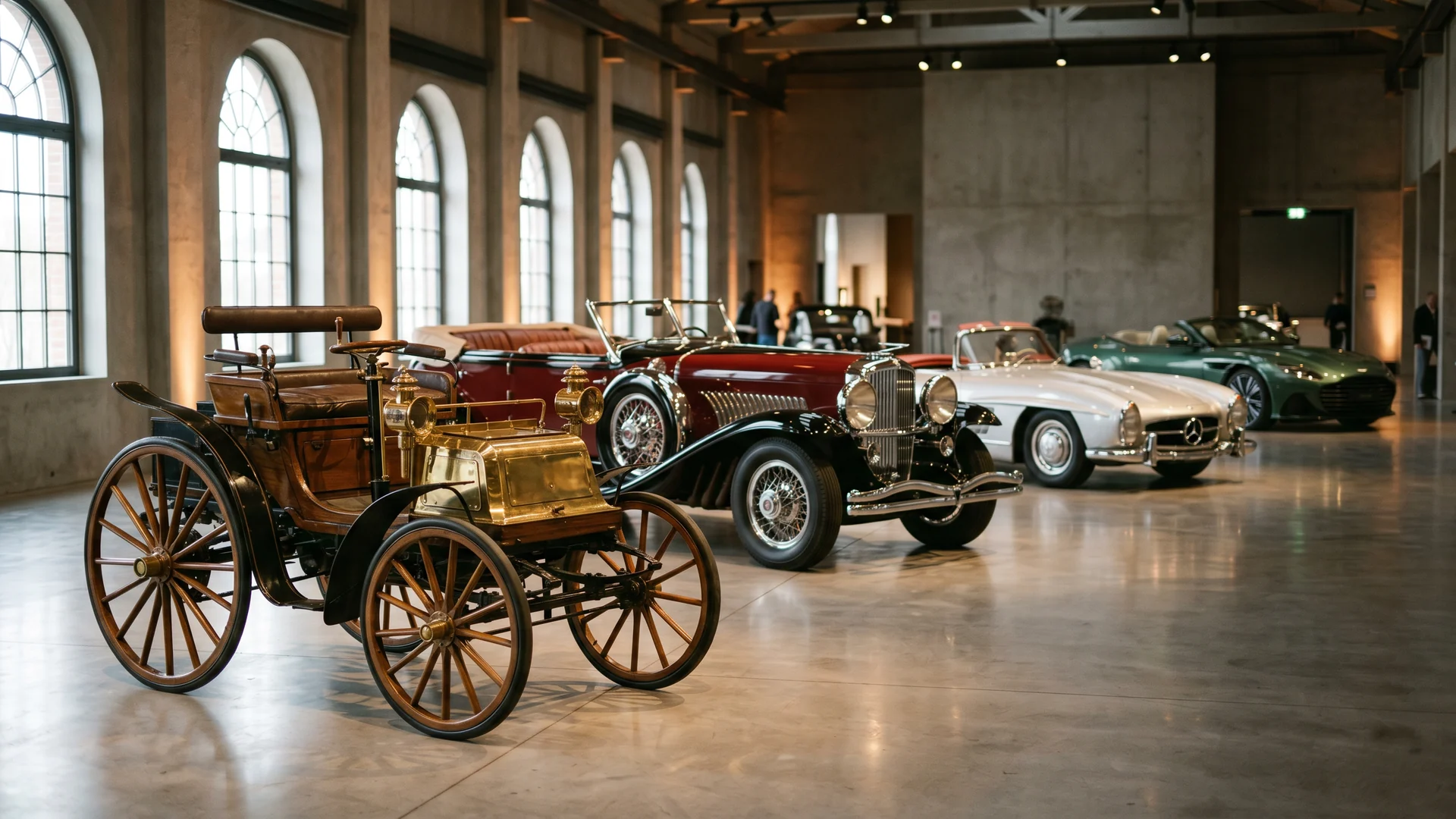
Classic Car History Timeline: From Benz to the Modern Collector Era
Classic car history timeline from the 1886 Benz Patent-Motorwagen through coachbuilding, muscle cars and supercars to modern collectibles. Discover th…