How Classic Car Ownership Became a Social Filter
Classic car culture has experienced significant growth in recent years, attracting both enthusiasts and collectors. This resurgence stems from an appreciation for automotive histor…
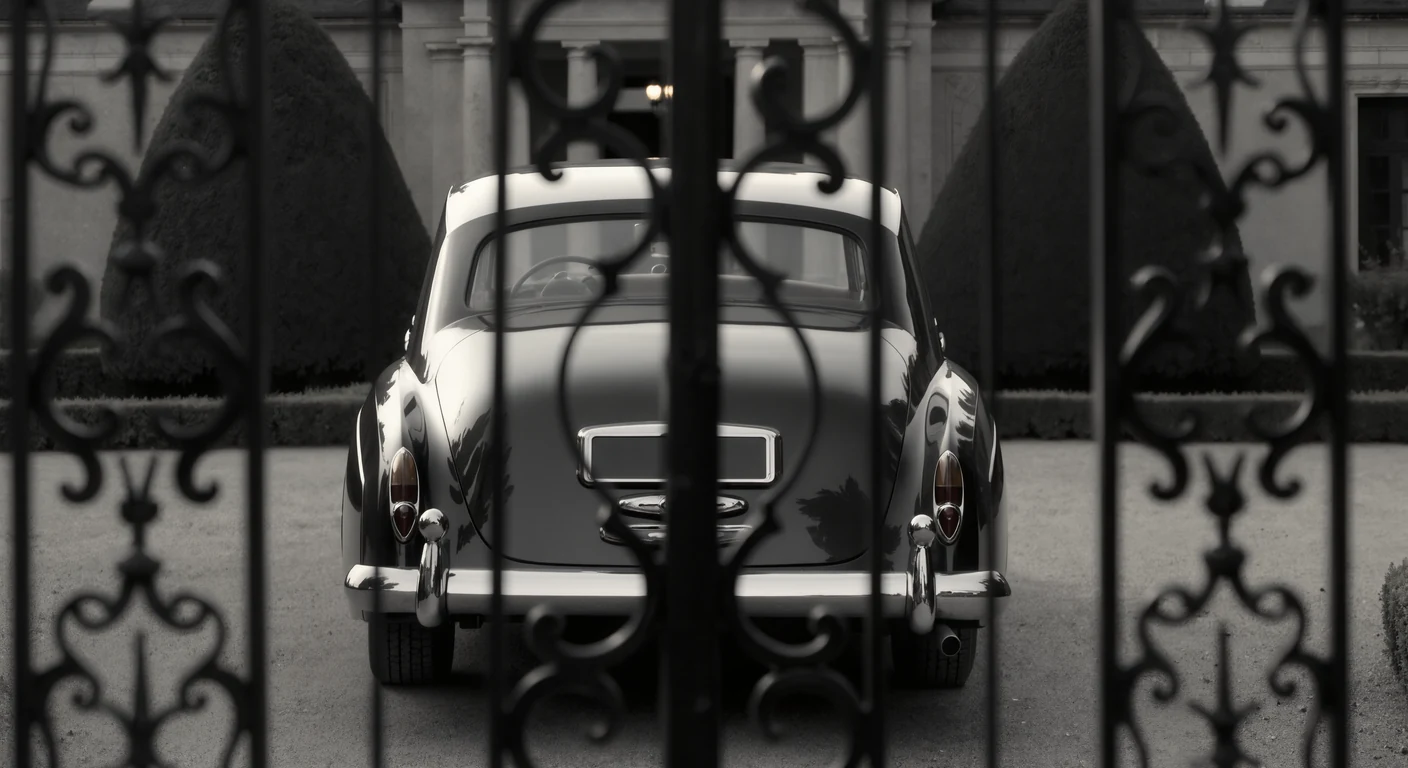
Classic car culture has experienced significant growth in recent years, attracting both enthusiasts and collectors. This resurgence stems from an appreciation for automotive history and traditional manufacturing techniques. As contemporary vehicles increasingly adopt similar design elements and technologies, classic cars represent distinct engineering approaches and aesthetic choices from previous decades.
These vintage vehicles appeal to collectors due to their unique design characteristics, mechanical innovations of their respective eras, and historical significance. Each model represents specific technological developments and cultural contexts from the periods in which they were manufactured. Social media platforms, particularly Instagram and Facebook, have contributed to the expansion of classic car communities.
Car shows and enthusiast gatherings have increased in frequency and attendance, providing venues for displaying restored vehicles and exchanging technical knowledge. The growth of online communities has facilitated information sharing among classic car owners, including restoration techniques, parts sourcing, and historical documentation.
This network effect has strengthened interest in vintage automobile preservation and maintenance, supporting the continued expansion of classic car culture.
Key Takeaways
- Classic cars serve as powerful status symbols and reflect personal identity.
- Ownership fosters strong community bonds and shared nostalgia among enthusiasts.
- Classic cars act as unique conversation starters and social filters.
- The collector mentality drives exclusivity and passion in classic car culture.
- Media influences and shapes perceptions of classic car ownership and its future.
Classic Cars as Status Symbols
Classic cars have long been regarded as status symbols, representing wealth, taste, and sophistication. Owning a vintage automobile often signifies a level of achievement and exclusivity that many aspire to attain. The rarity of certain models, combined with their historical significance, elevates their status in society.
For many, driving a classic car is not just about transportation; it’s about making a statement. The prestige associated with classic cars can also be seen in the high prices they command at auctions. Iconic models from brands like Ferrari, Porsche, and Aston Martin often fetch millions, reinforcing their status as luxury items.
This exclusivity attracts collectors who view these vehicles as investments, further enhancing their allure. As classic cars continue to gain recognition as valuable assets, their role as status symbols remains firmly entrenched in popular culture.
Classic Car Ownership and Community
Owning a classic car often leads to a sense of community among enthusiasts. This shared passion creates bonds that transcend age, background, and geography. Classic car clubs and online forums provide platforms for owners to connect, share experiences, and exchange knowledge about restoration and maintenance.
These communities foster camaraderie and support, making the journey of ownership more enjoyable. Moreover, events such as car shows and rallies serve as gathering points for enthusiasts to celebrate their love for classic automobiles. These gatherings not only showcase stunning vehicles but also provide opportunities for networking and friendship.
Classic Cars and Nostalgia
Nostalgia plays a significant role in the appeal of classic cars. For many enthusiasts, these vehicles evoke memories of simpler times, family road trips, or the thrill of youth. The design and engineering of classic cars often reflect the cultural zeitgeist of their era, allowing owners to connect with history on a personal level.
This emotional connection is a powerful motivator for many who seek to own a piece of the past. The nostalgia associated with classic cars is not limited to personal memories; it also encompasses broader cultural references. Movies, television shows, and music often feature iconic vehicles that have become symbols of their respective eras.
This cultural significance adds layers to the ownership experience, as enthusiasts find joy in not only driving their cars but also celebrating the stories they represent.
The Role of Classic Cars in Personal Identity
For many individuals, classic cars are an extension of their personal identity. The choice of vehicle often reflects one’s values, interests, and lifestyle. Whether it’s a sleek sports car or a rugged vintage truck, the car one drives can communicate a great deal about who they are.
This connection between vehicle and identity is particularly strong in the classic car community, where owners take pride in showcasing their unique tastes. Moreover, classic cars can serve as a canvas for self-expression. Many owners customize their vehicles to reflect their personalities or commemorate significant life events.
This creative aspect of ownership allows individuals to forge a deeper connection with their cars, transforming them into cherished possessions that tell their own stories.
Classic Cars as Conversation Starters
Classic cars are natural conversation starters, often drawing attention wherever they go. Their distinctive designs and rich histories pique curiosity and invite questions from onlookers. For owners, this provides an opportunity to share their passion and knowledge about the vehicle’s background and restoration process.
Engaging in conversations about classic cars can lead to new friendships and connections with fellow enthusiasts. Additionally, the stories behind classic cars can spark discussions about broader topics such as automotive history, design evolution, and cultural shifts over time. These conversations can be enlightening and enjoyable, allowing owners to share their insights while learning from others’ experiences.
In this way, classic cars serve not only as vehicles but also as bridges that connect people through shared interests.
Classic Car Ownership and Exclusivity
The exclusivity of classic car ownership adds an intriguing layer to the experience. Many vintage models are produced in limited quantities, making them rare finds in today’s market. This rarity enhances their desirability among collectors and enthusiasts alike.
Owning a classic car often means being part of an elite group that appreciates the craftsmanship and history behind these vehicles. This exclusivity can also create a sense of pride among owners. Driving a rare or iconic model can evoke feelings of distinction and accomplishment.
Furthermore, the challenges associated with sourcing parts or undertaking restorations can deepen one’s appreciation for the vehicle’s uniqueness. As owners navigate the complexities of maintaining these classics, they develop a profound respect for the artistry involved in their creation.
Classic Cars and the Bonding Experience
Classic car ownership often fosters deep connections between family members and friends. Many enthusiasts enjoy sharing their passion with loved ones by taking them for rides or involving them in restoration projects. These shared experiences create lasting memories that strengthen relationships and build bonds over time.
Moreover, participating in car shows or rallies together can enhance these connections further. Families may find themselves working together to prepare a vehicle for display or simply enjoying the camaraderie of fellow enthusiasts at events. The joy of sharing a love for classic cars can bring people closer together, creating cherished moments that last a lifetime.
Classic Cars and the Collector Mentality
The collector mentality is prevalent among classic car enthusiasts, driving many to seek out rare models or complete specific collections. This pursuit often involves extensive research into automotive history, market trends, and restoration techniques. Collectors take pride in curating their collections with an eye for detail and authenticity.
This mentality can also lead to healthy competition among collectors as they strive to acquire sought-after models or showcase their vehicles at prestigious events. The thrill of the hunt adds excitement to ownership while fostering a sense of achievement when acquiring a coveted piece for one’s collection. Ultimately, this collector mindset enriches the overall experience of owning classic cars.
Classic Cars and the Influence of Media
Media plays a significant role in shaping perceptions of classic cars and influencing trends within the automotive community. Documentaries, television shows, and films often highlight iconic vehicles, showcasing their beauty and historical significance. These portrayals can spark interest among new enthusiasts while reinforcing existing passions within the community.
Social media platforms have also transformed how classic car culture is shared and celebrated. Owners can easily connect with others worldwide through posts featuring stunning photographs or restoration updates. Influencers within this space often inspire followers by showcasing unique builds or sharing tips on maintenance and restoration techniques.
This media influence helps keep classic car culture vibrant and relevant in today’s fast-paced world.
The Future of Classic Car Ownership as a Social Filter
As society evolves, so too does the landscape of classic car ownership. In an increasingly digital world where experiences are often shared online, owning a classic car can serve as a social filter that connects like-minded individuals. Enthusiasts may find themselves gravitating toward others who share similar values regarding craftsmanship, history, and community engagement.
This social filtering effect can lead to more meaningful connections among owners who appreciate not only the vehicles themselves but also the stories they tell and the experiences they create together. As classic car culture continues to thrive amidst changing societal norms, it will likely remain an enduring symbol of passion, pride, and connection for generations to come. In conclusion, classic cars represent much more than mere transportation; they embody history, identity, community, and nostalgia.
As this culture continues to flourish, it will undoubtedly inspire new generations to appreciate these timeless machines while forging connections that transcend time and place. Whether you’re an avid collector or simply someone who admires these beautiful vehicles from afar, there’s no denying the profound impact that classic cars have on our lives today.
FAQs
What defines a classic car?
A classic car is typically defined as a vehicle that is at least 20 to 25 years old, maintained or restored to a condition that reflects its original design and specifications. These cars are often valued for their historical significance, rarity, and aesthetic appeal.
Why are classic cars considered a social filter?
Classic cars can act as a social filter because ownership often requires significant financial investment, knowledge, and time for maintenance. This exclusivity can signal wealth, status, and a certain lifestyle, thereby influencing social interactions and perceptions.
How has classic car ownership evolved over time?
Classic car ownership has evolved from being primarily about transportation to becoming a hobby and status symbol. Over time, it has attracted enthusiasts who appreciate automotive history, craftsmanship, and the prestige associated with owning rare or vintage vehicles.
What factors contribute to the cost of owning a classic car?
Costs include the purchase price, restoration and maintenance expenses, insurance, storage, and sometimes membership in car clubs. Rarity, condition, and provenance of the vehicle also significantly affect its value and ownership costs.
Are classic cars a good investment?
Classic cars can appreciate in value, especially rare or historically significant models. However, investment returns vary widely and depend on market trends, vehicle condition, and authenticity. Ownership should primarily be driven by passion rather than financial gain.
What social groups are most associated with classic car ownership?
Classic car ownership is often associated with enthusiasts, collectors, and individuals with disposable income. It can also be linked to certain cultural or regional groups that value automotive heritage and nostalgia.
How do classic car clubs influence social dynamics?
Classic car clubs create communities where members share knowledge, resources, and social events. These clubs can reinforce social status and provide networking opportunities, further establishing classic car ownership as a social filter.
What role does media play in shaping perceptions of classic car ownership?
Media, including films, television shows, and magazines, often portray classic car ownership as glamorous and exclusive. This portrayal can enhance the social cachet of owning a classic car and influence public perception.
Can classic car ownership impact social mobility?
While owning a classic car can signal a certain social status, it does not directly cause social mobility. However, it may open doors to social networks and opportunities that can indirectly influence an individual’s social standing.
What are the environmental considerations of owning a classic car?
Classic cars typically have lower fuel efficiency and higher emissions compared to modern vehicles. Owners often balance environmental concerns with the desire to preserve automotive history, sometimes using classic cars primarily for special occasions rather than daily use.
More from Blog
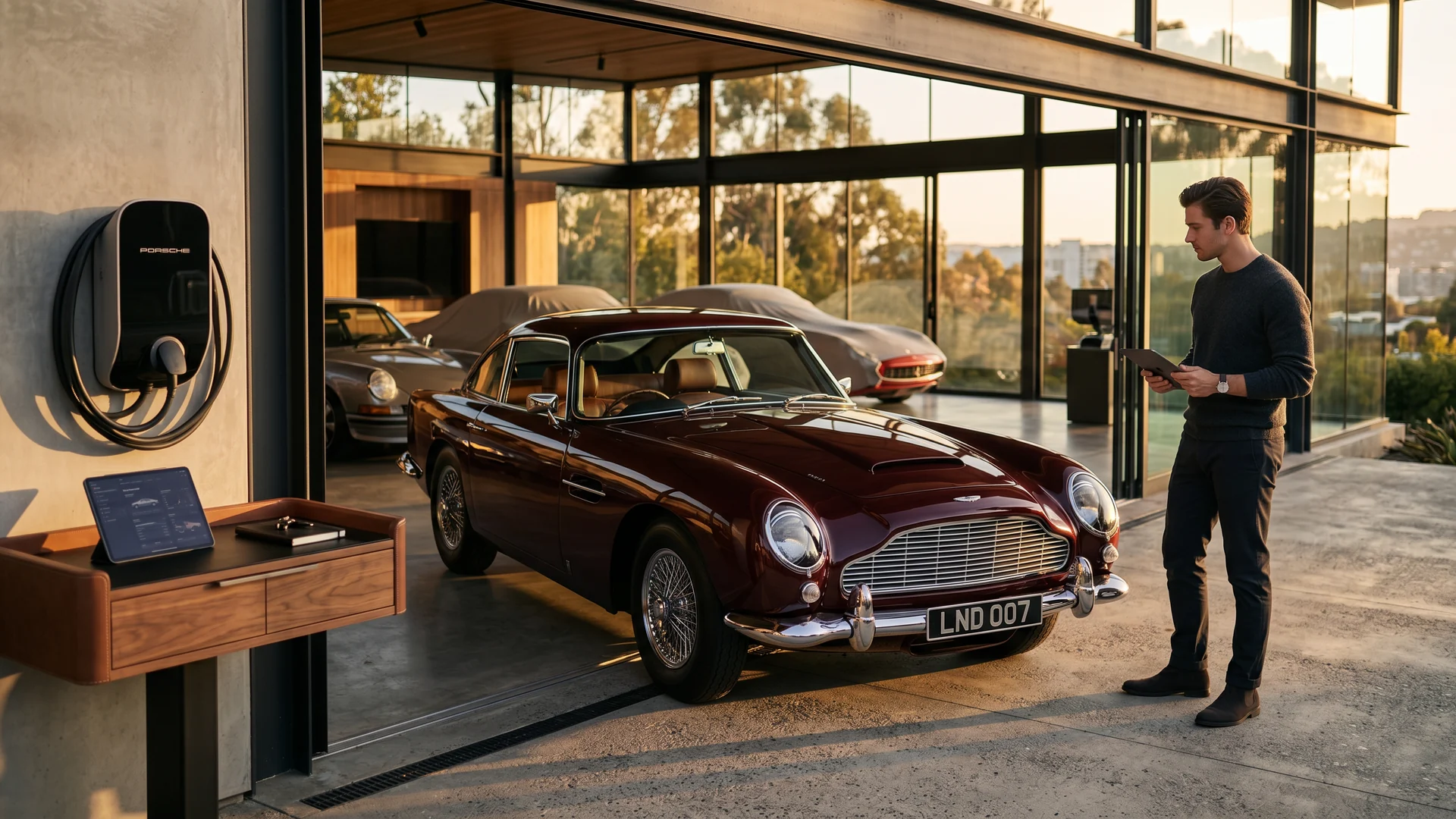
The Future of Classic Car Collecting: Trends Shaping the Next Generation
The future of classic car collecting: why 2035 ICE bans spare existing cars, plus e-fuels, shifting demographics, electromods and fractional ownership…
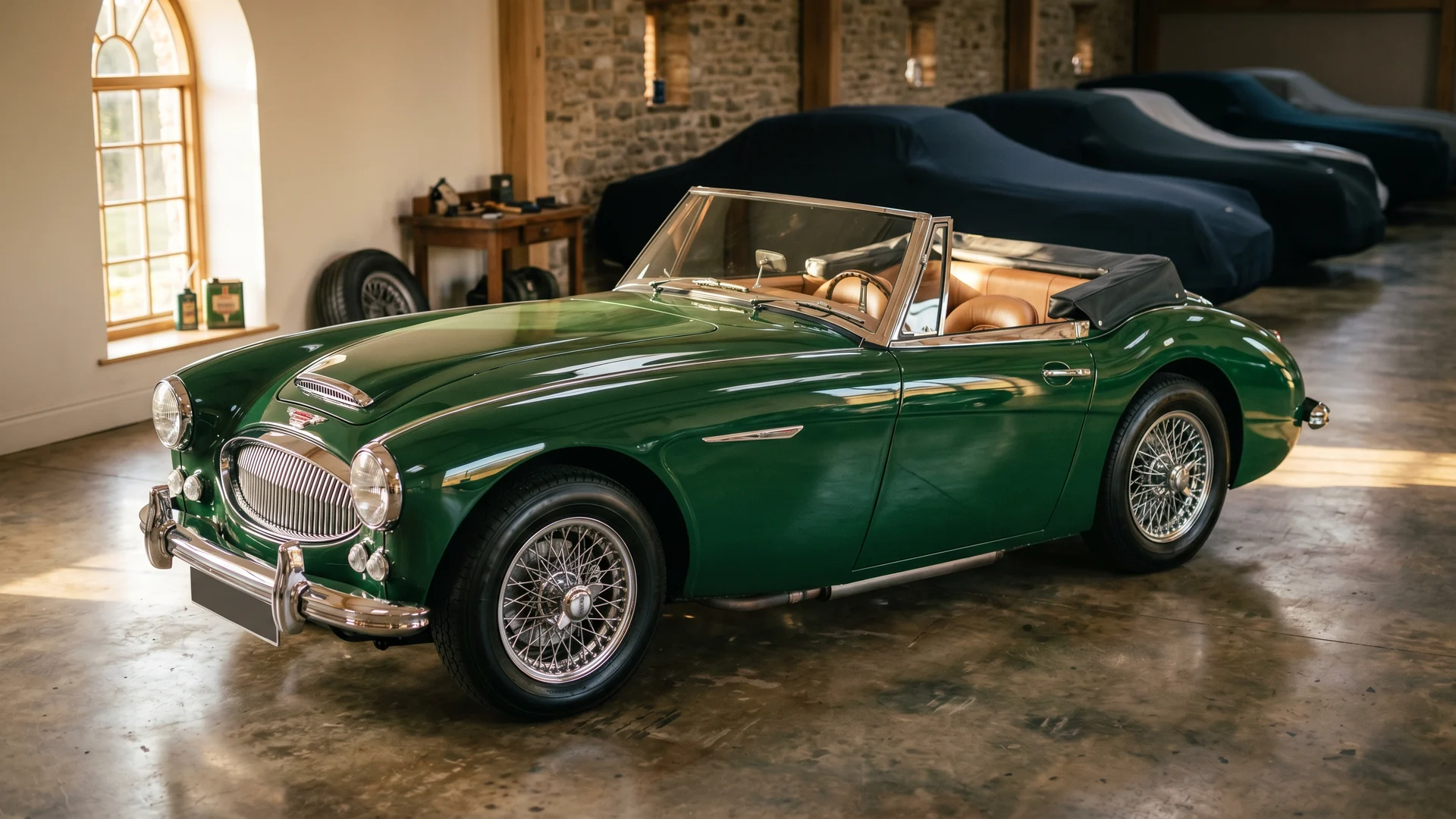
Classic Car Insurance Guide: Protecting Your Vintage Investment
Classic car insurance guide: why agreed-value policies beat stated and actual cash value, how Hagerty, Grundy and Chubb compare, plus costs and covera…
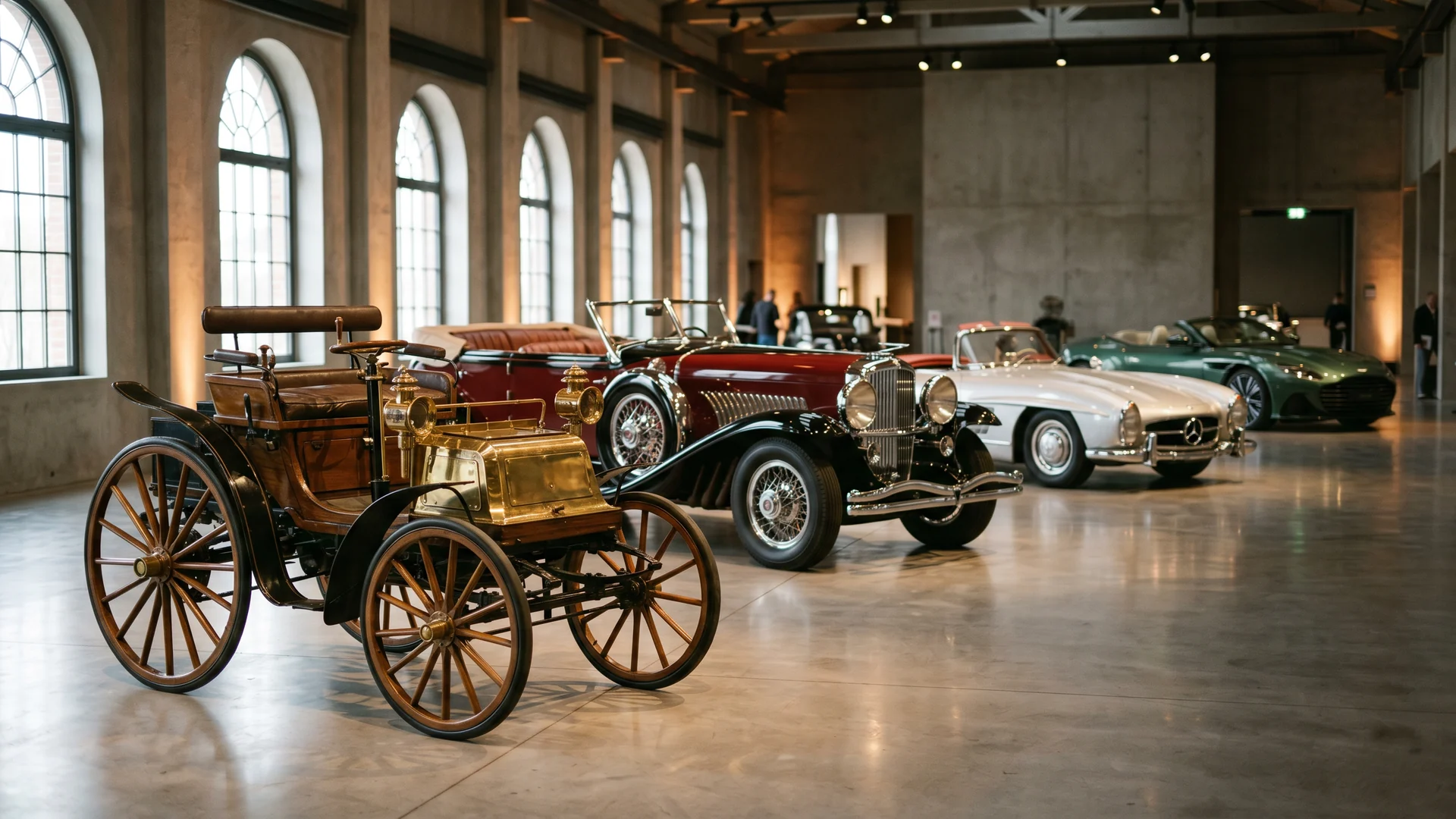
Classic Car History Timeline: From Benz to the Modern Collector Era
Classic car history timeline from the 1886 Benz Patent-Motorwagen through coachbuilding, muscle cars and supercars to modern collectibles. Discover th…