How Classic Car Ownership Became a Power Signal
Classic car ownership has experienced significant growth in recent years, evolving from a specialized interest to a widely recognized status symbol. This shift represents a broader…
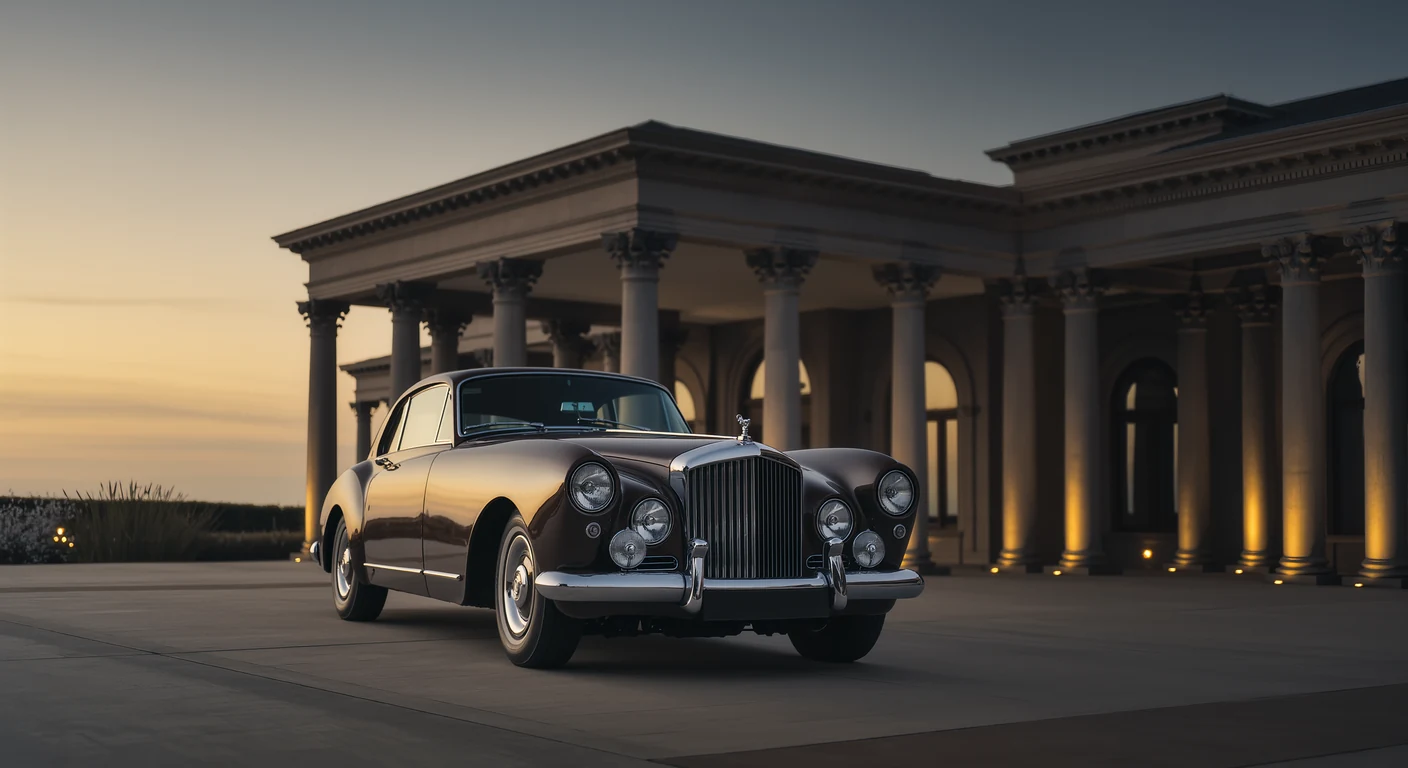
Classic car ownership has experienced significant growth in recent years, evolving from a specialized interest to a widely recognized status symbol. This shift represents a broader cultural trend where physical assets, particularly vintage automobiles, are increasingly perceived as indicators of wealth and social standing. Contemporary classic car ownership extends beyond appreciation for historical automotive engineering to encompass demonstrations of personal achievement and financial capability.
Classic automobiles attract buyers through their distinctive designs, historical importance, and manufacturing quality that often exceeds contemporary vehicle standards. The competitive nature of modern social environments has led individuals to utilize classic cars as status indicators. Social media platforms have intensified this trend by providing owners with expanded opportunities to display their vehicles to larger audiences.
The classic car market continues to expand as both collectors and investors recognize the potential for value appreciation, reinforcing the status associations connected to ownership.
Key Takeaways
- Classic car ownership has evolved into a prominent status symbol reflecting wealth, success, and sophistication.
- Hollywood, pop culture, and social media influencers significantly shape the desirability and perception of classic cars.
- Classic cars serve not only as luxury items but also as valuable investments and stores of value.
- Events like classic car shows, auctions, and vintage car clubs play a key role in promoting ownership as a sign of power and exclusivity.
- Owning classic cars allows individuals to express personal identity, taste, and individuality while reinforcing social prestige.
The Influence of Hollywood and Pop Culture on Classic Car Ownership
Hollywood has played a pivotal role in shaping the perception of classic cars as symbols of status and desirability. Iconic films featuring vintage automobiles have left an indelible mark on popular culture, embedding these vehicles in the collective consciousness as aspirational objects. From the sleek lines of a 1960s Mustang in “Bullitt” to the luxurious elegance of a Rolls-Royce in “The Great Gatsby,” classic cars have become synonymous with glamour and success.
Moreover, celebrities often amplify this allure by showcasing their classic car collections on social media platforms. When high-profile figures share their passion for vintage automobiles, it not only elevates the status of these cars but also inspires fans to aspire to similar ownership. This influence extends beyond mere aesthetics; it creates a cultural narrative that intertwines classic cars with notions of achievement, sophistication, and lifestyle aspirations.
Classic Cars as an Investment and Store of Value
Investing in classic cars has gained traction as a viable alternative to traditional assets like stocks and bonds. Many collectors view these vehicles not just as hobbies but as strategic investments that can appreciate over time. The classic car market has shown resilience, often outperforming other investment avenues during economic downturns.
This trend is fueled by a growing recognition that certain models can fetch significant returns at auctions, making them attractive to both seasoned investors and newcomers alike. The appeal of classic cars as a store of value lies in their rarity and historical significance. Limited production runs and unique features contribute to their desirability among collectors.
As demand continues to rise, so does the potential for appreciation. This investment aspect adds another layer to the status symbol narrative, as owning a valuable classic car not only signifies wealth but also financial savvy.
The Role of Classic Car Shows and Auctions in Promoting Ownership as a Power Signal
Classic car shows and auctions serve as vital platforms for promoting ownership as a power signal. These events attract enthusiasts, collectors, and potential buyers, creating an environment where prestige is on full display. At shows, owners proudly exhibit their meticulously restored vehicles, often competing for awards that further enhance their status within the community.
Auctions, on the other hand, provide a high-stakes arena where classic cars can command staggering prices. The excitement surrounding these events not only highlights the value of the vehicles but also reinforces the idea that ownership is synonymous with success. For many collectors, participating in these events is not just about selling or buying cars; it’s about being part of an exclusive club that celebrates automotive history and craftsmanship.
Classic Cars as a Reflection of Wealth and Success
Classic cars inherently reflect wealth and success due to their often high price tags and maintenance costs. Owning such vehicles requires not only financial resources but also a commitment to preserving their condition and heritage. This dedication signals to others that the owner possesses both the means and the passion to invest in something timeless.
Moreover, the choice of vehicle can convey specific messages about an owner’s lifestyle and values. For instance, a vintage Ferrari may suggest a penchant for speed and luxury, while a classic Volkswagen Beetle might reflect a more laid-back, nostalgic approach to life. In this way, classic cars serve as extensions of personal identity, allowing owners to communicate their tastes and aspirations without uttering a word.
The Exclusivity and Rarity of Classic Car Ownership
Exclusivity plays a significant role in the allure of classic car ownership. Many vintage models are produced in limited quantities, making them rare commodities in today’s market. This scarcity enhances their desirability among collectors who seek unique pieces to add to their collections.
The thrill of owning something that few others possess elevates the status associated with these vehicles. Additionally, certain models have become iconic due to their historical significance or association with notable figures. For example, cars once owned by celebrities or featured in famous films often command higher prices at auctions due to their storied pasts.
This exclusivity not only reinforces the owner’s status but also creates a sense of belonging within an elite community of collectors who share similar passions.
Classic Cars as a Symbol of Taste and Sophistication
Classic cars are often viewed as symbols of taste and sophistication, reflecting an owner’s appreciation for artistry and craftsmanship. Unlike modern vehicles that prioritize functionality over aesthetics, vintage automobiles showcase intricate designs and attention to detail that resonate with enthusiasts. This appreciation for beauty extends beyond mere ownership; it signifies an understanding of automotive history and culture.
Moreover, the choice of a classic car can reveal much about an owner’s personality and values. A meticulously restored Jaguar E-Type may suggest an affinity for British engineering and elegance, while a rugged Ford Bronco might indicate an adventurous spirit. In this way, classic cars serve as canvases for personal expression, allowing owners to curate their identities through their automotive choices.
The Role of Vintage Car Clubs and Communities in Promoting Classic Car Ownership
Vintage car clubs and communities play an essential role in fostering a culture around classic car ownership. These organizations provide platforms for enthusiasts to connect, share knowledge, and participate in events that celebrate their shared passion. Membership often comes with access to exclusive gatherings, rallies, and shows that further enhance the social aspect of ownership.
Being part of such communities not only enriches the ownership experience but also reinforces the status associated with classic cars. Members often take pride in showcasing their vehicles at club events or participating in charity drives, which adds layers of meaning to their ownership beyond mere possession. This camaraderie creates lasting friendships and networks that elevate the overall experience of being a classic car owner.
The Impact of Social Media and Influencers on the Perception of Classic Car Ownership
Social media has revolutionized how classic car ownership is perceived and celebrated. Platforms like Instagram and YouTube allow owners to share their experiences, restorations, and collections with a global audience. Influencers within this niche have emerged as key figures who shape trends and perceptions around vintage automobiles.
The visual nature of social media makes it an ideal medium for showcasing the beauty and craftsmanship of classic cars. As influencers post stunning images or videos featuring these vehicles, they inspire followers to aspire to similar ownership experiences. This digital exposure not only enhances the status associated with classic cars but also cultivates a new generation of enthusiasts eager to join the ranks of collectors.
Classic Cars as a Marker of Personal Identity and Individuality
For many owners, classic cars serve as markers of personal identity and individuality. The choice of vehicle often reflects personal tastes, values, and life experiences. Whether it’s a childhood dream car or a model that resonates with specific memories, these vehicles become extensions of who the owner is.
Moreover, owning a classic car allows individuals to stand out in a world dominated by mass-produced vehicles. Each vintage automobile carries its own story and character, making it unique compared to modern counterparts. This individuality fosters pride among owners who appreciate not just the vehicle itself but also what it represents in terms of personal history and passion.
The Future of Classic Car Ownership as a Power Signal
As we look toward the future, classic car ownership will likely continue to evolve as a power signal within society. With increasing interest from younger generations who value authenticity and craftsmanship, the market for vintage automobiles is poised for growth. Additionally, advancements in technology may lead to innovative ways for owners to connect with one another and showcase their collections.
The enduring appeal of classic cars lies in their ability to transcend trends and fads. As long as there are individuals who appreciate artistry and history in automotive design, classic cars will remain powerful symbols of status and success. Whether through investment potential or personal expression, owning a classic car will continue to signify more than just possession; it will represent a lifestyle choice steeped in tradition and passion.
In conclusion, classic car ownership has become much more than just a hobby; it is now intertwined with notions of wealth, success, individuality, and community.
FAQs
What defines a classic car?
A classic car is typically defined as a vehicle that is at least 20 to 25 years old, maintained or restored to a condition that reflects its original design and specifications. These cars often have historical significance, unique styling, or limited production numbers.
Why are classic cars considered a power signal?
Classic cars are seen as a power signal because they often represent wealth, status, and exclusivity. Owning and maintaining such vehicles requires significant financial investment, and their rarity and aesthetic appeal can symbolize success and influence.
How has classic car ownership evolved over time?
Classic car ownership has evolved from being primarily about nostalgia and preservation to also serving as a status symbol. In recent years, collectors and enthusiasts have increasingly used classic cars to showcase personal wealth and social standing.
What factors contribute to the rising value of classic cars?
Factors include rarity, historical significance, condition, provenance, and market demand. Limited production models, cars with celebrity ownership, or those associated with significant events tend to appreciate in value.
Are classic cars a good investment?
Classic cars can be a good investment if chosen carefully, as some models appreciate significantly over time. However, they also require ongoing maintenance and storage costs, and market values can fluctuate based on trends and economic conditions.
What are common challenges in owning a classic car?
Challenges include sourcing authentic parts, higher maintenance costs, specialized repair knowledge, insurance expenses, and the need for proper storage to prevent deterioration.
How do classic car owners typically display their vehicles as a power signal?
Owners may showcase their classic cars at high-profile events, car shows, or social gatherings. The vehicles are often kept in pristine condition and may be customized or restored to highlight exclusivity and personal taste.
What role do classic car clubs and communities play?
Classic car clubs and communities provide networking opportunities, resources for maintenance and restoration, and platforms for owners to share their passion. They also help reinforce the social status associated with classic car ownership.
Is classic car ownership accessible to everyone?
Classic car ownership is generally more accessible to individuals with disposable income due to the costs involved in purchasing, maintaining, and insuring these vehicles. However, there are varying levels of classic cars, some of which may be more affordable.
How does classic car ownership impact cultural perceptions of wealth and status?
Classic car ownership often reinforces traditional notions of wealth and status by associating the owner with luxury, exclusivity, and a connection to history. It can serve as a tangible symbol of success and refined taste.
More from Blog
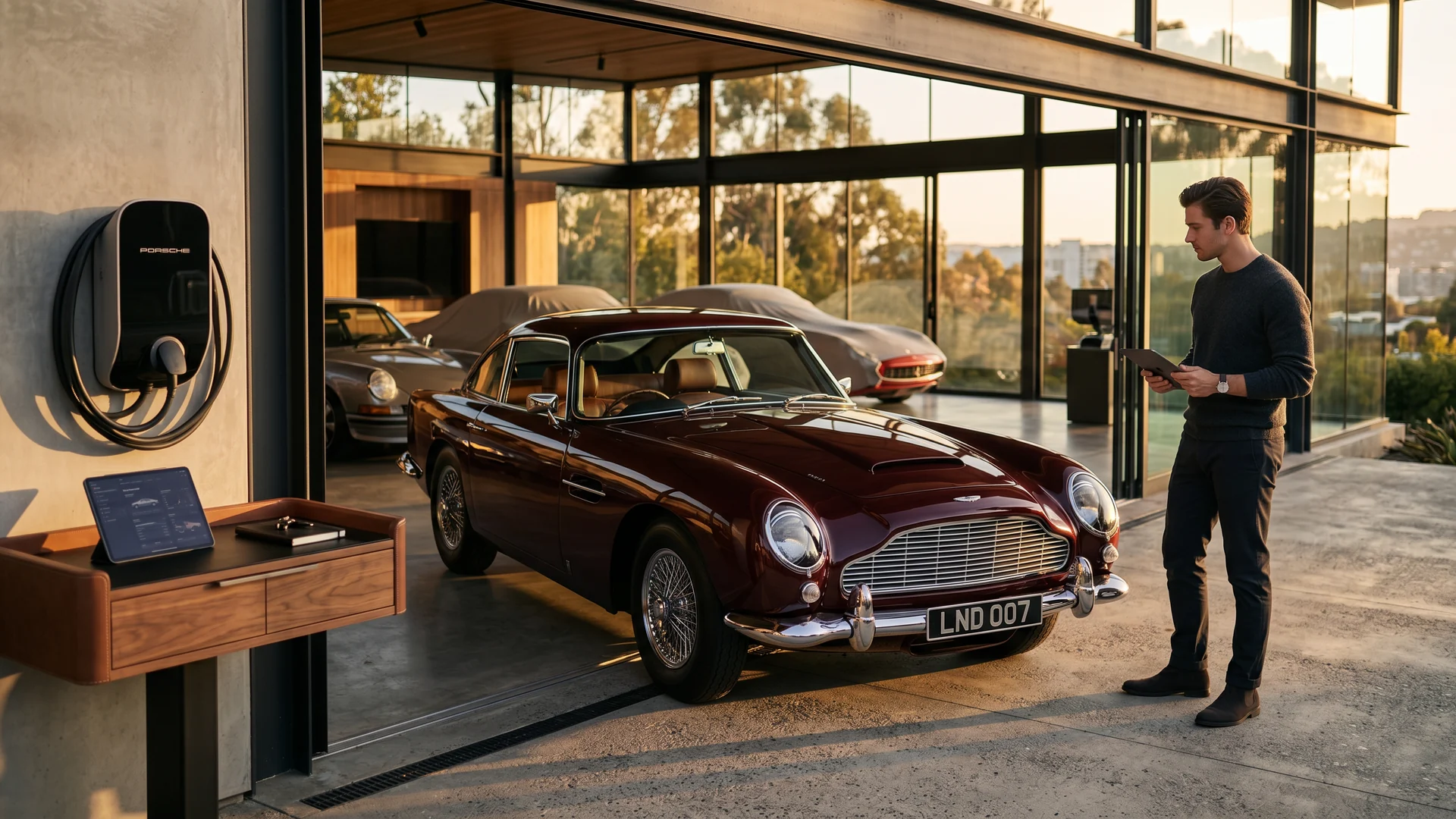
The Future of Classic Car Collecting: Trends Shaping the Next Generation
The future of classic car collecting: why 2035 ICE bans spare existing cars, plus e-fuels, shifting demographics, electromods and fractional ownership…
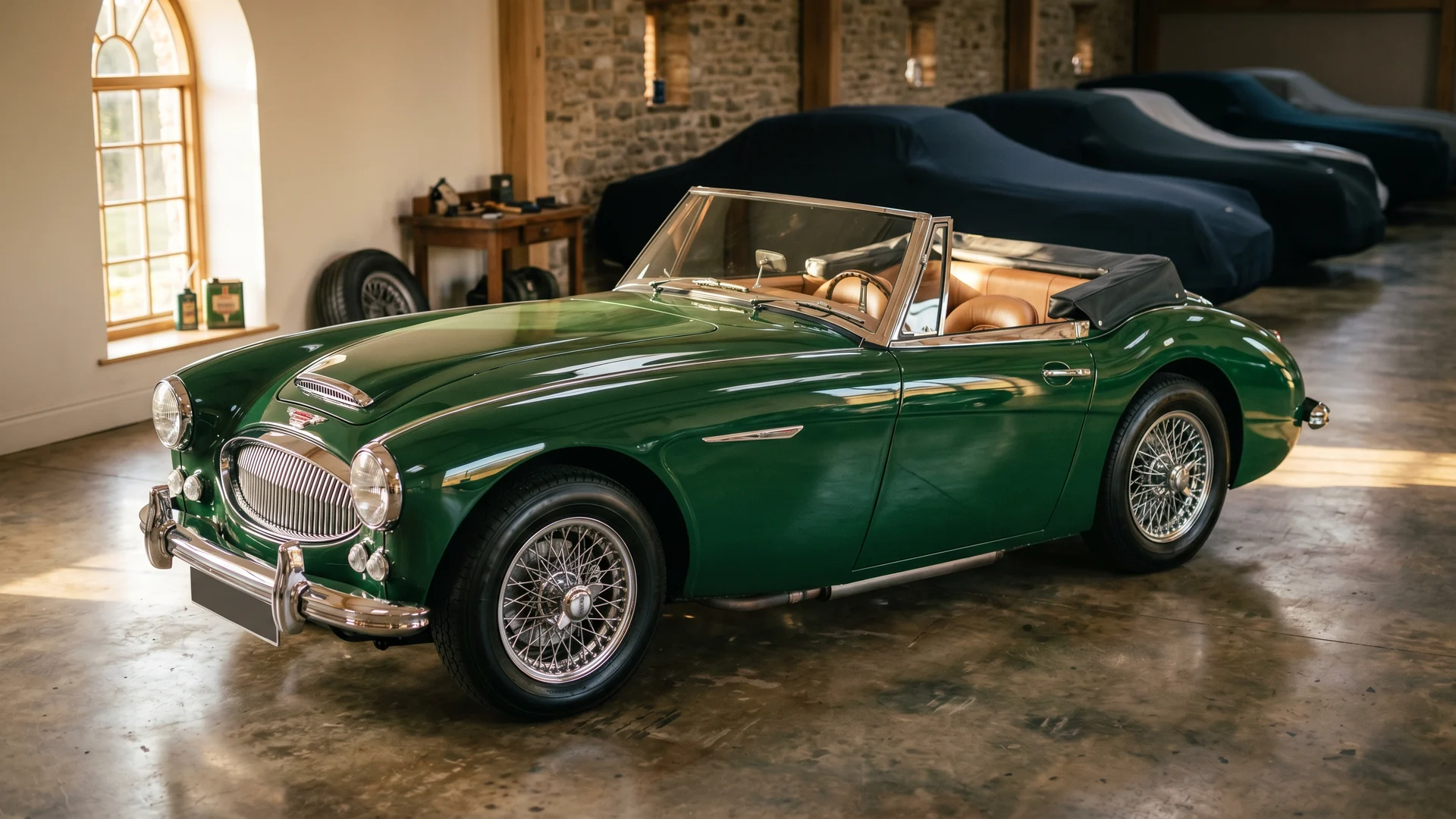
Classic Car Insurance Guide: Protecting Your Vintage Investment
Classic car insurance guide: why agreed-value policies beat stated and actual cash value, how Hagerty, Grundy and Chubb compare, plus costs and covera…
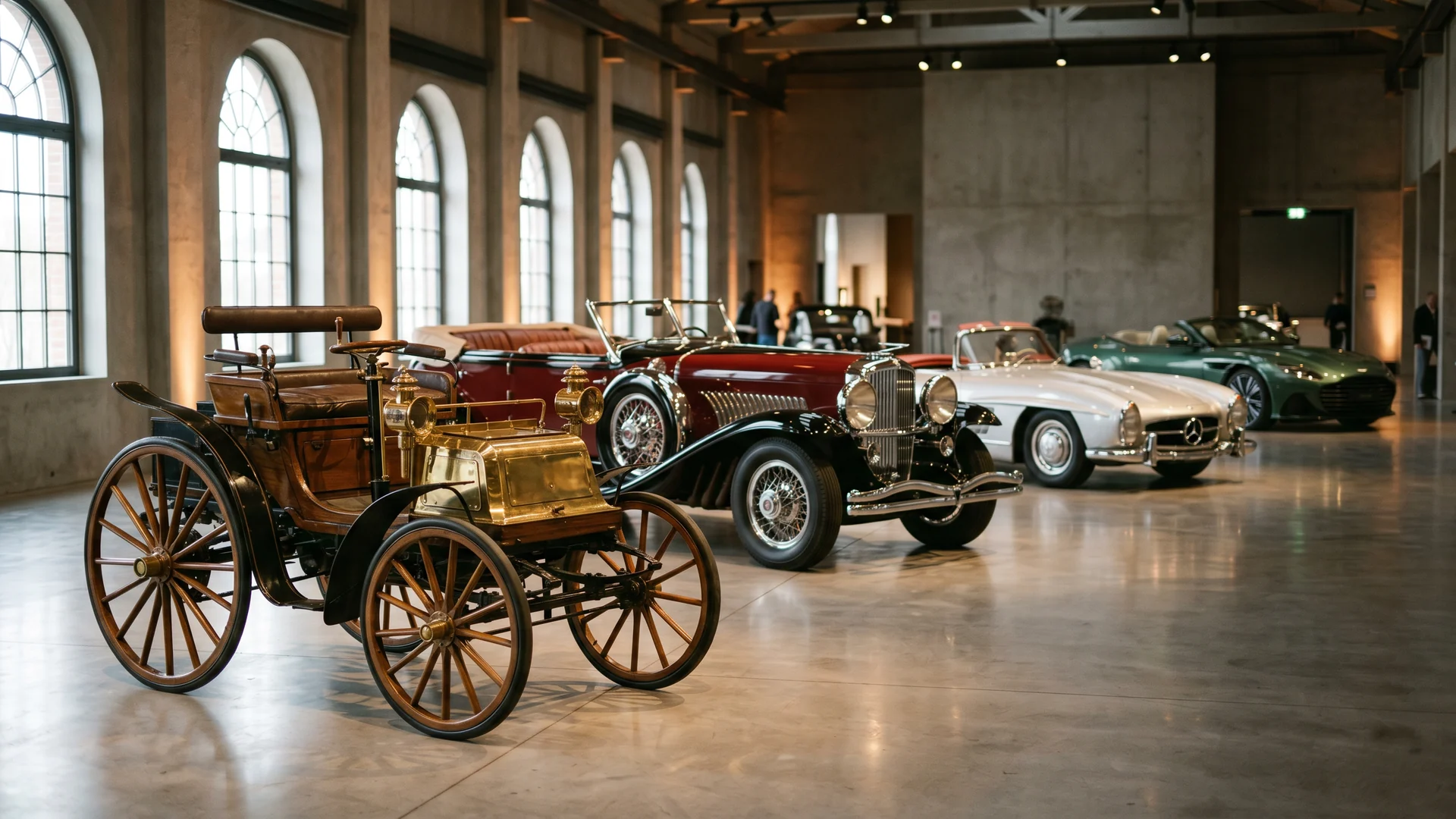
Classic Car History Timeline: From Benz to the Modern Collector Era
Classic car history timeline from the 1886 Benz Patent-Motorwagen through coachbuilding, muscle cars and supercars to modern collectibles. Discover th…