How Classic Car Market Cycles Punish Impatient Investors
The classic car market operates in cycles, much like other investment sectors. These cycles are influenced by various factors, including economic conditions, consumer preferences, …
The classic car market operates in cycles, much like other investment sectors. These cycles are influenced by various factors, including economic conditions, consumer preferences, and the rarity of specific models. Understanding these cycles is crucial for investors looking to navigate the classic car landscape effectively.
The market can experience periods of growth, stagnation, and decline, each presenting unique opportunities and challenges. Investors must recognize that the classic car market is not static. It evolves with trends and shifts in consumer interest.
For instance, certain models may surge in popularity due to nostalgia or cultural significance, while others may fade into obscurity. By grasping the nuances of these cycles, investors can make informed decisions that align with market trends, ultimately maximizing their investment potential.
Key Takeaways
- Classic car market cycles are influenced by economic factors, rarity, and demand.
- Many investors face disappointment due to impatience and expecting quick returns.
- Patience and a long-term perspective are crucial for success in classic car investing.
- Speculative investing carries significant risks without proper research and due diligence.
- Understanding market cycles and conducting thorough research enhances potential for long-term gains.
The Impatience of Investors in the Classic Car Market
One of the most common pitfalls for investors in the classic car market is impatience.
This impatience can lead to hasty decisions, such as selling a vehicle prematurely or investing in models that do not have a solid foundation for long-term growth.
Investors must understand that classic cars are not a get-rich-quick scheme. The market requires time to mature, and value appreciation often occurs gradually. Those who rush into decisions may miss out on significant gains that come with patience and strategic planning.
Recognizing this tendency can help investors adopt a more measured approach to their investments.
The Initial Excitement of Investing in Classic Cars
The thrill of investing in classic cars is undeniable. For many, it begins with a passion for automotive history and design. The initial excitement often stems from the joy of owning a piece of history, coupled with the potential for financial gain.
Classic cars evoke nostalgia and admiration, making them appealing not just as investments but also as cherished possessions. This excitement can be infectious, drawing investors into the market with dreams of restoration projects and car shows. However, it’s essential to temper this enthusiasm with a realistic understanding of the investment landscape.
While the allure of classic cars is strong, investors must remain grounded in their approach to ensure they make sound financial decisions.
The Disappointment of Quick Returns in the Classic Car Market
As investors dive into the classic car market, they may quickly realize that the anticipated quick returns are often elusive. Unlike stocks or other financial instruments that can fluctuate daily, classic cars require time to appreciate in value. Many investors experience disappointment when they do not see immediate financial rewards from their investments.
This disillusionment can lead to rash decisions, such as selling vehicles at a loss or abandoning the market altogether. It’s crucial for investors to understand that classic cars are long-term investments. The initial excitement may fade when faced with the reality of slow appreciation, but those who remain committed can ultimately reap the rewards of their patience.
The Importance of Patience in Classic Car Investing
Patience is a virtue that cannot be overstated in classic car investing. The market is characterized by its cyclical nature, and understanding this rhythm is key to successful investing. Investors who adopt a long-term perspective are more likely to see their investments flourish over time.
By exercising patience, investors can wait for the right moment to sell or trade their vehicles, capitalizing on market trends and demand fluctuations. Additionally, holding onto a classic car allows for potential restoration or enhancement, which can significantly increase its value. In essence, patience is not just a strategy; it’s an essential mindset for anyone looking to thrive in the classic car market.
The Impact of Economic Factors on Classic Car Market Cycles
Economic factors play a pivotal role in shaping classic car market cycles. During periods of economic growth, disposable income tends to rise, leading to increased demand for luxury items like classic cars. Conversely, during economic downturns, consumer spending often contracts, which can negatively impact the market.
Investors must stay attuned to broader economic indicators such as inflation rates, employment levels, and consumer confidence. These factors can influence not only the demand for classic cars but also their overall value. By understanding how economic conditions affect the market cycle, investors can make informed decisions about when to buy or sell their vehicles.
The Role of Rarity and Demand in Classic Car Market Cycles
Rarity and demand are two critical components that drive classic car market cycles. Vehicles that are rare or have limited production runs often command higher prices due to their scarcity. Collectors and enthusiasts are willing to pay a premium for models that are hard to find, creating a dynamic where rarity directly influences value.
Demand also fluctuates based on trends and cultural shifts. For example, certain models may become highly sought after due to their historical significance or unique features. Investors should focus on understanding which cars are gaining traction in the market and why.
By aligning their investments with models that exhibit both rarity and rising demand, they can position themselves for success.
The Potential for Long-Term Gains in the Classic Car Market
While the classic car market may present challenges, it also offers significant potential for long-term gains. Investors who take a strategic approach and remain patient can see substantial returns on their investments over time. Classic cars have historically appreciated in value, especially those that are well-maintained and restored.
Moreover, as new generations of collectors emerge, interest in classic cars continues to grow. This trend suggests that certain models may become even more valuable as time goes on. By focusing on quality vehicles and maintaining them properly, investors can unlock the potential for impressive long-term gains in this unique market.
The Risks of Speculative Investing in Classic Cars
Speculative investing in classic cars carries inherent risks that investors must acknowledge. While some individuals may be drawn to high-risk opportunities with the hope of quick profits, this approach can lead to significant losses. The classic car market is not immune to volatility; prices can fluctuate based on trends and economic conditions.
Investors should be cautious about jumping into speculative ventures without thorough research and understanding of the vehicles involved. It’s essential to differentiate between sound investments based on historical data and trends versus speculative purchases driven by hype or emotion. A well-informed approach will mitigate risks and enhance the likelihood of success.
The Need for Research and Due Diligence in Classic Car Investing
Research and due diligence are paramount when investing in classic cars. Investors should take the time to study specific models, their histories, and current market trends before making any purchases. Understanding factors such as provenance, condition, and restoration history can significantly impact a vehicle’s value.
Additionally, engaging with experts in the field, such as appraisers or seasoned collectors, can provide valuable insights into potential investments. By conducting thorough research and seeking expert advice, investors can make informed decisions that align with their financial goals while minimizing risks associated with uninformed purchases.
The Importance of a Long-Term Perspective in Classic Car Investing
A long-term perspective is essential for anyone looking to succeed in classic car investing. Unlike other investment vehicles that may offer quick returns, classic cars require time to appreciate fully. Investors should focus on building a collection that reflects both passion and potential for growth over time.
By adopting a long-term mindset, investors can weather market fluctuations and capitalize on opportunities as they arise. This approach allows them to enjoy their vehicles while also positioning themselves for future financial gains. Ultimately, those who embrace patience and a long-term perspective will find greater success in navigating the classic car market’s complexities.
In conclusion, investing in classic cars offers both challenges and opportunities.
With careful planning and informed decision-making, classic car investing can be both a rewarding passion and a lucrative financial endeavor.
FAQs
What are classic car market cycles?
Classic car market cycles refer to the periodic fluctuations in the value and demand for classic cars over time. These cycles typically involve phases of rising prices, peak valuations, declining prices, and eventual recovery.
Why do classic car market cycles occur?
Market cycles in classic cars occur due to factors such as changing collector preferences, economic conditions, availability of vehicles, and broader trends in the investment and luxury goods markets.
How long do classic car market cycles usually last?
The duration of classic car market cycles can vary but often span several years to over a decade. The length depends on economic factors, market sentiment, and the rarity and desirability of specific car models.
What does it mean to be an impatient investor in the classic car market?
An impatient investor is someone who buys and sells classic cars quickly, hoping for short-term profits without holding the vehicle through the natural market cycle. This approach can lead to losses if the market is in a downturn.
How can impatience negatively impact investors in classic cars?
Impatience can lead investors to sell during market lows or buy at market peaks, resulting in financial losses. Classic car values often require long-term holding to realize significant appreciation.
Are classic cars a good investment?
Classic cars can be a good investment if purchased wisely and held over the long term. However, they are subject to market volatility, maintenance costs, and require knowledge of the market to avoid losses.
What strategies can help investors avoid losses in classic car market cycles?
Investors should research market trends, be prepared to hold vehicles through downturns, focus on rare and desirable models, and avoid speculative buying based on short-term market movements.
Do all classic cars appreciate in value over time?
No, not all classic cars appreciate. Value depends on factors like rarity, condition, historical significance, and market demand. Some cars may depreciate or remain stable in value.
How does economic climate affect classic car market cycles?
Economic conditions influence disposable income and investment behavior. During economic downturns, demand for luxury collectibles like classic cars may decrease, leading to price declines.
Can market timing improve returns in the classic car market?
Market timing is challenging due to the cyclical and illiquid nature of classic car markets. Long-term holding and careful selection generally yield better returns than attempting to time market highs and lows.
More from Blog
The Future of Classic Car Collecting: Trends Shaping the Next Generation
The future of classic car collecting: why 2035 ICE bans spare existing cars, plus e-fuels, shifting demographics, electromods and fractional ownership…
Classic Car Insurance Guide: Protecting Your Vintage Investment
Classic car insurance guide: why agreed-value policies beat stated and actual cash value, how Hagerty, Grundy and Chubb compare, plus costs and covera…
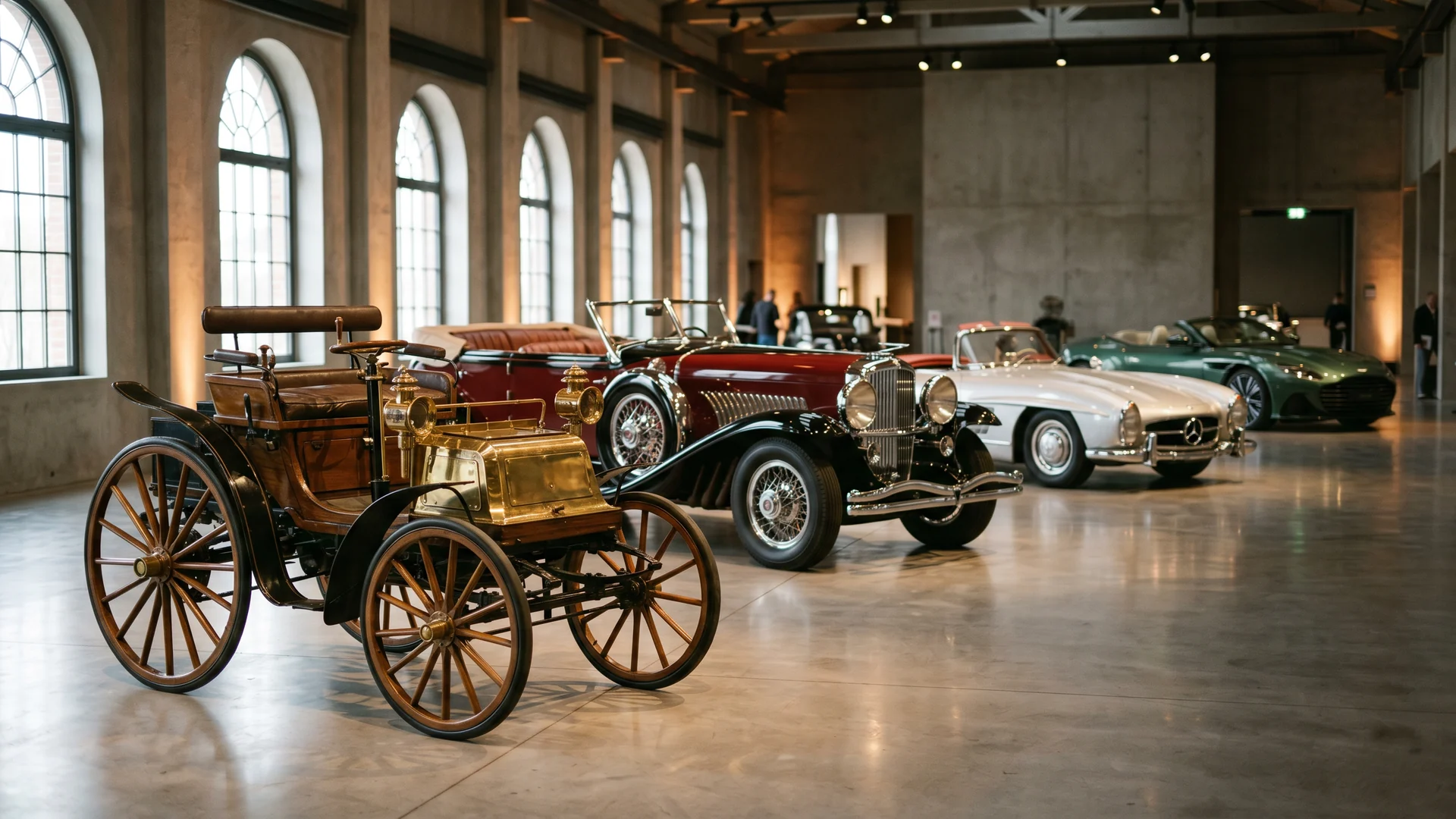
Classic Car History Timeline: From Benz to the Modern Collector Era
Classic car history timeline from the 1886 Benz Patent-Motorwagen through coachbuilding, muscle cars and supercars to modern collectibles. Discover th…