How Classic Car Auctions Manipulate Prices Behind the Scenes
Classic car auctions have evolved into a dynamic marketplace where enthusiasts and collectors gather to buy and sell vintage automobiles. These events showcase rare and historicall…

Classic car auctions have evolved into a dynamic marketplace where enthusiasts and collectors gather to buy and sell vintage automobiles. These events showcase rare and historically significant vehicles while simultaneously functioning as indicators of trends within the classic car market. The combination of competitive bidding, potential financial appreciation, and automotive passion makes these auctions attractive venues for participants.
However, success in this environment requires a thorough understanding of the price determination mechanisms.
The auction houses themselves play a significant role, as do bidder behaviors, market conditions, and vehicle-specific attributes.
Each auction represents a complex interplay of these elements, creating a sophisticated pricing ecosystem. This article examines the various factors that influence classic car auction prices, analyzing how different market forces and participant strategies affect outcomes and providing essential knowledge for those participating in this specialized marketplace.
Key Takeaways
- Auction houses play a central role in setting and influencing classic car prices through various tactics and policies.
- Marketing, promotion, and the reputation of auction houses significantly impact the final sale prices of classic cars.
- Bidding strategies and the involvement of auction house specialists can manipulate auction outcomes.
- External factors and auction house fees also affect the pricing dynamics in classic car auctions.
- Understanding these manipulation methods is crucial for buyers and sellers to navigate the classic car auction market effectively.
The Role of Auction Houses in Setting Prices
Auction houses play a pivotal role in determining the prices of classic cars. They act as intermediaries between sellers and buyers, providing a platform where vehicles can be showcased and sold to the highest bidder. The expertise of auction houses in evaluating cars, understanding market trends, and setting reserve prices is essential in establishing a fair market value.
Their reputation and credibility can also significantly influence buyer confidence, which in turn affects bidding behavior. Moreover, auction houses often curate their offerings, selecting vehicles that align with current market demands. This curation process can create a sense of exclusivity and desirability around certain models, driving up their prices.
By leveraging their industry knowledge and connections, auction houses can effectively set the stage for competitive bidding, ultimately impacting the final sale price of classic cars.
Manipulation Tactics Used by Auction Houses
While auction houses provide valuable services, some may employ manipulation tactics that can skew the perceived value of classic cars. One common tactic is the use of shill bidding, where auction house representatives place bids on behalf of sellers to artificially inflate prices. This practice can mislead genuine bidders into believing there is more demand for a vehicle than actually exists.
Another tactic involves strategic timing and placement of vehicles within an auction. By positioning high-demand cars at the beginning or end of an auction, houses can create a sense of urgency or excitement that drives up bids. Additionally, auction houses may use vague descriptions or highlight only the positive aspects of a vehicle while downplaying any flaws, further influencing buyer perceptions and bidding behavior.
The Influence of Marketing and Promotion on Prices
Marketing and promotion are critical components in shaping the prices of classic cars at auction. Auction houses invest heavily in advertising campaigns to attract potential buyers and create buzz around specific vehicles. This marketing effort can include high-quality photography, detailed descriptions, and even promotional videos that showcase a car’s unique features.
The way a vehicle is presented can significantly impact its perceived value. A well-marketed car can generate more interest and competition among bidders, leading to higher final sale prices. Additionally, auction houses often leverage social media platforms and online marketing strategies to reach a broader audience, further enhancing the visibility and desirability of classic cars.
The Impact of Auction House Reputation on Prices
The reputation of an auction house can have a profound effect on the prices achieved during an auction. Established auction houses with a long history of successful sales tend to attract more serious buyers who are willing to pay premium prices for quality vehicles. Buyers often feel more secure purchasing from reputable houses due to their established track record and expertise in the classic car market.
Conversely, lesser-known or new auction houses may struggle to achieve high prices due to a lack of trust among potential buyers. The perceived risk associated with purchasing from an unknown source can lead to lower bids and ultimately lower sale prices. Therefore, the reputation of an auction house is not just about brand recognition; it directly correlates with buyer confidence and willingness to invest in classic cars.
The Role of Bidding Strategies in Manipulating Prices
Bidding strategies play a crucial role in determining the final sale price of classic cars at auction. Savvy bidders often employ various tactics to gain an advantage over their competitors. For instance, some bidders may choose to hold back their bids until the last moments of an auction, creating suspense and potentially catching others off guard.
Additionally, bidders may engage in psychological tactics, such as making aggressive bids early on to intimidate other participants or using incremental bidding to gauge interest levels. These strategies can manipulate the perceived value of a vehicle, leading to inflated prices as bidders compete against one another in a heated environment.
The Effect of Auction House Policies on Prices
Auction house policies can significantly influence pricing dynamics during classic car auctions.
If a reserve price is not met, the vehicle may not sell at all, which can lead to disappointment for both sellers and potential buyers.
Additionally, policies regarding buyer’s premiums, fees charged on top of the final bid price, can also impact bidding behavior. High premiums may deter some bidders from participating or lead them to adjust their maximum bids accordingly. Understanding these policies is essential for both buyers and sellers as they navigate the auction process.
The Role of Auction House Specialists in Setting Prices
Auction house specialists play an integral role in setting prices for classic cars by providing expert evaluations and insights into market trends. These specialists often have extensive knowledge about specific makes and models, allowing them to assess a vehicle’s condition accurately and determine its fair market value. Their expertise extends beyond mere valuation; specialists also help sellers prepare their cars for auction by advising on necessary repairs or enhancements that could increase value.
By leveraging their industry connections and understanding buyer preferences, auction house specialists can effectively influence pricing strategies that benefit both sellers and buyers alike.
The Influence of External Factors on Auction Prices
External factors can also have a significant impact on classic car auction prices. Economic conditions, such as fluctuations in disposable income or changes in consumer confidence, can affect buyers’ willingness to spend on luxury items like classic cars. Additionally, trends within the automotive industry, such as shifts toward electric vehicles, can influence demand for certain classic models.
Seasonal factors may also play a role; for instance, auctions held during peak tourist seasons may attract more bidders than those held during off-peak times. Understanding these external influences is crucial for both buyers and sellers as they strategize their participation in classic car auctions.
The Impact of Auction House Fees and Commissions on Prices
Auction house fees and commissions are essential considerations when evaluating potential sale prices for classic cars. Typically, sellers must pay a commission based on the final sale price, which can range from 5% to 15% depending on the auction house’s policies. This fee structure can influence sellers’ expectations regarding their net proceeds from a sale.
For buyers, additional fees such as buyer’s premiums can add significant costs to their purchases. These fees may lead buyers to adjust their bidding strategies or limit their maximum bids based on total expected costs. Understanding these financial implications is vital for both parties as they navigate the complexities of classic car auctions.
Understanding the Manipulation of Classic Car Auction Prices
Navigating the world of classic car auctions requires an understanding of various factors that influence pricing dynamics. From the role of auction houses in setting prices to manipulation tactics employed during bidding wars, each element plays a crucial role in determining final sale prices. By recognizing how marketing efforts, reputations, bidding strategies, policies, specialists’ insights, external influences, and fees impact pricing, both buyers and sellers can make informed decisions.
Ultimately, knowledge is power in this competitive marketplace. Whether you are looking to buy your dream classic car or sell a prized possession, understanding these nuances will help you navigate auctions with confidence and achieve optimal results. Embrace this knowledge as you embark on your classic car journey, your next great find or sale awaits!
FAQs
What are classic car auctions?
Classic car auctions are events where vintage and collectible automobiles are sold to the highest bidder. These auctions can be held in person or online and attract collectors, dealers, and enthusiasts looking to buy or sell classic vehicles.
How do classic car auctions typically determine the starting price of a vehicle?
Starting prices at classic car auctions are often set based on factors such as the car’s rarity, condition, provenance, and recent sales of similar models. Auction houses may also consider expert appraisals and market demand when establishing a reserve price or starting bid.
What does it mean to manipulate prices at classic car auctions?
Price manipulation at classic car auctions refers to practices that artificially inflate or deflate the final sale price of a vehicle. This can involve tactics such as shill bidding, where fake bids are placed to drive up the price, or collusion among bidders to suppress competition.
Are price manipulations at classic car auctions legal?
No, price manipulation practices like shill bidding and collusion are generally illegal and violate auction regulations. Auction houses and participants found engaging in such activities can face legal penalties, fines, and damage to their reputations.
What are some common methods used to manipulate prices behind the scenes?
Common methods include shill bidding by sellers or their associates, bid shielding where a high bid is placed and then withdrawn to intimidate other bidders, and pre-arranged agreements between bidders to keep prices low or high. Some auctions may also use reserve prices strategically to influence bidding behavior.
How can buyers protect themselves from price manipulation at classic car auctions?
Buyers can protect themselves by researching the vehicle’s market value, attending reputable auctions with transparent practices, watching for suspicious bidding patterns, and working with trusted experts or appraisers. It’s also advisable to review auction terms and conditions carefully.
Do all classic car auctions engage in price manipulation?
No, not all classic car auctions engage in price manipulation. Many reputable auction houses operate with strict ethical standards and transparency to ensure fair bidding and accurate market pricing. However, buyers should remain vigilant and informed.
What impact does price manipulation have on the classic car market?
Price manipulation can distort the true market value of classic cars, leading to inflated prices that may not reflect the vehicle’s actual worth. This can harm buyers, sellers, and the overall integrity of the classic car market by undermining trust and transparency.
Are there regulations governing classic car auctions?
Yes, classic car auctions are subject to various laws and regulations depending on the jurisdiction. These regulations aim to prevent fraudulent activities, ensure fair competition, and protect consumers. Auction houses often have their own codes of conduct and compliance measures as well.
Where can I learn more about classic car auction practices?
Information about classic car auction practices can be found through industry publications, auction house websites, classic car clubs, and consumer protection agencies. Attending auctions and speaking with experienced collectors and professionals can also provide valuable insights.
More from Blog

The Future of Classic Car Collecting: Trends Shaping the Next Generation
The future of classic car collecting: why 2035 ICE bans spare existing cars, plus e-fuels, shifting demographics, electromods and fractional ownership…
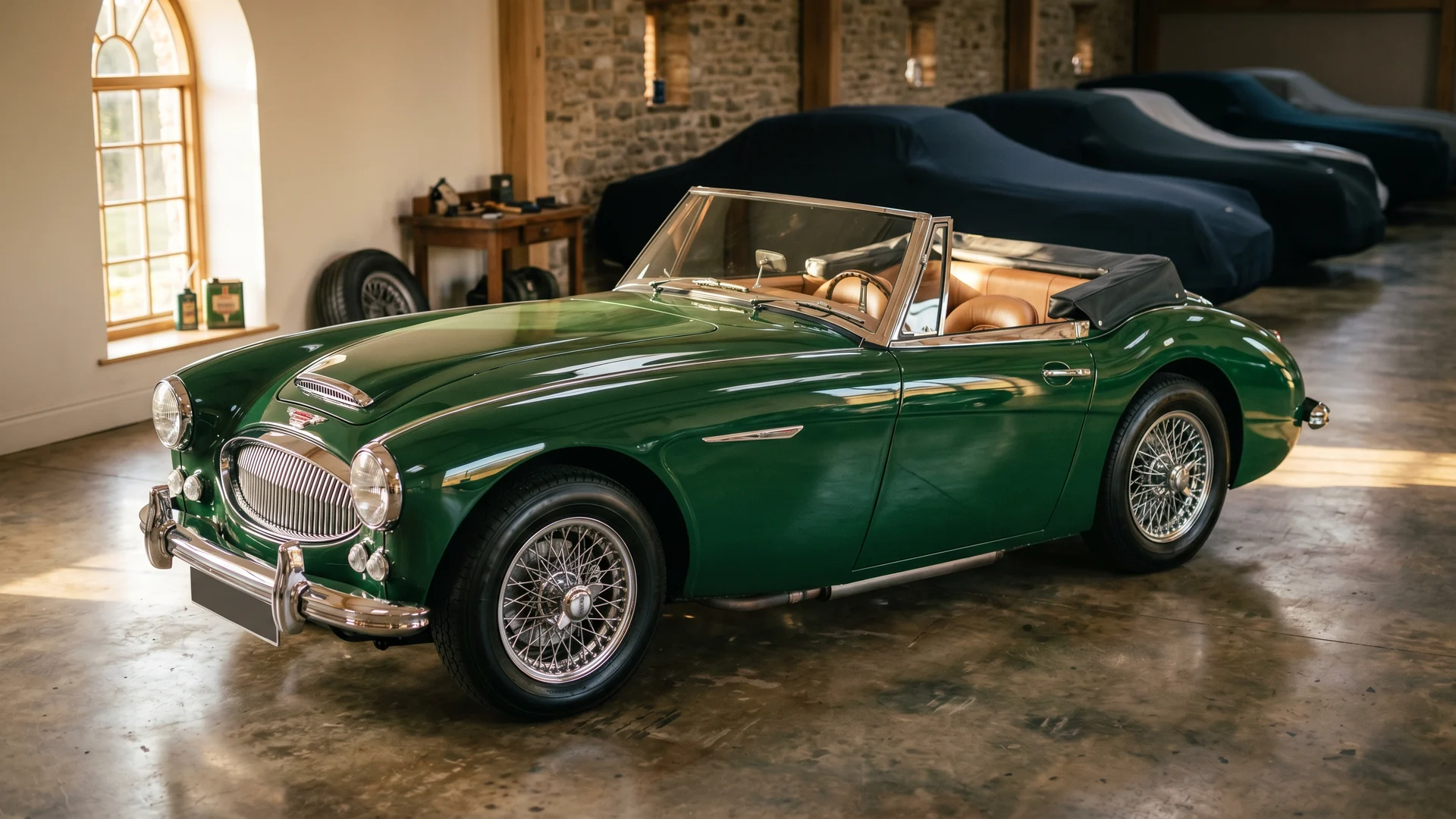
Classic Car Insurance Guide: Protecting Your Vintage Investment
Classic car insurance guide: why agreed-value policies beat stated and actual cash value, how Hagerty, Grundy and Chubb compare, plus costs and covera…
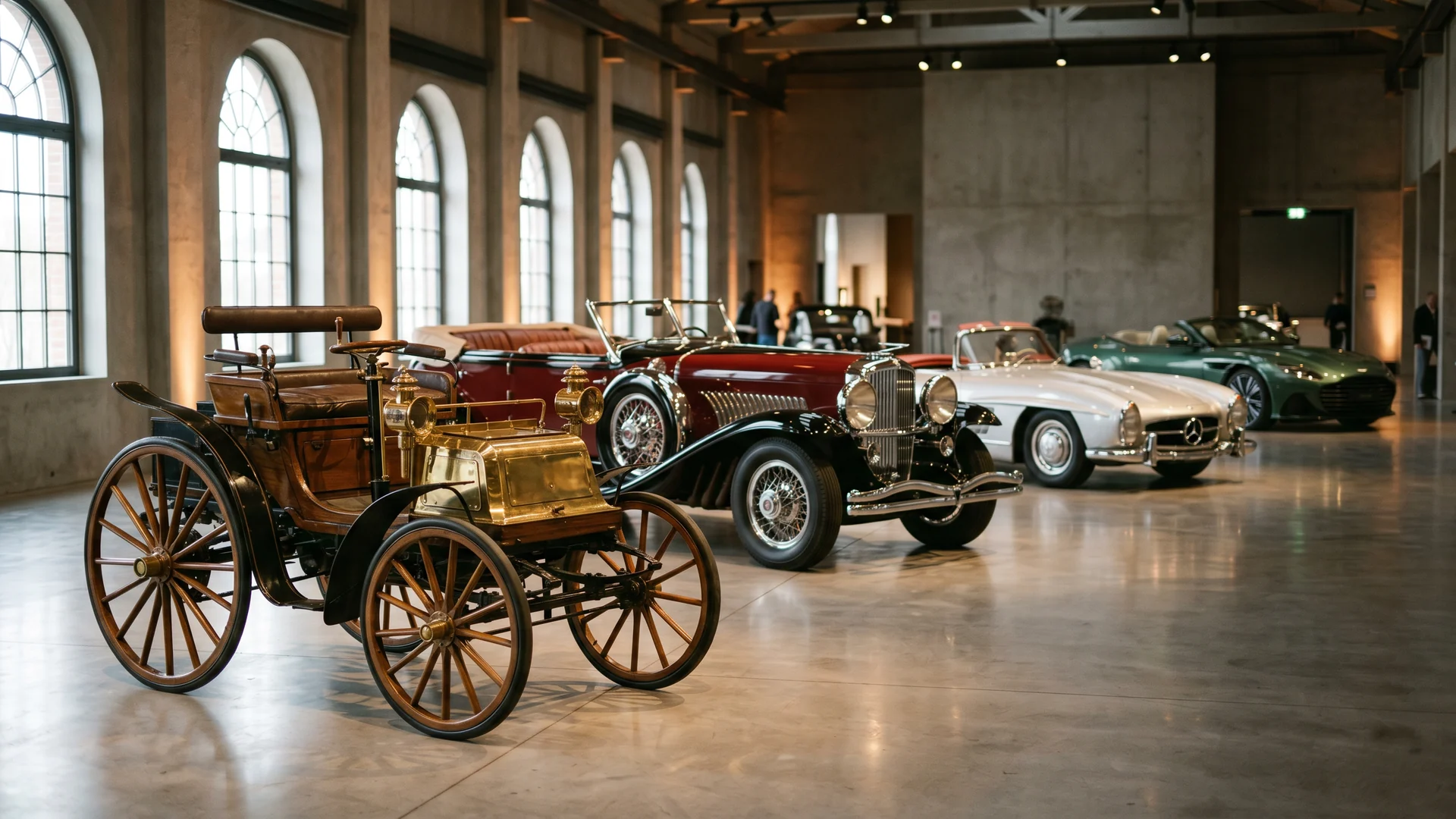
Classic Car History Timeline: From Benz to the Modern Collector Era
Classic car history timeline from the 1886 Benz Patent-Motorwagen through coachbuilding, muscle cars and supercars to modern collectibles. Discover th…