How Celebrity Ownership Inflates Classic Car Values
Celebrity ownership significantly impacts the classic car market through enhanced valuations, increased desirability, and altered collector behavior. Classic automobiles represent …
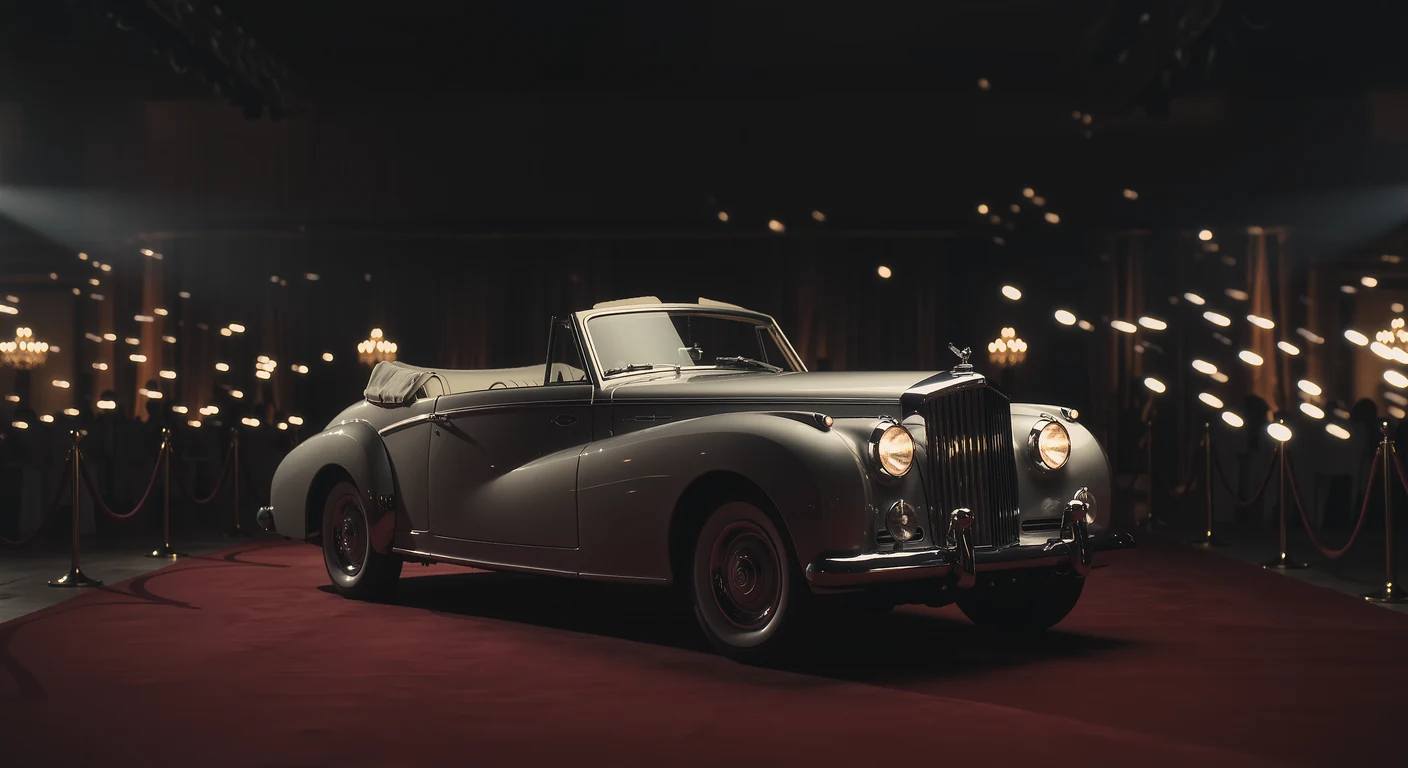
Celebrity ownership significantly impacts the classic car market through enhanced valuations, increased desirability, and altered collector behavior. Classic automobiles represent historical craftsmanship and automotive heritage, attracting collectors who value mechanical excellence and design aesthetics. When celebrities acquire these vehicles, they create additional provenance that extends beyond the car’s original manufacturing significance.
The celebrity association transforms classic cars into cultural artifacts that carry dual historical value: automotive heritage and entertainment industry connections. This dual significance affects market pricing, with celebrity-owned vehicles typically commanding premium prices at auctions compared to identical models without famous ownership history. Market dynamics shift when celebrity ownership becomes public knowledge.
Collectors and investors often view these vehicles as unique investment opportunities, combining traditional automotive appreciation with celebrity memorabilia value. The resulting demand can influence pricing trends across similar models, creating ripple effects throughout specific vehicle categories. Celebrity ownership also affects public perception of classic car collecting, potentially attracting new enthusiasts who might not otherwise engage with automotive history.
This expanded interest can drive broader market growth while simultaneously increasing competition for premium examples. The phenomenon demonstrates how cultural influence intersects with traditional collecting markets, creating new valuation frameworks that consider both mechanical significance and celebrity association.
Key Takeaways
- Celebrity ownership significantly boosts the market value and desirability of classic cars.
- Stories and histories linked to celebrities enhance the emotional and psychological appeal for collectors.
- Celebrity-endorsed classic cars often fetch higher prices at auctions due to perceived rarity and prestige.
- The involvement of celebrities influences restoration efforts, often preserving cars in more authentic or iconic conditions.
- Ethical considerations arise regarding the impact of celebrity ownership on accessibility and authenticity in classic car collecting.
The Influence of Celebrity Endorsement on Classic Car Values
Celebrity endorsement plays a pivotal role in shaping the values of classic cars. When a well-known figure publicly associates themselves with a particular vehicle, it can lead to an immediate spike in interest and demand. This phenomenon is not merely anecdotal; studies have shown that classic cars linked to celebrities often command higher prices at auctions and sales.
The endorsement acts as a form of validation, suggesting that the vehicle is not only desirable but also worthy of investment. Moreover, the influence of celebrity ownership extends beyond mere monetary value. It creates a narrative that enhances the car’s story, making it more appealing to potential buyers.
For instance, if a classic car was once owned by a beloved actor or musician, it carries with it a sense of history and prestige that can significantly elevate its market position. This connection to fame transforms the car from just another vehicle into a piece of cultural heritage.
Examples of Classic Cars Owned by Celebrities and Their Impact on Market Prices
Numerous examples illustrate how celebrity ownership can dramatically affect classic car prices. One notable instance is Steve McQueen’s 1970 Porsche 911S, which sold for an astounding $1.375 million at auction. McQueen’s status as a cultural icon and his association with automotive excellence contributed to the car’s skyrocketing value.
Similarly, Paul Newman’s 1979 Datsun 280ZX fetched over $500,000, showcasing how celebrity provenance can turn an ordinary vehicle into a collector’s dream. Another example is the 1967 Ford Mustang driven by actor Nicolas Cage in “Gone in 60 Seconds.” This particular Mustang became a hot commodity after its association with Cage, leading to increased interest and higher bids at auctions. These instances highlight how celebrity ownership not only enhances the allure of classic cars but also serves as a catalyst for price appreciation in the market.
The Psychological Effect of Celebrity Ownership on Classic Car Enthusiasts
The psychological impact of celebrity ownership on classic car enthusiasts cannot be overstated. For many fans, owning a vehicle once driven by their favorite celebrity is akin to possessing a piece of their idol’s legacy.
Furthermore, the allure of celebrity ownership fosters a sense of community among enthusiasts. Car shows and gatherings often feature discussions about famous owners and their vehicles, creating an environment where stories are shared and connections are made. This camaraderie enhances the overall experience of classic car collecting, making it more than just a hobby; it becomes a shared passion that transcends generations.
How Celebrity Ownership Increases the Rarity and Desirability of Classic Cars
Celebrity ownership inherently increases the rarity and desirability of classic cars. When a famous individual owns a vehicle, it becomes part of their personal narrative, making it unique in the eyes of collectors. The combination of limited production numbers and celebrity provenance creates an irresistible allure for potential buyers.
Additionally, as celebrities often have access to exclusive models or customizations, their vehicles may possess features that are not available to the general public. This exclusivity further enhances the desirability of these cars, as collectors seek to own something truly special. The rarity associated with celebrity ownership transforms classic cars into coveted treasures that are not only investments but also symbols of status.
The Role of Celebrity History and Stories in Classic Car Marketing
The history and stories behind celebrity-owned classic cars play a crucial role in their marketing. Each vehicle carries with it a narrative that can be leveraged to attract buyers. For instance, if a car was featured in a blockbuster film or was part of a significant historical event, these elements can be highlighted in marketing campaigns to create buzz and excitement.
Moreover, storytelling is an effective tool in connecting with potential buyers on an emotional level. By sharing anecdotes about the celebrity’s relationship with the car or its significance in pop culture, marketers can create a compelling narrative that resonates with enthusiasts. This approach not only enhances the perceived value of the vehicle but also fosters a deeper connection between buyers and the car’s history.
Celebrity Ownership as a Factor in Classic Car Auctions and Sales
Celebrity ownership is often a key factor in determining auction outcomes for classic cars. Auction houses frequently highlight celebrity provenance as a selling point, attracting bidders who are eager to own a piece of automotive history associated with their favorite stars. This strategy can lead to fierce bidding wars, driving prices higher than they might otherwise reach.
In addition to increasing interest at auctions, celebrity ownership can also influence private sales. Sellers may leverage the car’s famous past to justify higher asking prices or attract more potential buyers. The presence of celebrity provenance can transform an ordinary sale into an event, drawing attention from media outlets and collectors alike.
The Effect of Celebrity Ownership on Classic Car Restoration and Preservation
Celebrity ownership can significantly impact the restoration and preservation efforts for classic cars. When a vehicle is associated with a famous individual, there is often heightened interest in maintaining its original condition or restoring it to its former glory.
Additionally, celebrity-owned cars may receive more attention from preservation organizations and museums. These institutions recognize the cultural significance of such vehicles and may take steps to ensure their longevity for future generations. This focus on preservation not only benefits individual collectors but also contributes to the broader appreciation of classic cars as important pieces of history.
The Ethical and Moral Implications of Celebrity Ownership in Classic Car Collecting
While celebrity ownership can enhance the appeal of classic cars, it also raises ethical and moral questions within the collecting community. Some argue that the inflated prices associated with celebrity provenance can create barriers for average enthusiasts who wish to enter the market. This disparity can lead to concerns about accessibility and inclusivity within the classic car community.
Moreover, there are discussions about whether celebrities should be viewed as custodians of automotive history or simply as influencers driving up prices for personal gain. As collectors navigate these complexities, it is essential to foster conversations about responsible collecting practices that prioritize preservation over profit.
The Future of Classic Car Values in Relation to Celebrity Ownership
Looking ahead, the future of classic car values will likely continue to be influenced by celebrity ownership. As new generations of collectors emerge, their preferences may shift toward vehicles associated with contemporary celebrities or cultural icons. This evolution could lead to increased demand for certain models while potentially diminishing interest in others.
Additionally, as social media continues to shape public perception, celebrity endorsements may become even more impactful in driving values within the classic car market. The ability for celebrities to share their automotive passions with millions instantly creates opportunities for increased visibility and desirability.
The Ongoing Influence of Celebrity Ownership on Classic Car Values
In conclusion, celebrity ownership remains a powerful force in shaping the values and desirability of classic cars. From influencing auction prices to creating emotional connections among enthusiasts, the impact is profound and multifaceted. As we move forward, understanding this dynamic will be essential for collectors and investors alike.
The intersection of fame and automotive history will continue to captivate audiences and drive market trends. Whether you are an avid collector or simply an admirer of classic cars, recognizing the significance of celebrity ownership will enhance your appreciation for these timeless vehicles and their stories.
FAQs
What is celebrity ownership in the context of classic cars?
Celebrity ownership refers to classic cars that have been previously owned or used by well-known public figures, such as actors, musicians, athletes, or other celebrities.
How does celebrity ownership affect the value of a classic car?
Celebrity ownership often increases the value of a classic car because it adds a unique provenance and historical interest, making the vehicle more desirable to collectors and fans.
Are all classic cars owned by celebrities more valuable?
Not necessarily. The increase in value depends on factors such as the celebrity’s fame, the car’s condition, rarity, and the significance of the celebrity’s association with the vehicle.
What types of classic cars are most influenced by celebrity ownership?
Sports cars, luxury vehicles, and iconic models that are already sought after tend to see the most significant value inflation when linked to celebrity ownership.
How can buyers verify if a classic car was owned by a celebrity?
Verification can be done through documentation such as ownership records, bills of sale, photographs, and certificates of authenticity provided by reputable dealers or auction houses.
Does celebrity ownership guarantee a higher resale value?
While it often increases value, resale prices can vary based on market demand, the car’s condition, and the authenticity of the celebrity connection.
Are there risks associated with buying a celebrity-owned classic car?
Yes, risks include potential forgeries or false claims of celebrity ownership, overpaying due to hype, and the possibility that the car’s condition may not justify the inflated price.
How do auction houses handle celebrity-owned classic cars?
Auction houses typically provide detailed provenance information, authenticate ownership claims, and may market these cars as special lots to attract collectors.
Can celebrity ownership affect insurance costs for classic cars?
Yes, insurance premiums may be higher for celebrity-owned cars due to their increased value and potential for theft or damage.
Is celebrity ownership the only factor that influences classic car values?
No, other factors such as rarity, condition, originality, historical significance, and market trends also play crucial roles in determining classic car values.
More from Blog
The Future of Classic Car Collecting: Trends Shaping the Next Generation
The future of classic car collecting: why 2035 ICE bans spare existing cars, plus e-fuels, shifting demographics, electromods and fractional ownership…
Classic Car Insurance Guide: Protecting Your Vintage Investment
Classic car insurance guide: why agreed-value policies beat stated and actual cash value, how Hagerty, Grundy and Chubb compare, plus costs and covera…
Classic Car History Timeline: From Benz to the Modern Collector Era
Classic car history timeline from the 1886 Benz Patent-Motorwagen through coachbuilding, muscle cars and supercars to modern collectibles. Discover th…