How Brand Mythology Drives Irrational Oldtimer Prices
Brand mythology encompasses the narratives, values, and identities that companies develop throughout their history, extending beyond traditional marketing strategies. In the classi…
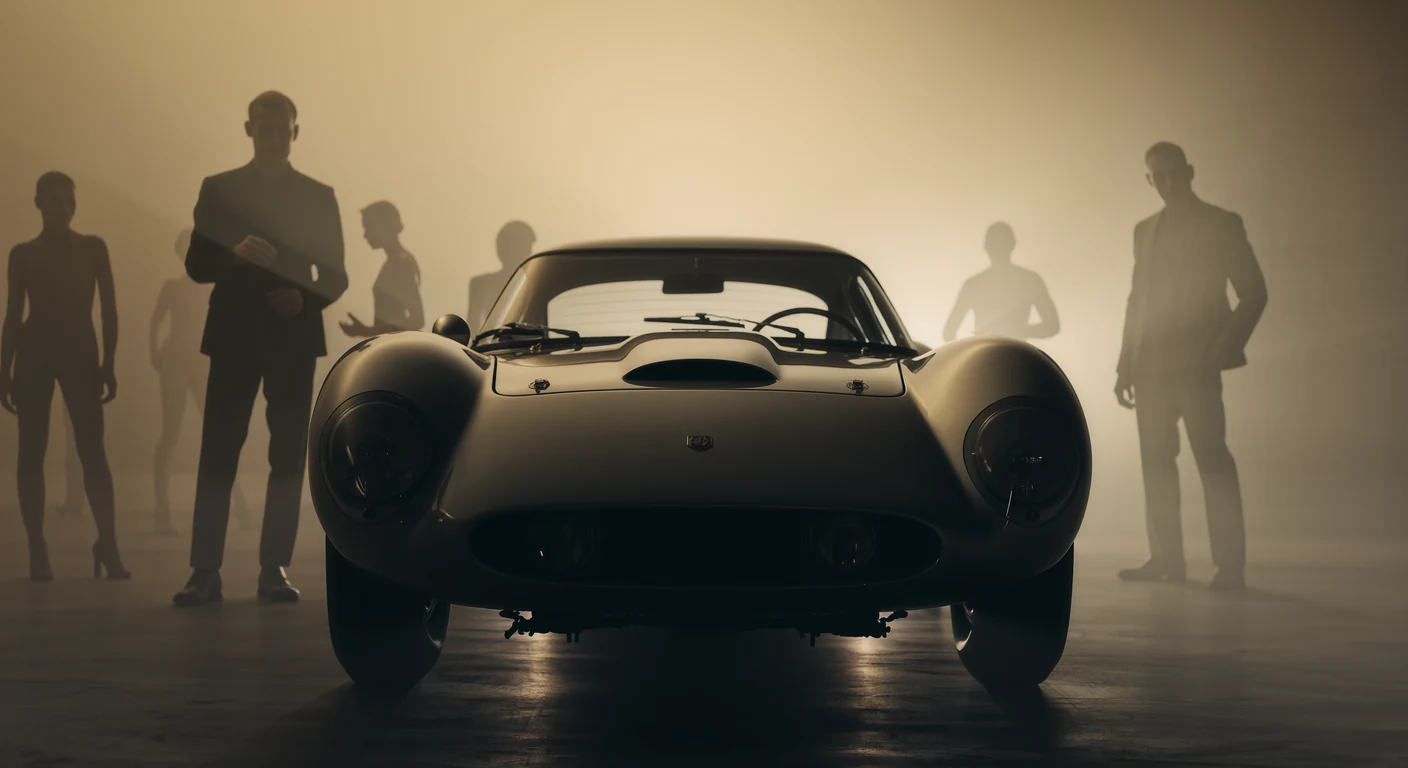
Brand mythology encompasses the narratives, values, and identities that companies develop throughout their history, extending beyond traditional marketing strategies. In the classic automobile market, brand mythology significantly influences consumer perceptions and market demand. Classic vehicles represent more than transportation; they serve as historical artifacts that reflect manufacturing excellence and cultural heritage.
Established automotive brands such as Ford, Mercedes-Benz, and Ferrari have developed comprehensive narratives that enhance the desirability of their vintage models. Collectors and enthusiasts are attracted to these historical accounts, which often generate feelings of community and historical connection. Brand mythology creates emotional bonds between consumers and products.
When purchasing a classic automobile, buyers acquire not only a vehicle but also participation in a brand’s historical legacy. This emotional component substantially affects purchasing behavior and consumers’ willingness to pay elevated prices. Brand narratives typically emphasize technological advancement, corporate perseverance, and dedication to manufacturing excellence, elements that strongly appeal to consumers.
Therefore, comprehending brand mythology is fundamental for effective participation in the classic automobile marketplace.
Key Takeaways
- Brand mythology significantly enhances the emotional appeal and perceived value of oldtimer cars.
- Nostalgia and brand heritage play crucial roles in driving up oldtimer prices and collector interest.
- Strong brand storytelling influences collectors’ perceptions and purchasing decisions in the oldtimer market.
- Psychological factors, including brand identity and reputation, shape market trends and resale values of oldtimers.
- The legacy and rarity associated with a brand directly impact the future pricing and desirability of oldtimer vehicles.
Understanding the Emotional Connection to Oldtimer Cars
Oldtimer cars evoke strong emotional responses that stem from personal memories and cultural associations. For many enthusiasts, these vehicles represent a bygone era filled with adventure and freedom. The sight of a classic car can transport individuals back to their youth or remind them of cherished family moments.
This emotional connection is a driving force behind the popularity of oldtimers, as they serve as tangible links to the past. Moreover, the emotional connection to oldtimer cars is often intertwined with the values and ideals associated with specific brands. For instance, a vintage Porsche may symbolize precision engineering and performance, while a classic Volkswagen Beetle may evoke feelings of simplicity and fun.
These associations enhance the desirability of oldtimers, making them more than just collectibles; they become symbols of identity and aspiration for their owners.
The Influence of Brand Heritage on Oldtimer Prices
Brand heritage significantly impacts the pricing of oldtimer cars. Vehicles from brands with a rich history and strong reputation tend to command higher prices in the market. This is because collectors are willing to pay a premium for cars that embody a legacy of excellence and innovation.
For example, classic models from brands like Aston Martin or Jaguar often fetch astronomical sums at auctions due to their storied pasts. Additionally, brand heritage contributes to the perceived value of oldtimers by establishing trust among buyers. When a brand has consistently delivered quality over decades, potential buyers feel more confident in their investment.
This trust translates into higher resale values, as collectors are more likely to seek out vehicles from reputable brands with established legacies. Thus, understanding brand heritage is crucial for both buyers and sellers in the oldtimer market.
The Role of Nostalgia in Driving Oldtimer Values
Nostalgia plays a pivotal role in driving the values of oldtimer cars. As individuals reminisce about their past experiences or the cultural milestones associated with certain vehicles, they often develop a desire to own a piece of that history. This longing for nostalgia can lead to increased demand for specific models that evoke fond memories or represent significant moments in time.
Moreover, nostalgia is not limited to personal experiences; it can also encompass broader cultural movements. For instance, the resurgence of interest in classic cars during the 1970s and 1980s was fueled by a collective yearning for simpler times. As a result, many oldtimer models from this era saw significant appreciation in value.
Understanding the role of nostalgia can help collectors identify trends and make informed decisions about their investments in the oldtimer market.
The Impact of Brand Storytelling on Oldtimer Collectors
Brand storytelling is an essential aspect of how oldtimer cars are marketed and perceived. Effective storytelling can create an emotional resonance that captivates potential buyers and collectors alike. Brands that successfully convey their narratives often see increased interest in their classic models, as these stories add depth and meaning to the vehicles.
For instance, a brand’s story may highlight its pioneering spirit or commitment to craftsmanship, which can enhance the desirability of its oldtimers. Collectors are drawn to these narratives because they provide context and significance to their purchases. A well-told story can transform an ordinary car into a symbol of heritage and pride, making it more appealing to potential buyers.
Exploring the Psychological Factors Behind Oldtimer Purchases
The decision to purchase an oldtimer is influenced by various psychological factors that extend beyond mere aesthetics or performance. Many buyers are motivated by a desire for status or recognition within their social circles. Owning a classic car can elevate one’s social standing and serve as a conversation starter among fellow enthusiasts.
Additionally, the act of restoring or maintaining an oldtimer can provide a sense of accomplishment and fulfillment for many collectors. Engaging in this hands-on process allows individuals to connect with their vehicles on a deeper level, fostering a sense of ownership that goes beyond financial investment. Understanding these psychological factors can help sellers tailor their marketing strategies to appeal to potential buyers effectively.
How Brand Mythology Shapes Perceptions of Oldtimer Quality
Brand mythology significantly shapes perceptions of quality in the oldtimer market. Vehicles from brands with strong mythologies are often viewed as superior due to their historical significance and reputation for excellence. This perception can lead buyers to believe that they are investing in not just a car but also a piece of art or engineering marvel.
Moreover, brand mythology can influence how collectors approach restoration projects. A classic car from a prestigious brand may be treated with greater care and attention than one from a lesser-known manufacturer. This emphasis on quality reinforces the idea that certain brands are synonymous with exceptional craftsmanship, further driving demand for their oldtimers.
The Connection Between Brand Reputation and Oldtimer Resale Value
Brand reputation plays a crucial role in determining the resale value of oldtimer cars. Vehicles from well-regarded brands tend to retain their value better than those from lesser-known manufacturers. This is because buyers are more likely to trust established brands with proven track records of quality and reliability.
Furthermore, brand reputation can influence market trends and demand dynamics within the oldtimer sector. As certain brands gain popularity or experience renewed interest due to cultural shifts or media exposure, their classic models may see significant appreciation in value.
Analyzing the Role of Brand Identity in Oldtimer Market Trends
Brand identity is integral to understanding market trends within the oldtimer sector. A strong brand identity can create loyal followings among collectors who are passionate about specific manufacturers or models. This loyalty often translates into increased demand for particular vehicles, driving up prices and influencing market dynamics.
Additionally, shifts in brand identity can impact how collectors perceive value over time. For example, if a brand successfully repositions itself as environmentally conscious or innovative, it may attract new buyers interested in those values. Analyzing these shifts allows collectors to anticipate changes in demand and make strategic decisions regarding their investments.
The Link Between Brand Legacy and Oldtimer Rarity
Brand legacy is closely tied to the rarity of oldtimer cars in the market. Vehicles produced by brands with limited production runs or unique historical significance often become highly sought after by collectors. This rarity enhances their desirability and can lead to significant price appreciation over time.
Moreover, brand legacy contributes to the narrative surrounding specific models, making them more appealing to potential buyers. A classic car with an intriguing backstory or connection to notable events will likely attract more interest than one without such context. Understanding this link between brand legacy and rarity is essential for anyone looking to navigate the complexities of the oldtimer market effectively.
The Future of Oldtimer Prices in the Context of Brand Mythology
As we look toward the future, brand mythology will continue to play a vital role in shaping oldtimer prices. As new generations of collectors emerge, they will bring fresh perspectives on what constitutes value in classic cars. Brands that successfully adapt their narratives while maintaining their core identities will likely thrive in this evolving landscape.
Additionally, as nostalgia for past eras persists, certain models may see renewed interest and appreciation in value over time. Collectors who understand the importance of brand mythology will be better positioned to identify emerging trends and make informed investment decisions in the ever-changing world of oldtimers. In conclusion, brand mythology is not just an abstract concept; it is a powerful force that shapes perceptions, drives demand, and influences pricing within the oldtimer market.
By understanding its various dimensions: emotional connections, heritage, nostalgia, storytelling, psychological factors, quality perceptions, reputation, identity, rarity, and future trends, collectors can navigate this fascinating landscape with greater insight and confidence.
FAQs
What is brand mythology in the context of oldtimers?
Brand mythology refers to the stories, heritage, and emotional narratives built around a car brand that enhance its perceived value and desirability among collectors and enthusiasts.
How does brand mythology influence oldtimer prices?
Brand mythology can drive prices higher by creating a strong emotional connection and perceived exclusivity, leading buyers to pay premiums that may not align with the car’s intrinsic or functional value.
Why are some oldtimer prices considered irrational?
Prices are considered irrational when they exceed what would be expected based on factors like condition, rarity, and performance, often due to emotional or cultural factors tied to brand mythology rather than objective market fundamentals.
Can brand mythology affect all types of classic cars equally?
No, brand mythology tends to have a stronger impact on certain marques with rich histories, iconic models, or cultural significance, while lesser-known brands may not benefit as much from myth-driven pricing.
Is the impact of brand mythology on prices a recent phenomenon?
While brand mythology has always played a role in collector markets, its influence has grown with increased media coverage, social media, and global collector communities that amplify brand stories and legends.
How can buyers protect themselves from overpaying due to brand mythology?
Buyers should conduct thorough research, consider objective factors like condition and rarity, seek expert appraisals, and be aware of emotional biases that may inflate perceived value.
Does brand mythology only affect prices, or does it influence other aspects of the oldtimer market?
Beyond pricing, brand mythology can impact market demand, restoration trends, collector interest, and even the preservation of certain models as cultural icons.
Are there examples of brands whose mythology significantly increased oldtimer prices?
Yes, brands like Ferrari, Porsche, and Jaguar have strong mythologies that often lead to higher prices for their classic models compared to similar cars without such storied backgrounds.
Can brand mythology change over time?
Yes, brand mythology can evolve due to new achievements, changes in public perception, or rediscovery of historical significance, which can either increase or decrease the desirability and value of oldtimers.
Is brand mythology unique to the automotive industry?
No, brand mythology exists in many industries, including fashion, technology, and luxury goods, where storytelling and heritage influence consumer perception and pricing.
More from Blog
The Future of Classic Car Collecting: Trends Shaping the Next Generation
The future of classic car collecting: why 2035 ICE bans spare existing cars, plus e-fuels, shifting demographics, electromods and fractional ownership…
Classic Car Insurance Guide: Protecting Your Vintage Investment
Classic car insurance guide: why agreed-value policies beat stated and actual cash value, how Hagerty, Grundy and Chubb compare, plus costs and covera…
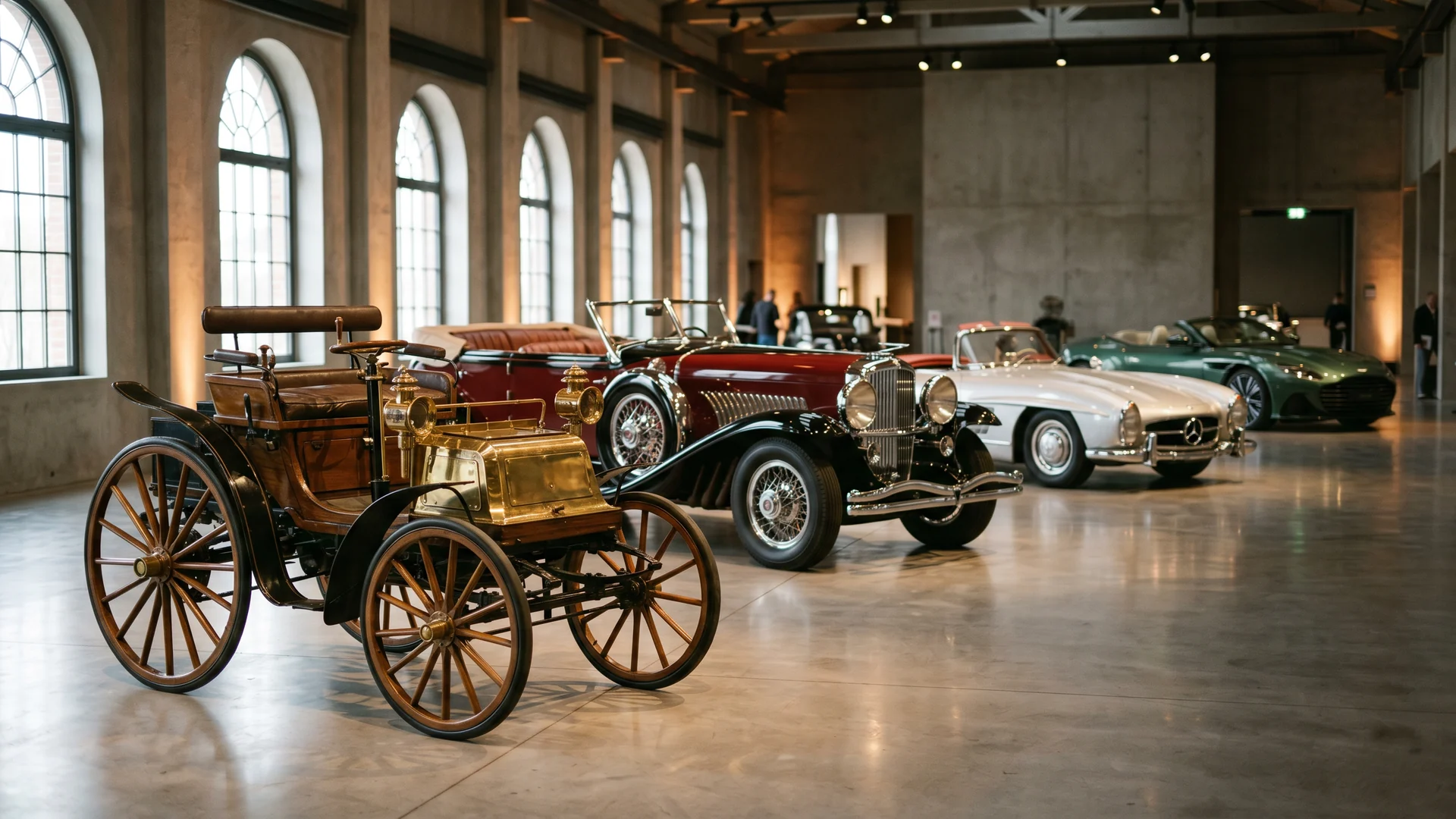
Classic Car History Timeline: From Benz to the Modern Collector Era
Classic car history timeline from the 1886 Benz Patent-Motorwagen through coachbuilding, muscle cars and supercars to modern collectibles. Discover th…