How Auction Records Distort the True Classic Car Market
Auction records function as essential benchmarks in the classic car marketplace, offering quantitative data on vehicle valuations across different segments. These records systemati…
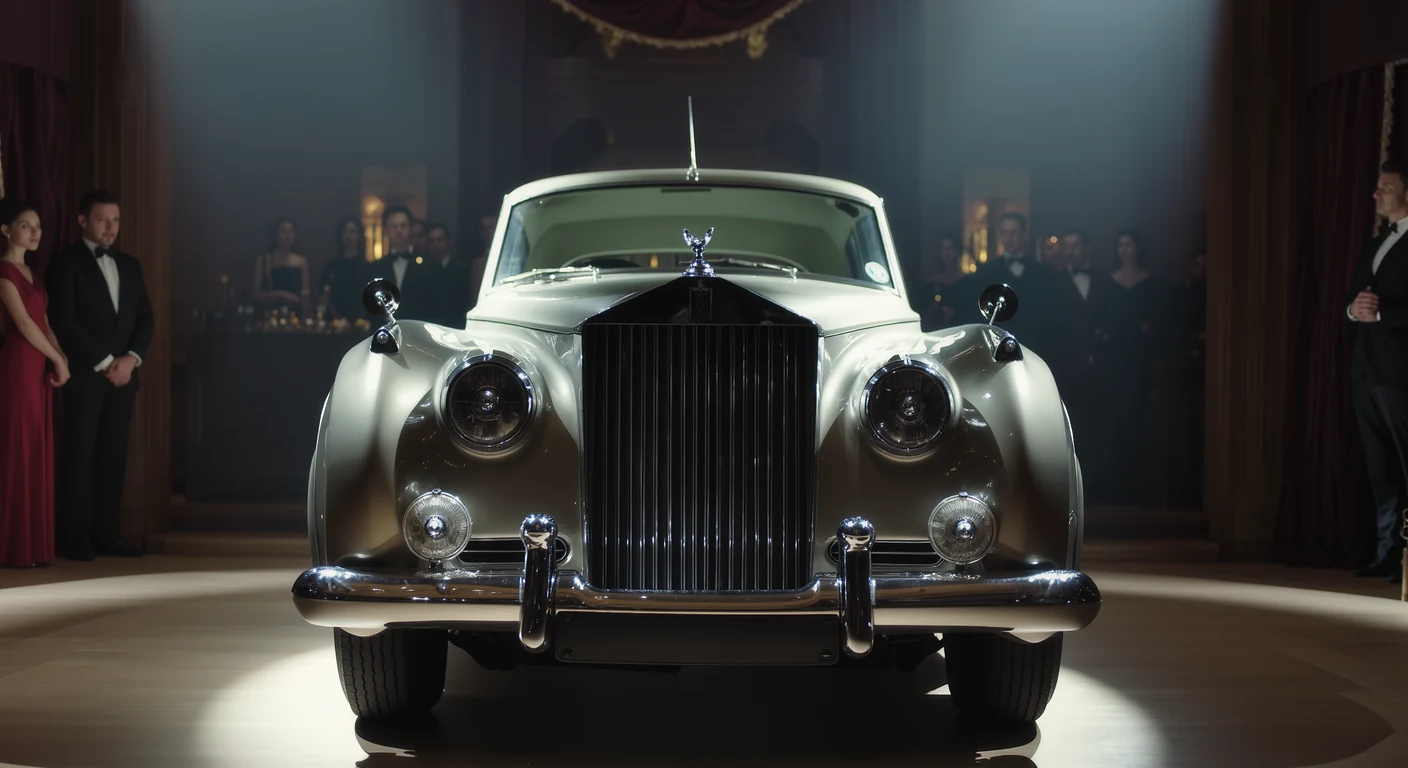
Auction records function as essential benchmarks in the classic car marketplace, offering quantitative data on vehicle valuations across different segments. These records systematically catalog transaction prices achieved at public auctions, capturing market fluctuations, buyer demand patterns, and sector performance indicators. For collectors, investors, and market participants, analyzing these records provides critical data for strategic decision-making.
Classic automobiles derive value from historical significance, engineering excellence, and manufacturing quality. The auction mechanism directly affects market valuation through price discovery and public visibility.
Auction results establish pricing precedents that influence subsequent transactions and market expectations. Understanding the methodology behind record compilation and the factors that drive auction outcomes is fundamental for effective participation in the classic car market.
Key Takeaways
- High-profile auction sales significantly shape public perception of classic car values.
- Rarity, condition, and provenance are critical factors influencing auction records.
- Auction fees and buyer’s premiums can inflate the apparent sale prices of classic cars.
- Celebrity ownership and market trends often impact auction outcomes and prices.
- Auction records may mislead buyers; alternative valuation methods are essential for true market understanding.
The Influence of High-Profile Auction Sales on Perceived Value
High-profile auction sales can dramatically influence the perceived value of classic cars. When a rare vehicle sells for a record price, it sets a benchmark that can elevate the value of similar models. For instance, when a 1962 Ferrari 250 GTO sold for over $48 million, it not only made headlines but also shifted the market dynamics for other Ferraris and high-end sports cars.
Such sales create a ripple effect, leading collectors to reassess their own vehicles’ worth. Moreover, these high-profile events attract media attention, further amplifying the perceived value of certain models. The excitement surrounding these auctions can lead to increased demand, driving prices higher.
Collectors may feel compelled to invest in vehicles that have been highlighted in these prestigious sales, believing that they too will appreciate in value over time.
The Role of Rarity and Condition in Auction Records
Rarity and condition are two critical factors that significantly impact auction records in the classic car market. A limited production model or a car with unique features often commands higher prices due to its scarcity. For example, a 1954 Mercedes-Benz W196 Formula 1 car is not only rare but also carries historical significance, which can lead to astronomical auction prices.
Condition is equally important; a well-preserved vehicle with original parts will typically fetch a higher price than one that has been heavily modified or poorly maintained. Buyers are often willing to pay a premium for cars that have been meticulously restored or maintained in their original state. Thus, both rarity and condition play pivotal roles in determining auction outcomes and setting market trends.
The Impact of Auction Fees and Buyer’s Premiums on Recorded Sale Prices
Auction fees and buyer’s premiums can significantly affect the final sale prices recorded at auctions. These additional costs can range from 5% to 20% of the hammer price, depending on the auction house and the specific terms of sale. For buyers, this means that the actual cost of acquiring a classic car can be substantially higher than the bid amount.
This added expense can influence bidding behavior as potential buyers weigh their maximum bids against these fees. Consequently, auction records may not always reflect the true market value of a vehicle but rather the inflated price that includes these additional costs. Understanding these fees is crucial for anyone looking to participate in the classic car auction market.
Understanding the Difference Between Public and Private Sales
The distinction between public and private sales is essential for understanding auction records in the classic car market. Public sales occur at auction houses where multiple bidders compete openly for vehicles. These sales are documented and contribute to auction records, providing transparency and a clear picture of market trends.
In contrast, private sales are conducted between individuals without public bidding. These transactions may not be recorded in auction databases, leading to gaps in available data on vehicle values. While private sales can sometimes yield better deals for buyers or sellers, they lack the visibility that public auctions provide.
Understanding this difference is vital for anyone looking to gauge true market values.
The Effect of Market Trends and Fads on Auction Results
Market trends and fads can have a profound impact on auction results in the classic car sector. Certain models may experience surges in popularity due to cultural influences, media exposure, or even social media trends. For instance, vehicles featured in popular films or television shows often see a spike in interest and value.
Conversely, trends can also fade quickly, leading to fluctuations in auction prices. A model that was once highly sought after may lose its appeal as new trends emerge. Collectors must stay informed about these trends to make educated decisions about buying or selling classic cars at auction.
The Influence of Celebrity Ownership on Auction Prices
Celebrity ownership can significantly enhance the perceived value of classic cars at auction. When a vehicle has been owned by a well-known figure, be it an actor, musician, or athlete, it often garners additional interest from collectors and fans alike. This phenomenon can lead to inflated prices during auctions as buyers seek not just the car but also its story and connection to fame.
For example, when a classic car previously owned by a celebrity goes up for auction, it may attract media attention that drives up bidding activity. The allure of owning a piece of history associated with a famous individual can create a sense of urgency among bidders, resulting in higher final sale prices.
The Importance of Provenance and Documentation in Classic Car Sales
Provenance and documentation play crucial roles in establishing trust and value in classic car sales. A well-documented history provides potential buyers with confidence regarding the vehicle’s authenticity and condition. This documentation may include service records, previous ownership details, and restoration history.
When auctioning a classic car, having comprehensive provenance can significantly enhance its appeal and value. Buyers are more likely to invest in vehicles with clear histories that demonstrate proper care and maintenance over time. Thus, thorough documentation is essential for anyone looking to maximize their vehicle’s worth at auction.
How Auction Records Can Create Misconceptions About Classic Car Values
Auction records can sometimes create misconceptions about classic car values due to their selective nature. While high sale prices grab headlines, they may not represent the average market value for similar vehicles. This discrepancy can lead potential buyers to overestimate what they should pay for a classic car based on sensationalized auction results.
Additionally, outlier sales, those that deviate significantly from typical prices, can skew perceptions of value within the market. Buyers should approach auction records with caution and consider them as part of a broader context rather than definitive indicators of worth.
The Potential for Manipulation and Artificial Inflation of Auction Results
The classic car auction market is not immune to manipulation or artificial inflation of results. Some sellers may employ tactics such as shill bidding, where individuals bid on behalf of the seller, to drive up prices artificially during auctions. This practice can mislead genuine buyers about a vehicle’s true market value.
Moreover, certain auction houses may promote specific vehicles aggressively to create hype around them, leading to inflated sale prices that do not reflect genuine demand or worth. Buyers should remain vigilant and conduct thorough research before participating in auctions to avoid falling victim to such practices.
Alternative Methods for Evaluating and Understanding True Classic Car Values
To gain a comprehensive understanding of true classic car values, buyers should consider alternative methods beyond auction records. Consulting price guides from reputable sources can provide valuable insights into average market values based on extensive data analysis. Engaging with classic car clubs or forums can also offer firsthand accounts from other enthusiasts regarding pricing trends and valuations based on personal experiences.
Additionally, seeking professional appraisals from certified experts can help establish an accurate value based on condition, rarity, and provenance. In conclusion, while auction records are an essential tool for navigating the classic car market, they should be viewed within a broader context that includes various factors influencing value. By combining insights from multiple sources and remaining informed about market dynamics, buyers can make more educated decisions when investing in classic cars.
In summary, understanding auction records is crucial for anyone involved in the classic car market. By recognizing how various factors influence perceived value, such as rarity, condition, celebrity ownership, and market trends, collectors can navigate this complex landscape more effectively. Whether you’re buying or selling a classic car, being informed will empower you to make decisions that align with your goals and expectations in this vibrant marketplace.
FAQs
What are auction records in the classic car market?
Auction records refer to the documented sale prices of classic cars sold at public auctions. These records are often used as benchmarks to gauge the value of similar vehicles in the market.
Why might auction records distort the true classic car market?
Auction records can distort the market because they often reflect the highest prices paid under specific conditions, such as competitive bidding or rare vehicle availability, which may not represent typical private sales or broader market trends.
Do auction prices always reflect the actual value of a classic car?
No, auction prices can be influenced by factors like bidder enthusiasm, rarity, provenance, and auction house marketing, which may lead to prices that are higher or lower than the car’s intrinsic or market value.
How do private sales differ from auction sales in the classic car market?
Private sales are negotiated directly between buyer and seller and may involve less publicity and competition, often resulting in prices that differ from auction outcomes. They can provide a more accurate reflection of market value for some vehicles.
Can relying solely on auction records mislead buyers and sellers?
Yes, relying only on auction records can mislead because these records may not account for the full range of market transactions, vehicle conditions, or regional price variations, potentially causing unrealistic expectations.
What factors should be considered alongside auction records to assess a classic car’s value?
Factors include vehicle condition, originality, provenance, market demand, recent private sale prices, expert appraisals, and broader economic conditions affecting collector interest.
Are all classic car auctions the same in terms of market impact?
No, the impact varies depending on the auction house’s reputation, the event’s prominence, the car’s rarity, and the level of bidder participation, all of which influence final sale prices and market perception.
How can collectors and investors use auction records effectively?
They should use auction records as one of several tools, combining them with market research, expert advice, and private sale data to form a comprehensive understanding of a classic car’s value.
Do auction records affect insurance valuations for classic cars?
Auction records can influence insurance valuations, but insurers typically consider multiple factors, including condition reports and market trends, to determine appropriate coverage amounts.
Is the classic car market influenced by trends beyond auction results?
Yes, factors such as economic conditions, collector preferences, cultural trends, and availability of specific models also significantly influence the classic car market beyond auction outcomes.
How do high-profile auction sales distort perceived values?
Do auction fees inflate recorded sale prices?
Why can private sales create gaps in market data?
More from Blog
The Future of Classic Car Collecting: Trends Shaping the Next Generation
The future of classic car collecting: why 2035 ICE bans spare existing cars, plus e-fuels, shifting demographics, electromods and fractional ownership…
Classic Car Insurance Guide: Protecting Your Vintage Investment
Classic car insurance guide: why agreed-value policies beat stated and actual cash value, how Hagerty, Grundy and Chubb compare, plus costs and covera…
Classic Car History Timeline: From Benz to the Modern Collector Era
Classic car history timeline from the 1886 Benz Patent-Motorwagen through coachbuilding, muscle cars and supercars to modern collectibles. Discover th…