How Auction Houses Shape the Narrative of Classic Car Value
Auction houses serve as the primary marketplace infrastructure for classic car transactions, functioning as intermediaries between buyers and sellers in the vintage automobile sect…
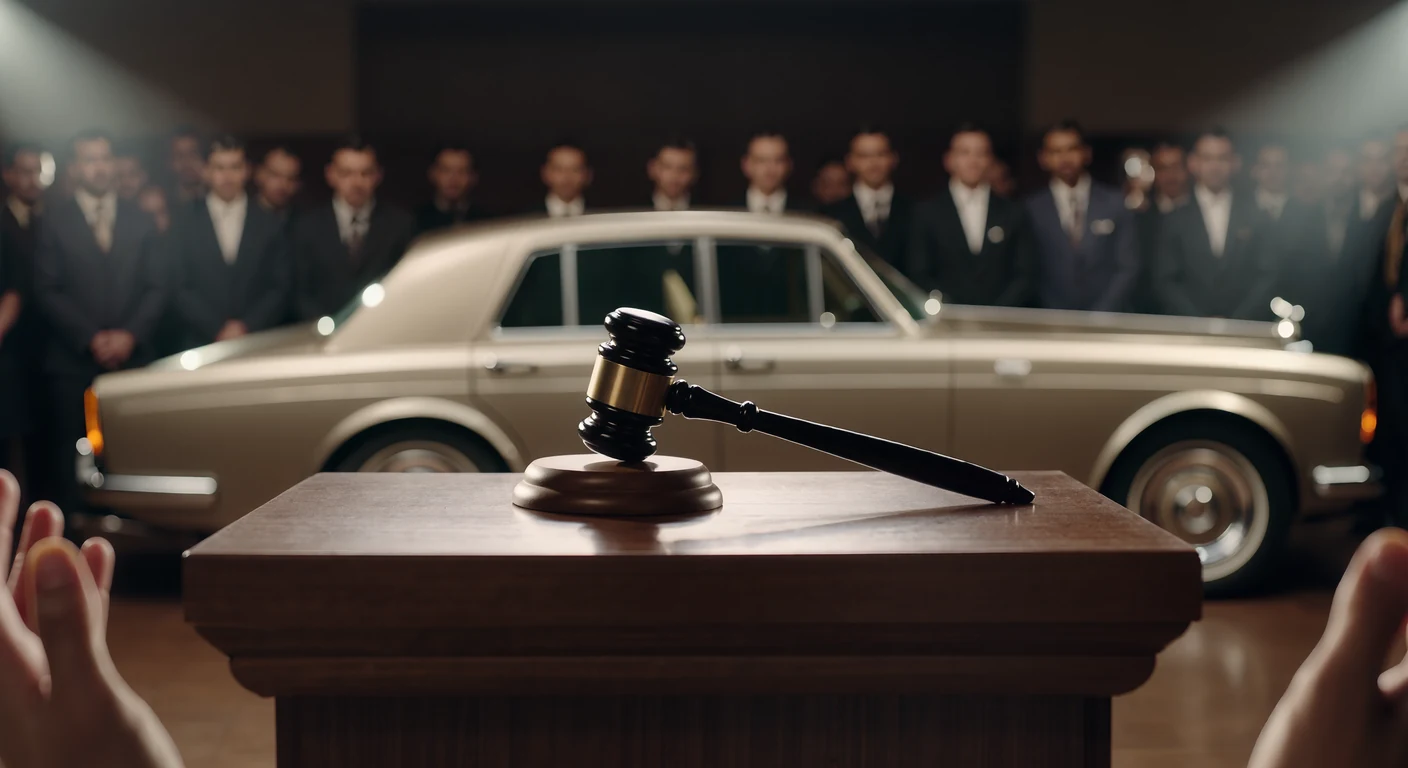
Auction houses serve as the primary marketplace infrastructure for classic car transactions, functioning as intermediaries between buyers and sellers in the vintage automobile sector. These institutions establish pricing mechanisms through competitive bidding processes that reflect real-time market demand and supply conditions.
The auction environment creates standardized procedures for vehicle evaluation, authentication, and sale documentation. Professional auction houses typically employ specialists who assess vehicle provenance, restoration quality, and historical significance, providing buyers with detailed condition reports and market analysis. This systematic approach to evaluation helps establish benchmark pricing for specific makes, models, and years within the classic car market.
Market data generated by auction results provides quantitative insights into pricing trends, demand patterns, and collector preferences. Analysis of sale prices, bid activity, and sell-through rates across different auction houses reveals market dynamics that inform investment decisions. These metrics enable participants to identify emerging trends in model popularity, geographic demand variations, and seasonal market fluctuations.
The classic car market demonstrates distinct characteristics including price volatility, limited inventory, and buyer behavior driven by both investment considerations and emotional attachment to specific vehicles. Auction houses aggregate this fragmented market, creating liquidity and price discovery mechanisms that would otherwise be difficult to achieve through private sales alone.
Key Takeaways
- Auction houses play a crucial role in setting and influencing classic car market trends and values.
- Marketing, promotion, and expert curation by auction houses significantly enhance the perceived value of classic cars.
- Auction results and the reputation of auction houses directly impact buyer confidence and classic car prices.
- Documentation, verification, and provenance provided by auction houses add authenticity and increase classic car values.
- Evolving auction house strategies and trends continue to shape the future dynamics of the classic car market.
The Role of Auction Houses in Establishing Market Trends
Auction houses serve as trendsetters in the classic car market, often dictating which models are in demand and which are not. They achieve this by curating a selection of vehicles that reflect current tastes and preferences among collectors. When a particular model fetches a high price at auction, it signals to the market that there is renewed interest in that vehicle, potentially leading to increased values for similar models.
This ripple effect can significantly impact the overall landscape of classic car values. Moreover, auction houses often host themed events or specialized auctions that focus on specific brands or eras. For instance, an auction dedicated to muscle cars may attract a different audience than one focused on European classics.
By creating these niche markets, auction houses can further influence trends and values within the classic car community. Collectors who pay attention to these trends can position themselves advantageously, either by acquiring sought-after models or by selling at peak times.
The Influence of Auction House Marketing and Promotion on Classic Car Values
Marketing and promotion are crucial components of an auction house’s strategy to enhance classic car values. Effective marketing campaigns can generate buzz around specific vehicles, drawing in potential buyers and increasing competition during the bidding process. Auction houses utilize various channels, including social media, email newsletters, and traditional advertising, to reach a broad audience of collectors and enthusiasts.
Additionally, the presentation of vehicles at auction plays a significant role in their perceived value. High-quality photography, detailed descriptions, and engaging storytelling can elevate a car’s status in the eyes of potential buyers. When auction houses invest in professional marketing efforts, they not only attract more bidders but also create an environment where cars can achieve higher sale prices.
This symbiotic relationship between marketing and value underscores the importance of strategic promotion in the classic car auction landscape.
The Impact of Auction House Auction Results on Classic Car Values
The results of an auction can have immediate and lasting effects on classic car values. When a vehicle sells for a record price, it sets a new benchmark for similar models, often leading to increased valuations across the board. Collectors and investors closely monitor auction results to gauge market sentiment and adjust their buying or selling strategies accordingly.
Furthermore, auction results can influence appraisals and insurance valuations for classic cars. When a specific model achieves a high sale price at auction, it may prompt appraisers to reassess the value of similar vehicles in their portfolios. This cascading effect highlights the importance of auction houses as key players in shaping the financial landscape of classic car ownership.
How Auction House Expertise and Curation Shapes Classic Car Values
The expertise of auction house professionals is instrumental in determining the value of classic cars. These experts possess extensive knowledge about various makes and models, allowing them to accurately assess a vehicle’s worth based on its condition, rarity, and historical significance. Their insights help guide sellers in setting realistic expectations for their cars while also informing buyers about potential investment opportunities.
Curation is another critical aspect of an auction house’s role in shaping values. By selecting which vehicles to feature in an auction, these institutions can influence market trends and highlight specific models that may be undervalued or overlooked. A well-curated auction can attract serious collectors and drive up prices for featured vehicles, ultimately benefiting both sellers and the auction house itself.
The Effect of Auction House Reputation on Classic Car Values
The reputation of an auction house can significantly impact the values of classic cars sold through its platform. Established auction houses with a long history of successful sales tend to command higher prices due to their credibility and trustworthiness. Buyers are often willing to pay a premium for vehicles sold by reputable auction houses because they believe in the integrity of the process and the quality of the cars being offered.
Conversely, lesser-known or less reputable auction houses may struggle to achieve high sale prices for their vehicles. Buyers may approach these auctions with skepticism, leading to lower bids and diminished values. Therefore, the reputation of an auction house is not just a matter of branding; it directly influences the financial outcomes for both sellers and buyers in the classic car market.
Auction House Strategies for Increasing Classic Car Values
Auction houses employ various strategies to enhance the values of classic cars sold at their events. One common approach is to create a sense of exclusivity around certain vehicles by limiting their availability or highlighting their unique features. This tactic can generate excitement among bidders and drive up prices during auctions.
Another effective strategy is to provide comprehensive documentation for each vehicle, including service records, ownership history, and restoration details. This transparency builds trust with potential buyers and can lead to higher bids as collectors feel more confident in their purchases. By implementing these strategies, auction houses can create an environment where classic cars achieve their maximum potential value.
The Role of Auction House Documentation and Verification in Classic Car Values
Documentation and verification are critical components in establishing the value of classic cars at auction. Auction houses often conduct thorough inspections and research to verify the authenticity and provenance of each vehicle they sell. This process not only protects buyers from potential fraud but also enhances the overall credibility of the auction house.
When buyers have access to detailed documentation, they are more likely to place higher bids on vehicles they perceive as legitimate investments. Comprehensive records can include everything from original purchase invoices to restoration receipts, all of which contribute to a car’s story and value. As such, effective documentation practices are essential for maintaining trust within the classic car community.
Auction House Trends and Their Influence on Classic Car Values
Trends within the auction house sector can have profound implications for classic car values. For instance, recent years have seen a surge in interest for electric vehicles (EVs) among collectors, prompting some auction houses to feature these models more prominently. As consumer preferences shift, so too do the values assigned to different types of vehicles.
Additionally, global events such as economic downturns or shifts in consumer behavior can influence bidding patterns at auctions. Auction houses that adapt quickly to these changes by adjusting their offerings or marketing strategies can better position themselves, and their consignors, for success in fluctuating markets.
The Future of Auction Houses in Shaping Classic Car Values
Looking ahead, auction houses will continue to play a vital role in shaping classic car values as they adapt to evolving market dynamics. The rise of online auctions has already transformed how collectors buy and sell vehicles, making it easier for enthusiasts worldwide to participate in bidding wars from the comfort of their homes. As technology continues to advance, we may see even more innovative approaches from auction houses aimed at enhancing buyer engagement and streamlining transactions.
Virtual reality showrooms or augmented reality experiences could become commonplace, allowing potential buyers to explore vehicles in greater detail before placing bids. These advancements will likely further influence how values are established within the classic car market.
The Ongoing Impact of Auction Houses on Classic Car Values
In conclusion, auction houses remain integral to the classic car market, influencing values through their expertise, marketing strategies, and reputation. As they continue to adapt to changing trends and technologies, their impact on classic car values will only grow stronger. For collectors and investors alike, understanding the role of auction houses is essential for navigating this dynamic landscape successfully.
Whether you are looking to buy your first classic car or sell a prized possession, partnering with a reputable auction house can provide invaluable insights and opportunities for maximizing value. As you consider your next steps in the world of classic cars, remember that these institutions are not just venues for transactions; they are key players shaping the future of automotive history.
FAQs
What role do auction houses play in determining classic car values?
Auction houses act as key market platforms where classic cars are bought and sold, helping to establish and reflect current market values based on actual transaction prices. Their sales results provide transparent data that collectors, dealers, and enthusiasts use to gauge the worth of specific models.
How do auction houses influence the perception of a classic car’s value?
By selecting which cars to feature and how to market them, auction houses can highlight certain models or trends, thereby shaping collector interest and demand. High-profile sales and record-breaking prices publicized by auction houses often elevate the perceived prestige and value of particular classic cars.
Are auction house prices a reliable indicator of classic car market trends?
Yes, auction results are considered a reliable indicator because they represent actual sales between willing buyers and sellers. However, prices can be influenced by factors such as the car’s condition, provenance, rarity, and the auction’s location or timing, so they should be considered alongside other market data.
Do auction houses affect the rarity and desirability of classic cars?
Auction houses can increase a car’s desirability by creating competitive bidding environments and generating media attention. This heightened visibility can enhance a car’s rarity perception and desirability, sometimes leading to higher valuations.
How do auction houses verify the authenticity and condition of classic cars?
Most reputable auction houses conduct thorough inspections, verify provenance through documentation, and often collaborate with experts to authenticate classic cars. This process helps ensure buyers have confidence in the vehicle’s history and condition, which directly impacts its value.
Can auction houses impact the long-term value of classic cars?
Yes, auction houses can influence long-term values by setting benchmark prices and shaping collector interest. Consistent high prices at auctions can establish a model as a blue-chip collectible, while lackluster sales may diminish perceived value over time.
What factors do auction houses consider when marketing classic cars?
Auction houses consider the car’s historical significance, rarity, condition, provenance, and current market trends. They also tailor marketing strategies to target specific buyer demographics and collectors to maximize interest and final sale prices.
Is it better to buy or sell classic cars through auction houses?
Auction houses offer transparency and access to a wide pool of buyers, which can be advantageous for both buyers and sellers. However, fees and the competitive nature of auctions should be considered. Some sellers may prefer private sales for more control, while buyers may find auctions provide opportunities to acquire rare vehicles.
More from Blog
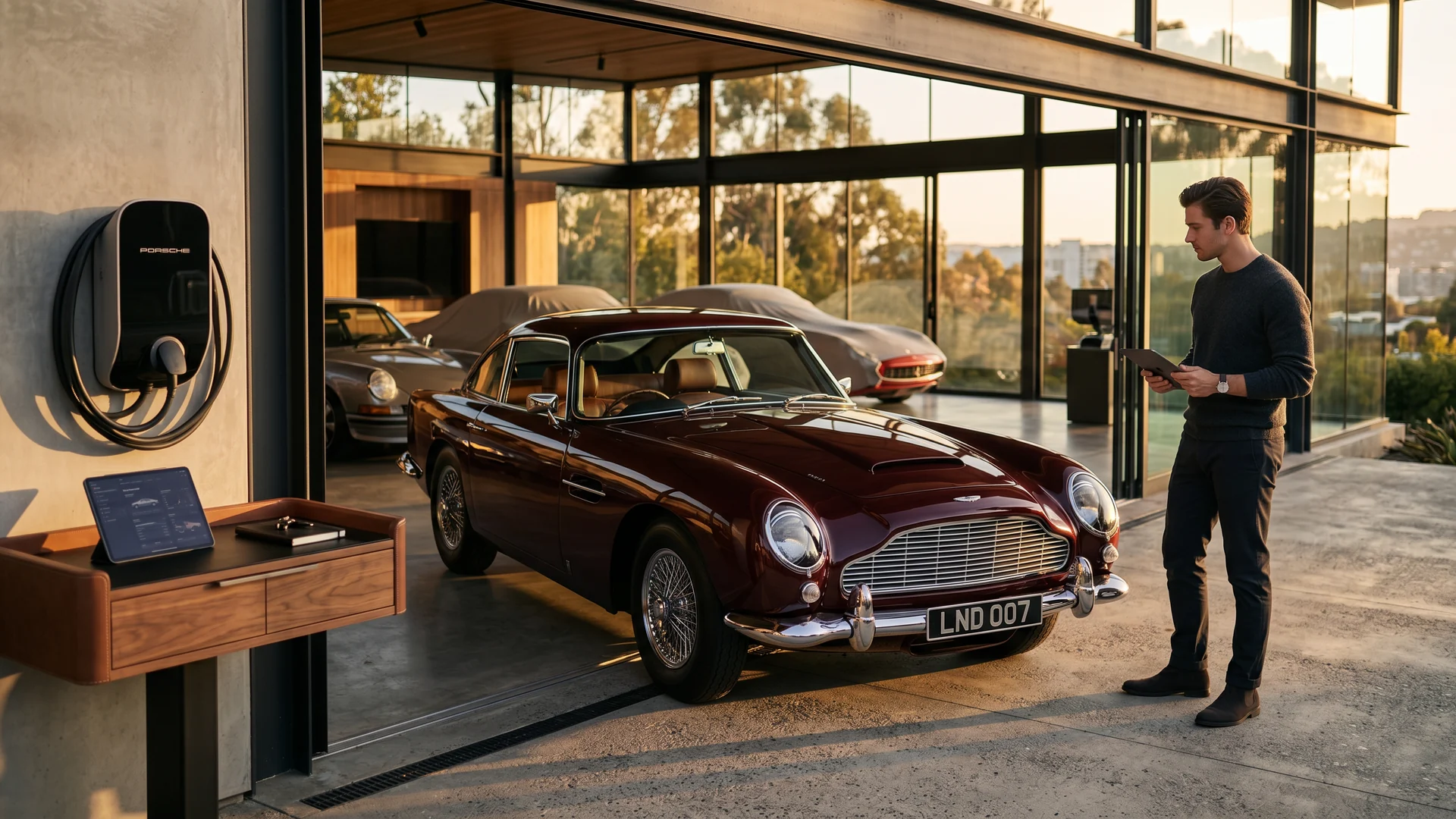
The Future of Classic Car Collecting: Trends Shaping the Next Generation
The future of classic car collecting: why 2035 ICE bans spare existing cars, plus e-fuels, shifting demographics, electromods and fractional ownership…
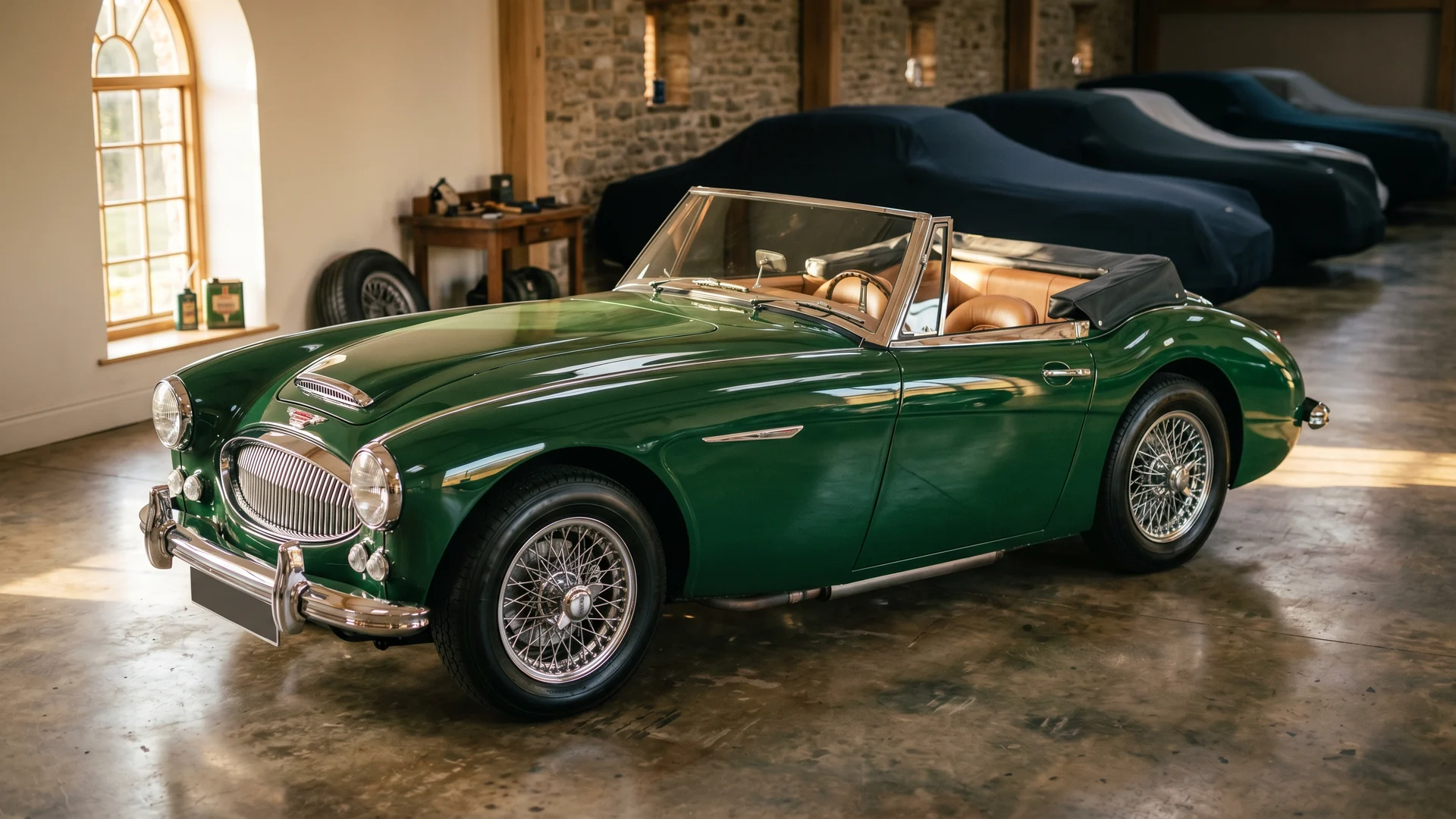
Classic Car Insurance Guide: Protecting Your Vintage Investment
Classic car insurance guide: why agreed-value policies beat stated and actual cash value, how Hagerty, Grundy and Chubb compare, plus costs and covera…
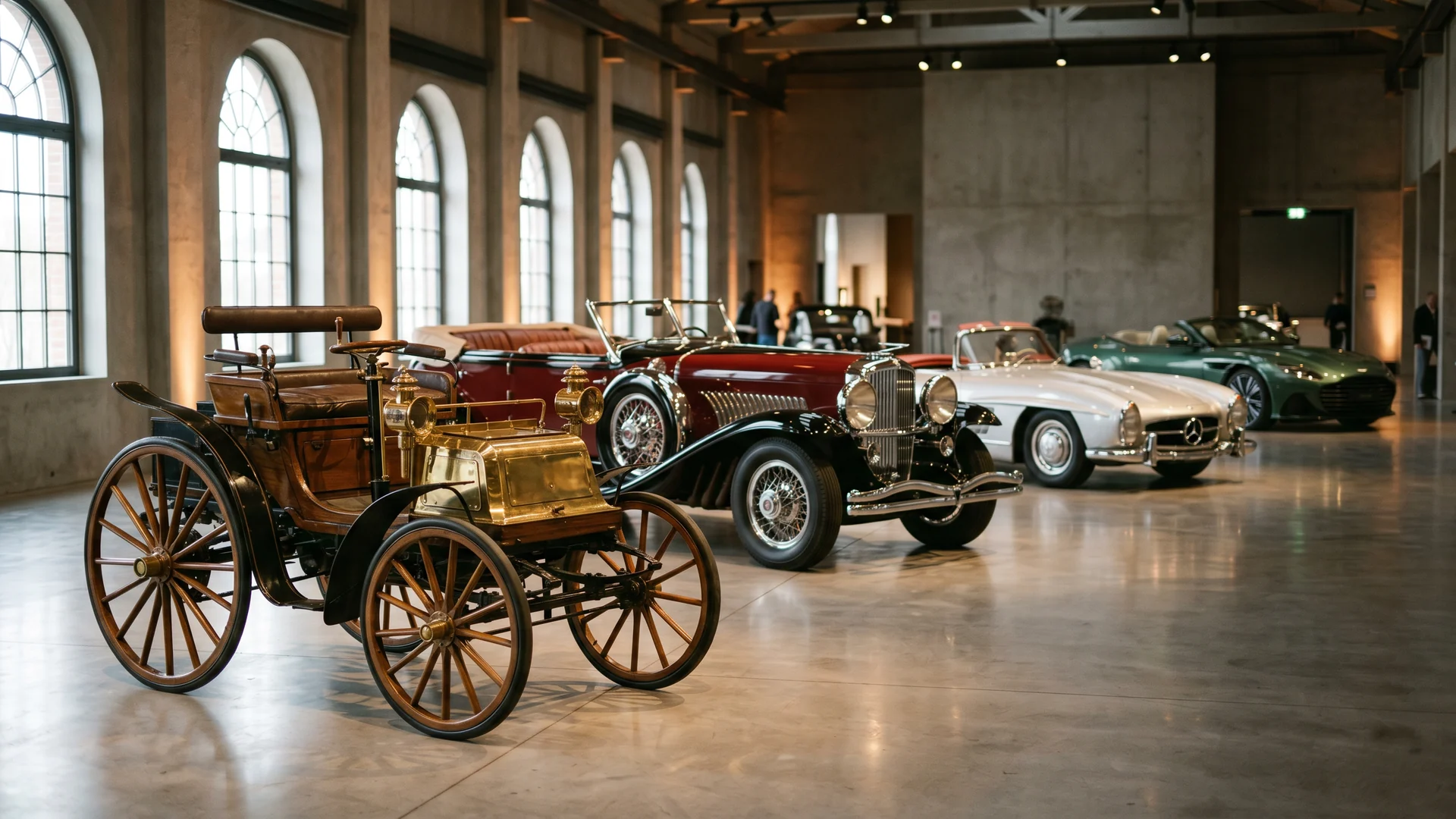
Classic Car History Timeline: From Benz to the Modern Collector Era
Classic car history timeline from the 1886 Benz Patent-Motorwagen through coachbuilding, muscle cars and supercars to modern collectibles. Discover th…