The Hidden Power Brokers of the Luxury Classic Car Market
The luxury classic car market is a vibrant and dynamic sector that attracts enthusiasts, collectors, and investors alike. This niche market encompasses vehicles that are not only p…
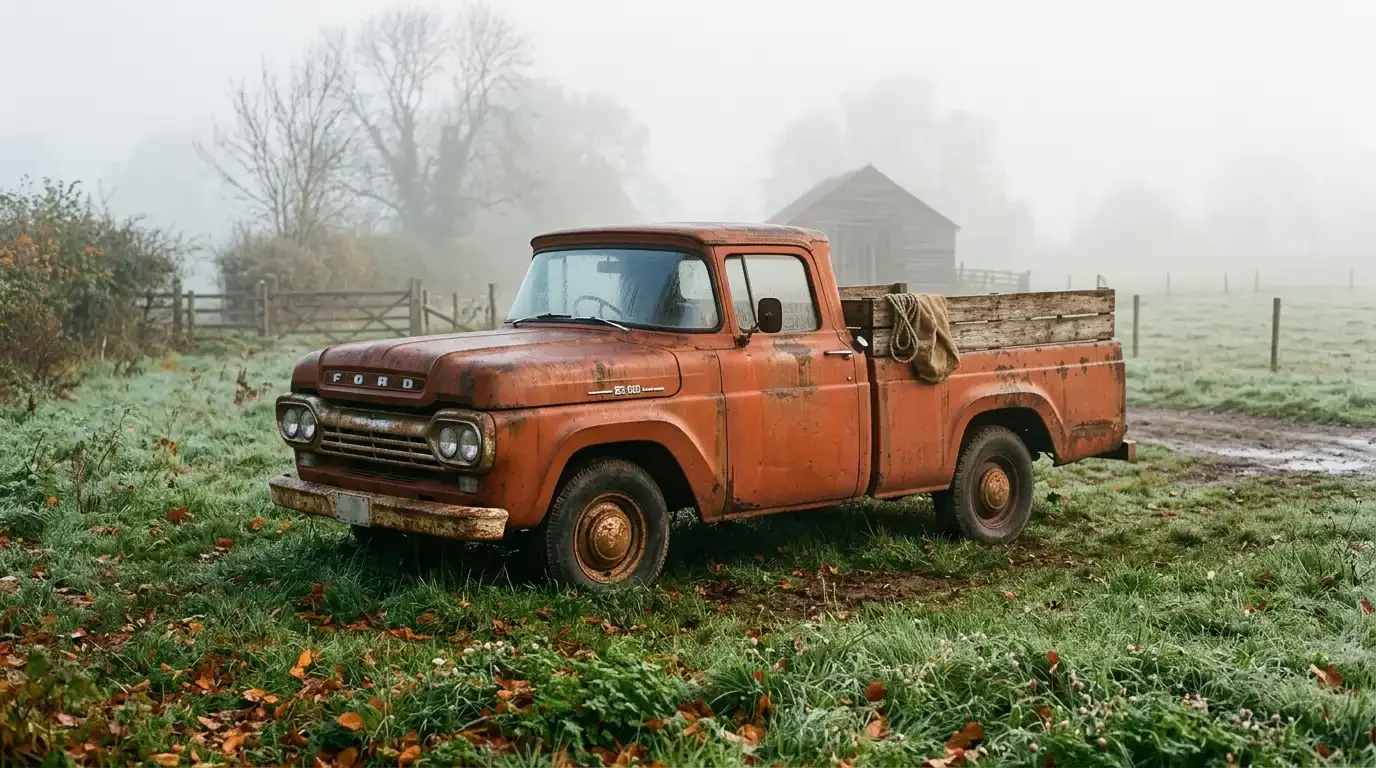
The luxury classic car market is a vibrant and dynamic sector that attracts enthusiasts, collectors, and investors alike. This niche market encompasses vehicles that are not only prized for their historical significance but also for their craftsmanship and aesthetic appeal. Classic cars often represent a blend of art and engineering, making them highly sought after by those who appreciate their unique heritage.
The allure of owning a piece of automotive history drives many to invest in these timeless machines, creating a thriving ecosystem of buyers, sellers, and service providers. As the demand for luxury classic cars continues to grow, so does the complexity of the market. Factors such as rarity, provenance, and condition play crucial roles in determining a vehicle’s value.
Additionally, the market is influenced by various stakeholders, including auction houses, private collectors, dealerships, restorers, and clubs. Understanding the interplay between these entities is essential for anyone looking to navigate the luxury classic car landscape successfully.
Key Takeaways
- Auction houses play a crucial role in setting prices and trends in the luxury classic car market.
- Private collectors and enthusiasts significantly influence demand and the market’s direction.
- Restorers and mechanics are vital for maintaining and enhancing the value of classic cars.
- Classic car clubs, events, concours, and shows foster community and increase market visibility.
- Media, insurance companies, and museums collectively support and shape the classic car market ecosystem.
The Role of Auction Houses in the Classic Car Market
Auction houses serve as pivotal players in the luxury classic car market, providing a platform for buyers and sellers to connect. Renowned auction houses like RM Sotheby’s and Gooding & Co. specialize in high-value classic cars, often featuring rare models that attract global attention.
These auctions not only facilitate transactions but also help establish market values for specific vehicles. The excitement of bidding can drive prices higher, creating a sense of urgency among collectors eager to secure their dream cars. Moreover, auction houses often curate their offerings with meticulous care, ensuring that only the finest examples are presented to potential buyers.
This curation process adds an element of trust and credibility to the auction experience. Buyers can feel confident that they are investing in vehicles that have been thoroughly vetted and authenticated. Additionally, auction houses frequently provide detailed histories and condition reports for each car, further enhancing transparency in the buying process.
The Influence of Private Collectors and Enthusiasts
Private collectors and enthusiasts play a significant role in shaping the luxury classic car market. These individuals often possess extensive knowledge about specific makes and models, allowing them to make informed purchasing decisions. Their passion for classic cars drives them to seek out rare finds, often leading to private sales that may not be visible in traditional marketplaces.
Collectors frequently form networks with one another, sharing insights and tips about upcoming auctions or private sales. Enthusiasts also contribute to the market by participating in events such as car shows and rallies. These gatherings provide opportunities for collectors to showcase their vehicles while connecting with like-minded individuals.
The camaraderie among enthusiasts fosters a sense of community that can lead to increased interest in specific models or brands. As collectors share their experiences and stories, they help elevate the status of certain cars within the market, influencing demand and pricing.
The Impact of Classic Car Dealerships
Classic car dealerships serve as vital intermediaries in the luxury classic car market, offering a curated selection of vehicles for sale. These dealerships often specialize in specific brands or eras, allowing them to provide expert knowledge and personalized service to potential buyers. By maintaining a diverse inventory of classic cars, dealerships cater to various tastes and budgets, making it easier for enthusiasts to find their ideal vehicle.
In addition to facilitating sales, classic car dealerships often provide valuable services such as financing options, vehicle appraisals, and restoration referrals. This comprehensive approach enhances the buying experience and builds trust with customers. Many dealerships also offer warranties or guarantees on their vehicles, further reassuring buyers about their investment.
The Importance of Restorers and Mechanics in the Market
Restorers and mechanics are essential contributors to the luxury classic car market, ensuring that these vehicles remain in optimal condition for both driving enjoyment and investment value. Skilled restorers possess the expertise needed to bring classic cars back to their original glory, often using period-correct parts and techniques. Their work not only enhances the aesthetic appeal of these vehicles but also preserves their historical significance.
Mechanics specializing in classic cars play a critical role in maintaining these vehicles over time. Regular maintenance is vital for ensuring reliability and performance, especially for older models that may require more attention than modern cars. By providing expert care, mechanics help protect the investment made by collectors and enthusiasts.
Additionally, well-maintained classic cars tend to command higher prices in the market, making the work of restorers and mechanics invaluable.
The Role of Classic Car Clubs and Events
Classic car clubs serve as important hubs for enthusiasts and collectors alike, fostering community engagement and shared passion for vintage automobiles. These clubs often organize events such as rallies, shows, and meet-ups where members can showcase their vehicles and connect with fellow enthusiasts. Such gatherings not only celebrate automotive history but also provide opportunities for networking and knowledge sharing.
Events organized by classic car clubs can significantly influence market trends by highlighting specific models or brands. For instance, a well-attended show featuring a particular make may spark renewed interest among collectors, driving up demand and prices for those vehicles. Additionally, clubs often provide resources such as newsletters or forums where members can discuss restoration tips or upcoming auctions, further enhancing their value within the community.
The Influence of Classic Car Concours and Shows
Classic car concours events are prestigious gatherings that showcase some of the finest examples of automotive craftsmanship. These events attract collectors, enthusiasts, and industry professionals from around the world, creating an atmosphere of excitement and competition. Vehicles are judged based on criteria such as authenticity, condition, and presentation, with awards given to the best entries.
Concours events can have a profound impact on the luxury classic car market by elevating the status of certain models or brands. Winning an award at a prestigious concours can significantly increase a vehicle’s value and desirability among collectors. Furthermore, these events often serve as platforms for manufacturers to unveil new models or concepts inspired by classic designs, bridging the gap between past and present automotive innovation.
The Significance of Classic Car Museums and Exhibitions
Classic car museums play a vital role in preserving automotive history while educating the public about the significance of vintage vehicles. These institutions house collections that span various eras and styles, offering visitors a glimpse into the evolution of automotive design and technology. By showcasing iconic models alongside informative displays, museums foster appreciation for classic cars as cultural artifacts.
Exhibitions held at museums or galleries can also influence market trends by highlighting specific themes or manufacturers. For example, an exhibition focused on a particular brand may reignite interest among collectors who wish to acquire models from that marque. Additionally, museums often collaborate with auction houses or dealerships to host events that connect potential buyers with rare vehicles available for sale.
The Role of Classic Car Insurance Companies
Classic car insurance companies provide specialized coverage tailored to the unique needs of vintage vehicle owners. Unlike standard auto insurance policies, classic car insurance takes into account factors such as limited mileage, restoration value, and historical significance. This specialized coverage ensures that owners are adequately protected against potential losses while preserving their investment.
Insurance companies also play an educational role within the luxury classic car market by offering resources on best practices for vehicle maintenance and storage. By providing guidance on how to protect these valuable assets, insurers help owners make informed decisions that can enhance both enjoyment and investment value over time.
The Impact of Classic Car Media and Publications
Classic car media outlets, such as magazines, websites, and podcasts, serve as essential sources of information for enthusiasts and collectors alike. These publications cover a wide range of topics including market trends, restoration tips, event coverage, and profiles of notable collectors or vehicles. By providing valuable insights into the luxury classic car market, media outlets help shape public perception and interest.
Moreover, media coverage can significantly influence demand for specific models or brands by highlighting their unique features or historical significance. Articles featuring rare finds or successful restorations can spark interest among potential buyers who may not have previously considered those vehicles. As a result, classic car media plays a crucial role in driving engagement within this niche market.
The Collective Influence of Hidden Power Brokers in the Luxury Classic Car Market
The luxury classic car market is shaped by a diverse array of stakeholders who collectively influence its dynamics. Auction houses set market values through competitive bidding; private collectors drive demand through their passion; dealerships facilitate transactions; restorers maintain vehicle integrity; clubs foster community; concours elevate prestige; museums preserve history; insurers protect investments; and media shape perceptions. Understanding this intricate web of relationships is essential for anyone looking to navigate the luxury classic car landscape successfully.
Each player contributes uniquely to the ecosystem, creating opportunities for enthusiasts to engage with automotive history while making informed investment decisions.
FAQs
What is the luxury classic car market?
The luxury classic car market refers to the buying, selling, and trading of high-end vintage automobiles that are considered collectible due to their rarity, historical significance, design, and brand prestige.
Who are the power brokers in the luxury classic car market?
Power brokers in this market typically include influential collectors, specialized dealers, auction houses, private investors, and sometimes manufacturers or restoration experts who have significant control over pricing, availability, and trends.
Why are power brokers important in the luxury classic car market?
Power brokers influence market dynamics by controlling access to rare vehicles, setting price benchmarks, and shaping demand through their networks and expertise, thereby impacting the overall value and liquidity of classic cars.
How do auction houses affect the luxury classic car market?
Auction houses facilitate high-profile sales, often setting record prices for rare vehicles. They provide a platform for transparency and competition, which can drive up prices and increase market visibility for luxury classic cars.
What role do collectors play in the luxury classic car market?
Collectors often act as both buyers and sellers, influencing market trends through their preferences and willingness to pay premium prices. Their passion and investment can help preserve automotive history and increase the desirability of certain models.
How does provenance impact the value of a luxury classic car?
Provenance, or the documented history of a vehicle, including previous ownership and maintenance records, significantly affects its value by verifying authenticity and enhancing its desirability among collectors.
Are luxury classic cars considered good investments?
Many luxury classic cars have appreciated in value over time, making them attractive to investors. However, market fluctuations, maintenance costs, and authenticity concerns mean that investment outcomes can vary.
What factors influence the pricing of luxury classic cars?
Pricing is influenced by rarity, condition, historical significance, brand reputation, provenance, market demand, and the influence of power brokers such as dealers and auction houses.
How can someone get involved in the luxury classic car market?
Interested individuals can start by researching the market, attending auctions, joining collector clubs, consulting with experts, and gradually acquiring vehicles that fit their interests and budget.
What challenges exist in the luxury classic car market?
Challenges include verifying authenticity, dealing with market volatility, high maintenance and restoration costs, and navigating the influence of powerful brokers who may limit access to certain vehicles.
More from Blog
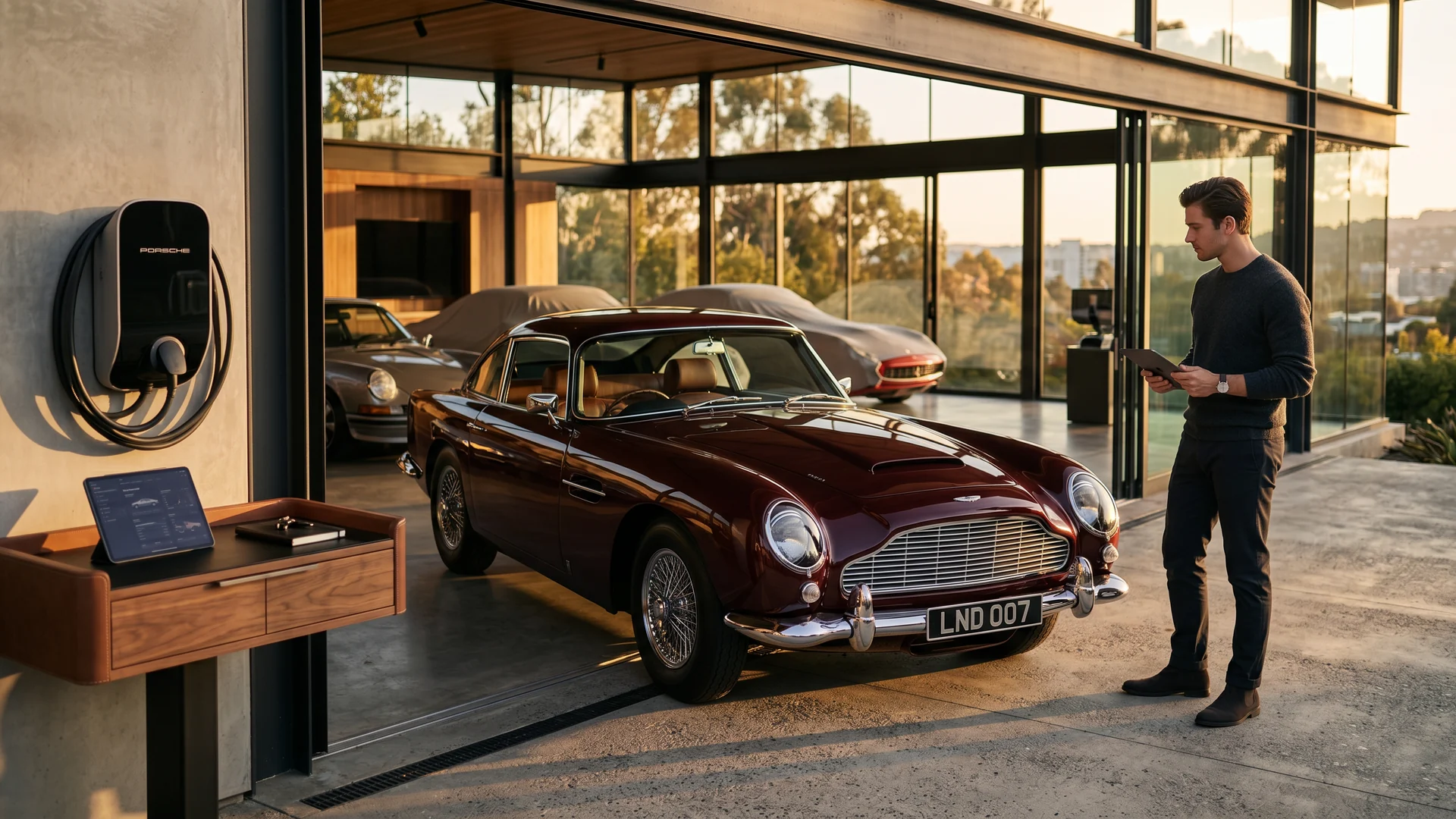
The Future of Classic Car Collecting: Trends Shaping the Next Generation
The future of classic car collecting: why 2035 ICE bans spare existing cars, plus e-fuels, shifting demographics, electromods and fractional ownership…
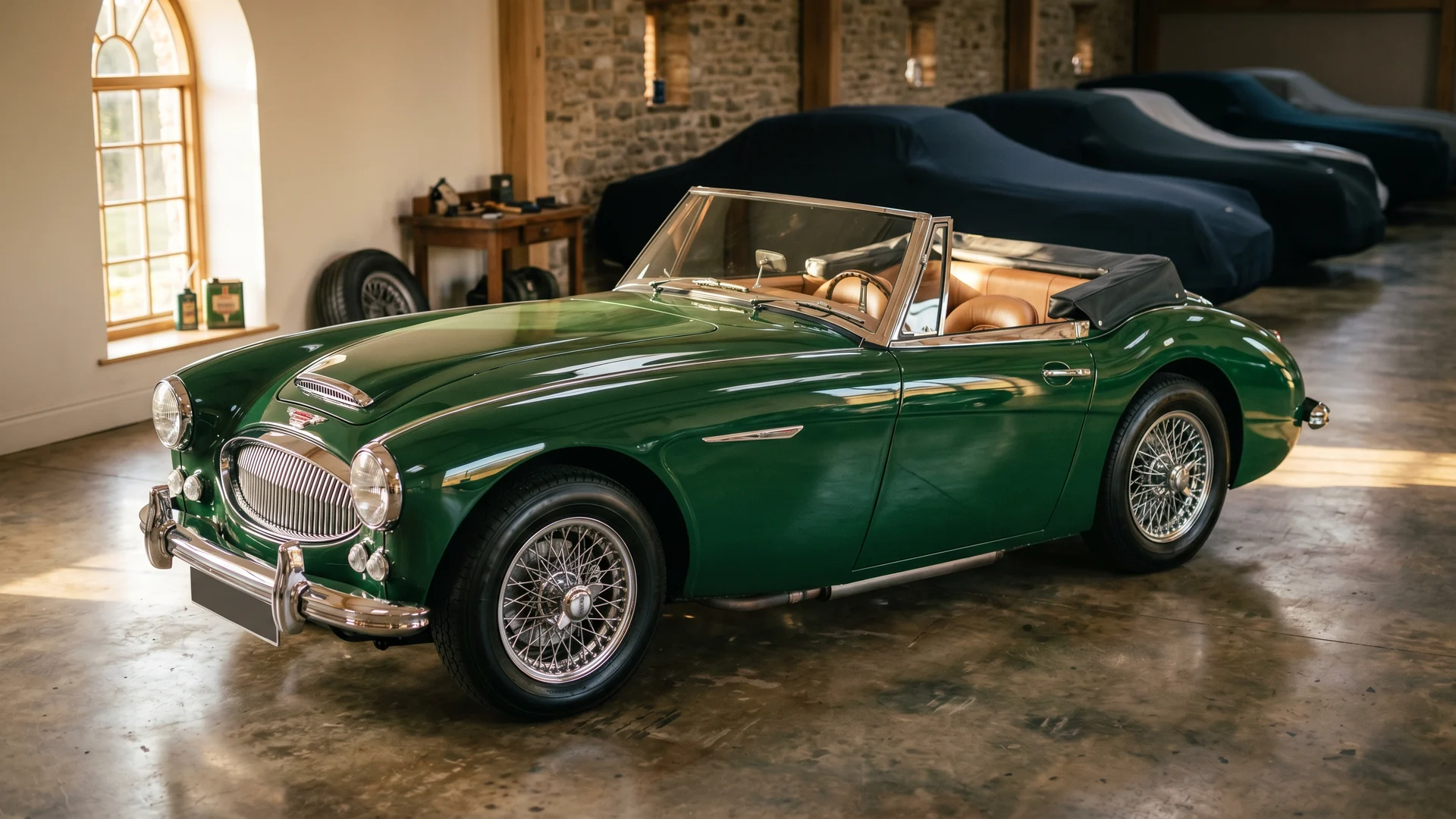
Classic Car Insurance Guide: Protecting Your Vintage Investment
Classic car insurance guide: why agreed-value policies beat stated and actual cash value, how Hagerty, Grundy and Chubb compare, plus costs and covera…
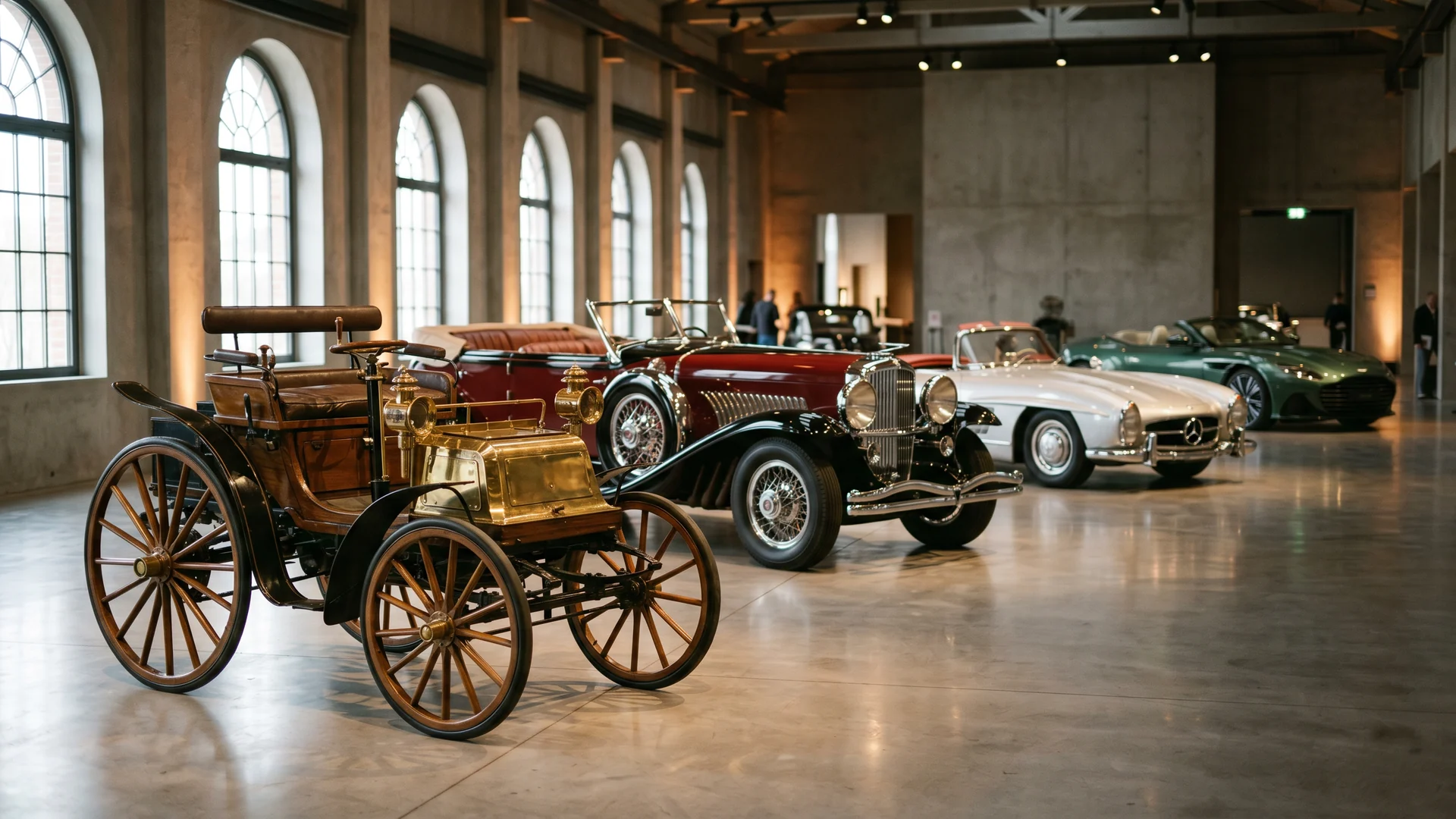
Classic Car History Timeline: From Benz to the Modern Collector Era
Classic car history timeline from the 1886 Benz Patent-Motorwagen through coachbuilding, muscle cars and supercars to modern collectibles. Discover th…