The Hidden Market of Private Classic Car Sales
Private classic car sales offer distinct advantages for collectors and automotive enthusiasts. These transactions provide direct communication between buyers and sellers, enabling …
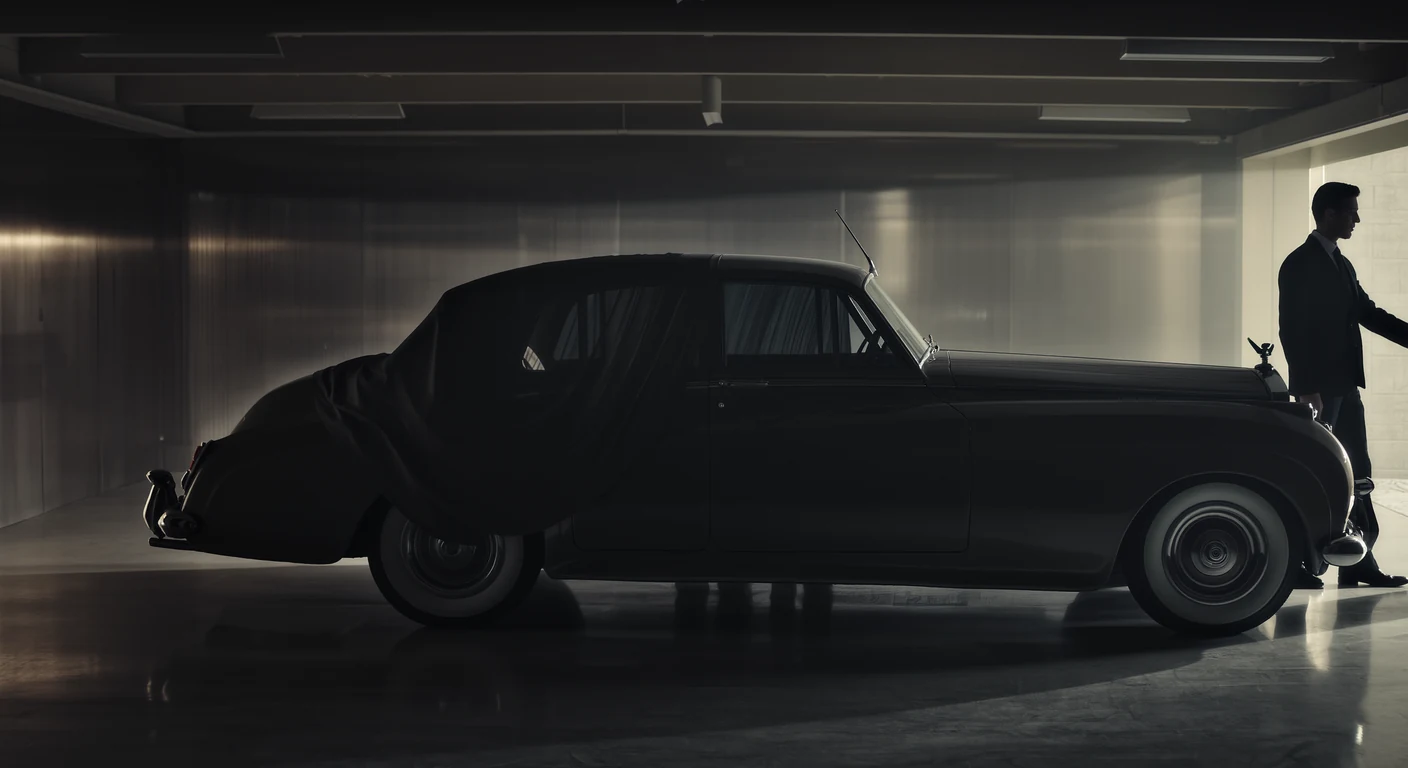
Private classic car sales offer distinct advantages for collectors and automotive enthusiasts. These transactions provide direct communication between buyers and sellers, enabling access to comprehensive vehicle history, maintenance records, and detailed information about modifications or unique characteristics that may not be available through dealership channels. Private sellers typically possess extensive knowledge about their vehicles and can provide insights into the car’s provenance, previous ownership, and specific care requirements.
Financial benefits often accompany private sales, as sellers may offer more competitive pricing and demonstrate greater flexibility in negotiations compared to commercial dealers. The absence of dealership overhead costs and profit margins can result in more favorable purchase prices for buyers. Private sales also provide access to rare and unique vehicles that may not appear in traditional retail markets.
Collectors can locate specific models, limited production runs, or vehicles with particular historical significance through private networks and individual sellers. This access to exclusive inventory makes private sales valuable for those seeking to acquire specific vehicles for their collections. The direct nature of private transactions allows buyers to establish relationships with knowledgeable sellers, often resulting in ongoing support and advice regarding vehicle maintenance, parts sourcing, and restoration resources.
These connections can prove valuable for long-term ownership and preservation of classic automobiles.
Key Takeaways
- Private classic car sales offer unique opportunities often missed in traditional markets.
- Understanding the hidden market can lead to better deals and rare finds.
- Thorough inspections and verifying authenticity are crucial to avoid costly mistakes.
- Negotiation skills and legal knowledge are key to securing a fair and safe purchase.
- Building a strong network helps access exclusive private sales and financing options.
Understanding the Hidden Market
The hidden market for classic cars is vast and varied, encompassing a range of vehicles that may not be listed on mainstream platforms. Many classic car enthusiasts prefer to sell their vehicles privately, often through word-of-mouth or niche online forums dedicated to vintage automobiles. This market can be challenging to navigate for those unfamiliar with it, but understanding its dynamics can yield significant rewards.
In this hidden market, buyers can find cars that have been lovingly maintained or restored by their previous owners. These vehicles often come with rich stories and histories that add to their value. However, this market also requires diligence and research.
Buyers must be prepared to sift through numerous listings and engage with sellers to uncover the best opportunities. By tapping into this hidden market, buyers can discover unique vehicles that stand out from the crowd.
The Advantages of Buying Privately
Buying a classic car privately offers several advantages that can enhance the overall purchasing experience. One of the most significant benefits is the potential for cost savings. Private sellers often have lower overhead costs than dealerships, which can translate into more competitive pricing for buyers.
Additionally, private sellers may be more willing to negotiate on price, allowing buyers to secure a better deal. Another advantage is the opportunity for personalized service. When purchasing from a private seller, buyers can ask specific questions about the car’s history, maintenance records, and any modifications made over the years.
This direct communication fosters trust and transparency, which can be harder to achieve in a dealership environment. Furthermore, private sales often allow buyers to establish a rapport with the seller, creating a more enjoyable and memorable buying experience.
The Risks of Private Classic Car Sales
While there are many benefits to buying classic cars privately, there are also inherent risks that buyers should be aware of. One of the primary concerns is the lack of consumer protection that comes with private sales. Unlike dealerships, private sellers are not bound by the same regulations and may not offer warranties or guarantees on their vehicles.
This means that buyers must conduct thorough due diligence before finalizing any purchase. Additionally, there is the risk of encountering fraudulent listings or misrepresented vehicles. Some sellers may exaggerate a car’s condition or history to make a sale.
Buyers must be vigilant and conduct comprehensive inspections and research to ensure they are making a sound investment. Understanding these risks is crucial for anyone considering a private classic car purchase.
How to Find Private Classic Car Sales
Finding private classic car sales requires a proactive approach and an understanding of where to look. Online platforms such as specialized forums, social media groups, and classified ad websites can be excellent resources for discovering private listings. Engaging with local car clubs or attending classic car shows can also provide valuable networking opportunities and lead to potential sales.
Word-of-mouth referrals are another effective way to uncover private sales. Building relationships within the classic car community can open doors to exclusive opportunities that may not be publicly advertised. By leveraging these various channels, buyers can increase their chances of finding the perfect classic car that meets their needs and preferences.
Negotiating the Deal
Negotiating the deal in a private classic car sale is an essential skill that can significantly impact the final purchase price. Buyers should approach negotiations with confidence and preparation. Researching the market value of similar vehicles can provide leverage during discussions and help establish a fair price range.
When negotiating, it’s important to remain respectful and open-minded. Building rapport with the seller can create a more amicable atmosphere for negotiation. Buyers should also be prepared to walk away if the terms do not meet their expectations or budget.
A successful negotiation often involves compromise from both parties, leading to a mutually beneficial agreement.
Ensuring the Car’s Authenticity
Ensuring a classic car’s authenticity is crucial for buyers looking to make a sound investment. Authenticity affects both the vehicle’s value and its historical significance. Buyers should request documentation that verifies the car’s history, including original titles, service records, and any restoration work completed.
Additionally, conducting thorough research on the specific make and model can help identify key features that indicate authenticity. Engaging with experts or appraisers who specialize in classic cars can provide further assurance regarding a vehicle’s legitimacy. Taking these steps will help buyers avoid potential pitfalls associated with counterfeit or misrepresented vehicles.
Financing Options for Private Sales
Financing options for private classic car sales differ from traditional dealership purchases. Many banks and credit unions offer specialized loans for classic cars, but buyers should be prepared for stricter lending criteria due to the unique nature of these vehicles. It’s essential to shop around for financing options that cater specifically to classic cars.
Buyers may also consider personal loans or leveraging home equity as alternative financing methods. Regardless of the chosen route, it’s crucial to understand all terms and conditions associated with financing before committing to a purchase. Being informed will help buyers make sound financial decisions while acquiring their dream classic car.
Legal Considerations in Private Classic Car Sales
Navigating legal considerations in private classic car sales is vital for ensuring a smooth transaction. Buyers should familiarize themselves with local laws regarding vehicle registration, title transfers, and emissions requirements. Each state may have different regulations that could impact the sale process.
By addressing these legal aspects upfront, buyers can minimize potential complications down the road.
The Importance of a Thorough Inspection
A thorough inspection is one of the most critical steps in purchasing a classic car privately. Buyers should never skip this step, as it provides insight into the vehicle’s condition and potential issues that may not be immediately visible. Hiring a qualified mechanic who specializes in classic cars can help identify any underlying problems that could affect performance or safety.
During the inspection, buyers should pay close attention to key areas such as the engine, transmission, suspension, and bodywork. Documenting any findings will aid in negotiations and help buyers make informed decisions about their purchase. A comprehensive inspection ultimately protects buyers from unexpected repair costs after acquiring their classic vehicle.
Building a Network in the Private Classic Car Market
Building a network in the private classic car market is invaluable for enthusiasts looking to enhance their collection or find unique vehicles. Engaging with local car clubs, attending events, and participating in online forums can help establish connections with other collectors and sellers. Networking not only opens doors to potential sales but also provides access to valuable information about market trends and upcoming events in the classic car community.
By fostering relationships within this niche market, buyers can gain insights that lead to better purchasing decisions and opportunities for future acquisitions. In conclusion, navigating the world of private classic car sales offers both challenges and rewards for buyers willing to invest time and effort into their search. By understanding the hidden market, recognizing advantages and risks, and building a solid network, enthusiasts can find their dream vehicles while ensuring they make informed decisions throughout the process.
Whether you’re looking for your first classic car or adding to your collection, embracing these strategies will enhance your buying experience significantly.
FAQs
What is the private classic car sales market?
The private classic car sales market refers to the buying and selling of vintage and collectible automobiles directly between private individuals, without involving dealerships or public auctions.
How does the private classic car market differ from public auctions?
Private sales typically involve direct negotiation between buyer and seller, often allowing for more personalized transactions, whereas public auctions are open events where cars are sold to the highest bidder, sometimes with less opportunity for negotiation.
Why do sellers choose private sales over dealerships or auctions?
Sellers may prefer private sales to avoid dealer fees, maintain privacy, have more control over pricing, and negotiate directly with buyers who have a genuine interest in classic cars.
Are private classic car sales legal and safe?
Yes, private sales are legal, but buyers and sellers should take precautions such as verifying ownership, conducting vehicle inspections, and using secure payment methods to ensure a safe transaction.
How can buyers find classic cars in the private market?
Buyers can find private classic car sales through online classifieds, enthusiast forums, social media groups, car clubs, and word-of-mouth within the classic car community.
What should buyers look for when purchasing a classic car privately?
Buyers should check the car’s condition, authenticity, maintenance history, ownership records, and verify that the vehicle is free of liens or legal issues before completing a purchase.
Is pricing in private classic car sales different from other markets?
Pricing in private sales can vary widely and may be more flexible, as it depends on negotiation between buyer and seller, the car’s rarity, condition, and market demand.
Do private classic car sales require a bill of sale?
Yes, it is recommended to have a written bill of sale that documents the transaction details, including buyer and seller information, vehicle description, sale price, and date, to protect both parties legally.
Can private classic car sales include warranties or guarantees?
Typically, private sales are “as-is” without warranties, but buyers and sellers can agree to specific terms or guarantees in writing if desired.
What are common challenges in the private classic car market?
Challenges include verifying vehicle authenticity, assessing condition accurately, negotiating fair prices, and ensuring secure payment and transfer of ownership.
More from Blog
The Future of Classic Car Collecting: Trends Shaping the Next Generation
The future of classic car collecting: why 2035 ICE bans spare existing cars, plus e-fuels, shifting demographics, electromods and fractional ownership…
Classic Car Insurance Guide: Protecting Your Vintage Investment
Classic car insurance guide: why agreed-value policies beat stated and actual cash value, how Hagerty, Grundy and Chubb compare, plus costs and covera…
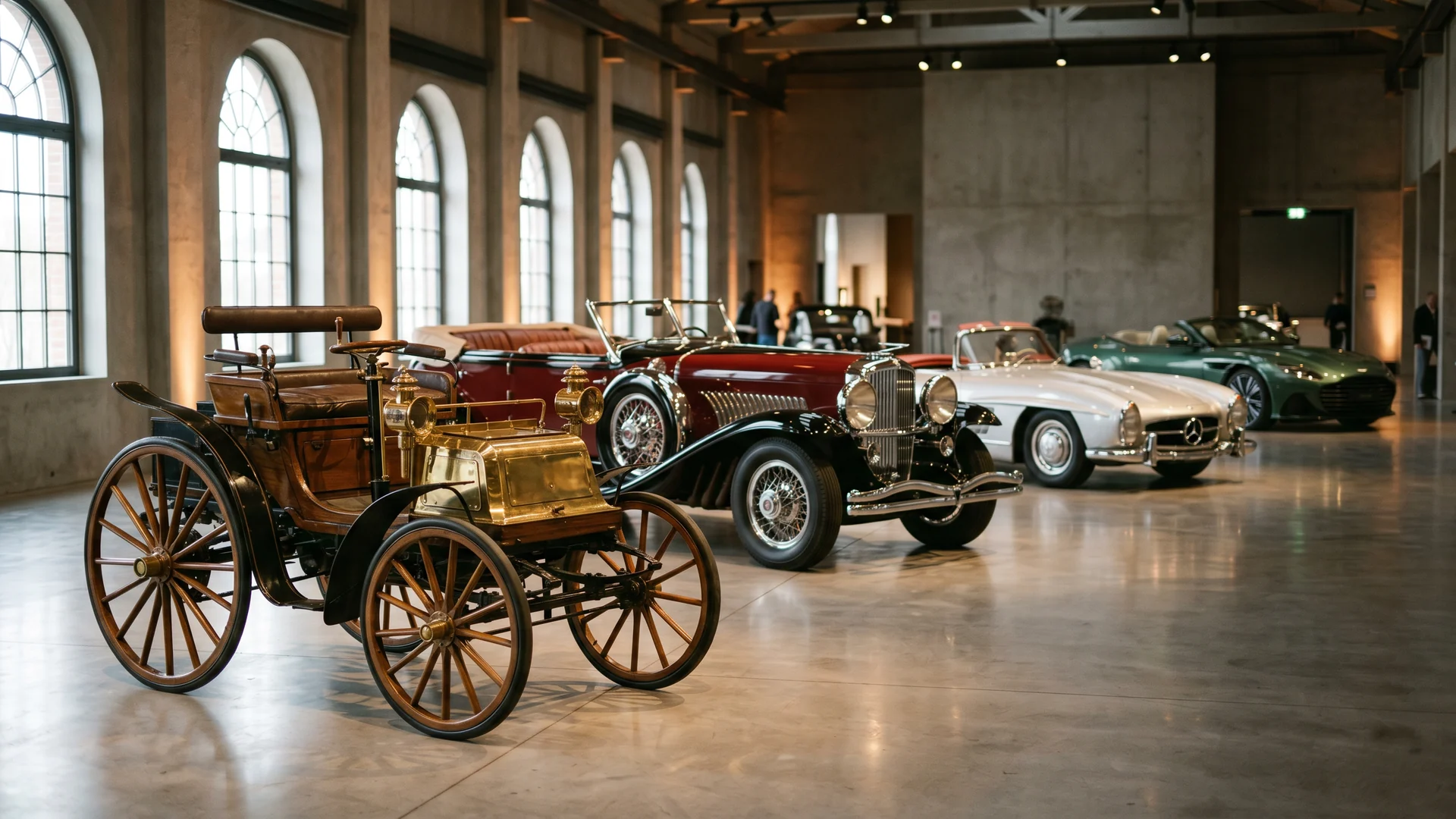
Classic Car History Timeline: From Benz to the Modern Collector Era
Classic car history timeline from the 1886 Benz Patent-Motorwagen through coachbuilding, muscle cars and supercars to modern collectibles. Discover th…