The Hidden Influence of Family Offices in Classic Car Collecting
Family offices are private wealth management advisory firms that serve high-net-worth individuals and families. They provide a range of services, including investment management, e…
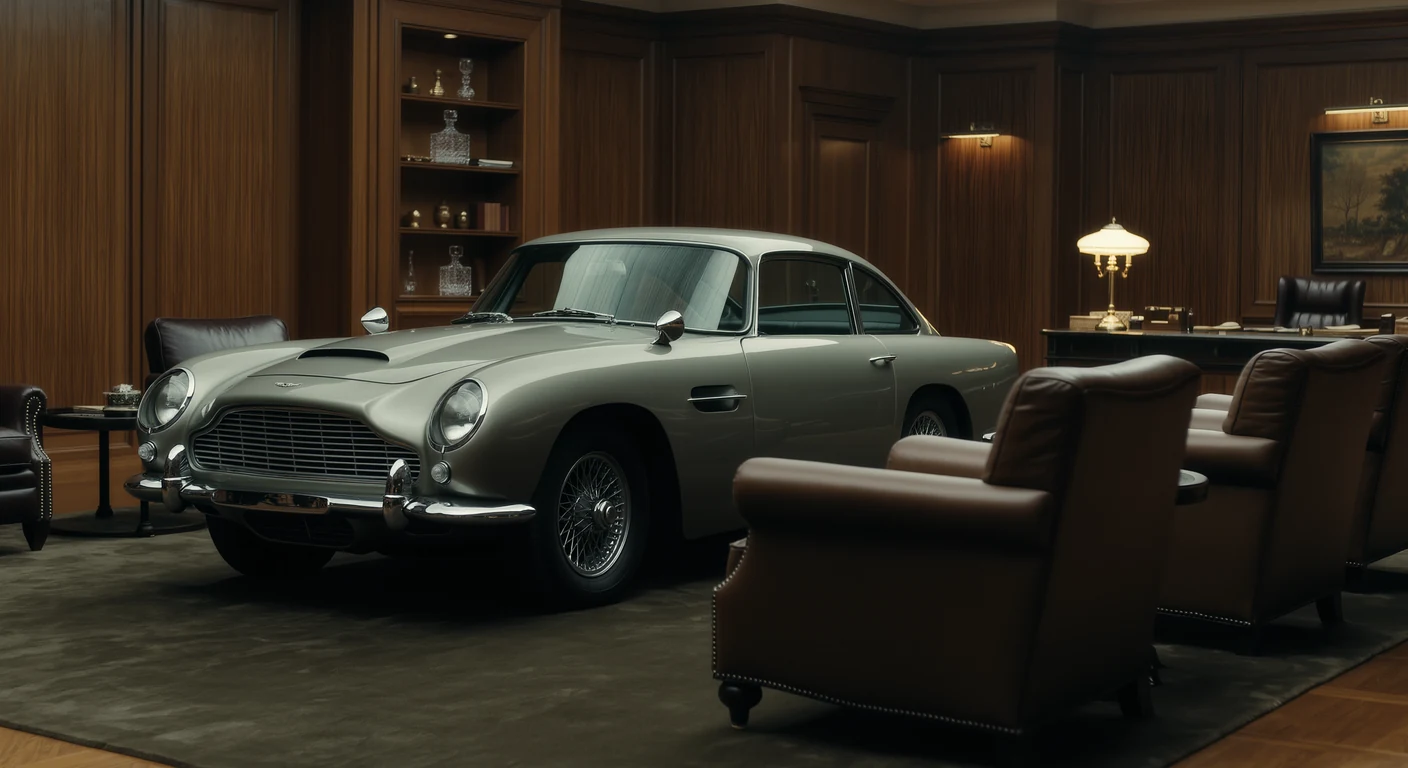
Family offices are private wealth management advisory firms that serve high-net-worth individuals and families. They provide a range of services, including investment management, estate planning, tax optimization, and philanthropy. The primary goal of a family office is to preserve and grow family wealth across generations.
As the financial landscape evolves, family offices have become increasingly sophisticated, adapting to new investment opportunities and trends. One such trend is the growing interest in classic car collecting, which has emerged as both a passion and a lucrative investment avenue for affluent families. The allure of classic cars lies not only in their aesthetic appeal but also in their potential for appreciation in value.
Family offices recognize this opportunity and are increasingly integrating classic car investments into their portfolios. This shift reflects a broader trend where tangible assets are gaining traction among investors seeking diversification beyond traditional stocks and bonds. As family offices delve into the world of classic cars, they bring unique insights and resources that can significantly impact the market.
Key Takeaways
- Family offices play a significant role in the growth and management of classic car collections.
- Their involvement has contributed to rising prices and increased demand in the classic car market.
- Family offices actively participate in auctions, often influencing bidding dynamics and outcomes.
- They support restoration and preservation efforts, ensuring the longevity and value of classic cars.
- The future of classic car collecting is closely tied to family offices, presenting both challenges and opportunities.
The Rise of Classic Car Collecting
Classic car collecting has surged in popularity over the past few decades, driven by a combination of nostalgia, passion for automotive history, and investment potential. Collectors are drawn to vehicles that represent significant milestones in automotive design and engineering.
This growing interest has led to an increase in the number of collectors, many of whom are supported by family offices that provide the necessary financial backing. The rise of classic car collecting can also be attributed to the increasing accessibility of information. Online platforms and social media have made it easier for enthusiasts to connect, share knowledge, and discover new opportunities.
Auctions and sales events are now more visible than ever, allowing collectors to stay informed about market trends and valuations. As a result, classic cars have become not just a hobby but a serious investment strategy for many affluent individuals and families.
The Role of Family Offices in Classic Car Collecting
Family offices play a pivotal role in the classic car collecting landscape by providing the financial resources and expertise needed to navigate this niche market. They often employ specialists who understand the intricacies of classic car valuation, restoration, and maintenance. This expertise allows family offices to make informed decisions when acquiring vehicles, ensuring that their investments align with both personal interests and financial goals.
Moreover, family offices can leverage their extensive networks to access exclusive auctions and private sales that may not be available to the average collector. This access can lead to better acquisition opportunities and potentially higher returns on investment. By acting as both advisors and investors, family offices help their clients build impressive collections while maximizing the value of their investments.
The Impact of Family Offices on Classic Car Prices
The involvement of family offices in classic car collecting has had a noticeable impact on market prices. As these entities enter the market with significant capital, they can drive up demand for specific models, leading to increased valuations. This trend is particularly evident in rare or historically significant vehicles that attract attention from affluent buyers.
Additionally, family offices often take a long-term approach to investing in classic cars. This perspective can stabilize prices in volatile markets, as these entities are less likely to sell during downturns compared to individual collectors looking for quick returns. Consequently, the presence of family offices can create a more robust market environment, benefiting both collectors and investors alike.
How Family Offices Influence Classic Car Auctions
Family offices have transformed the landscape of classic car auctions by introducing new levels of competition and sophistication. Their financial backing allows them to bid aggressively on high-value vehicles, often outpacing individual collectors. This increased competition can lead to higher sale prices at auctions, reflecting the growing demand for classic cars as investment assets.
Moreover, family offices often collaborate with auction houses to curate exclusive events tailored to high-net-worth individuals. These auctions may feature rare vehicles that attract serious collectors, further elevating the status of classic cars as desirable investments. As family offices continue to influence auction dynamics, they contribute to shaping market trends and setting new benchmarks for vehicle valuations.
The Role of Family Offices in Classic Car Restoration
Restoration is a critical aspect of classic car collecting, and family offices play an essential role in this process. They often invest in high-quality restoration services to ensure that their vehicles maintain or increase in value over time. By partnering with reputable restoration shops, family offices can enhance the quality and authenticity of their collections.
Additionally, family offices may employ experts who specialize in classic car restoration to oversee projects from start to finish. This oversight ensures that every detail is attended to, preserving the vehicle’s historical significance while enhancing its aesthetic appeal. As a result, family offices not only protect their investments but also contribute to the preservation of automotive history.
Family Offices and the Preservation of Classic Cars
The preservation of classic cars is a priority for many family offices, as these vehicles represent both financial investments and cultural heritage. By investing in proper storage facilities and climate-controlled environments, family offices can protect their collections from deterioration caused by environmental factors. Furthermore, family offices often engage in philanthropic efforts aimed at preserving automotive history.
This may include supporting museums or educational programs focused on classic cars. By championing preservation initiatives, family offices contribute to the broader appreciation of automotive culture while ensuring that future generations can enjoy these remarkable machines.
The Influence of Family Offices on Classic Car Investment Strategies
Family offices are redefining investment strategies within the classic car market by adopting a more analytical approach. They utilize data-driven insights to identify trends and assess potential returns on investment. This strategic mindset allows them to make informed decisions about which vehicles to acquire based on historical performance and market demand.
Moreover, family offices often diversify their classic car portfolios by investing in various models across different price ranges. This diversification helps mitigate risk while maximizing potential returns. By employing sophisticated investment strategies, family offices are setting new standards for how classic cars are viewed within the broader context of asset allocation.
The Future of Classic Car Collecting with Family Office Involvement
As family offices continue to engage with the classic car market, the future looks promising for collectors and investors alike. The increasing interest from affluent families is likely to drive demand for high-quality vehicles, further elevating their status as investment assets. Additionally, as younger generations inherit wealth from their families, they may bring fresh perspectives and interests into the world of classic cars.
Technological advancements will also play a role in shaping the future of classic car collecting. Innovations such as blockchain technology could enhance transparency in ownership records and provenance verification, making it easier for buyers to assess the value of vehicles accurately. As family offices adapt to these changes, they will continue to influence the direction of the classic car market.
Challenges and Opportunities for Family Offices in Classic Car Collecting
While there are numerous opportunities for family offices in classic car collecting, challenges also exist.
Family offices must remain vigilant and informed about market dynamics to navigate these challenges effectively.
Additionally, the increasing competition from other investors can make it difficult for family offices to secure desirable vehicles at reasonable prices. However, this competition also presents opportunities for collaboration among collectors and investors. By forming partnerships or joining collector clubs, family offices can share knowledge and resources while enhancing their overall investment strategies.
The Continued Influence of Family Offices in Classic Car Collecting
In conclusion, family offices are playing an increasingly influential role in the world of classic car collecting. Their financial resources, expertise, and strategic approach are reshaping the market landscape while driving demand for these unique assets. As they continue to invest in classic cars, family offices not only enhance their portfolios but also contribute to preserving automotive history for future generations.
The future of classic car collecting looks bright with family office involvement, as they bring innovation and sophistication to this passionate pursuit. By navigating challenges and seizing opportunities within the market, family offices will undoubtedly continue to shape the evolution of classic car collecting for years to come.
FAQs
What is a family office?
A family office is a private wealth management advisory firm that serves ultra-high-net-worth individuals or families. It provides a range of services including investment management, estate planning, tax services, and sometimes lifestyle management.
How are family offices involved in classic car collecting?
Family offices often invest in classic cars as part of their alternative asset portfolios. They may purchase, maintain, and manage collections of rare and valuable automobiles both for personal enjoyment and as long-term investments.
Why do family offices invest in classic cars?
Classic cars can serve as tangible assets that diversify investment portfolios. They often appreciate in value over time, offer tax advantages in some jurisdictions, and provide prestige and enjoyment for family members.
Are classic cars a profitable investment for family offices?
While some classic cars have historically appreciated significantly, profitability depends on factors such as the car’s rarity, condition, provenance, and market trends. Family offices typically conduct thorough research and work with experts to make informed investment decisions.
Do family offices influence the classic car market?
Yes, family offices can influence the market by purchasing high-value vehicles, sponsoring events, and supporting restoration projects. Their involvement can drive demand and impact prices in the classic car sector.
How do family offices manage their classic car collections?
Management often includes hiring specialists for maintenance, restoration, insurance, and storage. Family offices may also collaborate with auction houses and classic car clubs to optimize the collection’s value and visibility.
Is classic car collecting a common interest among wealthy families?
Yes, many wealthy families and their family offices view classic car collecting as both a passion and a strategic investment, combining lifestyle enjoyment with asset diversification.
What risks are associated with investing in classic cars?
Risks include market volatility, high maintenance costs, potential for damage or theft, and liquidity challenges since selling classic cars can take time and may depend on market conditions.
Can family offices use classic cars for tax benefits?
In some jurisdictions, classic cars may offer tax advantages such as depreciation or favorable capital gains treatment. However, tax laws vary widely, so family offices typically consult tax professionals to understand applicable benefits.
How do family offices acquire classic cars?
Acquisitions can occur through auctions, private sales, classic car dealers, or direct purchases from other collectors. Family offices often rely on expert advisors to identify and evaluate potential purchases.
More from Blog
The Future of Classic Car Collecting: Trends Shaping the Next Generation
The future of classic car collecting: why 2035 ICE bans spare existing cars, plus e-fuels, shifting demographics, electromods and fractional ownership…
Classic Car Insurance Guide: Protecting Your Vintage Investment
Classic car insurance guide: why agreed-value policies beat stated and actual cash value, how Hagerty, Grundy and Chubb compare, plus costs and covera…
Classic Car History Timeline: From Benz to the Modern Collector Era
Classic car history timeline from the 1886 Benz Patent-Motorwagen through coachbuilding, muscle cars and supercars to modern collectibles. Discover th…