The Hidden Hierarchy of the Luxury Oldtimer World
The luxury oldtimer world is a captivating realm where history, craftsmanship, and exclusivity converge. Classic cars, often referred to as oldtimers, are not merely vehicles; they…
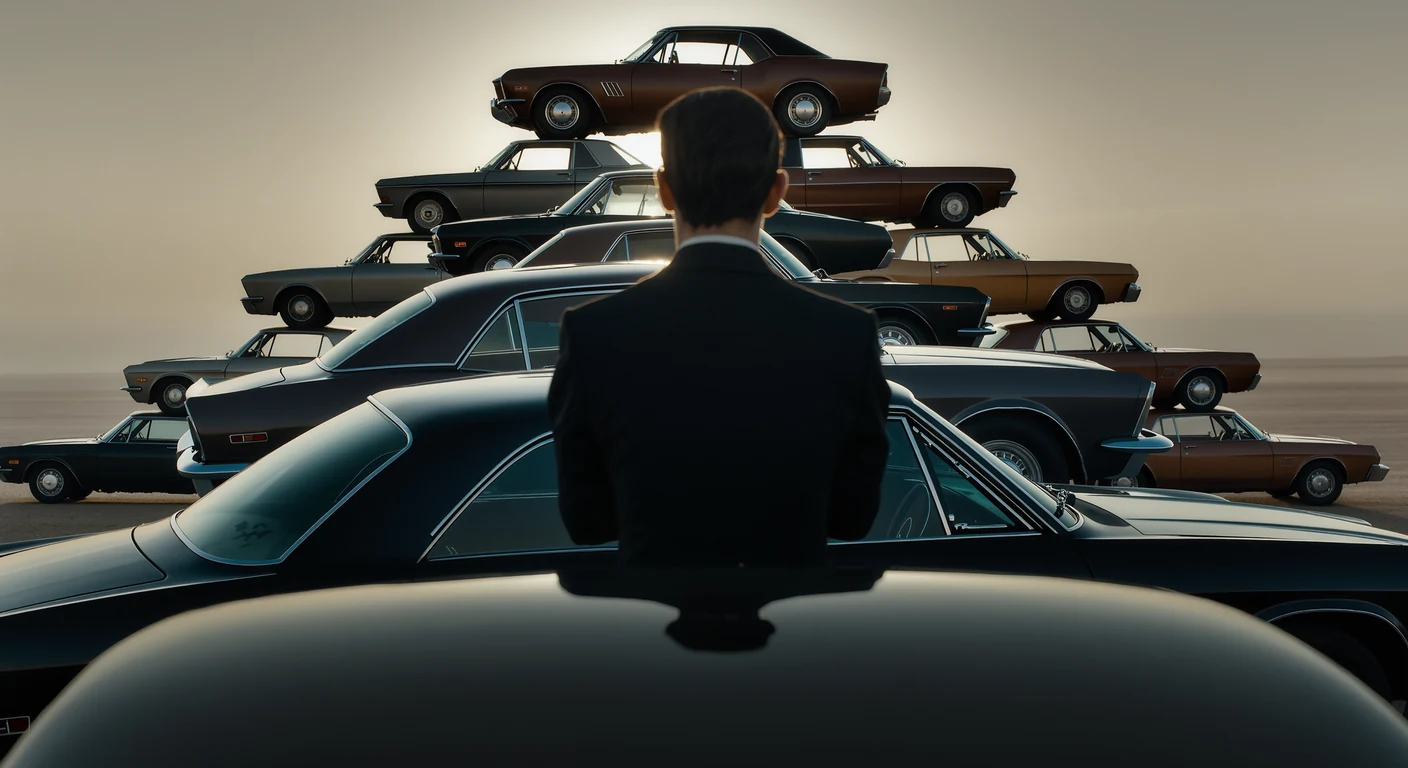
The luxury oldtimer world is a captivating realm where history, craftsmanship, and exclusivity converge. Classic cars, often referred to as oldtimers, are not merely vehicles; they are symbols of a bygone era, representing the pinnacle of automotive engineering and design. Enthusiasts and collectors alike are drawn to these timeless machines for their aesthetic appeal, nostalgic value, and investment potential.
As the market for classic cars continues to grow, understanding the nuances of this world becomes essential for anyone looking to navigate its complexities. In this article, we will explore the various factors that contribute to the hierarchy within the luxury oldtimer market. From rarity and brand influence to restoration quality and historical significance, each element plays a crucial role in determining a classic car’s value and desirability.
By delving into these aspects, we aim to provide a comprehensive guide for collectors, investors, and enthusiasts who wish to appreciate and engage with the luxury oldtimer world more deeply.
Key Takeaways
- Classic car value is heavily influenced by rarity, brand, and model prestige.
- Restoration quality and authenticity are crucial for maintaining or increasing an oldtimer’s worth.
- Historical significance and provenance add substantial prestige and desirability to luxury oldtimers.
- Auction houses, dealers, and celebrity ownership play key roles in shaping the oldtimer market hierarchy.
- Oldtimer clubs, events, and emerging trends continue to evolve and impact the future luxury classic car landscape.
The Rarity Factor: Understanding the Value of Classic Cars
Rarity is one of the most significant factors influencing the value of classic cars. The fewer units produced, the more desirable a vehicle becomes. Limited production runs often create a sense of exclusivity that drives up demand among collectors.
For instance, models like the Ferrari 250 GTO or the Bugatti Type 57SC Atlantic are highly sought after due to their limited availability and unique design features. Moreover, rarity can also be defined by specific attributes such as unique color combinations, special editions, or factory modifications. These characteristics can elevate a car’s status within the oldtimer hierarchy, making it not just a vehicle but a coveted piece of art.
Collectors often seek out these rare gems, knowing that their investment will likely appreciate over time.
The Influence of Brand and Model on Oldtimer Hierarchy
The brand and model of a classic car significantly impact its standing in the oldtimer hierarchy. Renowned manufacturers like Ferrari, Porsche, and Aston Martin have established themselves as leaders in the luxury car market. Their models often command higher prices due to their storied histories and exceptional performance capabilities.
Certain models have become iconic over time, further solidifying their place in automotive history. For example, the Porsche 911 is celebrated for its engineering excellence and has a loyal following among enthusiasts. The brand’s reputation for quality and performance enhances the desirability of its models, making them highly sought after in the collector’s market.
The Role of Restoration and Authenticity in Oldtimer Valuation
Restoration quality plays a pivotal role in determining a classic car’s value. A well-restored vehicle that maintains its original specifications can command a premium price. Authenticity is key; collectors often prefer cars that have retained their original parts and features.
A car that has undergone extensive modifications may lose value in the eyes of purists. Moreover, restoration should be performed by reputable professionals who understand the intricacies of classic cars. A poorly executed restoration can detract from a vehicle’s value and desirability.
Therefore, when considering an oldtimer purchase, it is essential to assess both its condition and the quality of any restoration work done.
The Impact of Historical Significance on Oldtimer Prestige
Historical significance adds another layer of prestige to classic cars. Vehicles associated with notable events or figures often carry a higher value due to their unique stories. For instance, cars that participated in famous races or were owned by celebrities can become highly coveted collectibles.
The narrative surrounding a classic car can enhance its allure, making it more than just a mode of transportation. Collectors are often willing to pay a premium for vehicles with rich histories that resonate with their personal interests or passions. This emotional connection can drive demand and elevate a car’s status within the luxury oldtimer hierarchy.
The Importance of Provenance and Ownership History in the Oldtimer World
Provenance refers to the documented history of a classic car’s ownership and can significantly impact its value. A well-documented ownership history provides potential buyers with confidence in the vehicle’s authenticity and condition. Cars with notable previous owners or those that have been part of prestigious collections often command higher prices.
Additionally, provenance can include details about maintenance records, restoration work, and any modifications made over time. A comprehensive history not only adds to the car’s story but also assures buyers that they are investing in a quality piece with a transparent background.
The Role of Auction Houses and Dealers in Shaping the Oldtimer Hierarchy
Auction houses and specialized dealers play a crucial role in shaping the luxury oldtimer market. Renowned auction events like Pebble Beach or RM Sotheby’s attract collectors from around the globe, creating a competitive environment that drives prices higher. These platforms provide visibility for rare models and help establish market values.
Dealers also contribute to this hierarchy by curating collections and providing expertise to buyers. A reputable dealer can guide collectors through the complexities of purchasing classic cars, ensuring they make informed decisions. Their knowledge of market trends and valuation can significantly impact a buyer’s experience in the luxury oldtimer world.
The Influence of Celebrity Ownership on Oldtimer Desirability
Celebrity ownership can dramatically increase a classic car’s desirability and value. When a vehicle is linked to a famous figure, be it an actor, musician, or sports star, it often becomes more than just a car; it transforms into a piece of pop culture history.
This phenomenon creates a unique market dynamic where fans and collectors alike are willing to pay top dollar for vehicles with celebrity provenance. The allure of owning a piece of history connected to an admired figure adds an emotional layer that enhances desirability.
The Role of Oldtimer Clubs and Events in Oldtimer Hierarchy
Oldtimer clubs and events serve as vital hubs for enthusiasts and collectors alike. These organizations foster community among classic car lovers while providing opportunities for networking, education, and showcasing vehicles. Events such as Concours d’Elegance allow owners to display their prized possessions while competing for awards based on authenticity and presentation.
Participation in these clubs can also enhance a vehicle’s status within the hierarchy. Cars that have been recognized at prestigious events often gain additional credibility among collectors, further elevating their market value. The camaraderie found within these communities enriches the overall experience of owning an oldtimer.
The Future of the Luxury Oldtimer World: Emerging Trends and Shifts in Hierarchy
As we look toward the future, several emerging trends are shaping the luxury oldtimer world. Electric conversions are gaining traction as enthusiasts seek sustainable alternatives while preserving classic designs. This shift may redefine what constitutes an “oldtimer” as technology evolves.
Additionally, younger generations are becoming increasingly interested in classic cars, leading to new dynamics in demand and valuation. As these trends continue to develop, they will undoubtedly influence the existing hierarchy within the luxury oldtimer market.
Navigating the Hidden Hierarchy of the Luxury Oldtimer World
Navigating the hidden hierarchy of the luxury oldtimer world requires an understanding of various factors that influence value and desirability. From rarity and brand influence to historical significance and provenance, each element plays a crucial role in shaping this fascinating market. As you embark on your journey into classic car ownership or investment, consider these insights carefully.
Whether you are drawn by nostalgia or investment potential, understanding these dynamics will empower you to make informed decisions in this captivating realm. Embrace your passion for oldtimers and enjoy the ride!
FAQs
What is a luxury oldtimer?
A luxury oldtimer refers to a classic or vintage car that is highly valued for its rarity, design, historical significance, and craftsmanship. These vehicles are often well-preserved or restored and are considered collectible items in the automotive world.
What does the term “hidden hierarchy” mean in the context of luxury oldtimers?
The “hidden hierarchy” refers to the unspoken or less obvious ranking system within the luxury oldtimer community. This hierarchy can be based on factors such as the car’s brand prestige, rarity, provenance, condition, and the owner’s status or influence in the collector world.
Which brands are typically considered top-tier in the luxury oldtimer market?
Brands like Rolls-Royce, Bentley, Ferrari, Bugatti, and Aston Martin are often regarded as top-tier luxury oldtimers due to their historical significance, exclusivity, and high craftsmanship standards.
How does provenance affect the value of a luxury oldtimer?
Provenance, or the documented history of a vehicle’s ownership and maintenance, can significantly increase a luxury oldtimer’s value. Cars with notable previous owners, participation in famous events, or well-documented restoration histories are often more desirable.
What role do car clubs and events play in the luxury oldtimer community?
Car clubs and events provide platforms for enthusiasts to network, showcase their vehicles, and exchange knowledge. They also help establish and reinforce the social hierarchy within the luxury oldtimer world by highlighting certain cars and owners.
Are luxury oldtimers considered good investments?
Many luxury oldtimers have appreciated in value over time, making them attractive to collectors and investors. However, investment potential depends on factors like market trends, car condition, rarity, and historical importance.
What are common challenges in owning a luxury oldtimer?
Challenges include high maintenance costs, difficulty sourcing original parts, the need for specialized knowledge for repairs, and the requirement for proper storage to preserve the vehicle’s condition.
How can one verify the authenticity of a luxury oldtimer?
Authenticity can be verified through documentation such as original registration papers, service records, expert appraisals, and sometimes through manufacturer certification programs or classic car registries.
What is the significance of restoration in the luxury oldtimer world?
Restoration can enhance a car’s value and appeal if done correctly, preserving original features and craftsmanship. However, over-restoration or using non-original parts can diminish a vehicle’s authenticity and value.
How does the luxury oldtimer market differ globally?
The market varies by region due to differences in collector preferences, availability of certain models, legal regulations, and cultural appreciation of classic cars. Europe and North America are prominent markets, but interest is growing worldwide.
More from Blog
The Future of Classic Car Collecting: Trends Shaping the Next Generation
The future of classic car collecting: why 2035 ICE bans spare existing cars, plus e-fuels, shifting demographics, electromods and fractional ownership…
Classic Car Insurance Guide: Protecting Your Vintage Investment
Classic car insurance guide: why agreed-value policies beat stated and actual cash value, how Hagerty, Grundy and Chubb compare, plus costs and covera…
Classic Car History Timeline: From Benz to the Modern Collector Era
Classic car history timeline from the 1886 Benz Patent-Motorwagen through coachbuilding, muscle cars and supercars to modern collectibles. Discover th…