The Hidden Fees Behind Buying a Million-Dollar Classic Car
Investing in classic cars has become a popular avenue for enthusiasts and investors alike. The allure of vintage automobiles lies not only in their aesthetic appeal but also in the…
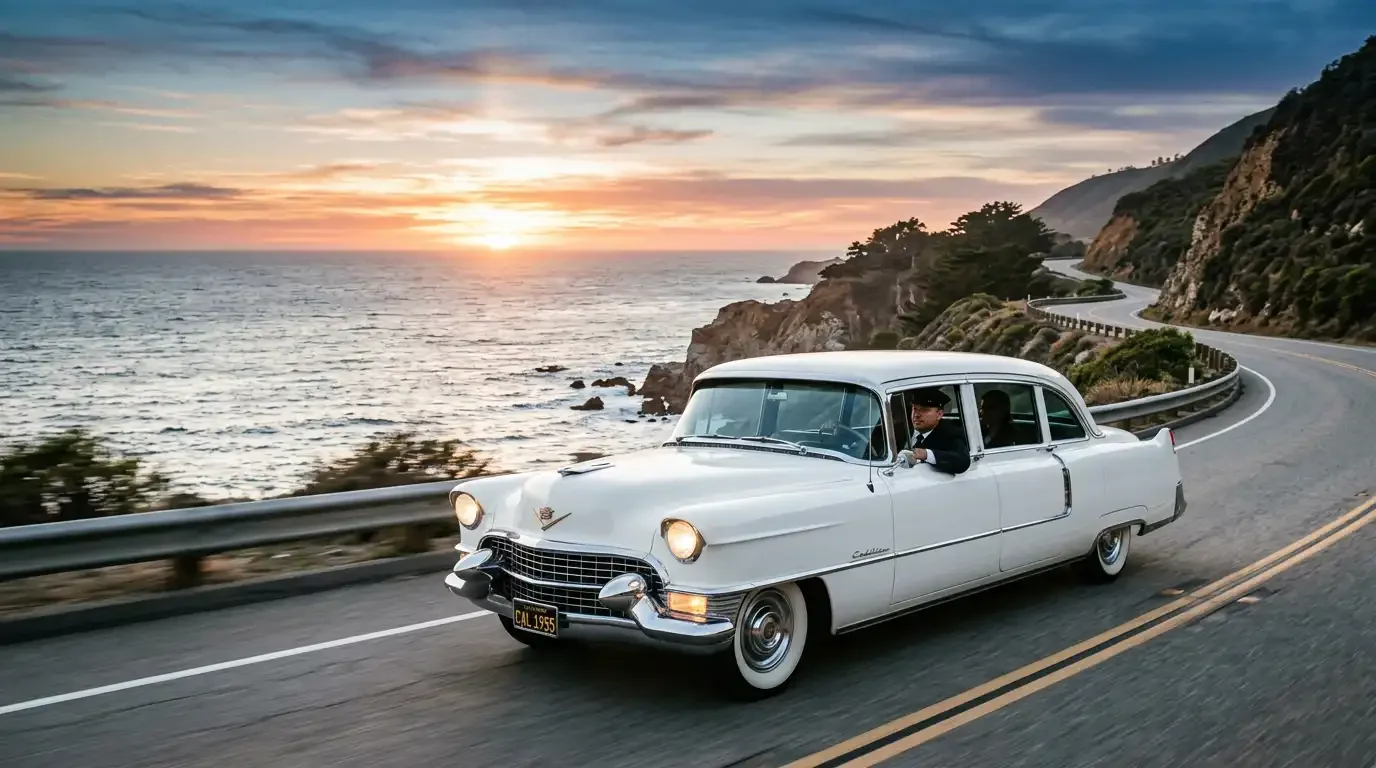
Investing in classic cars has become a popular avenue for enthusiasts and investors alike. The allure of vintage automobiles lies not only in their aesthetic appeal but also in their potential for appreciation over time. Classic cars can serve as both a passion project and a lucrative investment, offering a unique blend of nostalgia and financial opportunity.
However, before diving into this exciting world, it’s essential to understand the various costs associated with classic car ownership. This article will explore the hidden expenses that can significantly impact your investment, ensuring you make informed decisions. The classic car market is dynamic, with values fluctuating based on trends, rarity, and condition.
While the initial purchase price may seem attractive, many buyers overlook the additional costs that come with owning a classic vehicle. Understanding these hidden costs is crucial for anyone considering this investment. By being aware of the financial implications, you can better assess whether a classic car aligns with your investment goals and lifestyle.
When purchasing a classic car, the initial price tag is often the first consideration. However, this figure is just the tip of the iceberg. Many buyers fall into the trap of focusing solely on the purchase price, neglecting to account for the myriad of hidden costs that can arise.
These additional expenses can quickly add up, transforming what seemed like a reasonable investment into a financial burden. Hidden costs can include everything from restoration needs to ongoing maintenance. For instance, a classic car may require significant repairs or upgrades to meet safety standards or enhance performance.
Additionally, older vehicles often need specialized parts that can be costly and hard to find. Therefore, it’s vital to conduct thorough research and budgeting before making a purchase to ensure you’re prepared for these potential expenses.
Key Takeaways
- Classic car investment involves more than just the initial purchase price; hidden costs significantly impact overall expenses.
- Import/export fees, taxes, and duties can add substantial costs when buying or selling classic cars internationally.
- Restoration, maintenance, insurance, and storage are ongoing expenses that must be factored into the total investment.
- Additional fees such as auction house commissions, appraisal, authentication, and transportation increase the financial commitment.
- Understanding all associated costs is crucial for accurately assessing the true cost of classic car ownership and investment.
Import and Export Fees
If you’re considering purchasing a classic car from overseas, it’s essential to factor in import and export fees. These costs can vary significantly depending on the country of origin and destination. Import duties, taxes, and customs fees can add thousands of dollars to your overall investment.
Additionally, you may encounter shipping fees that can fluctuate based on the size and weight of the vehicle.
Each country has its own set of rules regarding emissions standards, safety regulations, and import taxes.
Failing to comply with these regulations can lead to delays or even fines. Therefore, it’s advisable to consult with experts in international car transactions to navigate these complexities effectively.
Restoration and Maintenance Costs
Restoration and maintenance are significant factors in classic car ownership that many buyers underestimate. While some classic cars may be in excellent condition upon purchase, others may require extensive work to restore them to their former glory. Restoration costs can vary widely based on the vehicle’s condition, rarity, and the extent of work needed.
Regular maintenance is equally important for preserving the value of your investment. Classic cars often require specialized care that can be more expensive than standard vehicles. Routine services such as oil changes, brake replacements, and tire rotations may cost more due to the need for specific parts or skilled labor.
It’s essential to budget for these ongoing expenses to ensure your classic car remains in top condition.
Insurance and Storage Expenses
Insurance is another critical aspect of classic car ownership that should not be overlooked. Classic cars often require specialized insurance policies that cater specifically to vintage vehicles. These policies can be more expensive than standard auto insurance due to the higher value of classic cars and the unique risks associated with them.
In addition to insurance, storage expenses can also add up quickly. Many classic car owners choose to store their vehicles in climate-controlled environments to protect them from harsh weather conditions. Renting space in a garage or storage facility can be costly, especially if you live in an area with high real estate prices.
It’s essential to factor these costs into your overall budget when considering a classic car investment.
Auction House Fees
If you plan to buy or sell a classic car through an auction house, it’s crucial to understand the associated fees. Auction houses typically charge sellers a commission based on the final sale price of the vehicle. This fee can range from 5% to 15%, depending on the auction house and the value of the car.
Buyers should also be aware of buyer’s premiums, which are additional fees added to the final bid amount. These premiums can significantly increase the total cost of purchasing a classic car at auction. It’s essential to read the fine print and understand all fees involved before participating in an auction to avoid any surprises.
Appraisal and Authentication Costs
When investing in a classic car, obtaining an appraisal and authentication is often necessary to determine its true value and condition. Professional appraisals can cost anywhere from $200 to $1,000 or more, depending on the vehicle’s complexity and the appraiser’s expertise. Authentication is equally important for ensuring that a classic car is genuine and not a replica or counterfeit.
This process may involve verifying documentation, inspecting parts for originality, and assessing overall condition. The costs associated with appraisal and authentication should be factored into your investment budget to ensure you’re making a sound purchase.
Transportation and Shipping Fees
Transportation and shipping fees are additional costs that can arise when acquiring a classic car, especially if it’s located far from your home. Hiring a professional transport service can ensure your vehicle arrives safely but can also add significant expenses to your overall investment. Shipping costs can vary based on distance, vehicle size, and transport method (open vs.
enclosed transport). It’s essential to obtain quotes from multiple transport companies to find the best deal while ensuring your classic car is handled with care during transit.
Taxes and Duties
Taxes and duties are another critical consideration when investing in classic cars. Depending on your location, you may be required to pay sales tax upon purchasing a vehicle. Additionally, if you import a classic car from another country, you may face import duties that can significantly increase your overall cost.
Understanding local tax laws and regulations is crucial for budgeting effectively. Consulting with a tax professional or legal expert can help you navigate these complexities and ensure compliance with all applicable laws.
Financing and Interest Charges
If you plan to finance your classic car purchase, it’s essential to consider interest charges as part of your overall investment cost. Classic car loans may come with higher interest rates than traditional auto loans due to their unique nature and potential risk factors. Before committing to financing, it’s advisable to shop around for the best rates and terms available.
Understanding your financing options will help you make informed decisions about how much you’re willing to spend on your classic car investment.
Considering the Total Cost of Classic Car Ownership
Investing in classic cars can be an exciting venture filled with potential rewards; however, it’s crucial to consider all associated costs before making a purchase. From initial purchase prices to hidden expenses like restoration, insurance, and taxes, understanding these factors will help you make informed decisions about your investment.
Whether you’re looking for a passion project or a lucrative investment opportunity, being aware of all potential expenses will ensure you make sound financial choices in the world of classic cars.
FAQs
What are some common hidden fees when buying a million-dollar classic car?
Common hidden fees include auction fees, transportation and shipping costs, insurance premiums, storage fees, restoration and maintenance expenses, and taxes such as sales tax or import duties.
Why do auction fees add to the cost of purchasing a classic car?
Auction houses typically charge a buyer’s premium, which is a percentage of the final sale price. This fee can range from 5% to 15% or more, significantly increasing the total purchase price.
How does insurance impact the overall cost of owning a million-dollar classic car?
Insurance for high-value classic cars is often more expensive due to the car’s rarity, value, and the specialized coverage required. Comprehensive policies may include agreed value coverage, storage conditions, and limited mileage clauses.
Are there additional taxes involved when buying a classic car internationally?
Yes, purchasing a classic car from another country may involve import duties, customs fees, and value-added taxes (VAT), which can substantially increase the total cost.
What maintenance costs should buyers expect after purchasing a classic car?
Maintenance costs can be high due to the need for specialized parts, expert mechanics, and regular upkeep to preserve the car’s condition and value. Restoration work can also be costly if the vehicle requires repairs.
Is transportation a significant hidden fee in buying a classic car?
Yes, transporting a classic car, especially internationally or over long distances, requires specialized shipping methods to ensure the vehicle’s safety, which can be expensive.
How can buyers prepare for these hidden fees?
Buyers should conduct thorough research, budget for additional costs beyond the purchase price, consult with experts, and request detailed fee breakdowns from sellers or auction houses before committing to a purchase.
More from Blog

The Future of Classic Car Collecting: Trends Shaping the Next Generation
The future of classic car collecting: why 2035 ICE bans spare existing cars, plus e-fuels, shifting demographics, electromods and fractional ownership…
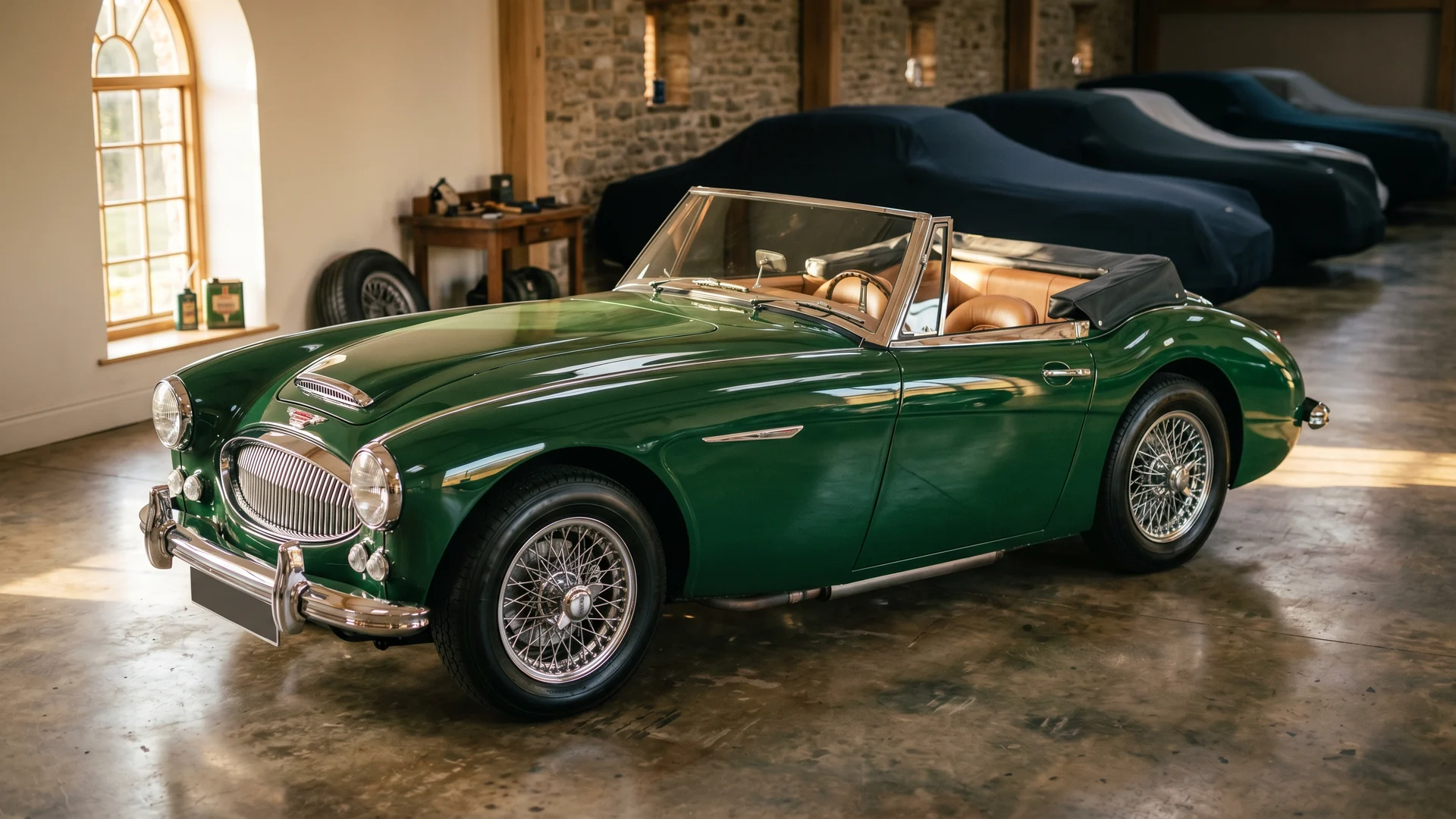
Classic Car Insurance Guide: Protecting Your Vintage Investment
Classic car insurance guide: why agreed-value policies beat stated and actual cash value, how Hagerty, Grundy and Chubb compare, plus costs and covera…
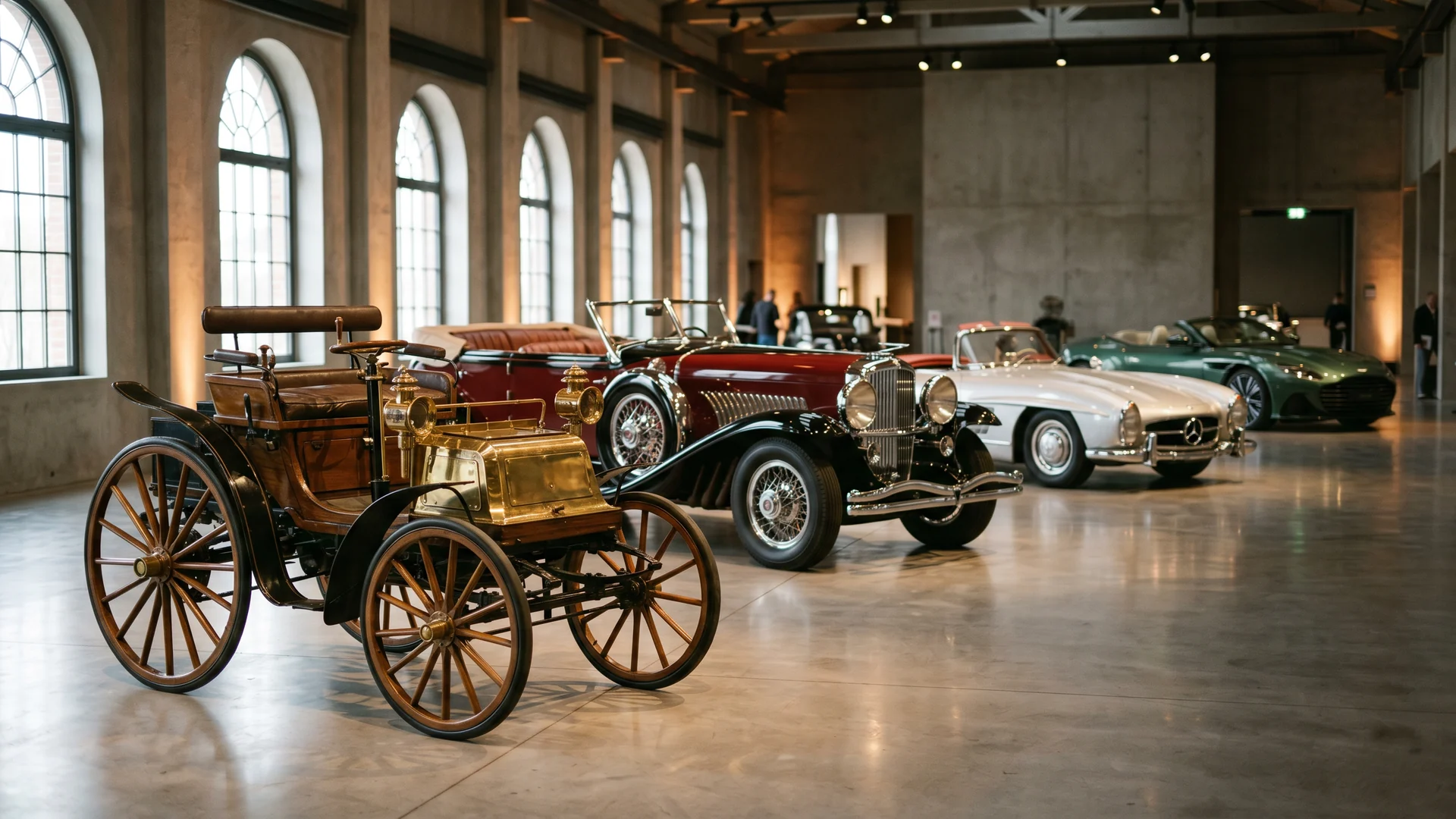
Classic Car History Timeline: From Benz to the Modern Collector Era
Classic car history timeline from the 1886 Benz Patent-Motorwagen through coachbuilding, muscle cars and supercars to modern collectibles. Discover th…