The Hidden Costs of Owning a Luxury Classic Car
When considering the acquisition of a vehicle, the initial purchase price is often the most significant factor. This price can vary widely based on the make, model, year, and condi…

When considering the acquisition of a vehicle, the initial purchase price is often the most significant factor. This price can vary widely based on the make, model, year, and condition of the vehicle. For instance, luxury brands or high-performance models typically command higher prices due to their advanced features and brand prestige.
Buyers must also consider whether they are purchasing new or used, as new vehicles depreciate quickly, while used vehicles may offer better value for money.
Buyers should evaluate interest rates, loan terms, and down payment requirements.
A well-researched purchase can lead to significant savings in the long run. It’s essential to factor in all these elements to understand the true cost of ownership beyond just the sticker price.
Key Takeaways
- Initial purchase price and restoration costs significantly impact the total investment in a classic car.
- Ongoing expenses include maintenance, repairs, insurance, storage, and fuel.
- Specialty parts, customization, and upgrades can add substantial costs and complexity.
- Limited availability of qualified mechanics and specialists may increase service time and expenses.
- Time and attention devoted to the vehicle represent an important opportunity cost for owners.
Maintenance and Repairs
Maintenance and repairs are ongoing costs that every vehicle owner must anticipate. Regular maintenance includes oil changes, tire rotations, and brake inspections, which are crucial for ensuring the vehicle operates efficiently and safely. Neglecting these services can lead to more severe issues down the line, resulting in costly repairs.
Moreover, the type of vehicle influences maintenance costs. Luxury vehicles often require specialized services and parts, which can be more expensive than standard models.
Understanding these factors can help owners budget effectively for their vehicle’s upkeep.
Insurance Costs
Insurance costs are another critical aspect of vehicle ownership that can significantly impact overall expenses. The type of coverage selected, liability, comprehensive, or collision, will determine the monthly premium. Factors such as the driver’s age, driving history, and location also play a role in determining insurance rates.
Additionally, certain vehicles are more expensive to insure due to their value or safety ratings. For example, sports cars typically have higher premiums compared to sedans. It’s advisable for potential buyers to obtain insurance quotes before making a purchase decision to ensure they can afford the ongoing costs associated with insuring their vehicle.
Storage Fees
Storage fees can be an overlooked expense for vehicle owners, especially those who own multiple cars or classic vehicles that require special care. If a vehicle is not regularly driven, it may need to be stored in a climate-controlled environment to prevent deterioration. This can lead to additional monthly costs that should be factored into the overall budget.
For those living in urban areas where parking is limited, renting a garage or storage unit may be necessary. These fees can add up quickly, making it essential for owners to consider their storage options carefully. Evaluating whether a vehicle will be used frequently enough to justify these costs is crucial for financial planning.
Depreciation
Depreciation is an inevitable aspect of vehicle ownership that affects resale value over time. New cars typically lose value rapidly within the first few years, with some models depreciating by as much as 20% in the first year alone. Understanding how depreciation works can help buyers make informed decisions about their purchases.
Certain vehicles hold their value better than others due to brand reputation, reliability, and demand in the used car market. Researching which models have lower depreciation rates can lead to better long-term financial outcomes. Owners should also consider how long they plan to keep the vehicle; if they intend to sell it after a few years, choosing a model with strong resale value is wise.
Restoration Costs
For classic car enthusiasts or those who own vintage vehicles, restoration costs can be significant. Restoring a car to its former glory often involves extensive work on the engine, body, and interior. These projects can quickly escalate in price depending on the condition of the vehicle and the quality of parts used.
Moreover, restoration is not just about aesthetics; it often requires mechanical expertise and specialized knowledge. Owners should be prepared for unexpected expenses that may arise during the restoration process. Budgeting for these costs upfront can help prevent financial strain as the project progresses.
Specialty Parts and Accessories
Owning a unique or vintage vehicle often necessitates sourcing specialty parts and accessories that may not be readily available in local auto shops. These parts can be costly and may require shipping from distant suppliers or even custom fabrication. Additionally, some vehicles have limited aftermarket support, making it challenging to find compatible parts at reasonable prices.
Owners should research their vehicle’s needs thoroughly and connect with communities or forums dedicated to their specific make and model for advice on sourcing parts effectively.
Fuel and Gasoline Expenses
Fuel expenses are a recurring cost that can vary significantly based on driving habits and fuel efficiency of the vehicle. Gas prices fluctuate regularly, impacting monthly budgets for vehicle owners. Those who drive long distances or have fuel-inefficient vehicles may find themselves spending considerably more on gasoline.
To mitigate these costs, owners can consider fuel-efficient models or hybrid/electric vehicles that offer lower operating costs over time. Additionally, adopting fuel-saving driving habits, such as maintaining steady speeds and reducing idling, can help decrease overall fuel expenses.
Customization and Upgrades
Customization and upgrades are popular among car enthusiasts looking to enhance performance or aesthetics. However, these modifications can add up quickly in terms of both time and money. From new exhaust systems to upgraded sound systems, each enhancement comes with its own set of costs.
While customization can increase enjoyment and personal satisfaction with a vehicle, it’s essential to weigh these expenses against potential increases in insurance premiums or depreciation rates. Owners should carefully consider which upgrades will provide the most value and satisfaction before committing financially.
Limited Availability of Mechanics and Specialists
Finding qualified mechanics or specialists for certain vehicles can be challenging, particularly for rare or vintage models. Not all repair shops have experience working on specialized vehicles, which can lead to longer wait times for repairs and potentially higher labor costs. Owners should seek out reputable mechanics who have experience with their specific make and model before purchasing a vehicle.
Building a relationship with a trusted mechanic can save time and money in the long run by ensuring that repairs are done correctly and efficiently.
Opportunity Cost of Time and Attention
The opportunity cost of time and attention is an often-overlooked aspect of vehicle ownership. Maintaining a car requires time spent on routine maintenance, repairs, and even research into potential upgrades or modifications. This time could be spent on other productive activities or leisure pursuits.
Additionally, dealing with unexpected repairs or issues can be stressful and time-consuming. Owners should consider whether they have the bandwidth to manage these responsibilities effectively before committing to a particular vehicle type or model. In conclusion, owning a vehicle involves numerous costs beyond just the initial purchase price.
From maintenance and insurance to storage fees and customization expenses, understanding these factors is crucial for prospective buyers. By carefully evaluating each aspect of ownership, individuals can make informed decisions that align with their financial goals and lifestyle preferences. Ultimately, whether you’re considering a new purchase or evaluating your current vehicle’s expenses, being proactive about understanding these costs will lead to better financial outcomes and greater satisfaction with your investment in transportation.
FAQs
What are the common hidden costs associated with owning a luxury classic car?
Hidden costs can include higher insurance premiums, expensive maintenance and repairs, storage fees, and the need for specialized parts and labor. Additionally, classic cars may require more frequent servicing and can have higher fuel consumption.
Why is insurance more expensive for luxury classic cars?
Insurance is typically higher because luxury classic cars often have a higher market value, are more expensive to repair, and may be considered at greater risk for theft or damage. Specialized insurance policies are often required, which can increase premiums.
How does maintenance for a luxury classic car differ from a regular vehicle?
Maintenance for luxury classic cars often involves sourcing rare or custom parts, which can be costly and time-consuming. Skilled mechanics with expertise in vintage or luxury models may be needed, leading to higher labor costs compared to standard vehicles.
Are there additional storage requirements for luxury classic cars?
Yes, luxury classic cars often require climate-controlled storage to prevent damage from humidity, temperature fluctuations, and dust. Proper storage can help preserve the vehicle’s condition but may add significant monthly or annual costs.
Can owning a luxury classic car affect fuel expenses?
Luxury classic cars generally have lower fuel efficiency compared to modern vehicles, leading to higher fuel costs. Additionally, some classic cars may require premium or specialized fuels, which can further increase expenses.
Is depreciation a concern with luxury classic cars?
While some luxury classic cars appreciate in value over time, others may depreciate due to market trends, condition, or rarity. Owners should research specific models to understand potential value changes and factor this into ownership costs.
What should potential buyers consider before purchasing a luxury classic car?
Buyers should assess total ownership costs, including hidden expenses like insurance, maintenance, storage, and fuel. It’s also important to verify the car’s condition, availability of parts, and access to qualified service professionals to ensure sustainable ownership.
More from Blog

The Future of Classic Car Collecting: Trends Shaping the Next Generation
The future of classic car collecting: why 2035 ICE bans spare existing cars, plus e-fuels, shifting demographics, electromods and fractional ownership…
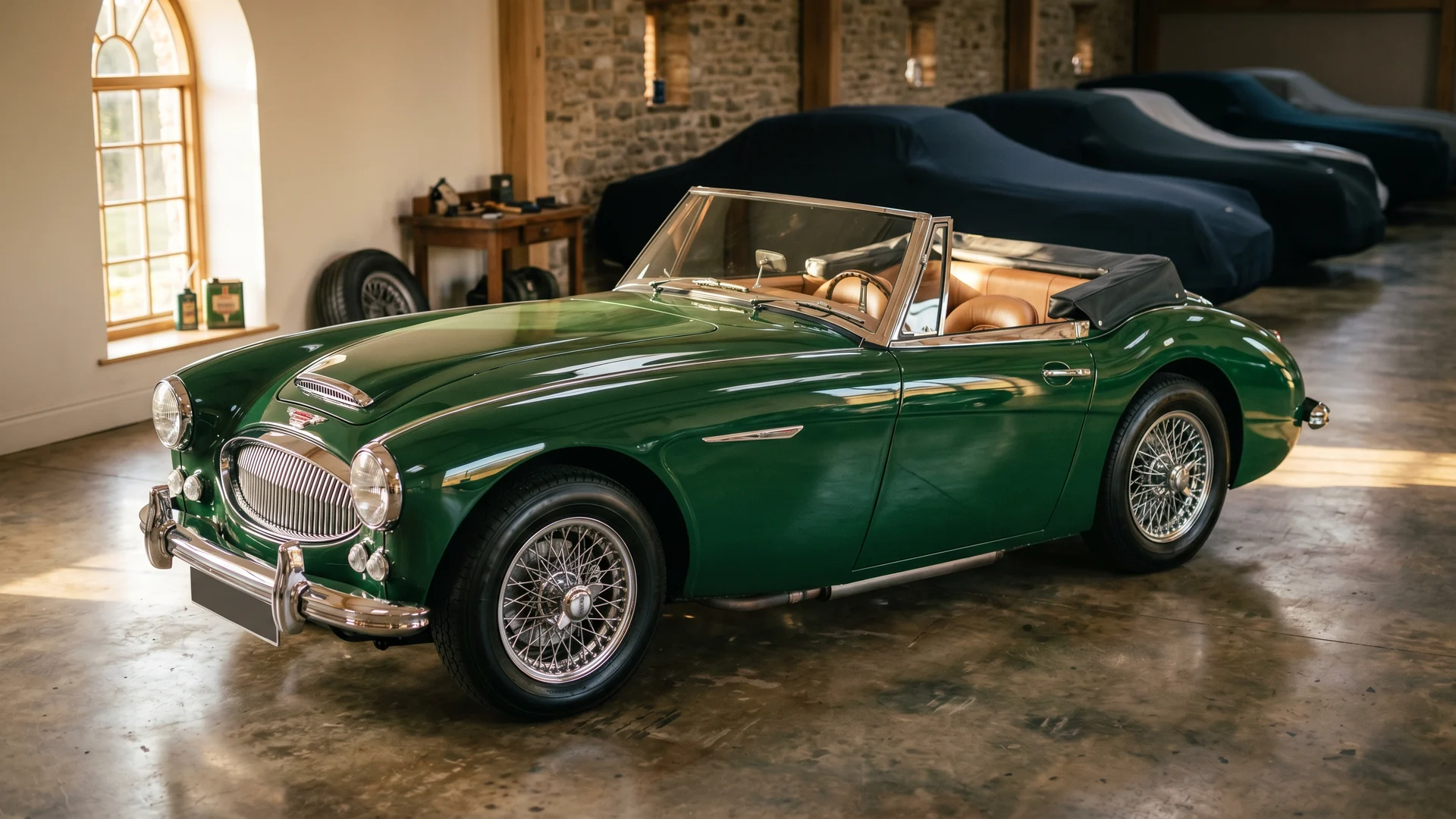
Classic Car Insurance Guide: Protecting Your Vintage Investment
Classic car insurance guide: why agreed-value policies beat stated and actual cash value, how Hagerty, Grundy and Chubb compare, plus costs and covera…
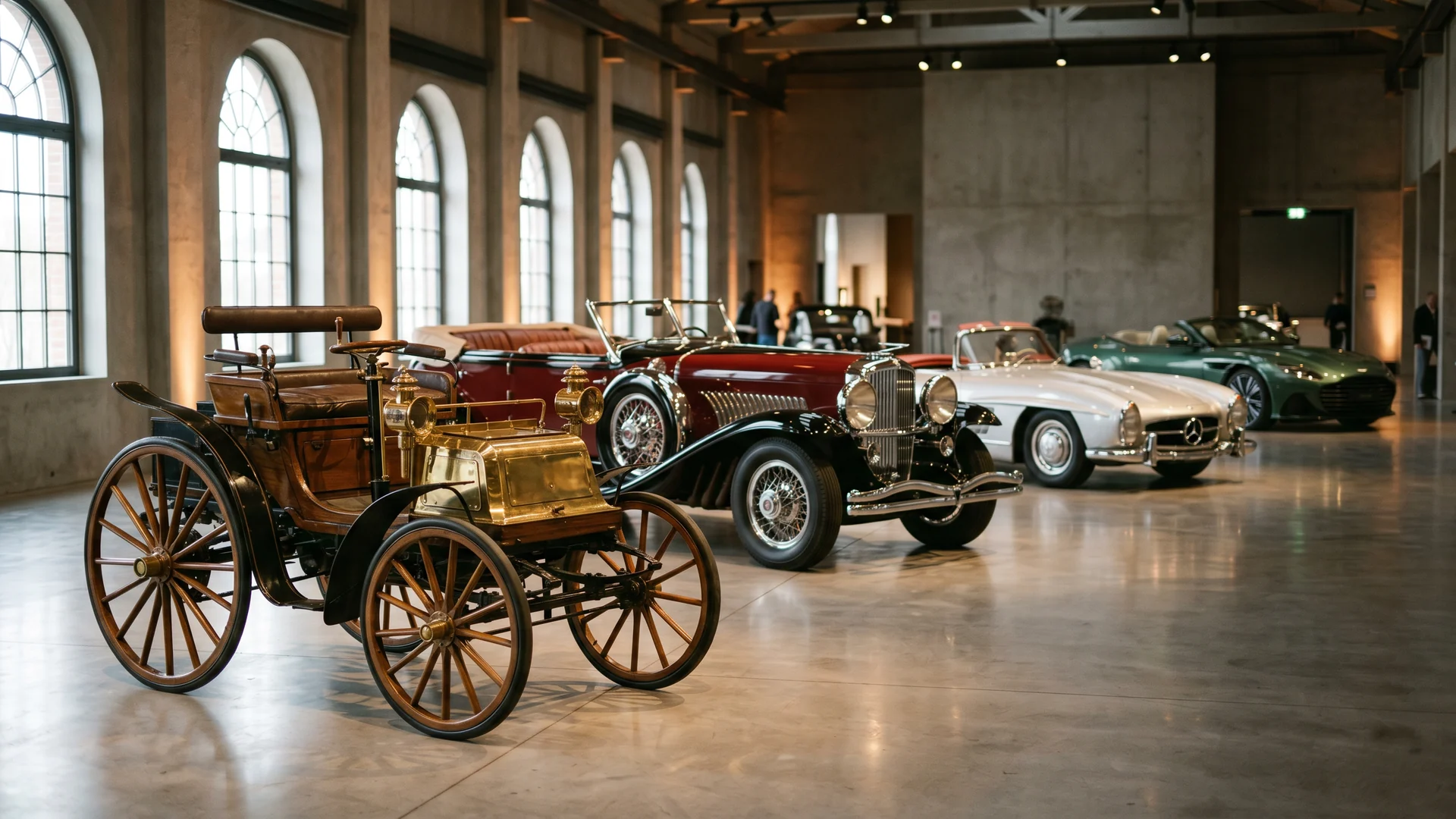
Classic Car History Timeline: From Benz to the Modern Collector Era
Classic car history timeline from the 1886 Benz Patent-Motorwagen through coachbuilding, muscle cars and supercars to modern collectibles. Discover th…