The Hidden Cost of Prestige in Luxury Oldtimer Ownership
Luxury classic automobiles represent significant investments in automotive heritage, combining historical value with mechanical craftsmanship from previous decades. These vehicles …
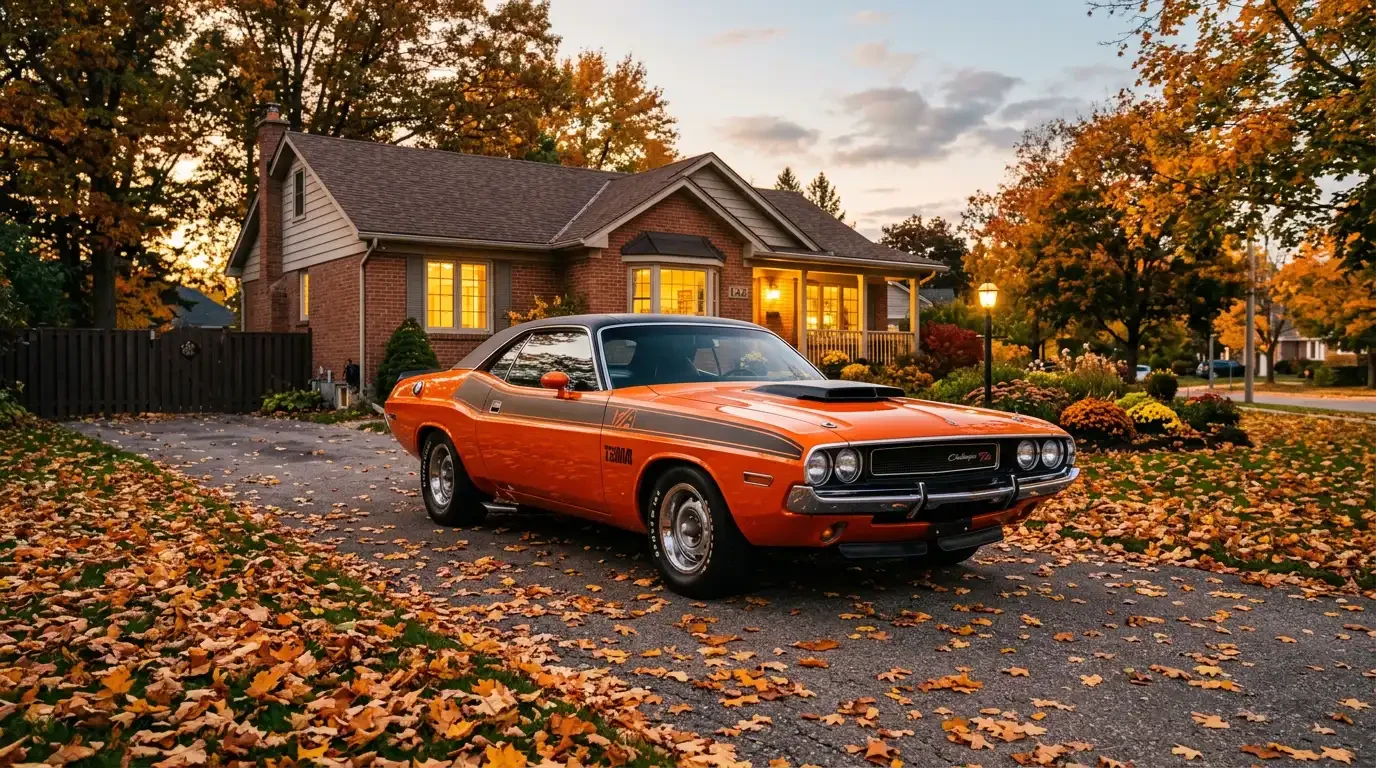
Luxury classic automobiles represent significant investments in automotive heritage, combining historical value with mechanical craftsmanship from previous decades. These vehicles demonstrate the engineering techniques, design philosophies, and manufacturing standards of their respective production periods. Classic cars often appreciate in value over time, making them both collectible assets and functional vehicles.
The ownership experience involves maintaining original or period-correct components, which requires specialized knowledge and access to vintage parts suppliers. Many classic automobiles feature hand-crafted elements such as leather upholstery, wood trim, and chrome detailing that reflect the manufacturing processes of their era. The mechanical systems, including carbureted engines and manual transmissions, operate differently from contemporary automotive technology.
Classic car ownership typically involves participation in collector communities, automotive shows, and restoration networks. These communities provide technical expertise, parts sourcing, and documentation necessary for proper maintenance and authentication. Market values for luxury classics are influenced by factors including rarity, condition, provenance, and historical significance.
Professional appraisals and documentation are essential for insurance and resale purposes. The preservation of classic automobiles contributes to automotive history by maintaining examples of past engineering achievements and design trends. Restoration projects often require collaboration with specialized craftspeople who possess knowledge of period-appropriate techniques and materials.
Key Takeaways
- Owning a luxury oldtimer combines passion with significant financial and emotional investment.
- Initial purchase price is just the beginning; maintenance, restoration, and insurance add substantial ongoing costs.
- Authenticity and rarity greatly influence value but require careful verification to avoid hidden mechanical issues.
- Regular upkeep and proper storage are essential to preserve the car’s condition and market value.
- Ownership impacts lifestyle and priorities, blending personal fulfillment with the responsibilities of customization and servicing.
The initial purchase price
The initial purchase price of a luxury oldtimer can vary dramatically based on several factors, including make, model, condition, and rarity. While some classic cars can be acquired for a few thousand dollars, others may command prices in the millions. This wide range reflects not only the car’s historical significance but also its desirability among collectors.
Buyers must conduct thorough research to understand market trends and identify fair pricing for their desired model. Investing in a luxury oldtimer often requires a significant financial commitment upfront.
For many collectors, the thrill of finding that perfect vintage car is worth the price tag. Additionally, as the market for classic cars continues to grow, many owners find that their investment appreciates over time, making it not just a purchase but a potential financial asset.
Maintenance and restoration costs
Owning a luxury oldtimer comes with its share of maintenance and restoration costs. Unlike modern vehicles that benefit from standardized parts and widespread service options, classic cars often require specialized care. Finding qualified mechanics who understand the intricacies of vintage engines can be challenging and may lead to higher labor costs.
Additionally, sourcing authentic parts can be both time-consuming and expensive, especially for rare models. Restoration projects can also add to the overall cost of ownership. Whether it’s a full restoration or minor cosmetic touch-ups, these projects can quickly escalate in price.
However, many enthusiasts view these expenses as part of the joy of ownership. Restoring an oldtimer allows owners to preserve its history while enhancing its performance and aesthetics. Ultimately, while maintenance and restoration costs can be significant, they are often seen as investments in preserving automotive heritage.
Rarity and authenticity
Rarity and authenticity play crucial roles in determining the value of a luxury oldtimer. Cars that were produced in limited quantities or have unique features tend to attract higher prices in the market. Collectors often seek out models with documented histories or those that have retained their original components.
The authenticity of an oldtimer not only enhances its value but also adds to its allure as a piece of automotive history. Moreover, owning a rare model can provide a sense of pride and exclusivity. Enthusiasts often relish the opportunity to showcase their unique vehicles at car shows or gatherings, where they can share their passion with like-minded individuals.
The rarity of these cars fosters a sense of community among collectors who appreciate the craftsmanship and history behind each vehicle. In this way, rarity and authenticity contribute significantly to the overall experience of owning a luxury oldtimer.
Insurance and storage expenses
Insurance and storage expenses are essential considerations for luxury oldtimer owners. Given their value and unique characteristics, insuring these vehicles often requires specialized coverage that accounts for their rarity and condition. Standard auto insurance policies may not provide adequate protection for classic cars, leading owners to seek out insurers who specialize in vintage vehicles.
This specialized coverage can come at a premium but is crucial for safeguarding one’s investment. Storage is another critical factor to consider. Luxury oldtimers require secure storage solutions to protect them from environmental damage and theft.
Many owners opt for climate-controlled garages or storage facilities designed specifically for classic cars. These options can be costly but are necessary to maintain the vehicle’s condition over time. By investing in proper insurance and storage solutions, owners can ensure that their luxury oldtimers remain in pristine condition for years to come.
Depreciation and market fluctuations
While luxury oldtimers are often seen as appreciating assets, they are not immune to depreciation and market fluctuations. The classic car market can be volatile, influenced by trends in collector interest, economic conditions, and even changes in regulations regarding emissions or safety standards. As such, potential buyers should approach their investment with caution and conduct thorough market research.
Understanding the factors that affect value is crucial for both buyers and sellers in this niche market. Certain models may experience significant appreciation due to increased demand or rarity, while others may see their values decline if they fall out of favor with collectors. By staying informed about market trends and being prepared for fluctuations, owners can make more strategic decisions regarding their luxury oldtimers.
Hidden mechanical issues
One of the most significant risks associated with purchasing a luxury oldtimer is the potential for hidden mechanical issues. Many classic cars have been restored or modified over the years, which can lead to unforeseen problems that may not be immediately apparent during an inspection. Buyers should be diligent in conducting thorough pre-purchase inspections and consider hiring experienced mechanics who specialize in vintage vehicles.
Common problems include rusted frames, worn-out suspension components, or engine issues that may not be visible at first glance. By investing in a comprehensive inspection before purchase, buyers can mitigate these risks and ensure they are making a sound investment in their luxury oldtimer.
Upkeep and regular servicing
Regular upkeep and servicing are vital for maintaining the performance and longevity of luxury oldtimers. Unlike modern vehicles that require routine maintenance based on mileage or time intervals, classic cars often need more personalized care tailored to their specific needs. Owners should establish relationships with mechanics who understand the nuances of vintage vehicles to ensure they receive proper care.
Routine servicing may include oil changes, brake inspections, tire rotations, and other essential maintenance tasks that help keep the vehicle running smoothly. Additionally, owners should be proactive about addressing any minor issues before they escalate into more significant problems. By prioritizing regular upkeep and servicing, owners can enjoy their luxury oldtimers while preserving their value over time.
Customization and personalization
Customization and personalization are integral aspects of owning a luxury oldtimer for many enthusiasts. Owners often take pride in making modifications that reflect their unique tastes and preferences while enhancing performance or aesthetics. From custom paint jobs to upgraded interiors or performance enhancements, the possibilities for personalization are virtually limitless.
However, it’s essential to approach customization thoughtfully to maintain the vehicle’s value. Certain modifications may detract from the car’s authenticity or appeal to future buyers. Owners should consider how their changes will impact resale value while still allowing for personal expression.
Ultimately, customization offers an opportunity for owners to create a one-of-a-kind vehicle that resonates with their individual style.
The emotional investment
The emotional investment in owning a luxury oldtimer cannot be overstated. For many enthusiasts, these vehicles represent more than just machines; they embody memories, dreams, and aspirations tied to automotive history. The process of restoring or maintaining an oldtimer often becomes a labor of love that fosters deep connections between owners and their cars.
This emotional bond extends beyond the vehicle itself; it encompasses the community of fellow enthusiasts who share similar passions. Car shows, club events, and online forums provide opportunities for owners to connect with others who appreciate the artistry and craftsmanship behind classic cars. This sense of belonging enhances the overall experience of ownership, making it not just about having a car but being part of something larger.
The impact on lifestyle and priorities
Owning a luxury oldtimer inevitably impacts one’s lifestyle and priorities. For many enthusiasts, these vehicles become central to their identity and social interactions. Weekend drives through scenic routes or participation in car shows become cherished activities that foster connections with friends and fellow collectors.
Additionally, owning an oldtimer often encourages individuals to prioritize preservation over consumption. Enthusiasts may find themselves investing time and resources into maintaining their vehicles rather than pursuing other material possessions. This shift in priorities can lead to a more fulfilling lifestyle centered around passion, craftsmanship, and community engagement.
In conclusion, owning a luxury oldtimer is an enriching experience filled with challenges and rewards alike. From understanding initial purchase prices to navigating maintenance costs and emotional investments, each aspect contributes to the allure of classic car ownership. For those willing to embrace this journey, the rewards extend far beyond mere transportation; they encompass history, community, and personal fulfillment that lasts a lifetime.
FAQs
What is an oldtimer in the context of luxury vehicles?
An oldtimer refers to a classic or vintage car, typically one that is at least 25 to 30 years old, and is often considered a collector’s item due to its historical significance, design, and rarity.
Why do people invest in luxury oldtimers?
People invest in luxury oldtimers for various reasons including passion for classic cars, potential financial appreciation, status symbol, and the enjoyment of owning a piece of automotive history.
What are some common hidden costs associated with owning a luxury oldtimer?
Hidden costs can include expensive maintenance and repairs, difficulty sourcing rare parts, specialized insurance premiums, storage and preservation expenses, and potential depreciation if the vehicle is not properly maintained.
How does maintenance of a luxury oldtimer differ from modern cars?
Maintenance of luxury oldtimers often requires specialized knowledge, vintage parts that may be scarce or costly, and more frequent servicing due to the age and mechanical complexity of the vehicle compared to modern cars.
Is insurance more expensive for luxury oldtimers?
Yes, insurance for luxury oldtimers can be more expensive due to their high value, rarity, and the specialized coverage needed to protect against theft, damage, and depreciation.
Can owning a luxury oldtimer be considered a good investment?
While some luxury oldtimers appreciate in value over time, investment returns are not guaranteed and depend on factors such as the car’s condition, rarity, market trends, and proper maintenance.
What should potential buyers consider before purchasing a luxury oldtimer?
Buyers should consider the total cost of ownership, including purchase price, maintenance, insurance, storage, and potential restoration costs, as well as their ability to commit time and resources to proper care.
Are there any tax implications related to owning a luxury oldtimer?
Tax implications vary by country and region but may include special registration fees, classic car tax benefits, or higher taxes based on vehicle value. It is advisable to consult local regulations.
How important is proper storage for luxury oldtimers?
Proper storage is crucial to prevent deterioration from environmental factors such as humidity, temperature fluctuations, and dust, which can significantly affect the vehicle’s condition and value.
Can luxury oldtimers be driven regularly?
While they can be driven, many owners limit use to preserve the vehicle’s condition. Regular driving may increase wear and tear, so balancing use and preservation is important.
More from Blog
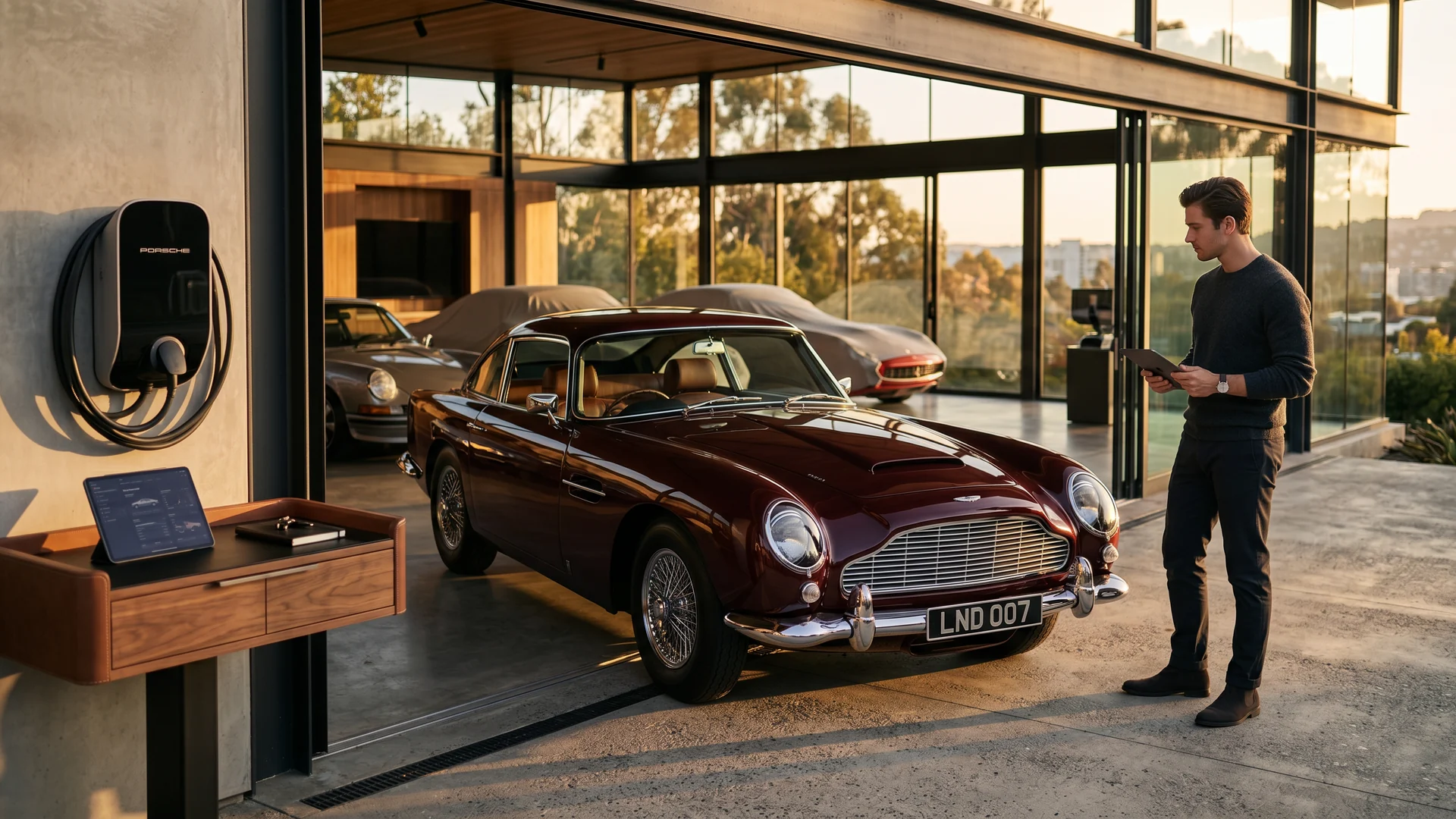
The Future of Classic Car Collecting: Trends Shaping the Next Generation
The future of classic car collecting: why 2035 ICE bans spare existing cars, plus e-fuels, shifting demographics, electromods and fractional ownership…
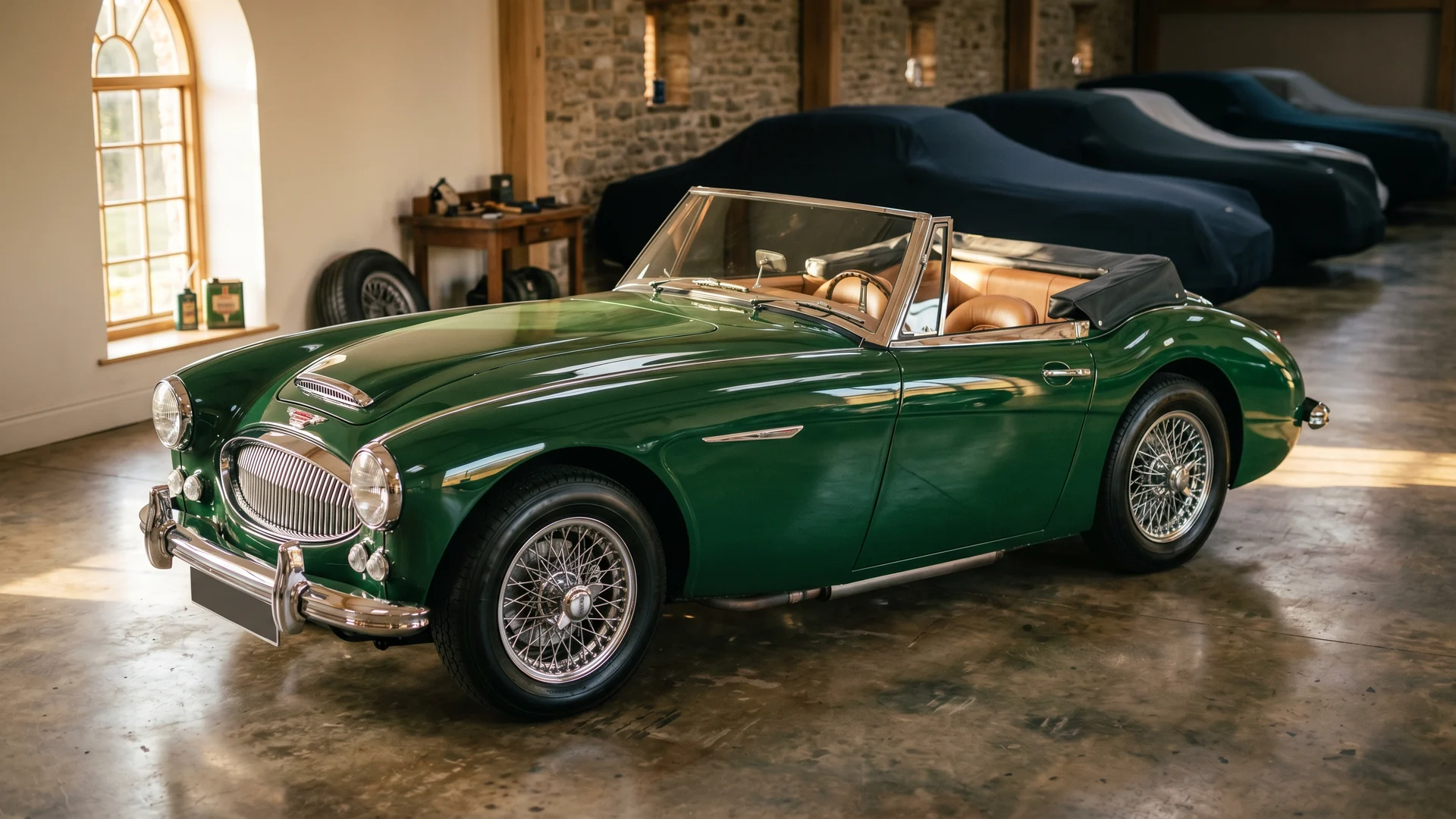
Classic Car Insurance Guide: Protecting Your Vintage Investment
Classic car insurance guide: why agreed-value policies beat stated and actual cash value, how Hagerty, Grundy and Chubb compare, plus costs and covera…
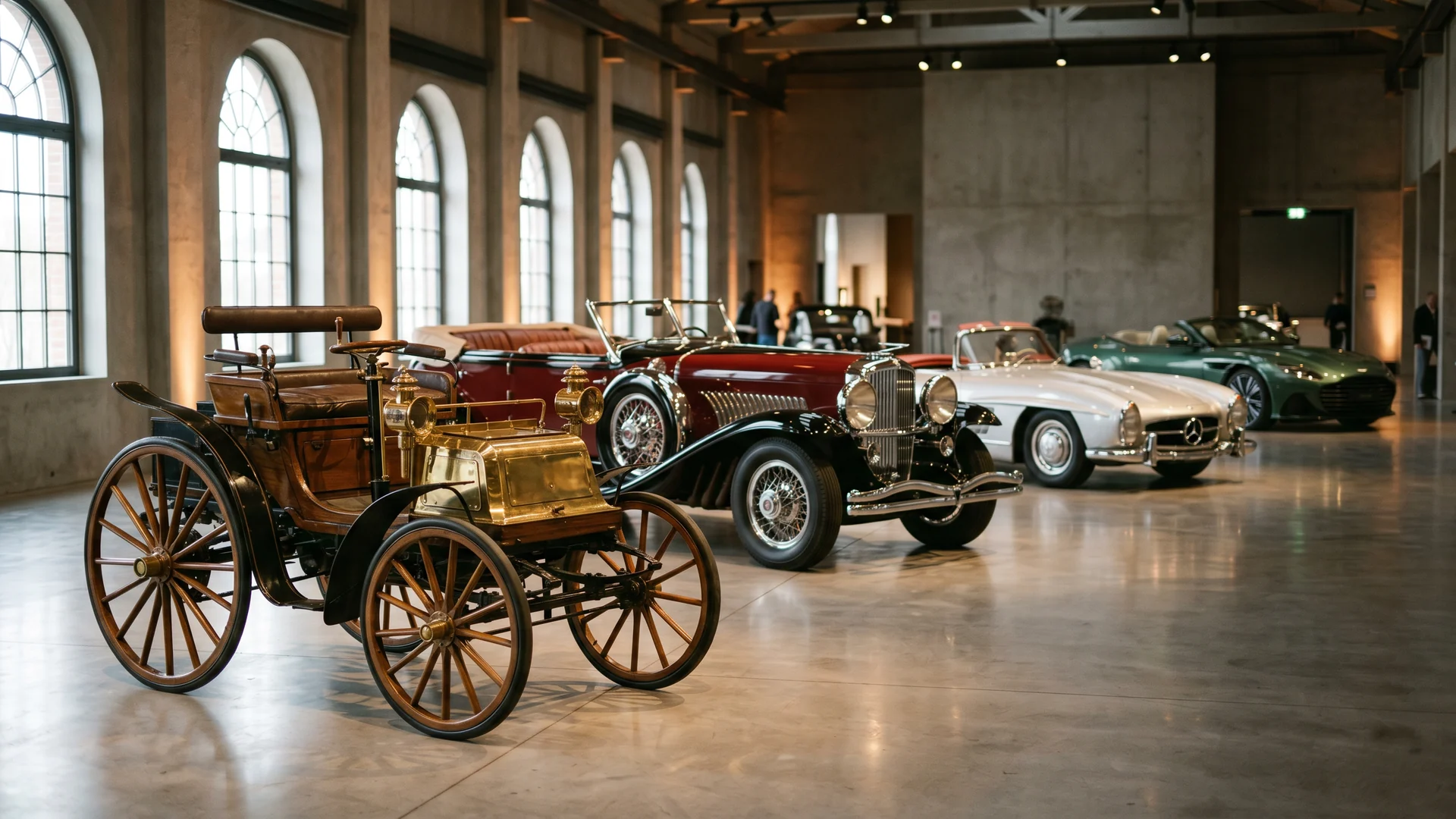
Classic Car History Timeline: From Benz to the Modern Collector Era
Classic car history timeline from the 1886 Benz Patent-Motorwagen through coachbuilding, muscle cars and supercars to modern collectibles. Discover th…