The Future of Luxury Classic Cars in an Electric World
The automotive industry is experiencing substantial changes as electric conversions of classic vehicles gain popularity among collectors and enthusiasts. This trend involves retrof…
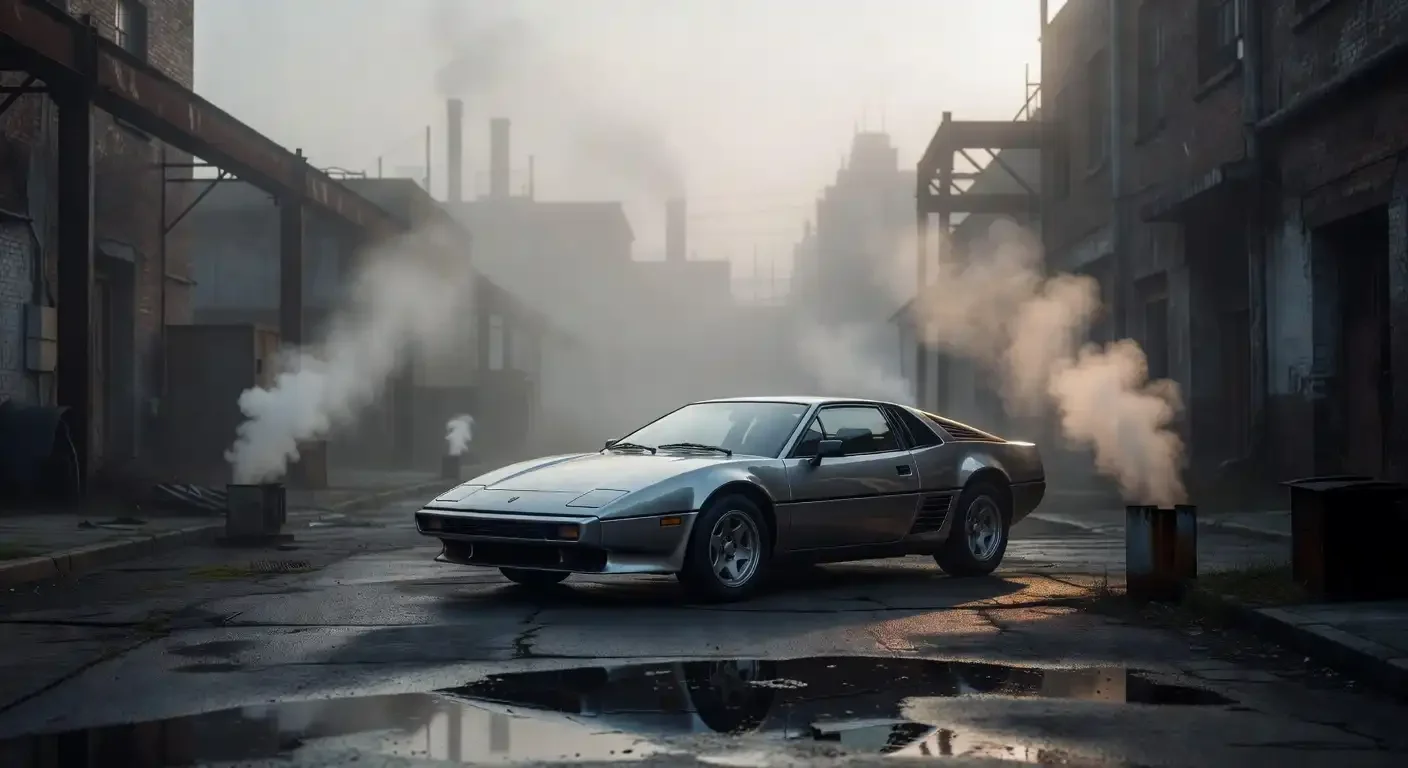
The automotive industry is experiencing substantial changes as electric conversions of classic vehicles gain popularity among collectors and enthusiasts. This trend involves retrofitting vintage automobiles with electric powertrains while maintaining their original exterior design and historical significance. The practice addresses environmental regulations and emissions standards while preserving automotive heritage.
Electric classic car conversions utilize modern lithium-ion battery systems and electric motors to replace internal combustion engines. These modifications typically retain the vehicle’s original chassis, body panels, and interior components. The conversion process allows classic cars to operate with zero direct emissions while maintaining their aesthetic appeal and cultural value.
The electric classic car market has expanded due to several factors: stricter emissions regulations in urban areas, improvements in battery energy density, reduced costs of electric components, and growing environmental awareness among car enthusiasts. Professional conversion companies now offer standardized electric powertrains specifically designed for popular classic car models, making the conversion process more accessible and reliable than previous custom solutions. This market segment attracts both traditional classic car collectors seeking to modernize their vehicles and environmentally conscious consumers interested in vintage aesthetics without fossil fuel dependence.
The trend represents a practical approach to preserving automotive history while adapting to contemporary environmental and regulatory requirements.
Key Takeaways
- Electric technology is transforming classic car restoration and customization, blending heritage with modern innovation.
- The rise of electric classic cars is influencing their market values and attracting new luxury buyers.
- Sustainable luxury is being redefined through the integration of electric power in classic vehicles.
- Preserving classic car culture faces challenges as electric infrastructure and technology evolve.
- Classic car events and shows are adapting to showcase electric classics, reflecting shifts in automotive trends.
The Impact of Electric Technology on Classic Car Values
The integration of electric technology into classic cars is significantly influencing their market values.
However, as electric conversions become more common, the criteria for valuation are evolving.
Cars that have been successfully electrified can command higher prices due to their unique blend of vintage appeal and modern efficiency. This shift is creating a new niche within the classic car market, where electric conversions are seen as valuable enhancements rather than detractors from authenticity. Moreover, the demand for electric classic cars is driving up interest in restoration projects.
Enthusiasts are now willing to invest in electric conversions, knowing that they can enhance both the performance and value of their vehicles. This trend is particularly appealing to younger buyers who may be less interested in traditional gas-powered classics but are drawn to the idea of owning a piece of automotive history that aligns with their values.
The Evolution of Classic Car Restoration in the Electric Age
Classic car restoration has evolved dramatically with the advent of electric technology. Traditional restoration focused on maintaining originality, often involving extensive work to preserve the original engine and components. However, the electric age has introduced a new paradigm where restoration can include electrification as a key component.
This evolution allows restorers to modernize classic cars while retaining their iconic designs and features. Restoration shops are now adapting their practices to accommodate electric conversions, offering specialized services that cater to this growing demand. This includes sourcing electric drivetrains, integrating advanced battery systems, and ensuring that the vehicle’s aesthetics remain intact.
As a result, classic car restoration is becoming more versatile, allowing enthusiasts to create unique vehicles that reflect both their personal style and commitment to sustainability.
The Role of Electric Classic Cars in Sustainable Luxury
Electric classic cars are redefining the concept of luxury in the automotive world. Traditionally associated with opulence and excess, luxury is now being redefined through sustainability and innovation. Electric classic cars offer a unique blend of timeless design and cutting-edge technology, appealing to consumers who value both aesthetics and environmental responsibility.
By choosing electric classic cars, owners can enjoy the prestige of driving a vintage vehicle while contributing to a more sustainable future. This shift is particularly relevant in an era where consumers are increasingly conscious of their carbon footprints. Electric classic cars represent a new form of luxury that prioritizes ethical consumption without sacrificing style or performance.
The Challenges of Preserving Classic Car Heritage in an Electric World
While the rise of electric classic cars presents exciting opportunities, it also poses challenges for preserving automotive heritage. Many purists argue that electrification compromises the authenticity of classic vehicles, diluting their historical significance. This tension between modernization and preservation is a central issue in the classic car community.
To address these concerns, enthusiasts and restorers must find a balance between maintaining the essence of classic cars and embracing new technologies. This may involve careful documentation of modifications, ensuring that the vehicle’s history is preserved even as it undergoes transformation. By fostering open dialogue within the community, stakeholders can work together to navigate the complexities of preserving classic car heritage in an increasingly electric world.
The Intersection of Classic Car Design and Electric Power
The intersection of classic car design and electric power is an exciting frontier for automotive innovation. Designers are exploring how to integrate electric drivetrains into vintage aesthetics without compromising the iconic features that define these vehicles. This creative challenge has led to unique solutions that enhance both performance and visual appeal.
For instance, some designers are reimagining classic dashboards to accommodate modern technology while retaining vintage charm. Others are experimenting with lightweight materials to improve efficiency without altering the car’s silhouette. This fusion of design and technology not only enhances the driving experience but also showcases the potential for creativity in the electric age.
The Future of Classic Car Events and Shows in the Electric Era
As electric classic cars gain popularity, classic car events and shows are evolving to reflect this shift. Organizers are increasingly featuring electric conversions alongside traditional classics, creating a more inclusive environment for all enthusiasts. This evolution allows attendees to appreciate the diversity within the classic car community while highlighting the innovative spirit driving the industry forward.
Electric classic car showcases provide a platform for owners to share their stories and experiences with electrification. These events foster connections among enthusiasts who share a passion for both vintage vehicles and sustainable technology. As more people embrace electric classics, we can expect to see an increase in dedicated events celebrating this unique intersection of history and innovation.
The Influence of Electric Classic Cars on the Luxury Market
Electric classic cars are making waves in the luxury market, attracting high-end consumers who seek exclusivity and sustainability. As luxury brands recognize this trend, they are beginning to explore collaborations with electric conversion specialists to create bespoke vehicles that cater to discerning clients. This shift is reshaping perceptions of luxury, moving away from traditional notions of excess towards a more refined understanding that values craftsmanship and environmental responsibility.
The influence of electric classic cars extends beyond individual ownership; it is also impacting brand strategies within the luxury automotive sector. Companies are increasingly investing in research and development for electric technologies, recognizing that sustainability is not just a trend but a fundamental aspect of future luxury offerings.
The Innovation of Electric Classic Car Customization
Customization has always been a hallmark of classic car culture, and the rise of electric vehicles is opening new avenues for personalization. Owners can now tailor their electric classic cars with advanced features such as regenerative braking systems, smart infotainment options, and enhanced battery management systems. This level of customization allows enthusiasts to create vehicles that reflect their unique preferences while benefiting from modern technology.
Moreover, customization options extend beyond performance enhancements; they also encompass aesthetic choices that honor the vehicle’s heritage. Owners can select finishes, interior materials, and design elements that pay homage to the original model while incorporating contemporary touches. This blend of old and new creates a truly one-of-a-kind driving experience.
The Importance of Electric Infrastructure for Classic Car Owners
As electric classic cars become more prevalent, the importance of robust charging infrastructure cannot be overstated. Classic car owners need access to reliable charging stations to ensure they can enjoy their vehicles without range anxiety. This necessity is prompting cities and communities to invest in expanding charging networks, making it easier for electric vehicle owners to find convenient charging options.
Additionally, home charging solutions are becoming increasingly popular among classic car enthusiasts who want to ensure their vehicles are always ready for a drive. By investing in home charging stations, owners can enjoy peace of mind knowing they have reliable access to power whenever needed.
The Preservation of Classic Car Culture in a Changing Automotive Landscape
The rise of electric classic cars presents both challenges and opportunities for preserving classic car culture. While some purists may resist change, many enthusiasts recognize that embracing electrification can help keep this culture alive in an evolving automotive landscape. By adapting to new technologies while honoring tradition, the classic car community can continue to thrive.
Engaging younger generations through education and outreach is essential for preserving this culture. By showcasing the benefits of electric classic cars and promoting events that celebrate both history and innovation, enthusiasts can inspire future generations to appreciate the artistry and craftsmanship behind these vehicles. In conclusion, as we navigate this exciting era where electric technology meets classic car heritage, it is crucial for enthusiasts, restorers, and manufacturers alike to embrace change while honoring tradition.
The future holds immense potential for innovation within this space, ensuring that classic cars remain relevant and cherished for years to come.
FAQs
What defines a luxury classic car?
A luxury classic car is typically a high-end, vintage automobile known for its superior craftsmanship, design, and performance. These vehicles often have historical significance and are highly sought after by collectors and enthusiasts.
How is the rise of electric vehicles impacting luxury classic cars?
The rise of electric vehicles (EVs) is influencing the luxury classic car market by encouraging the integration of electric drivetrains into classic models, promoting sustainability while preserving the aesthetic and heritage of these cars.
Are electric conversions available for classic luxury cars?
Yes, there are companies and specialists that offer electric conversion services for classic luxury cars, replacing traditional internal combustion engines with electric motors and batteries to create eco-friendly versions of these vehicles.
Will electric classic cars retain their value?
Electric conversions of classic cars can retain or even increase value if done professionally and with high-quality components, as they combine classic aesthetics with modern technology. However, purists may prefer original combustion engines, which can affect market demand.
What challenges exist in electrifying luxury classic cars?
Challenges include maintaining the original design and driving experience, ensuring battery placement does not compromise weight distribution, and preserving the car’s authenticity while upgrading its powertrain.
How does electrification affect the driving experience of classic cars?
Electrification can enhance the driving experience by providing instant torque, smoother acceleration, and quieter operation, but it may alter the traditional sound and feel that enthusiasts associate with classic cars.
Are manufacturers producing new luxury classic-style electric cars?
Some manufacturers are designing new electric vehicles that pay homage to classic luxury car designs, blending retro aesthetics with modern electric technology to appeal to both classic car lovers and EV enthusiasts.
What is the environmental impact of converting classic cars to electric?
Converting classic cars to electric reduces tailpipe emissions and can lower the overall environmental footprint, especially if the electricity used is sourced from renewable energy.
Can electric luxury classic cars be used for daily driving?
Yes, electric conversions can make classic cars more practical for daily use by improving reliability, reducing maintenance, and offering better performance in urban environments.
Where can I find more information about electric conversions for classic cars?
Information can be found through specialized automotive workshops, classic car clubs, EV conversion companies, and online forums dedicated to classic car restoration and electrification.
More from Blog
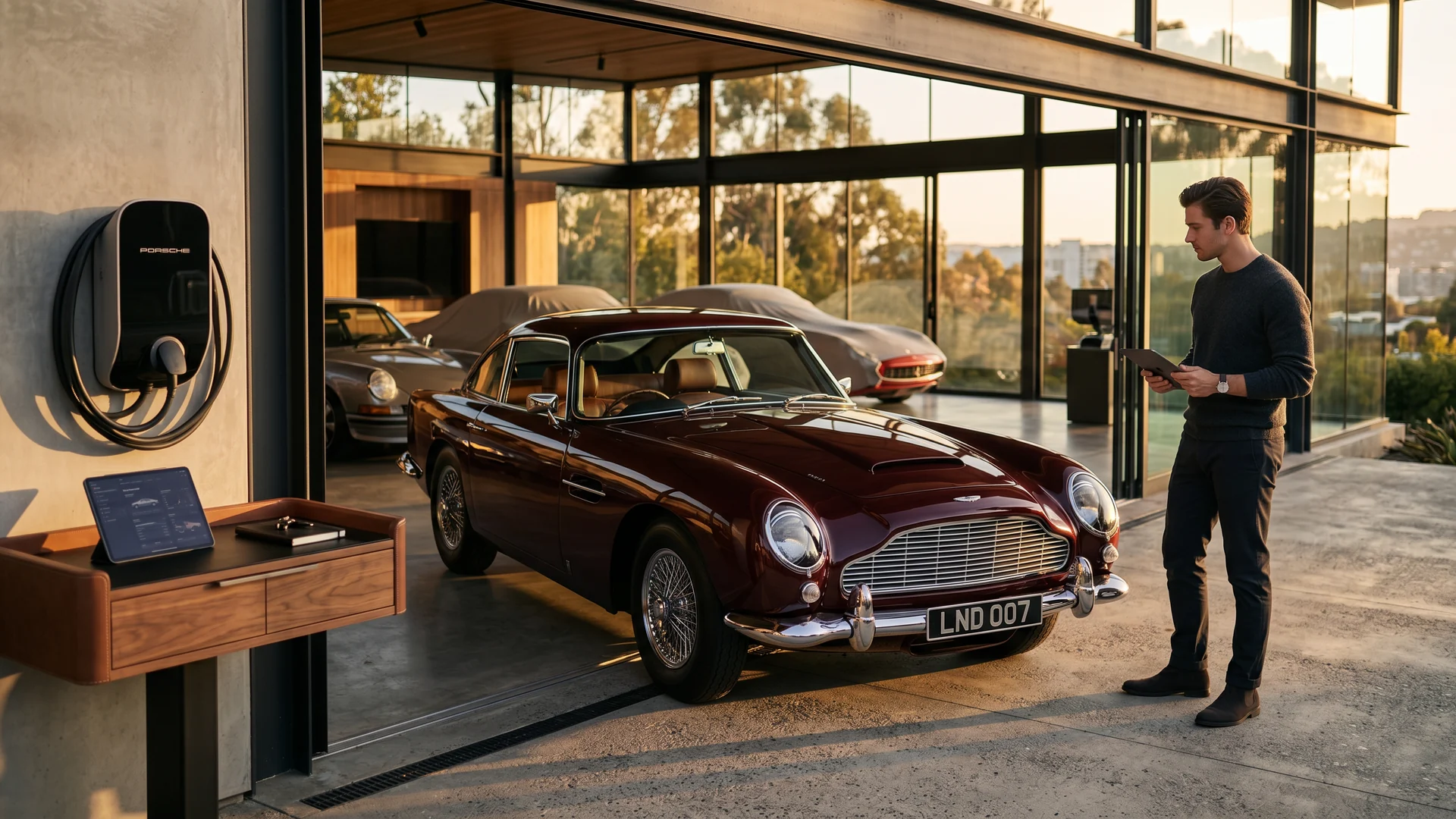
The Future of Classic Car Collecting: Trends Shaping the Next Generation
The future of classic car collecting: why 2035 ICE bans spare existing cars, plus e-fuels, shifting demographics, electromods and fractional ownership…
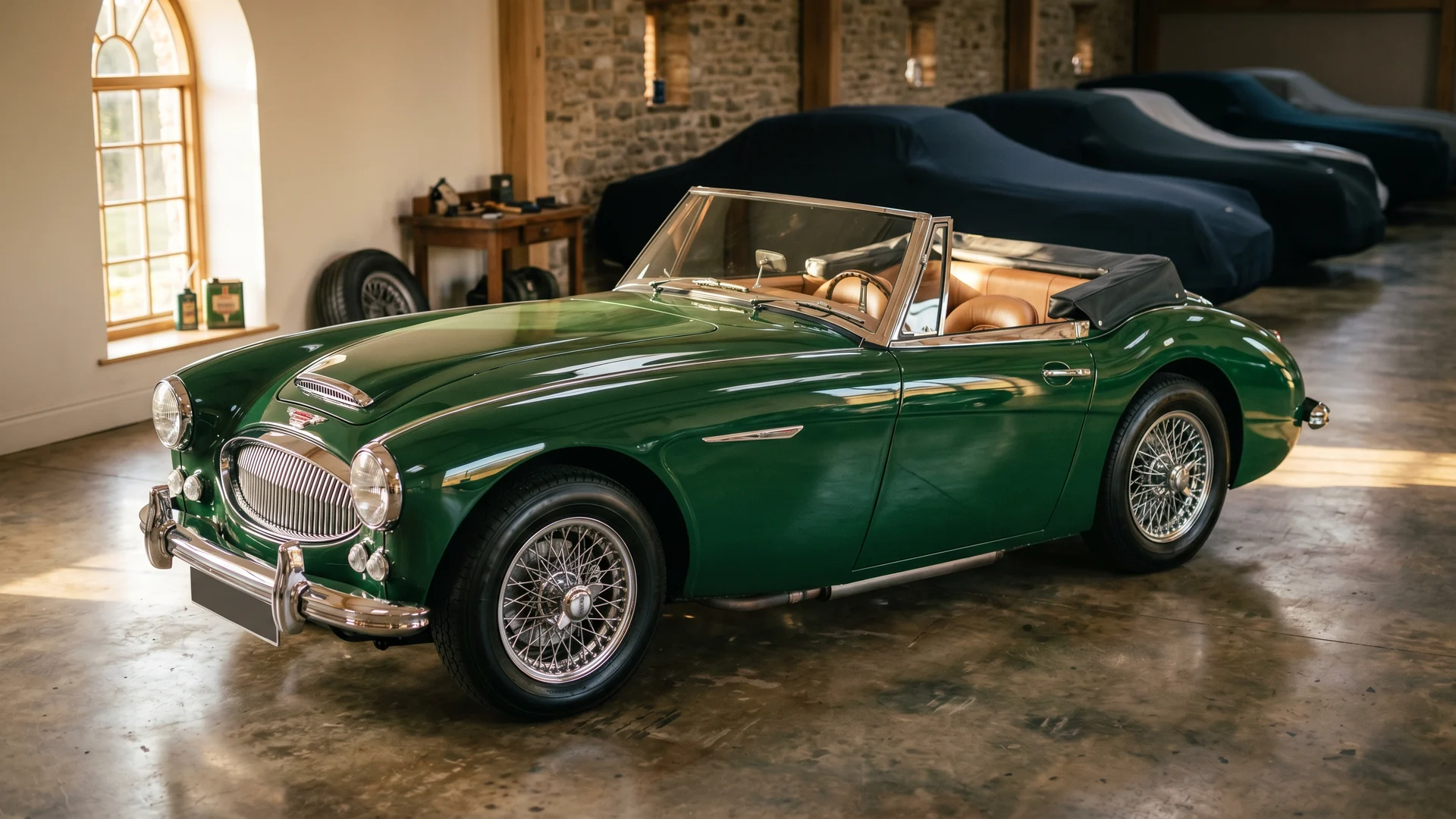
Classic Car Insurance Guide: Protecting Your Vintage Investment
Classic car insurance guide: why agreed-value policies beat stated and actual cash value, how Hagerty, Grundy and Chubb compare, plus costs and covera…
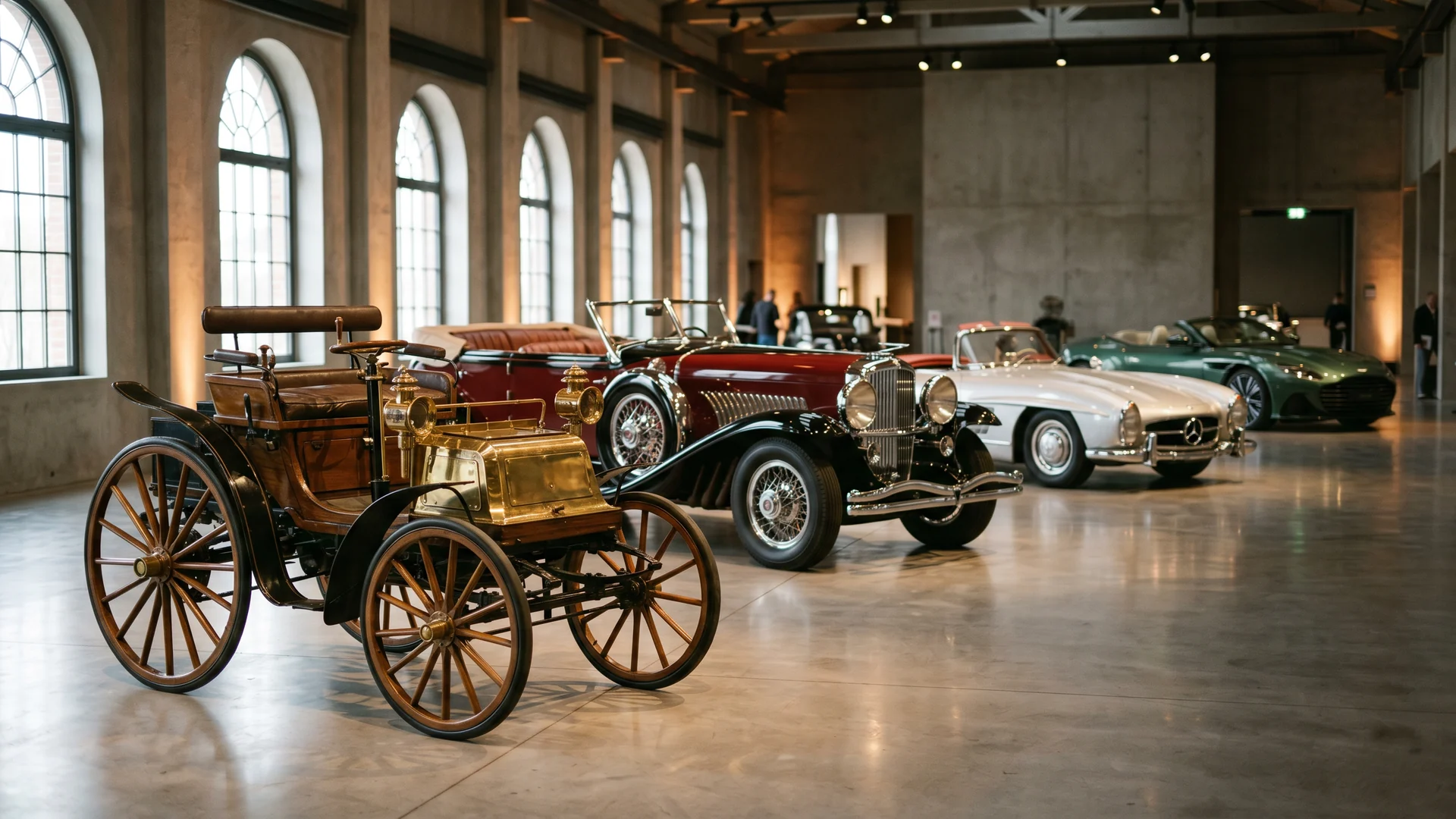
Classic Car History Timeline: From Benz to the Modern Collector Era
Classic car history timeline from the 1886 Benz Patent-Motorwagen through coachbuilding, muscle cars and supercars to modern collectibles. Discover th…