The Fear That Drives Ultra-Wealthy Classic Car Buyers
Exclusivity consistently attracts people from diverse backgrounds. The possession of rare or limited-access items creates a sense of elite membership. This attraction extends beyon…

Exclusivity consistently attracts people from diverse backgrounds. The possession of rare or limited-access items creates a sense of elite membership. This attraction extends beyond mere ownership to encompass personal identity and social signaling.
When individuals acquire exclusive items such as luxury products, limited-edition artwork, or rare collectibles, they are effectively investing in a distinctive lifestyle that differentiates them from the general population. Additionally, exclusive items typically carry higher perceived value.
This combination of social prestige and possible economic benefit makes exclusivity particularly compelling. In a competitive social environment, exclusivity serves as a significant motivating factor for those seeking to enhance their social standing.
Key Takeaways
- Exclusivity and status drive consumer desire for luxury and rare investments.
- Fear of missing out motivates quick decisions on unique opportunities.
- Economic instability and inflation increase anxiety over traditional investment depreciation.
- Concerns about maintaining social status and legacy influence purchasing behavior.
- Worries about future affordability and wealth transfer shape luxury market dynamics.
The desire for status and prestige
The desire for status and prestige is deeply ingrained in human nature. From ancient civilizations to modern society, individuals have sought recognition and respect from their peers. This quest often manifests in the acquisition of luxury items, high-end experiences, and exclusive memberships.
The status associated with these possessions can significantly enhance one’s social standing, leading to greater opportunities in both personal and professional realms. In today’s digital age, where social media amplifies visibility, the desire for status has intensified. People curate their lives online, showcasing their achievements and possessions to garner admiration.
This constant comparison can create pressure to maintain a certain image, driving individuals to invest in luxury brands and exclusive experiences. Ultimately, the pursuit of status and prestige is not just about material wealth; it’s about the validation and recognition that come with it.
The fear of missing out on a rare opportunity
The fear of missing out (FOMO) is a powerful psychological phenomenon that can drive individuals to make impulsive decisions. When it comes to exclusive opportunities, be it a limited-edition product launch or an invitation-only event, the urgency to act can be overwhelming. This fear is rooted in the belief that such opportunities may never arise again, leading to anxiety and regret if one does not seize the moment.
FOMO can be particularly pronounced in the luxury market, where exclusivity is a key selling point. Brands often create a sense of urgency through limited releases or time-sensitive offers, compelling consumers to act quickly. This tactic not only boosts sales but also reinforces the perception of value associated with exclusivity.
As individuals navigate a world filled with choices, the fear of missing out can become a significant motivator, pushing them toward decisions they might otherwise reconsider.
The fear of depreciation in traditional investments
In an ever-changing economic landscape, the fear of depreciation looms large over traditional investments such as stocks and bonds. Market volatility can lead to significant losses, leaving investors anxious about the future of their portfolios. This fear is compounded by the unpredictability of global events, economic downturns, and shifts in consumer behavior that can impact asset values.
As a result, many individuals are seeking alternative investment avenues that offer more stability and potential for appreciation. Luxury goods, art, and collectibles are increasingly viewed as viable options for preserving wealth. Unlike traditional investments that can fluctuate wildly, these tangible assets often retain their value over time, providing a sense of security for those looking to safeguard their financial future.
The fear of economic instability and inflation
Economic instability and inflation are pressing concerns for many individuals today. As prices rise and job security becomes uncertain, people are increasingly worried about their financial well-being. This fear can lead to a cautious approach toward spending and investing, as individuals seek to protect their assets from potential devaluation.
In times of economic uncertainty, luxury items and exclusive experiences may seem like risky investments.
Tangible assets often appreciate in value during inflationary periods, making them attractive options for those looking to preserve their purchasing power.
By investing in exclusive items, individuals can mitigate some of the risks associated with economic instability while still enjoying the benefits of luxury.
The fear of losing purchasing power in a volatile market
The fear of losing purchasing power is a significant concern for consumers navigating a volatile market. As inflation rises and economic conditions fluctuate, individuals worry that their savings will not stretch as far as they once did. This anxiety can lead to a shift in spending habits, with many opting for tangible assets that offer more stability.
Luxury goods and exclusive experiences are increasingly seen as safe havens for wealth preservation. Unlike cash or traditional investments that may lose value over time, these items often appreciate or retain their worth. By investing in exclusive products, individuals can safeguard their purchasing power while still indulging in the finer things in life.
The fear of not being able to afford luxury items in the future
The fear of not being able to afford luxury items in the future is a common concern among consumers who value exclusivity and prestige. As economic conditions change and personal circumstances evolve, individuals may worry that they will no longer have access to the luxury goods they desire. This fear can create a sense of urgency to acquire these items now rather than later.
Moreover, the luxury market is constantly evolving, with new trends emerging regularly. Consumers may feel pressured to keep up with these trends to maintain their social status. This pressure can lead to impulsive purchases driven by fear rather than thoughtful decision-making.
Ultimately, the desire to secure luxury items today stems from a deep-seated anxiety about future financial stability.
The fear of not being able to maintain a high social status
Maintaining high social status is a priority for many individuals, particularly those who have invested heavily in luxury goods and exclusive experiences. The fear of losing this status can be paralyzing; it drives people to continually seek validation through their possessions and lifestyle choices. In an age where social media amplifies visibility, this pressure is more pronounced than ever.
Individuals may find themselves caught in a cycle of consumption, constantly acquiring new items to keep up appearances. This behavior is often fueled by the belief that social status is directly tied to material wealth. However, this mindset can lead to financial strain as individuals prioritize image over sound financial decisions.
The fear of losing social standing can create an unsustainable lifestyle that ultimately detracts from genuine fulfillment.
The fear of not being able to leave a lasting legacy
The desire to leave a lasting legacy is a powerful motivator for many individuals. People want to be remembered for their contributions and achievements, whether through philanthropy, family wealth, or cultural impact. The fear of not being able to create this legacy can drive individuals toward exclusive investments that they believe will stand the test of time.
Luxury items and rare collectibles are often viewed as vehicles for legacy-building. These tangible assets can be passed down through generations, serving as symbols of family history and values. By investing in exclusive pieces, individuals hope to create a narrative that extends beyond their lifetime, a narrative that reflects their aspirations and accomplishments.
The fear of not being able to pass on wealth to future generations
The fear of not being able to pass on wealth to future generations is a significant concern for many families. As economic conditions fluctuate and traditional investments face uncertainty, individuals worry about their ability to provide financial security for their loved ones. This anxiety can lead to strategic planning around wealth management and investment choices.
Investing in exclusive assets, such as art, real estate, or luxury goods, can serve as a means of preserving wealth for future generations. These tangible items often appreciate over time, providing a safety net for heirs. By focusing on exclusive investments, families aim to create a legacy that ensures financial stability for their descendants while also instilling values around responsible stewardship.
The fear of not being able to enjoy the finer things in life
The fear of not being able to enjoy the finer things in life is an emotional driver that influences consumer behavior significantly. Many individuals associate luxury with happiness and fulfillment; thus, the thought of losing access to these experiences can evoke anxiety. This fear often leads people to prioritize spending on luxury items as a way to secure joy and satisfaction.
Moreover, enjoying the finer things in life is often tied to social connections and shared experiences. Individuals may feel compelled to invest in exclusive events or high-end products not just for personal enjoyment but also for social validation. This desire can create pressure to maintain a lifestyle that reflects success and achievement, a lifestyle that many believe is essential for true happiness.
In conclusion, the interplay between exclusivity, status, and financial security shapes consumer behavior in profound ways. Understanding these fears can help individuals make informed decisions about their investments while also navigating the complexities of modern life with confidence and clarity.
FAQs
What motivates ultra-wealthy individuals to buy classic cars?
Ultra-wealthy individuals often purchase classic cars driven by a combination of passion for automotive history, investment potential, and the desire to own rare and prestigious vehicles. Additionally, some buyers are motivated by the fear of missing out on appreciating assets or the loss of cultural heritage.
Why are classic cars considered a good investment for the ultra-wealthy?
Classic cars can appreciate significantly over time, especially rare and well-maintained models. They are tangible assets that often increase in value due to scarcity, historical significance, and collector demand, making them attractive to ultra-wealthy buyers seeking portfolio diversification.
What fears influence the purchasing decisions of ultra-wealthy classic car buyers?
Fears such as missing out on rare opportunities, losing value in other investments, or the potential disappearance of iconic vehicles due to neglect or destruction can drive ultra-wealthy buyers to acquire classic cars. There is also concern about preserving automotive heritage for future generations.
How do ultra-wealthy buyers typically acquire classic cars?
They often acquire classic cars through high-end auctions, private sales, specialized dealerships, and sometimes directly from other collectors. These transactions can involve extensive due diligence, expert appraisals, and sometimes bidding wars due to the competitive nature of the market.
Are classic cars insured differently for ultra-wealthy buyers?
Yes, classic cars owned by ultra-wealthy individuals are usually insured with specialized policies that account for their high value, rarity, and limited use. These policies often include agreed value coverage, protection during transport, and coverage for restoration costs.
What role does provenance play in the value of classic cars?
Provenance, or the documented history of a classic car, significantly impacts its value. Cars with well-documented ownership, racing history, or celebrity association tend to command higher prices, as provenance assures authenticity and enhances desirability among collectors.
How do ultra-wealthy buyers maintain their classic car collections?
They typically employ professional restoration experts, climate-controlled storage facilities, and regular maintenance schedules to preserve the condition and value of their classic cars. Some also participate in classic car shows and events to showcase their collections.
Is the classic car market influenced by economic conditions?
Yes, the classic car market can be influenced by broader economic trends. During economic downturns, demand may soften, while in times of economic growth, interest and prices often rise. However, ultra-wealthy buyers may be less affected by short-term fluctuations due to their financial resources.
What are some risks associated with investing in classic cars?
Risks include market volatility, high maintenance and storage costs, potential for damage or theft, and the challenge of accurately assessing a car’s future value. Additionally, changes in regulations or shifts in collector preferences can impact demand.
How does the fear of loss impact the classic car market?
The fear of loss, such as missing out on rare models or the potential destruction of classic cars, can drive urgency and competition among buyers. This fear can lead to higher prices and increased activity in the market as collectors seek to secure prized vehicles before they become unavailable.
More from Blog
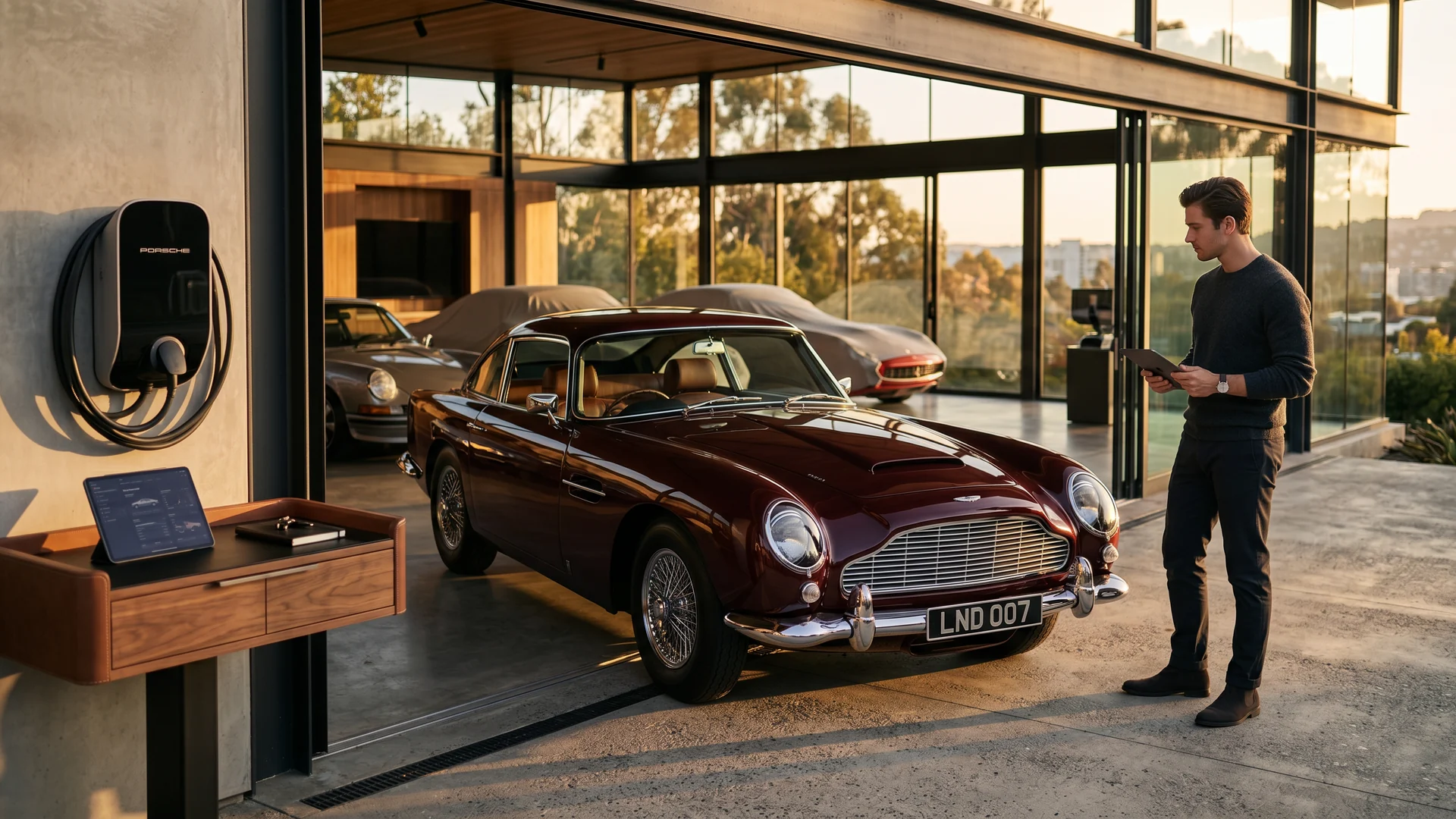
The Future of Classic Car Collecting: Trends Shaping the Next Generation
The future of classic car collecting: why 2035 ICE bans spare existing cars, plus e-fuels, shifting demographics, electromods and fractional ownership…
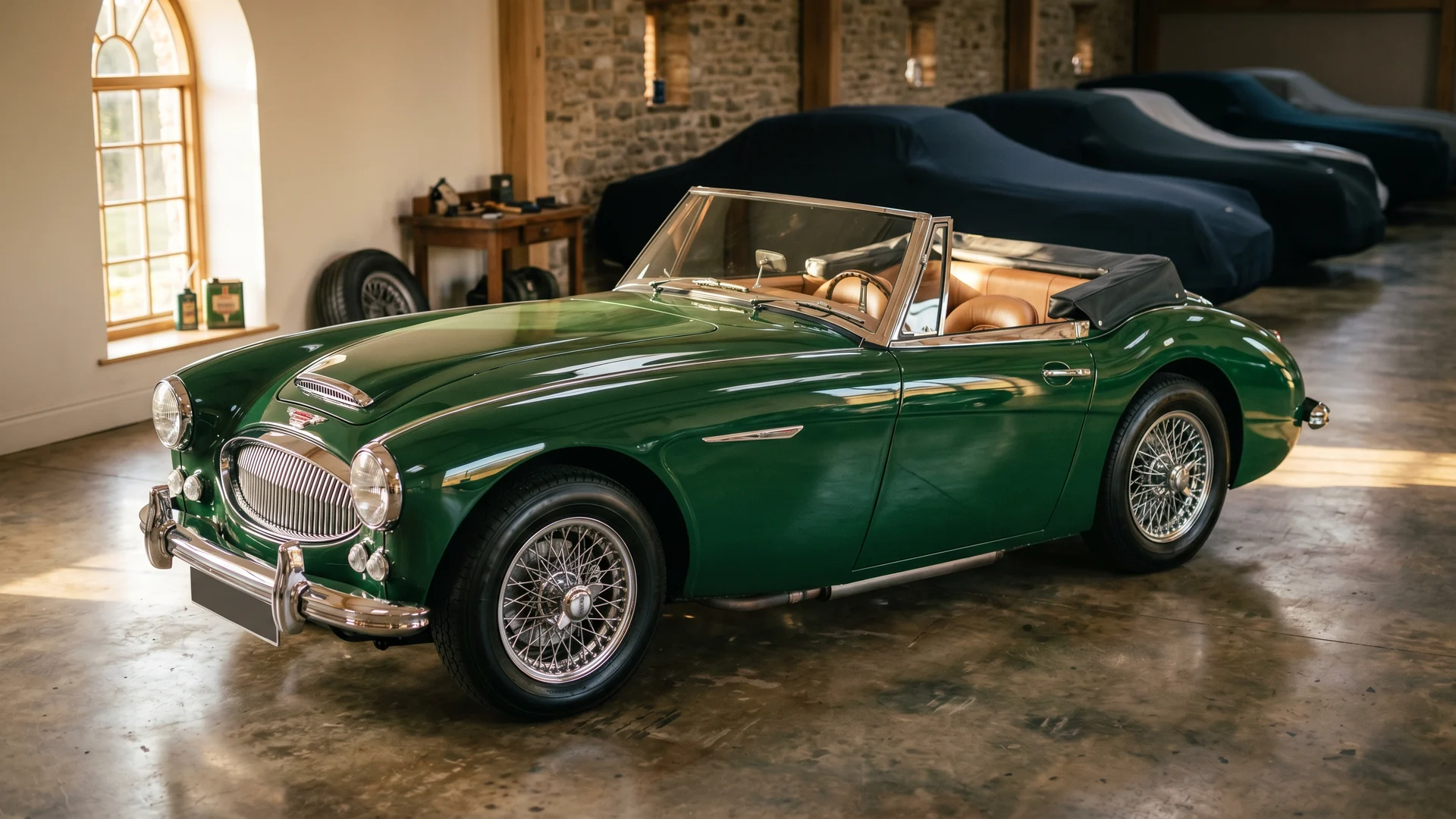
Classic Car Insurance Guide: Protecting Your Vintage Investment
Classic car insurance guide: why agreed-value policies beat stated and actual cash value, how Hagerty, Grundy and Chubb compare, plus costs and covera…
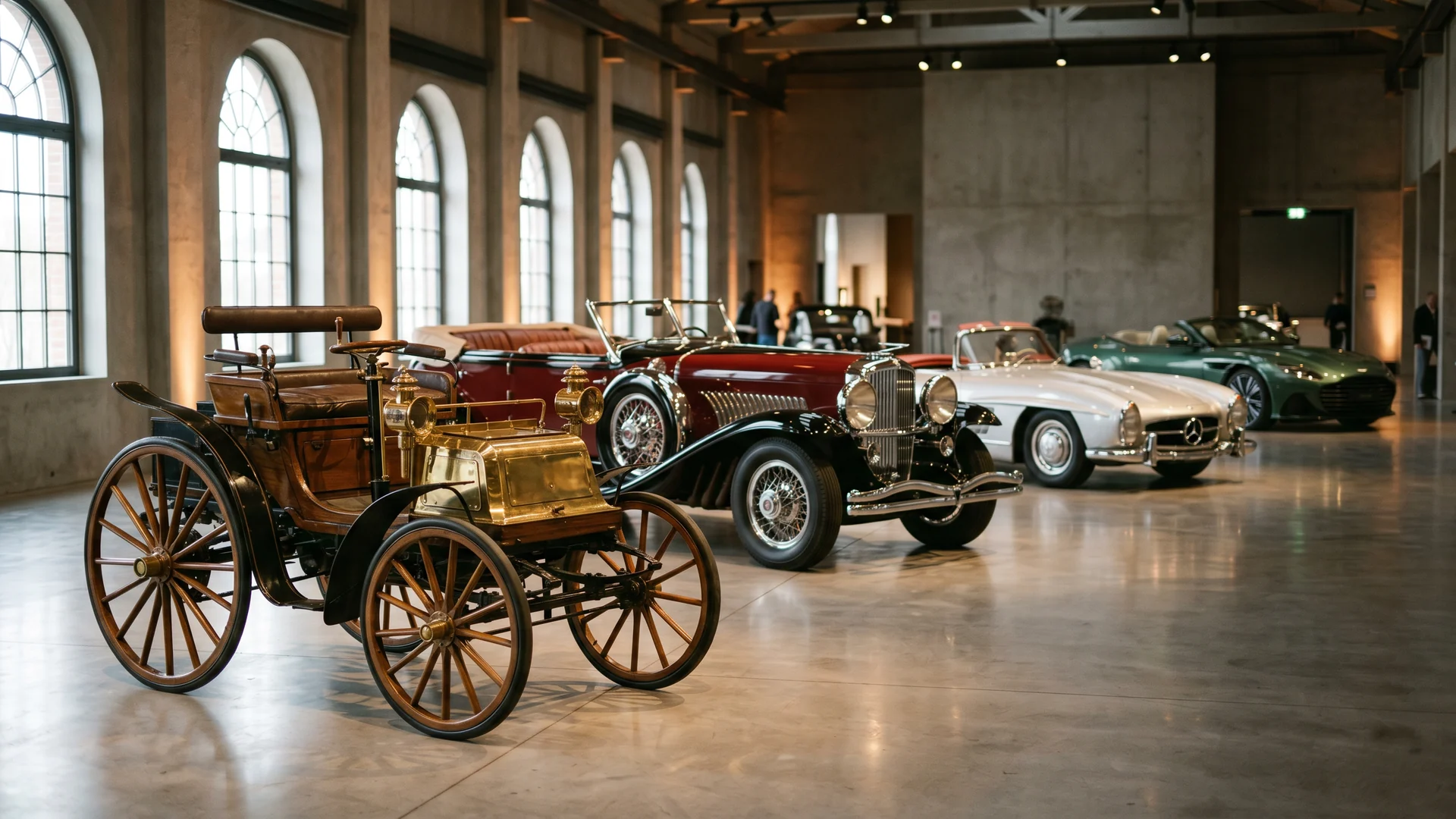
Classic Car History Timeline: From Benz to the Modern Collector Era
Classic car history timeline from the 1886 Benz Patent-Motorwagen through coachbuilding, muscle cars and supercars to modern collectibles. Discover th…