The Dark Truth About Fake Provenance in Classic Car Collecting
The classic car collecting market has experienced significant growth in fraudulent provenance documentation in recent years. As market values for classic automobiles have increased…
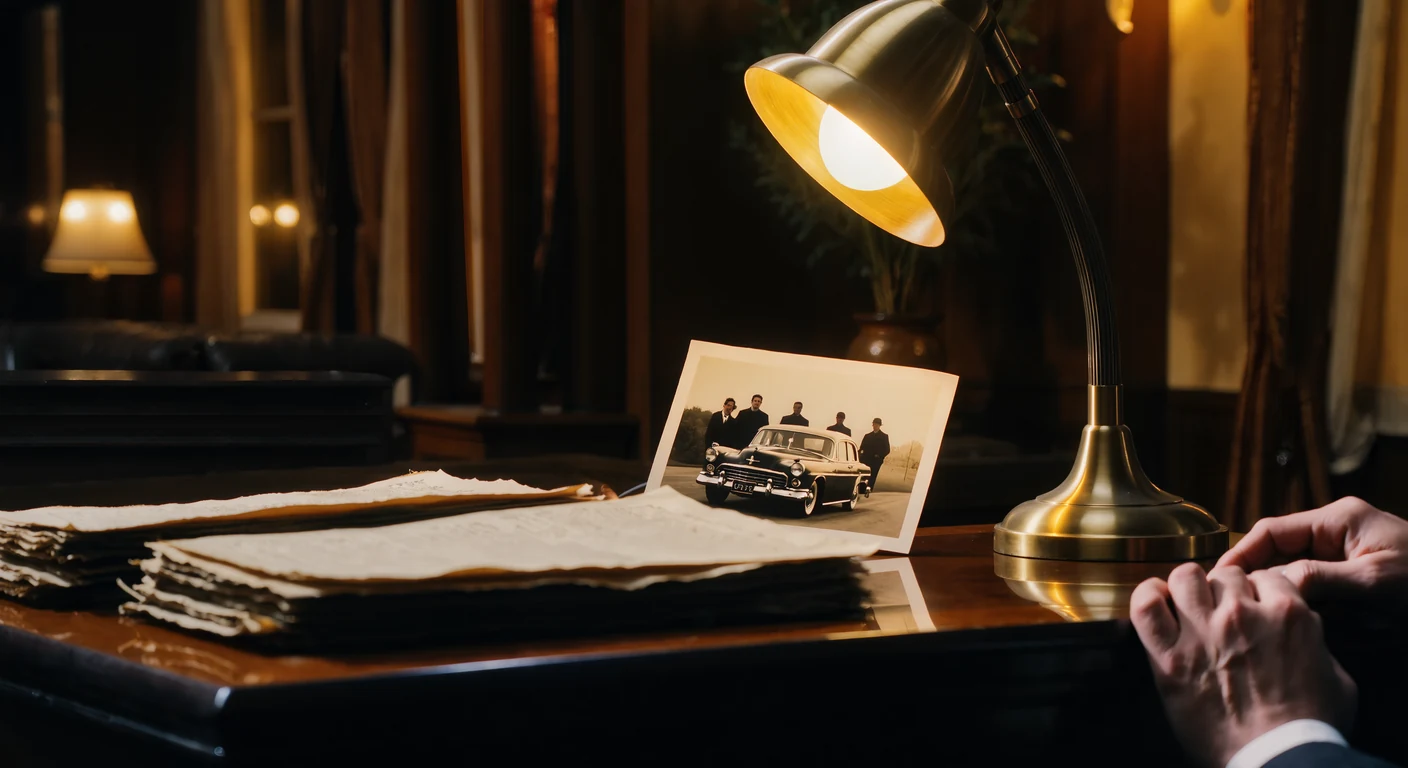
The classic car collecting market has experienced significant growth in fraudulent provenance documentation in recent years. As market values for classic automobiles have increased, incidents of falsified ownership histories and authentication documents have risen correspondingly. Provenance documentation, which establishes a vehicle’s ownership chain and authenticity, directly influences market valuation.
This has resulted in increased production of counterfeit paperwork and inaccurate historical claims regarding specific vehicles. Market participants, including collectors, investors, and enthusiasts, now face substantial challenges in verifying authentic provenance versus fabricated documentation. Classic automobile valuation depends not only on mechanical condition and aesthetic appeal but also on documented historical significance.
Each vehicle’s recorded history contributes measurably to its market value. Market expansion has coincided with increased instances of vehicles accompanied by questionable or unverifiable documentation. The prevalence of fraudulent provenance has reduced market confidence and requires buyers to conduct enhanced due diligence when evaluating potential acquisitions.
This market condition necessitates improved verification processes and increased scrutiny of documentation among purchasers seeking authentic historical vehicles.
Key Takeaways
- Fake provenance is increasingly common, undermining trust in classic car collecting.
- Provenance significantly boosts a classic car’s value and collector appeal.
- Sophisticated methods are used to fabricate provenance, complicating authentication.
- Technology and due diligence are crucial tools in detecting and preventing fake provenance.
- Legal, ethical, and market consequences arise from investing in cars with falsified histories.
The Allure of Provenance in Classic Car Collecting
Provenance plays a pivotal role in classic car collecting, serving as a badge of authenticity that enhances a vehicle’s desirability. A well-documented history can significantly increase a car’s market value, making it more appealing to collectors and investors. The allure of provenance lies in its ability to connect buyers with the rich narratives behind each vehicle.
From famous previous owners to significant historical events, these stories add layers of meaning that resonate with enthusiasts. Moreover, provenance provides reassurance to buyers regarding the authenticity and condition of a classic car. A vehicle with verified documentation is often seen as a safer investment, reducing the risk of purchasing a lemon or a fraudulently altered car.
Collectors are drawn to the idea that they are not just acquiring a piece of machinery but rather a tangible link to automotive history.
The Impact of Fake Provenance on the Classic Car Market
The proliferation of fake provenance has far-reaching consequences for the classic car market. As counterfeit documentation becomes more sophisticated, it becomes increasingly challenging for buyers to discern genuine vehicles from those with fabricated histories. This uncertainty can lead to significant financial losses for collectors who invest in cars based on misleading information.
The market’s integrity is compromised when trust is undermined by fraudulent practices. Additionally, the presence of fake provenance can distort market values. When counterfeit cars are sold at inflated prices due to false claims, it creates an artificial bubble that can eventually burst.
Genuine vehicles may struggle to maintain their value as buyers become wary of potential scams. This situation not only affects individual collectors but also impacts the overall health of the classic car market, leading to decreased interest and participation from potential investors.
The Methods Used to Create Fake Provenance
Creating fake provenance involves various deceptive tactics that can mislead even seasoned collectors. One common method is the fabrication of documents that appear legitimate at first glance. This can include creating false titles, service records, or ownership histories that are designed to mimic authentic paperwork.
With advancements in technology, counterfeiters can produce high-quality replicas that are difficult to distinguish from genuine documents. Another method involves altering existing documentation or vehicles themselves. For instance, unscrupulous sellers may modify a car’s identification numbers or tamper with its history to make it appear more desirable.
They may also create false narratives about previous ownership or significant events associated with the vehicle. These tactics exploit the emotional connection collectors have with classic cars, making it essential for buyers to conduct thorough research before making a purchase.
The Consequences of Investing in Classic Cars with Fake Provenance
Investing in classic cars with fake provenance can lead to dire consequences for collectors and investors alike. One of the most immediate risks is financial loss. Buyers who unknowingly purchase vehicles with fabricated histories may find themselves unable to resell them at a profit or, worse, facing significant depreciation in value.
This can be particularly devastating for those who have invested substantial sums into what they believed were authentic pieces. Beyond financial implications, there are reputational risks associated with buying cars with fake provenance. Collectors pride themselves on their knowledge and expertise, and being duped by counterfeit documentation can damage their credibility within the community.
Additionally, if word spreads about a collector’s involvement with fraudulent vehicles, it can tarnish their reputation and make future transactions more challenging.
The Role of Technology in Detecting Fake Provenance
As the classic car market grapples with the issue of fake provenance, technology has emerged as a powerful ally in detection efforts. Advanced tools such as blockchain technology offer innovative solutions for verifying vehicle histories and ownership records. By creating immutable digital ledgers, blockchain can provide transparent and tamper-proof documentation that enhances trust among buyers and sellers.
Moreover, forensic analysis techniques are being employed to examine physical components of classic cars for signs of tampering or alteration. Experts can analyze paint layers, welds, and other features to determine whether a vehicle’s history aligns with its current condition. These technological advancements empower collectors to make informed decisions and reduce the risk of falling victim to counterfeit provenance.
The Legal and Ethical Implications of Fake Provenance in Classic Car Collecting
The issue of fake provenance raises significant legal and ethical questions within the classic car collecting community. From a legal standpoint, selling a vehicle with fraudulent documentation can lead to serious consequences for sellers, including potential criminal charges and civil liabilities. Buyers who discover they have been misled may pursue legal action against sellers for fraud or misrepresentation.
Ethically, the practice of creating fake provenance undermines the integrity of the classic car market. It erodes trust among collectors and diminishes the value of genuine vehicles. The ethical implications extend beyond individual transactions; they impact the entire community by fostering an environment where dishonesty can thrive.
As such, it is crucial for collectors to advocate for transparency and accountability within the industry.
The Importance of Due Diligence in Authenticating Classic Cars
Due diligence is paramount when it comes to authenticating classic cars and ensuring their provenance is legitimate. Buyers should conduct thorough research on any vehicle they consider purchasing, including reviewing documentation, service records, and previous ownership histories. Engaging with reputable experts or appraisers can provide valuable insights into a car’s authenticity and help identify potential red flags.
Additionally, joining collector clubs or forums can offer access to shared knowledge and experiences from fellow enthusiasts. These communities often provide resources for verifying provenance and identifying common scams within the industry. By taking proactive steps in due diligence, collectors can protect themselves from falling victim to fake provenance and make informed investment decisions.
The Stories of Notorious Fake Provenance Cases
The classic car world has seen its share of notorious cases involving fake provenance that serve as cautionary tales for collectors. One infamous example involved a highly sought-after Ferrari that was sold at auction with falsified documentation claiming it had once belonged to a famous racing driver. After the sale, experts uncovered discrepancies in the vehicle’s history that led to its devaluation and legal battles over ownership rights.
Another case involved a vintage Porsche that was marketed as having been restored by a renowned specialist. However, investigations revealed that much of its history had been fabricated, leading to significant financial losses for unsuspecting buyers who had invested heavily based on false claims. These stories highlight the importance of vigilance and thorough research when navigating the classic car market.
The Efforts to Combat Fake Provenance in the Classic Car Industry
In response to the growing issue of fake provenance, various stakeholders within the classic car industry are taking proactive measures to combat fraud. Organizations dedicated to preserving automotive history are advocating for standardized documentation practices that enhance transparency and accountability among sellers. These initiatives aim to create a more trustworthy environment for collectors and investors alike.
Additionally, some auction houses and dealerships are implementing rigorous vetting processes for vehicles before they are offered for sale. By collaborating with experts in authentication and utilizing advanced technology, these entities are working to ensure that only genuine vehicles with verified provenance enter the market. Such efforts not only protect buyers but also contribute to restoring trust within the classic car community.
The Future of Provenance in Classic Car Collecting
As the classic car market continues to evolve, so too will the importance of provenance in collecting. With advancements in technology and increased awareness about the risks associated with fake provenance, collectors are likely to demand greater transparency from sellers moving forward. Blockchain technology may play a pivotal role in shaping this future by providing secure and verifiable records that enhance trust among buyers.
Moreover, as educational resources become more accessible, collectors will be better equipped to navigate potential pitfalls associated with fake provenance. The emphasis on due diligence will likely grow stronger as enthusiasts recognize its critical role in protecting their investments and preserving automotive history. Ultimately, fostering a culture of authenticity will be essential for ensuring that classic car collecting remains a rewarding and trustworthy pursuit for generations to come.
FAQs
What is provenance in classic car collecting?
Provenance refers to the documented history of a classic car, including its ownership, maintenance, and any significant events or modifications. It helps establish the car’s authenticity and value.
Why is provenance important in classic car collecting?
Provenance is crucial because it verifies the car’s originality and history, which directly impacts its market value and desirability among collectors. A well-documented provenance can increase a car’s worth significantly.
What does “fake provenance” mean in the context of classic cars?
Fake provenance involves falsifying or exaggerating a car’s history, such as creating fake ownership records, forged documents, or misleading claims about the car’s origin or previous owners to inflate its value.
How common is fake provenance in the classic car market?
While exact statistics are hard to determine, fake provenance is a known issue in the classic car market. Unscrupulous sellers may use it to deceive buyers, making due diligence essential.
What are the risks of buying a classic car with fake provenance?
Purchasing a car with fake provenance can lead to financial loss, legal complications, and damage to a collector’s reputation. The car may also be worth less than expected or difficult to resell.
How can buyers verify the provenance of a classic car?
Buyers should request original documentation, consult independent experts, check historical records, and use trusted sources or registries. Professional appraisals and inspections can also help verify authenticity.
What role do experts play in preventing fake provenance?
Experts, including appraisers, historians, and restorers, can authenticate documents, inspect the car for originality, and identify inconsistencies in the car’s history, helping to prevent fraud.
Are there legal consequences for selling a classic car with fake provenance?
Yes, selling a car with fake provenance can lead to legal action for fraud or misrepresentation, including fines, penalties, and potential criminal charges depending on the jurisdiction.
What should collectors do if they suspect fake provenance?
Collectors should seek professional advice, avoid making a purchase until verification is complete, and report suspicious activity to relevant authorities or classic car organizations.
Can fake provenance affect insurance for classic cars?
Yes, insurance companies may refuse coverage or invalidate policies if a car’s provenance is found to be fraudulent, as it affects the car’s declared value and risk assessment.
More from Blog
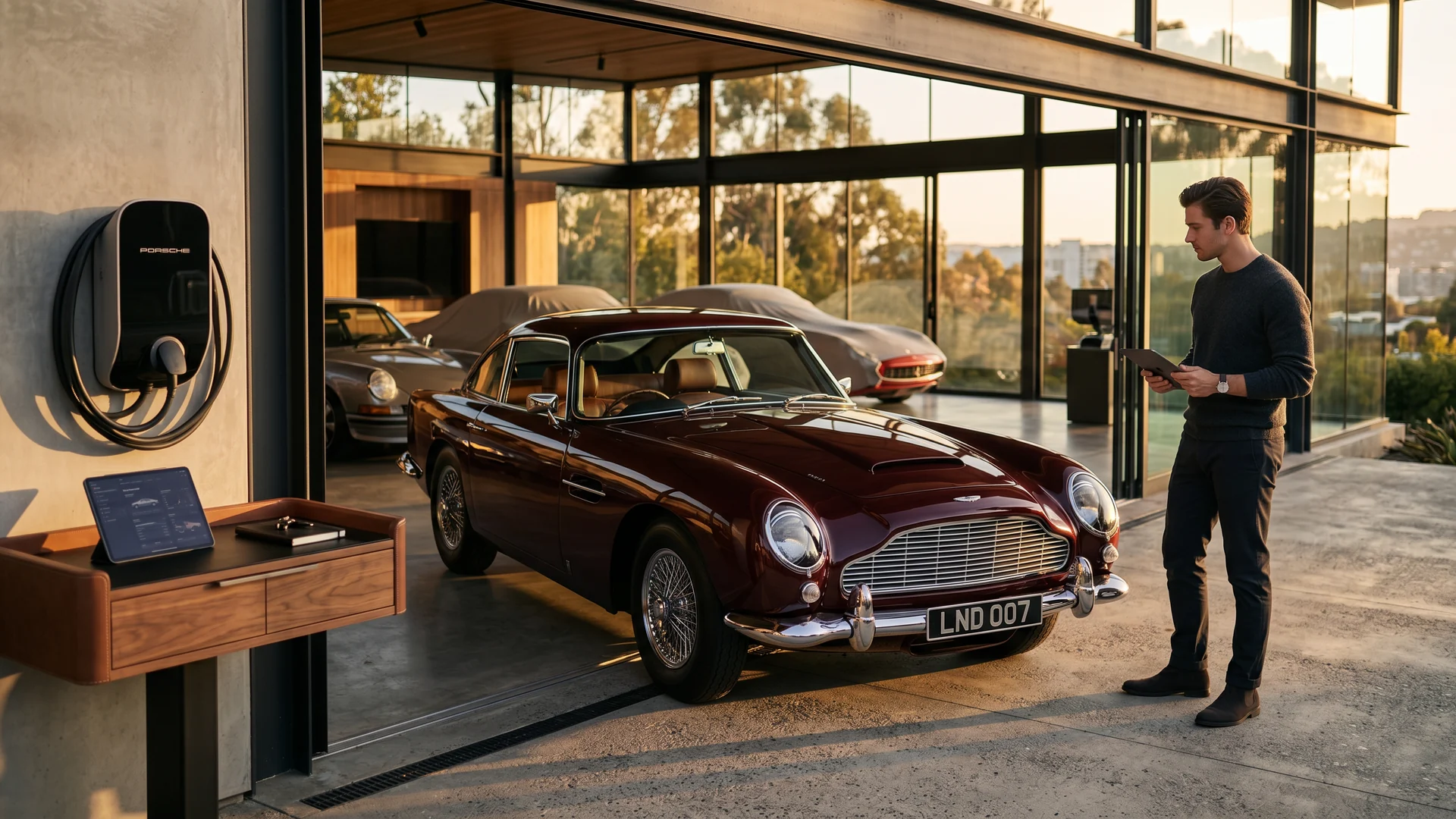
The Future of Classic Car Collecting: Trends Shaping the Next Generation
The future of classic car collecting: why 2035 ICE bans spare existing cars, plus e-fuels, shifting demographics, electromods and fractional ownership…
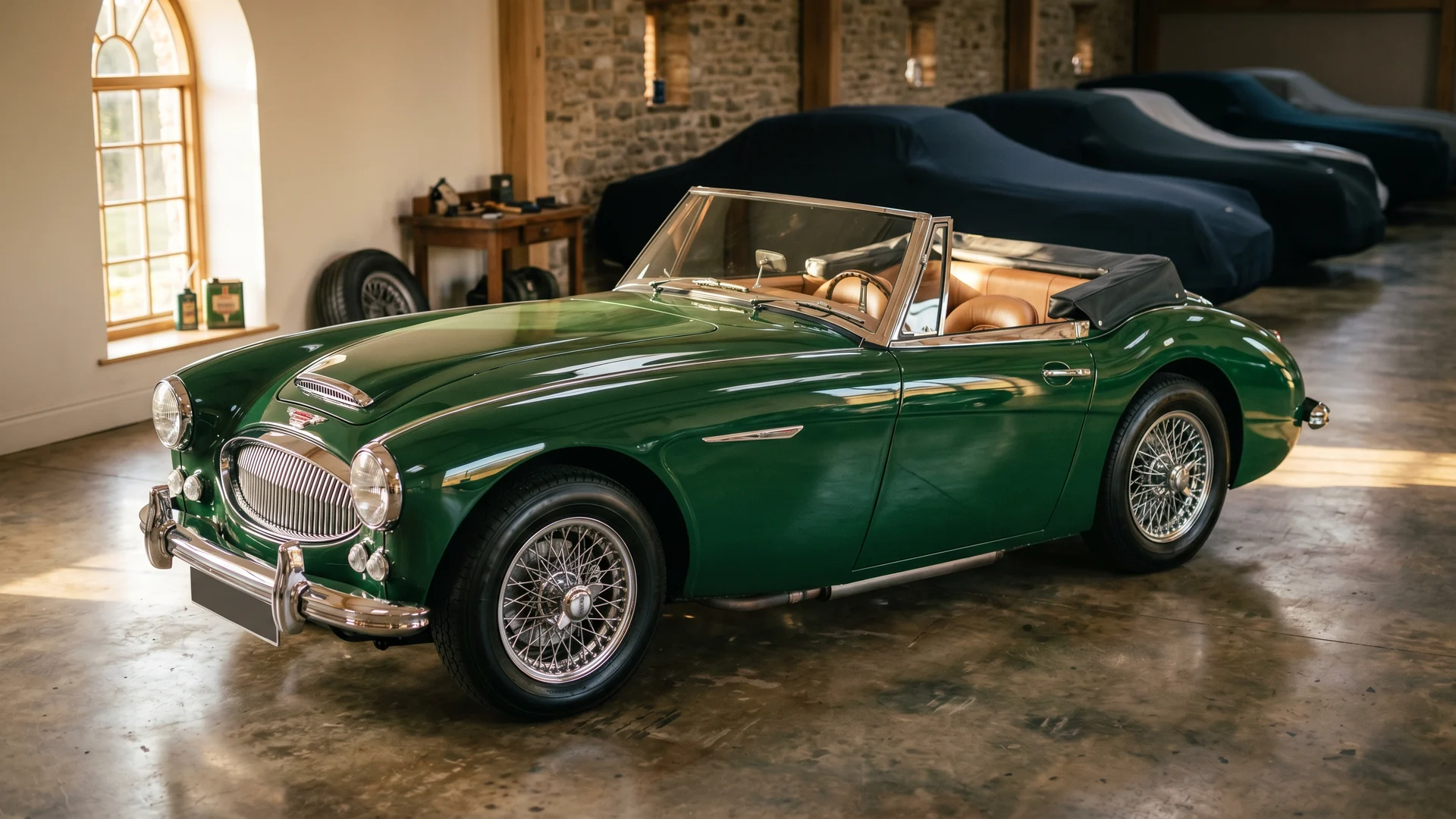
Classic Car Insurance Guide: Protecting Your Vintage Investment
Classic car insurance guide: why agreed-value policies beat stated and actual cash value, how Hagerty, Grundy and Chubb compare, plus costs and covera…
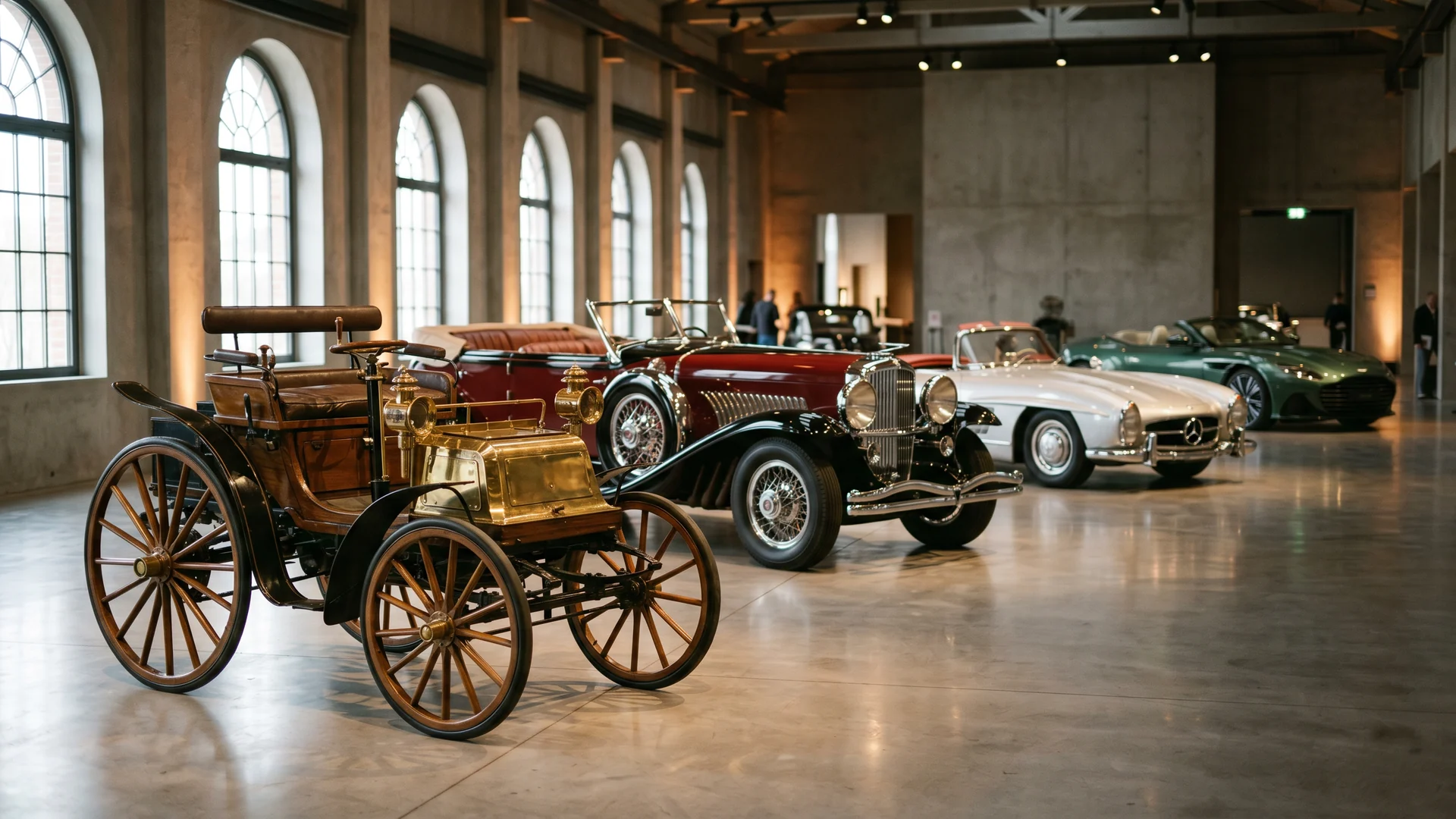
Classic Car History Timeline: From Benz to the Modern Collector Era
Classic car history timeline from the 1886 Benz Patent-Motorwagen through coachbuilding, muscle cars and supercars to modern collectibles. Discover th…