The Dark Economics of Classic Car Flipping
Classic cars attract enthusiasts and collectors due to their distinctive design elements, historical significance, and cultural associations with past decades. These vehicles featu…
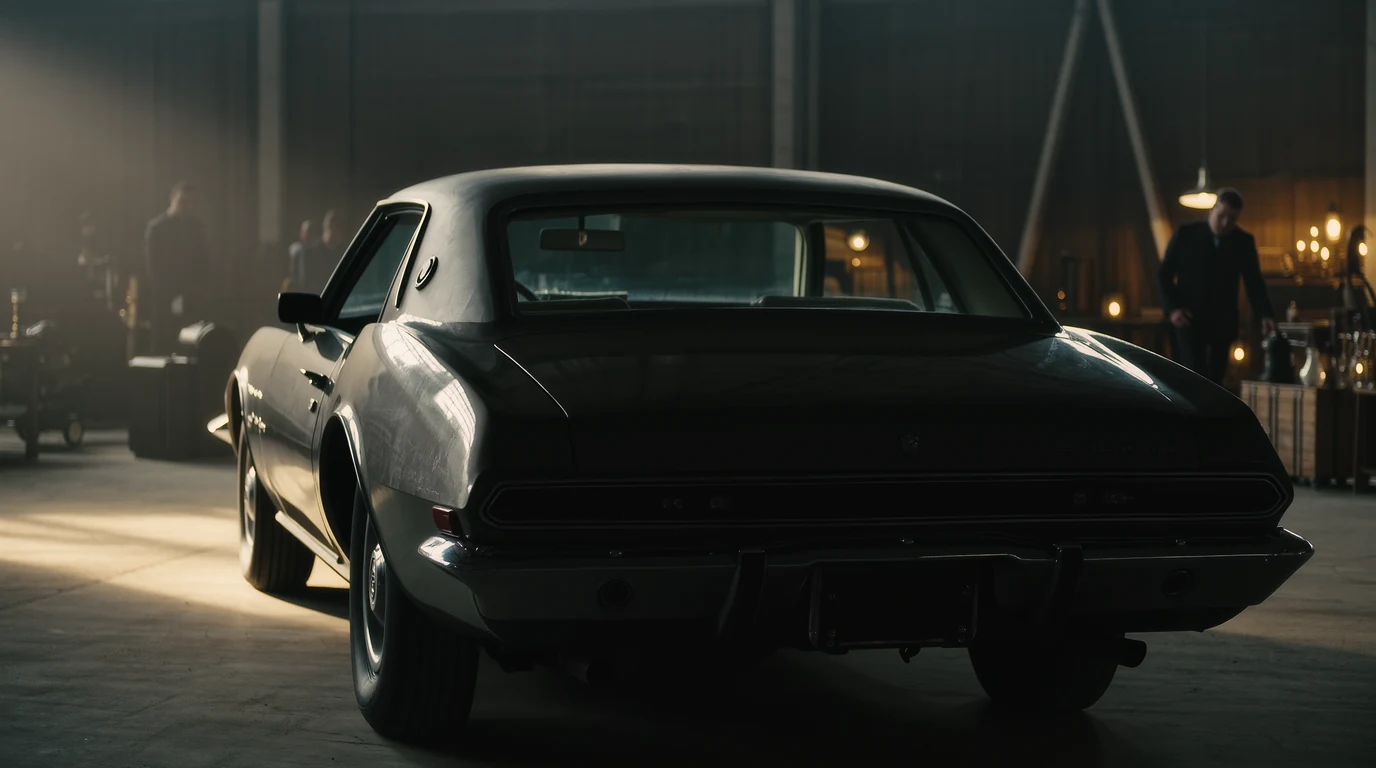
Classic cars attract enthusiasts and collectors due to their distinctive design elements, historical significance, and cultural associations with past decades. These vehicles feature design characteristics and engineering approaches that differ from contemporary automotive manufacturing standards. Examples include the Ford Mustang from the 1960s and vintage Jaguar models, which demonstrate the aesthetic and technical approaches of their respective production periods.
Classic car ownership involves both recreational and financial considerations, as these vehicles can appreciate in value over time. Many owners engage in restoration activities to maintain or improve their vehicles’ condition, while others pursue modifications to customize performance or appearance according to personal preferences. The classic car community includes organized events such as car shows, enthusiast clubs, and digital forums where owners share technical knowledge, restoration techniques, and market information.
These networks provide resources for maintenance, parts sourcing, and expertise exchange among participants with similar automotive interests.
Key Takeaways
- Classic car flipping is gaining popularity as both a hobby and investment opportunity.
- Restoration and maintenance costs significantly impact profitability in classic car flipping.
- Market trends and demand play a crucial role in determining the success of classic car investments.
- Ethical, legal, and regulatory considerations are important factors to navigate in classic car flipping.
- Thorough research and due diligence are essential to manage risks and maximize potential profits.
The rising trend of classic car flipping
In recent years, classic car flipping has emerged as a popular trend among investors and hobbyists. Flipping involves purchasing a classic car, restoring or improving it, and then selling it for a profit. This practice has gained traction due to the increasing value of certain models and the thrill of transforming a neglected vehicle into a sought-after gem.
Many individuals see flipping as an exciting way to combine their passion for cars with the potential for financial gain. The rise of social media and online marketplaces has also fueled this trend. Platforms like Instagram and Facebook allow flippers to showcase their projects and connect with potential buyers more easily than ever before.
Additionally, online auction sites have made it simpler to reach a broader audience, increasing the chances of selling a classic car at a favorable price. As more people become aware of the potential profits in this niche market, the trend of classic car flipping continues to grow.
The investment potential of classic cars
Investing in classic cars can be lucrative, with certain models appreciating significantly over time. Unlike traditional investments, such as stocks or bonds, classic cars offer tangible assets that can be enjoyed while they appreciate in value. Some collectors have seen their investments yield returns that far exceed those of conventional financial markets.
For instance, rare models from iconic brands like Ferrari or Porsche have been known to fetch millions at auction, making them highly sought after by investors. Furthermore, the classic car market is often less volatile than other investment avenues. While economic downturns can affect stock prices, classic cars tend to hold their value better during such times.
This stability makes them an attractive option for those looking to diversify their investment portfolios. However, it’s essential to approach classic car investing with caution and knowledge, as not all vehicles will appreciate equally.
The risks and challenges of classic car flipping
While classic car flipping can be profitable, it is not without its risks and challenges. One significant risk is the potential for unexpected expenses during restoration. Flippers may encounter hidden issues that require costly repairs, eating into their profit margins.
Additionally, market fluctuations can impact the resale value of a vehicle, making it crucial for flippers to stay informed about current trends and demand. Another challenge is the time commitment involved in flipping cars.
This lengthy process can lead to frustration for those looking to turn a quick profit. Moreover, finding the right buyer can be challenging; not every classic car will attract interest in a crowded market. Flippers must be prepared to invest time and effort into marketing their vehicles effectively.
The impact of restoration and maintenance costs
Restoration and maintenance costs play a significant role in the profitability of classic car flipping. A well-restored vehicle can command a higher price, but achieving that level of quality requires careful budgeting and planning. Flippers must consider not only the initial purchase price but also the costs associated with parts, labor, and any necessary upgrades.
These expenses can quickly add up, impacting overall profitability. Moreover, ongoing maintenance is essential for preserving a classic car’s value. Regular servicing and care are necessary to keep these vehicles in top condition, which can be an additional financial burden for flippers.
Understanding these costs upfront is crucial for anyone considering entering the classic car flipping market. A well-thought-out budget can help mitigate risks and ensure that flippers maximize their returns on investment.
The role of market trends and demand in classic car flipping
Market trends and demand significantly influence the success of classic car flipping ventures. Certain models may experience surges in popularity due to factors such as nostalgia, cultural references in media, or even celebrity endorsements. Flippers must stay attuned to these trends to make informed purchasing decisions.
For instance, vehicles featured in popular films or television shows often see increased demand, leading to higher resale values. Additionally, economic factors can impact demand for classic cars. During periods of economic growth, more individuals may have disposable income to invest in luxury items like classic cars.
Conversely, during economic downturns, demand may wane as potential buyers prioritize essential expenses over luxury purchases. Understanding these dynamics is crucial for flippers aiming to time their purchases and sales effectively.
The ethical considerations of classic car flipping
As with any investment strategy, ethical considerations come into play in classic car flipping. One primary concern is the impact on the automotive community and culture surrounding classic cars. Flippers must balance their desire for profit with respect for the history and significance of these vehicles.
Engaging in responsible practices, such as preserving original parts when possible, can help maintain the integrity of classic cars. Additionally, transparency in transactions is vital for building trust within the community. Flippers should disclose any known issues with a vehicle and avoid misrepresenting its condition or history.
Ethical practices not only foster goodwill among fellow enthusiasts but also contribute to a more sustainable market for classic cars.
The legal and regulatory aspects of classic car flipping
Navigating the legal and regulatory landscape is essential for anyone involved in classic car flipping. Different states have varying laws regarding vehicle sales, including licensing requirements and tax obligations. Flippers must familiarize themselves with these regulations to avoid potential legal issues down the line.
Moreover, ensuring that all necessary paperwork is in order, such as titles and registration, is crucial for smooth transactions. Failure to comply with legal requirements can lead to complications that may hinder sales or result in financial penalties. By staying informed about relevant laws and regulations, flippers can protect themselves and their investments.
The importance of research and due diligence in classic car flipping
Research and due diligence are critical components of successful classic car flipping ventures. Before making any purchase, flippers should thoroughly investigate the vehicle’s history, including previous ownership records and any past accidents or repairs. This information can provide valuable insights into potential issues that may arise during restoration.
Flippers should consult resources such as price guides, auction results, and online forums to gauge current trends and demand levels. By conducting thorough research, flippers can minimize risks and increase their chances of turning a profit.
The potential for profit and loss in classic car flipping
The potential for profit in classic car flipping is significant but comes with inherent risks that can lead to losses as well. Successful flippers often see returns that exceed their initial investments; however, this outcome requires careful planning and execution. Factors such as model rarity, condition at purchase, and market demand all play crucial roles in determining profitability.
Conversely, flippers who fail to account for restoration costs or market fluctuations may find themselves facing losses instead of gains. It’s essential to approach each project with realistic expectations and a clear understanding of both potential profits and pitfalls. By maintaining a balanced perspective on risk versus reward, flippers can navigate this exciting yet challenging market more effectively.
The future of classic car flipping in the evolving automotive industry
As the automotive industry continues to evolve with advancements in technology and changing consumer preferences, the future of classic car flipping remains promising yet uncertain. Electric vehicles are gaining traction, leading some enthusiasts to speculate about how this shift will impact the desirability of traditional combustion engine classics. However, many collectors believe that the allure of classic cars will endure despite these changes.
The nostalgia associated with vintage vehicles is unlikely to fade; instead, it may evolve alongside new automotive trends. As younger generations become interested in classic cars, often driven by social media exposure, the market may see new opportunities for flippers willing to adapt their strategies. In conclusion, while classic car flipping presents both opportunities and challenges, it remains an exciting avenue for those passionate about automobiles.
By understanding market dynamics, conducting thorough research, and approaching each project ethically and responsibly, flippers can navigate this unique landscape successfully while enjoying the thrill of transforming vintage vehicles into prized possessions.
FAQs
What is classic car flipping?
Classic car flipping involves buying vintage or collectible cars at a lower price and then selling them at a higher price to make a profit. This practice often requires knowledge of the car market, restoration skills, and timing.
Why is classic car flipping considered a risky investment?
Classic car flipping is risky because the market for vintage cars can be volatile, with prices influenced by trends, economic conditions, and the car’s condition. Additionally, restoration costs can be high and unpredictable, potentially reducing profits.
What are some common costs involved in flipping classic cars?
Costs include the purchase price, restoration and repair expenses, storage fees, insurance, transportation, and marketing or sales commissions. Unexpected repairs can also add to the overall investment.
How do market trends affect the value of classic cars?
Market trends, such as changes in collector preferences, economic downturns, or shifts in automotive culture, can significantly impact the demand and value of classic cars. Popular models may see price spikes, while others may depreciate.
Are there ethical concerns associated with classic car flipping?
Yes, some ethical concerns include misrepresenting a car’s condition, hiding defects, or artificially inflating prices. Additionally, excessive flipping can contribute to market speculation, making classic cars less accessible to genuine enthusiasts.
What skills are important for successful classic car flipping?
Successful flippers often have expertise in automotive mechanics, restoration, market analysis, negotiation, and sales. Understanding the history and authenticity of classic cars is also crucial.
Can classic car flipping be profitable?
Yes, it can be profitable if done with careful research, proper restoration, and timing. However, profits are not guaranteed, and losses can occur due to unforeseen expenses or market downturns.
How does restoration impact the value of a classic car?
Restoration can increase a car’s value by improving its condition and appeal. However, over-restoration or non-authentic modifications can decrease value. Maintaining originality is often preferred by collectors.
What legal considerations should be kept in mind when flipping classic cars?
Legal considerations include verifying clear ownership titles, adhering to local regulations on vehicle sales, disclosing known defects, and ensuring compliance with tax laws related to buying and selling vehicles.
Where can one learn more about classic car flipping?
Information can be found through classic car clubs, automotive restoration courses, online forums, market reports, and books dedicated to classic car collecting and investment. Consulting experienced professionals is also beneficial.
More from Blog
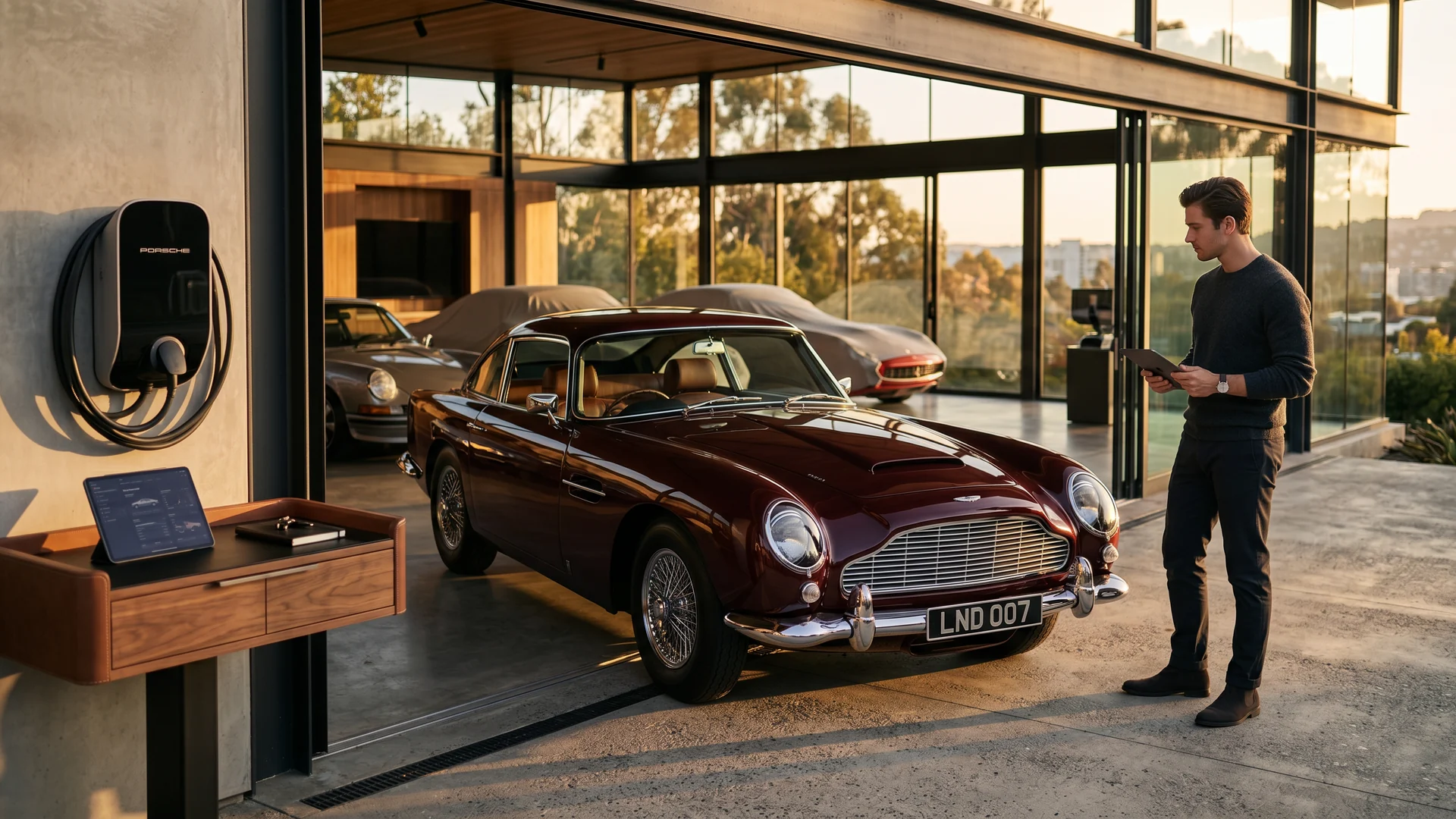
The Future of Classic Car Collecting: Trends Shaping the Next Generation
The future of classic car collecting: why 2035 ICE bans spare existing cars, plus e-fuels, shifting demographics, electromods and fractional ownership…
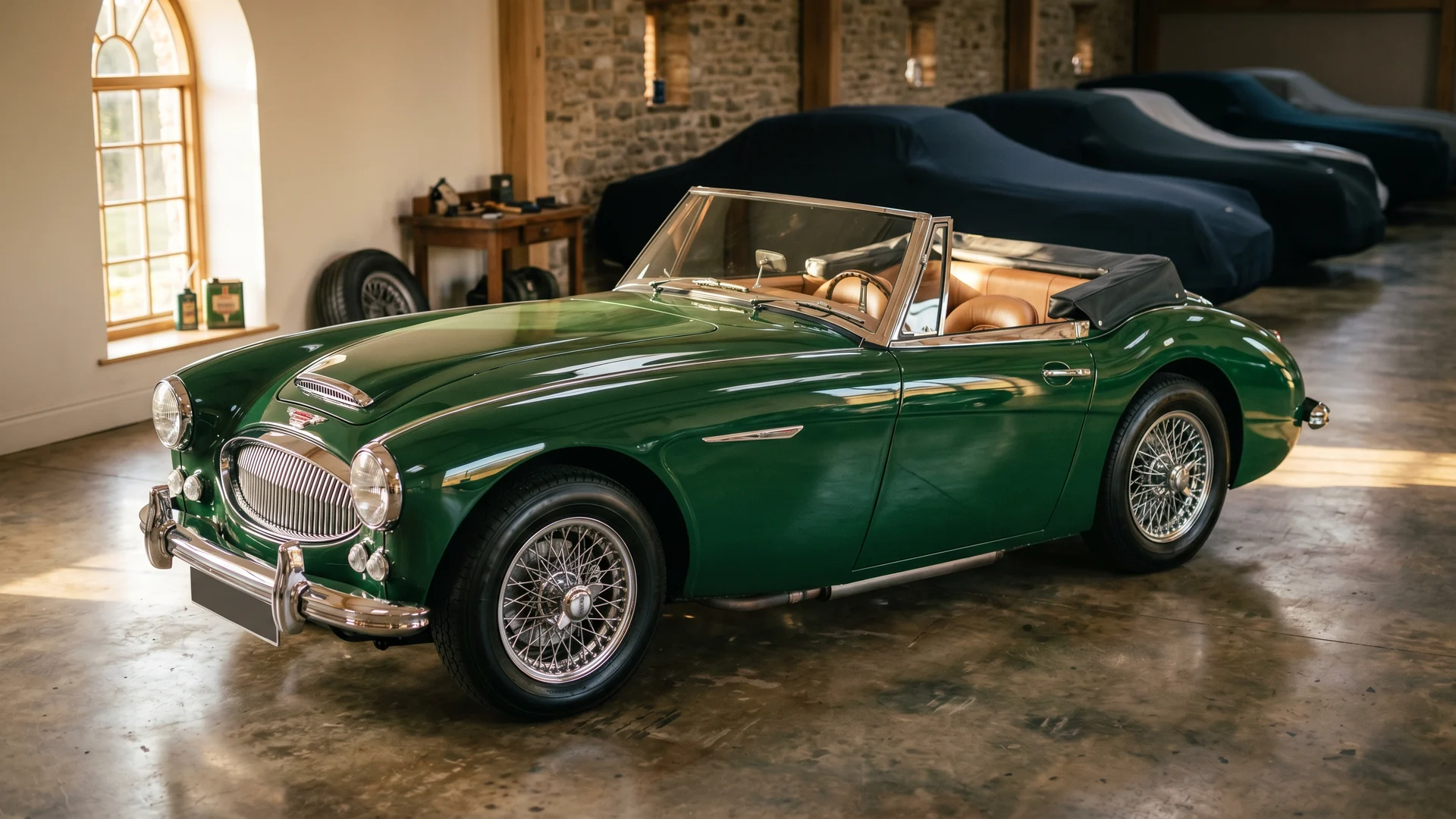
Classic Car Insurance Guide: Protecting Your Vintage Investment
Classic car insurance guide: why agreed-value policies beat stated and actual cash value, how Hagerty, Grundy and Chubb compare, plus costs and covera…
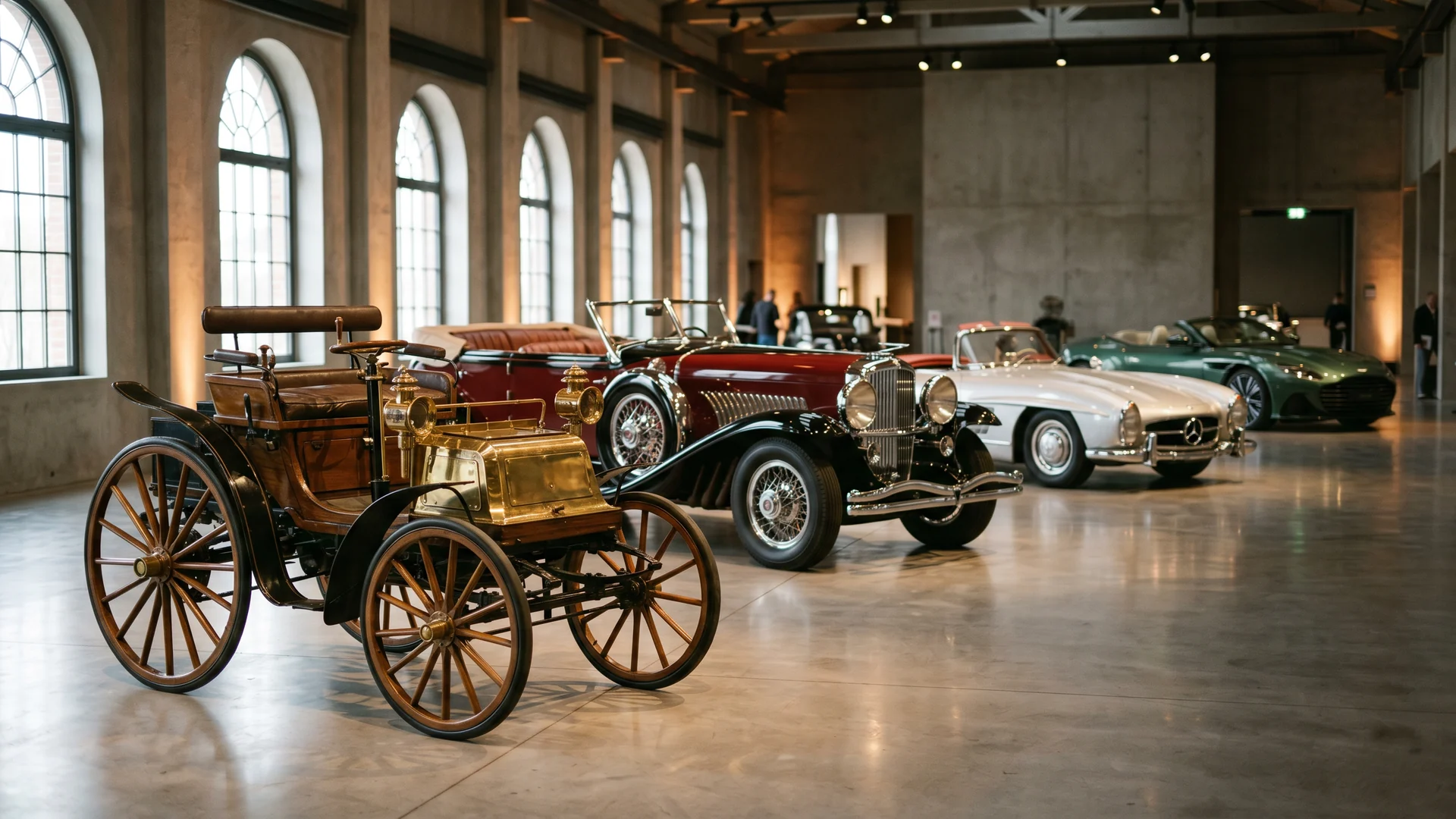
Classic Car History Timeline: From Benz to the Modern Collector Era
Classic car history timeline from the 1886 Benz Patent-Motorwagen through coachbuilding, muscle cars and supercars to modern collectibles. Discover th…