The Dark Art of Valuing One-of-One Classic Cars
One-of-one classic cars hold a unique charm that captivates collectors and enthusiasts alike. These vehicles are not just modes of transportation; they are pieces of art, history, …
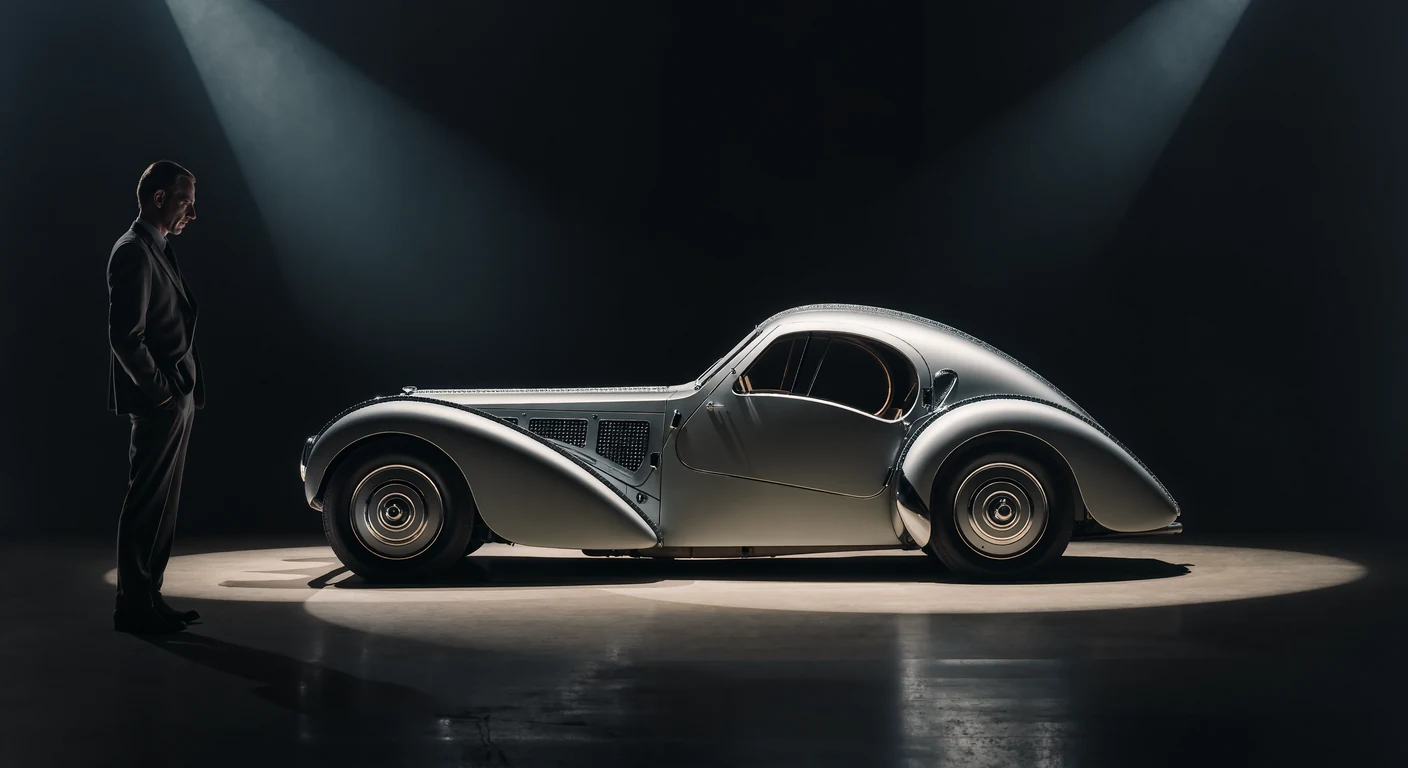
One-of-one classic cars hold a unique charm that captivates collectors and enthusiasts alike. These vehicles are not just modes of transportation; they are pieces of art, history, and engineering marvels. The allure lies in their exclusivity, as each one-of-one car represents a singular vision from its creator, often embodying the pinnacle of automotive design and craftsmanship.
Owning such a vehicle is akin to possessing a rare artifact, making it a status symbol and a conversation starter. The emotional connection to one-of-one classics is profound. For many, these cars evoke nostalgia, reminding them of a bygone era when craftsmanship was paramount.
The stories behind these vehicles often add to their appeal, as they may have been owned by celebrities or featured in iconic films. This blend of artistry, history, and personal connection makes one-of-one classic cars irresistible to collectors who seek not just a vehicle but a piece of automotive heritage.
Key Takeaways
- One-of-one classic cars are highly coveted due to their uniqueness and historical significance.
- Valuing these unique vehicles is complex, influenced by factors like provenance, customization, and rarity.
- Provenance and expert appraisals play crucial roles in accurately determining a car’s market value.
- Customization can both enhance and diminish value, depending on its impact on originality and appeal.
- Preserving historical integrity and rarity are key strategies for maintaining and increasing a one-of-one classic car’s value.
The challenge of valuing unique vehicles
Valuing one-of-one classic cars presents a unique set of challenges. Unlike mass-produced vehicles, which have established market values based on supply and demand, unique vehicles lack comparable sales data. This absence of benchmarks makes it difficult for appraisers and collectors to determine a fair market price.
Each one-of-one car has its own story, features, and condition, complicating the valuation process further. Moreover, the emotional attachment that owners often have to their vehicles can cloud judgment when it comes to pricing. Owners may overestimate the value based on personal sentiment rather than objective market conditions.
This disconnect can lead to inflated prices that do not reflect the true market value, making it essential for potential buyers and sellers to approach valuations with caution and thorough research.
Factors that affect the value of one-of-one classics
Several factors influence the value of one-of-one classic cars, starting with their condition. A well-preserved vehicle with original parts will typically command a higher price than one that has been heavily modified or poorly maintained. Restoration quality also plays a significant role; a car restored to factory specifications by a reputable expert can significantly enhance its value.
Another critical factor is the car’s history. Vehicles with documented ownership histories, especially those linked to notable figures or events, tend to be more valuable. Additionally, the car’s design and engineering innovations can impact its desirability.
Unique features or groundbreaking technology can elevate a vehicle’s status among collectors, making it more sought after in the market.
The role of provenance in determining value
Provenance is crucial in establishing the value of one-of-one classic cars. This term refers to the history of ownership and documentation that accompanies a vehicle. A well-documented provenance can significantly enhance a car’s value by providing potential buyers with confidence in its authenticity and history.
For instance, if a car was once owned by a famous personality or featured in a significant event, its provenance can elevate its status and price. Moreover, provenance helps verify the originality of parts and modifications made to the vehicle over time. Collectors are often willing to pay a premium for cars with clear and compelling histories, as this adds an extra layer of trust and desirability.
In contrast, vehicles with unclear or questionable provenance may struggle to find buyers willing to invest at higher price points.
The impact of customization on the value of one-of-one classics
Customization can have a dual impact on the value of one-of-one classic cars. On one hand, bespoke modifications can enhance a vehicle’s appeal by tailoring it to specific tastes or performance needs. Custom features that improve functionality or aesthetics can attract buyers looking for something unique that stands out from the crowd.
On the other hand, excessive or poorly executed customization can detract from a car’s value. Many collectors prefer original or factory-spec vehicles, as these are often seen as more authentic representations of automotive history. Customizations that alter the fundamental character of the car may alienate potential buyers who appreciate the vehicle’s original design and engineering.
The importance of historical significance in valuation
Historical significance plays a pivotal role in determining the value of one-of-one classic cars. Vehicles that have played a notable role in automotive history or have been part of significant cultural moments tend to command higher prices. For example, cars that were involved in racing events or were used in iconic films often carry an aura of prestige that enhances their desirability.
Additionally, historical significance can be tied to technological advancements represented by the vehicle. Cars that introduced groundbreaking features or design elements often hold a special place in automotive history, making them more valuable to collectors who appreciate their impact on the industry. As such, understanding the historical context of a vehicle is essential for accurate valuation.
The influence of rarity on the value of one-of-one classics
Rarity is perhaps one of the most significant factors influencing the value of one-of-one classic cars. The fewer units produced or available in the market, the higher the demand among collectors willing to pay a premium for exclusivity. One-of-one vehicles inherently possess this rarity factor, making them highly sought after by enthusiasts who appreciate their uniqueness.
However, rarity alone does not guarantee high value; it must be coupled with desirability and historical significance. A rare car that lacks appeal or has an unremarkable history may not command high prices despite its scarcity. Therefore, while rarity is an essential component in valuation, it must be considered alongside other factors such as condition, provenance, and historical importance.
The role of expert appraisals in determining value
Expert appraisals are vital in accurately determining the value of one-of-one classic cars. Professional appraisers possess specialized knowledge and experience that allow them to assess various aspects of a vehicle comprehensively. They consider factors such as condition, provenance, historical significance, and market trends when providing an appraisal.
Engaging an expert can provide both buyers and sellers with peace of mind during transactions. An accurate appraisal helps ensure that sellers receive fair compensation while buyers avoid overpaying for a vehicle. Additionally, expert appraisals can serve as valuable documentation for insurance purposes or future resale opportunities.
The market for one-of-one classic cars
The market for one-of-one classic cars is dynamic and ever-evolving. As interest in unique vehicles continues to grow among collectors and investors, prices have seen significant appreciation over recent years. Auctions dedicated to classic cars often feature one-of-one models that attract high bids from passionate enthusiasts eager to add these rare gems to their collections.
However, market fluctuations can occur based on economic conditions and collector trends. While some vehicles may appreciate significantly over time, others may experience stagnation or decline in value due to changing tastes or oversaturation in specific segments. Therefore, staying informed about market trends is crucial for anyone looking to invest in one-of-one classic cars.
Strategies for preserving and increasing the value of unique vehicles
Preserving and increasing the value of one-of-one classic cars requires careful attention and strategic planning. Regular maintenance is essential; keeping the vehicle in optimal condition ensures it retains its appeal and value over time. This includes routine servicing by qualified professionals who understand classic cars’ intricacies.
Additionally, proper storage is crucial for preservation. Keeping the vehicle in a climate-controlled environment protects it from environmental damage such as rust or fading paint. Documenting any restoration work or modifications made over time also adds to the vehicle’s provenance and can enhance its value when it comes time to sell.
The future of valuing one-of-one classic cars
The future of valuing one-of-one classic cars will likely be shaped by technological advancements and changing collector demographics. As more data becomes available through online platforms and auction houses, appraisers may rely on sophisticated algorithms to analyze market trends and establish values more accurately. Furthermore, younger generations are entering the collector market with different preferences and values than previous generations.
This shift may lead to new trends in what constitutes desirability and value in classic cars. As such, staying adaptable and informed will be essential for collectors looking to navigate this evolving landscape successfully. In conclusion, valuing one-of-one classic cars is a multifaceted process influenced by various factors including condition, provenance, historical significance, rarity, and expert appraisals.
Understanding these elements is crucial for both buyers and sellers navigating this unique market. By employing strategies for preservation and staying informed about market trends, collectors can ensure their investments remain valuable for years to come.
FAQs
What does “one-of-one” mean in the context of classic cars?
“One-of-one” refers to a unique classic car that was produced as a single, standalone model with no identical copies. These cars are often custom-built or limited editions, making them extremely rare and valuable.
Why is valuing one-of-one classic cars considered a “dark art”?
Valuing one-of-one classic cars is called a “dark art” because it involves a high degree of subjectivity, expertise, and market knowledge. Unlike mass-produced cars, there are no direct comparables, making it challenging to determine an accurate market value.
What factors influence the value of a one-of-one classic car?
Key factors include the car’s provenance, historical significance, condition, originality, rarity, design, and desirability among collectors. Market trends and recent auction results for similar unique vehicles also play a role.
How do experts appraise the value of unique classic cars?
Experts use a combination of historical research, physical inspection, consultation with collectors and specialists, and analysis of auction results. They also consider the car’s story, craftsmanship, and any unique features that add to its appeal.
Are there standard tools or guides for valuing one-of-one classic cars?
While there are valuation guides and databases for classic cars, they often lack data for one-of-one models. Therefore, appraisers rely more on expert judgment, provenance documentation, and bespoke market analysis.
Can the value of a one-of-one classic car change over time?
Yes, the value can fluctuate based on market demand, changes in collector interest, the car’s condition, and broader economic factors. Unique cars may appreciate significantly if their historical or cultural importance grows.
Is insurance valuation different from market valuation for these cars?
Yes, insurance valuations often consider replacement cost and agreed value, which may differ from market value. Owners typically work with specialists to ensure adequate coverage for these rare vehicles.
How important is provenance in valuing a one-of-one classic car?
Provenance is crucial as it documents the car’s history, ownership, and authenticity. A well-documented provenance can significantly increase a car’s value by confirming its uniqueness and historical importance.
Where can one find experts to value one-of-one classic cars?
Experts can be found through classic car clubs, auction houses specializing in rare vehicles, automotive museums, and professional appraisers with experience in vintage and unique automobiles.
Are one-of-one classic cars a good investment?
They can be, but investing in one-of-one classic cars requires deep knowledge, patience, and understanding of the market. Their rarity can lead to high appreciation, but liquidity and market volatility are important considerations.
More from Blog
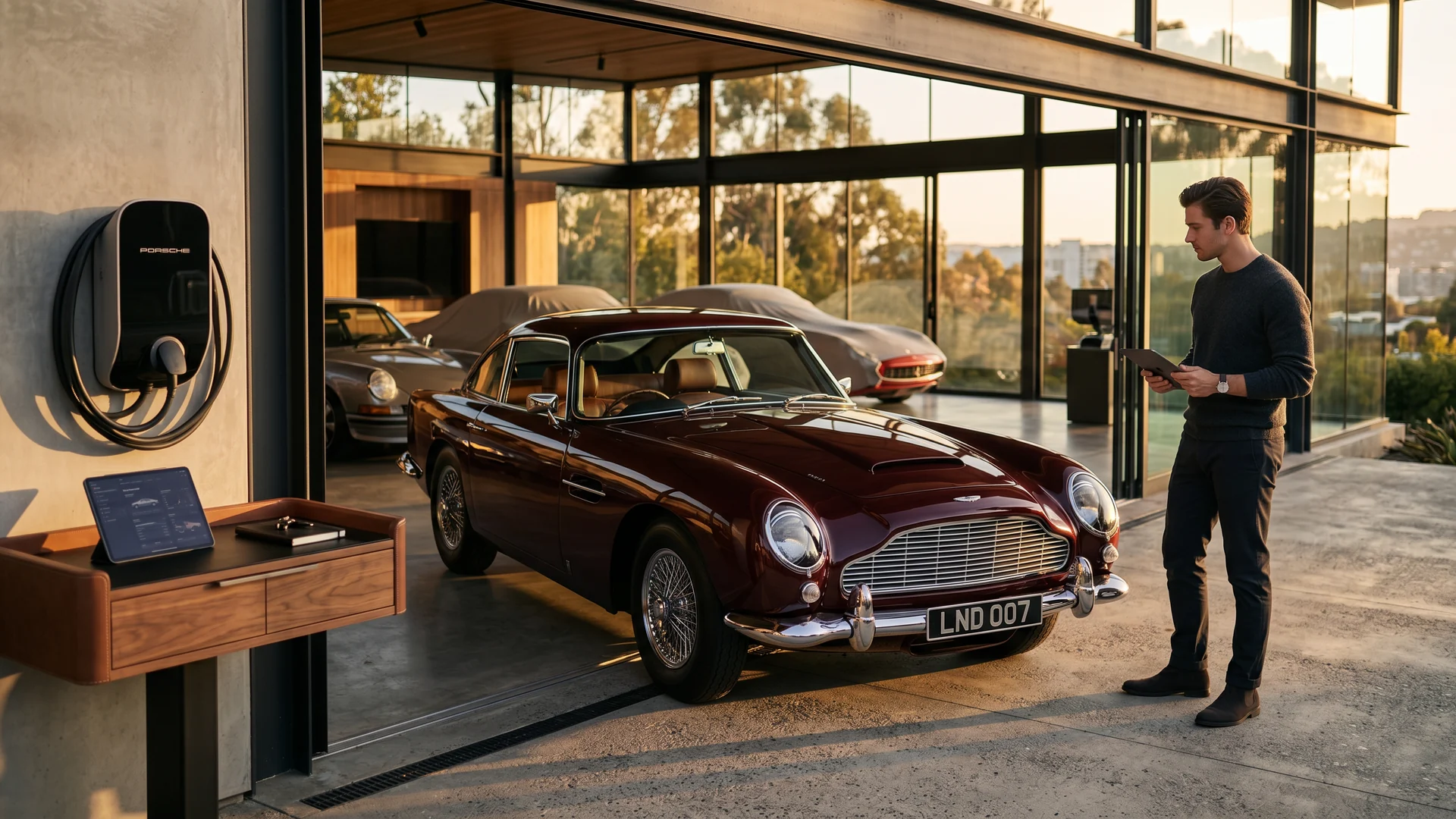
The Future of Classic Car Collecting: Trends Shaping the Next Generation
The future of classic car collecting: why 2035 ICE bans spare existing cars, plus e-fuels, shifting demographics, electromods and fractional ownership…
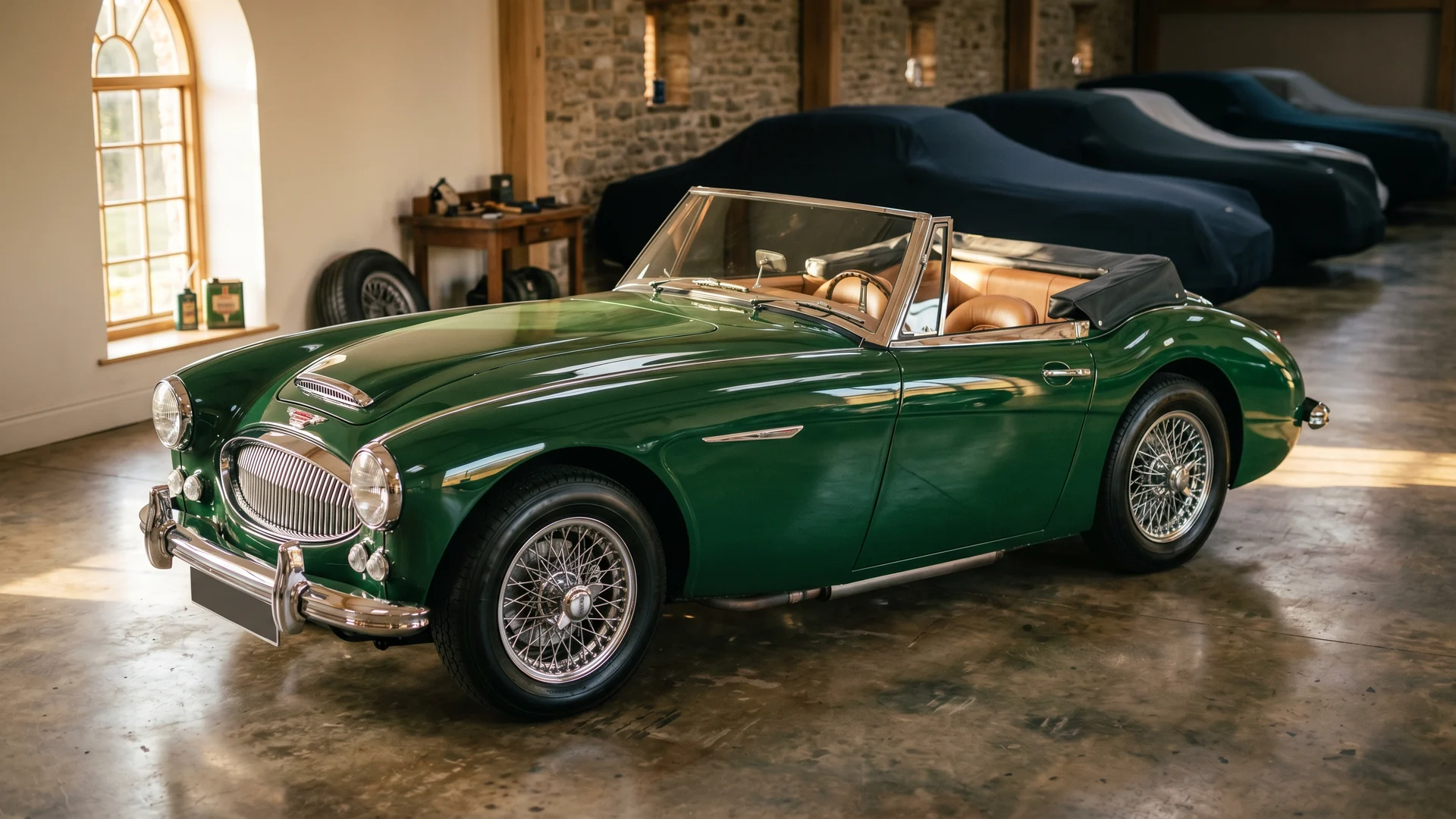
Classic Car Insurance Guide: Protecting Your Vintage Investment
Classic car insurance guide: why agreed-value policies beat stated and actual cash value, how Hagerty, Grundy and Chubb compare, plus costs and covera…
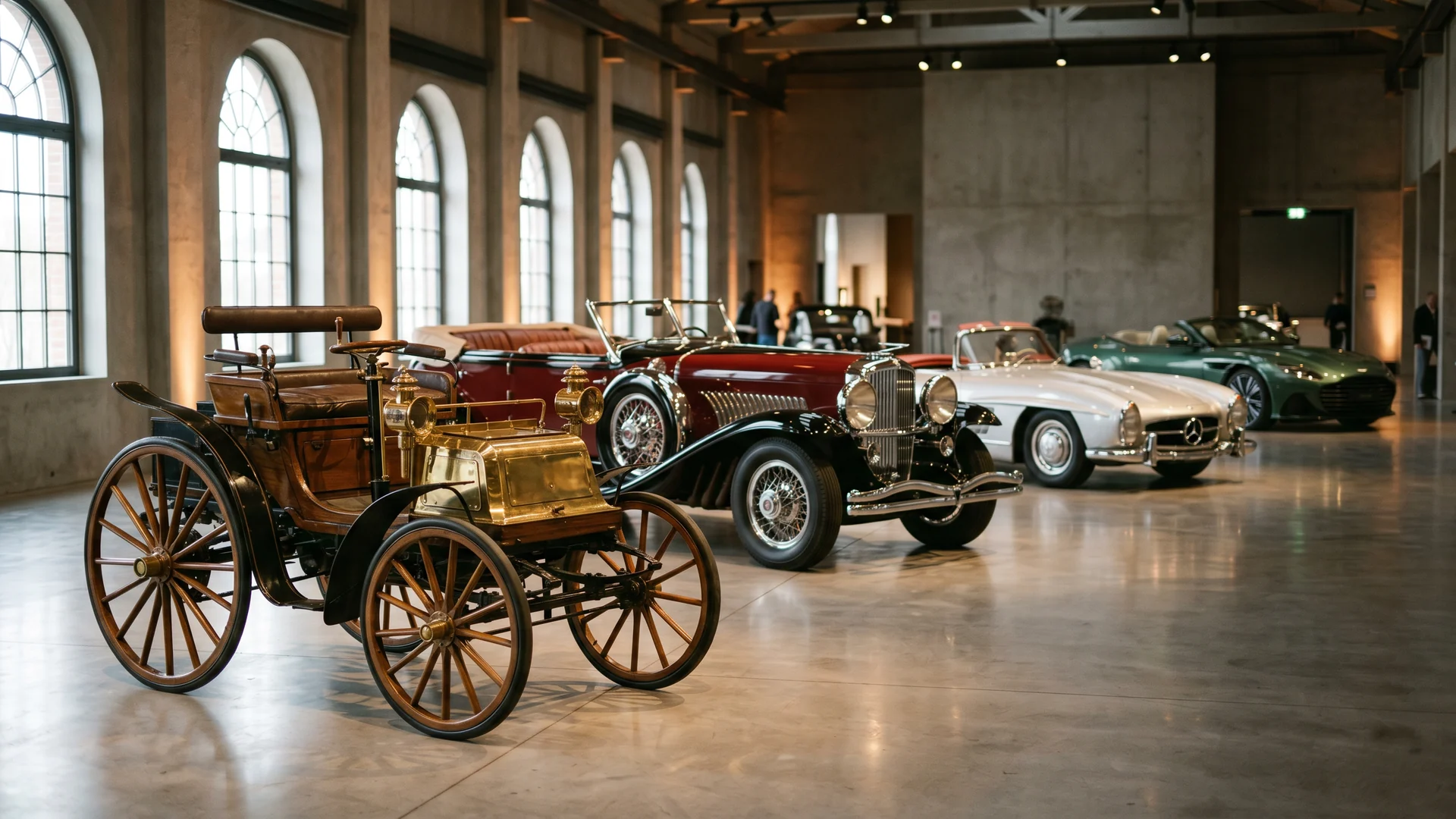
Classic Car History Timeline: From Benz to the Modern Collector Era
Classic car history timeline from the 1886 Benz Patent-Motorwagen through coachbuilding, muscle cars and supercars to modern collectibles. Discover th…