The Dangerous Myth of the Affordable Luxury Oldtimer
The appeal of affordable vintage cars attracts numerous automotive enthusiasts and collectors. These classic vehicles inspire nostalgia and represent an era of distinctive craftsma…
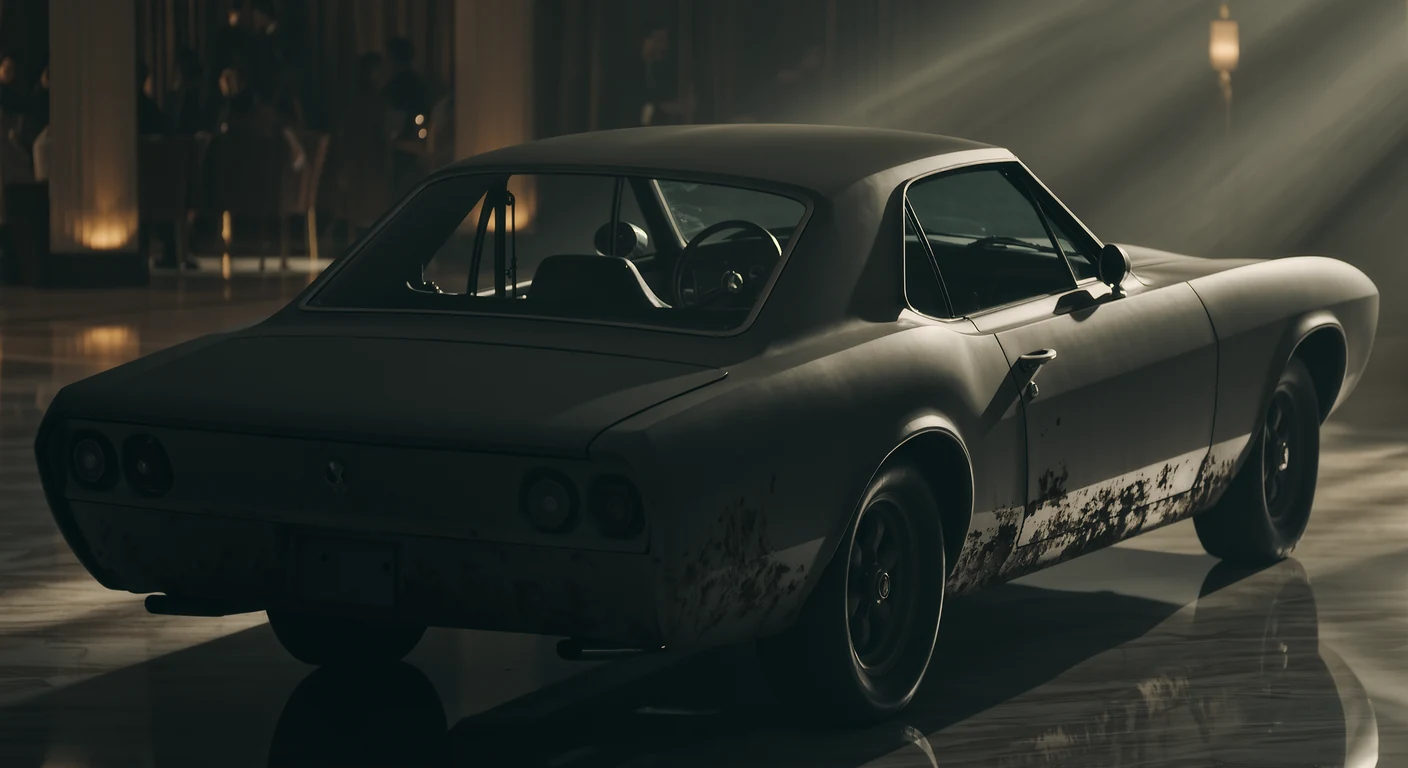
The appeal of affordable vintage cars attracts numerous automotive enthusiasts and collectors. These classic vehicles inspire nostalgia and represent an era of distinctive craftsmanship and design. Owning a vintage automobile extends beyond mere transportation; it constitutes possessing a historical artifact.
Their attraction stems from unique styling, historical significance, and the satisfaction derived from restoration and maintenance. Many enthusiasts value these vehicles as symbols of independence and exploration, enhancing their desirability. Nevertheless, the romantic perception of vintage automobiles often obscures the practical challenges of ownership.
Although initial acquisition costs may appear reasonable, prospective owners must evaluate multiple factors that substantially influence the ownership experience. The idealized vision of driving a classic vehicle can transform into financial strain without comprehensive understanding of vintage car ownership realities. A thorough assessment of these considerations is essential for anyone contemplating such an investment.
Key Takeaways
- Affordable luxury oldtimers attract buyers with classic appeal but come with hidden costs.
- Maintenance, repairs, and scarce parts can lead to significant ongoing expenses.
- Depreciation, insurance, and registration fees impact overall ownership costs.
- Safety issues and environmental concerns are important considerations for vintage car owners.
- Thorough research and cautious decision-making help avoid fraud and ensure a wise purchase.
The Reality of Hidden Costs
When contemplating the purchase of an affordable luxury oldtimer, it’s essential to recognize the hidden costs that can arise. Many buyers focus solely on the purchase price, neglecting to account for additional expenses that can accumulate over time. These costs can include maintenance, repairs, insurance, and even storage fees.
Without a clear understanding of these potential expenses, new owners may find themselves overwhelmed and financially strained. Moreover, the allure of a low initial price can lead to hasty decisions. Buyers may overlook critical factors such as the vehicle’s condition, history, and required repairs.
This oversight can result in unexpected costs that far exceed the original budget. Therefore, it is vital to approach the purchase of an oldtimer with a comprehensive understanding of all associated costs to avoid unpleasant surprises down the road.
Maintenance and Repair Expenses
Maintenance and repair expenses are significant considerations when owning an affordable luxury oldtimer. Unlike modern vehicles, classic cars often require specialized care and attention. Parts may be harder to find, and skilled mechanics familiar with vintage models may charge premium rates for their expertise.
Regular maintenance is essential to keep these vehicles running smoothly, but it can also be costly. Additionally, older cars may have unique issues that require specific repairs not typically encountered in newer models. For instance, rust damage or outdated electrical systems can lead to expensive fixes.
Owners must be prepared for these potential challenges and budget accordingly to ensure their classic car remains in good condition. Understanding the long-term commitment involved in maintaining an oldtimer is crucial for prospective buyers.
Limited Availability of Parts
One of the most significant challenges faced by owners of affordable luxury oldtimers is the limited availability of parts. As vehicles age, manufacturers may discontinue production of specific components, making it difficult to find replacements. This scarcity can lead to inflated prices for parts that are still available or necessitate custom fabrication, which can be both time-consuming and costly.
Furthermore, sourcing parts from specialty suppliers or salvage yards can be a daunting task. Owners may need to invest considerable time and effort into locating the right components for their vehicles. This challenge can be frustrating and may deter some potential buyers from pursuing their dream of owning a classic car.
Understanding the implications of limited parts availability is essential for anyone considering an oldtimer purchase.
Depreciation and Resale Value
While many believe that classic cars appreciate over time, this is not always the case for affordable luxury oldtimers. Depreciation can still occur, particularly if the vehicle is not well-maintained or if market demand shifts. Owners must be aware that their investment may not yield the expected returns when it comes time to sell.
Additionally, factors such as rarity, condition, and historical significance play a crucial role in determining resale value. A well-preserved classic may command a higher price than one that has been poorly maintained or modified. Therefore, prospective buyers should consider not only their passion for the vehicle but also its potential future value when making a purchase decision.
Insurance and Registration Costs
Insurance and registration costs are often overlooked when budgeting for an affordable luxury oldtimer. Classic cars typically require specialized insurance policies that cater to their unique needs.
Owners should shop around for quotes to ensure they are getting the best coverage at a reasonable rate. Registration fees can also differ from state to state, depending on local regulations regarding vintage vehicles. Some states offer reduced fees for classic cars, while others may impose additional costs based on emissions standards or other criteria.
Understanding these financial obligations is essential for prospective owners to avoid unexpected expenses after purchasing their dream car.
Environmental Impact
The environmental impact of owning an affordable luxury oldtimer is another important consideration. Many classic cars were built before modern emissions standards were established, meaning they may produce higher levels of pollutants compared to contemporary vehicles. This factor can lead to increased scrutiny from regulatory agencies and potential fines for non-compliance with emissions regulations.
Moreover, older cars often lack fuel efficiency compared to newer models, resulting in higher fuel consumption and carbon emissions over time. For environmentally conscious buyers, this aspect may weigh heavily in their decision-making process. It’s essential to consider how owning a classic car aligns with personal values regarding sustainability and environmental responsibility.
Safety Concerns
Safety concerns are paramount when considering an affordable luxury oldtimer. Many vintage vehicles lack modern safety features such as airbags, anti-lock brakes, and electronic stability control systems. This absence can pose risks to both drivers and passengers in the event of an accident.
Additionally, older cars may not perform as well in crash tests compared to contemporary models, raising concerns about their overall safety on the road. Prospective buyers should evaluate whether they are comfortable with these risks and consider investing in safety upgrades or modifications to enhance their vehicle’s protection.
Potential for Fraud and Scams
The classic car market is not immune to fraud and scams, making it crucial for buyers to exercise caution during their search for an affordable luxury oldtimer. Unscrupulous sellers may misrepresent a vehicle’s condition or history, leading buyers to invest in cars that require extensive repairs or have hidden issues. To mitigate this risk, potential owners should conduct thorough research on any vehicle they are considering purchasing.
This includes obtaining a vehicle history report, having a trusted mechanic inspect the car, and verifying ownership documentation.
Emotional Attachment and Rational Decision Making
Emotional attachment plays a significant role in the decision-making process when purchasing an affordable luxury oldtimer. The nostalgia associated with classic cars can cloud judgment and lead buyers to overlook critical factors such as condition and cost-effectiveness. While it’s natural to feel drawn to a particular vehicle due to its aesthetic appeal or sentimental value, it’s essential to balance these emotions with rational decision-making.
Prospective owners should approach their purchase with a clear mind and a well-defined budget. By setting realistic expectations and being aware of potential pitfalls, buyers can enjoy the emotional rewards of owning a classic car without succumbing to impulsive decisions that could lead to regret later on.
The Importance of Research and Due Diligence
Thorough research and due diligence are vital steps in the process of purchasing an affordable luxury oldtimer. Buyers should familiarize themselves with various makes and models, understanding their strengths and weaknesses as well as market trends affecting resale values. Engaging with online forums or local car clubs can provide valuable insights from experienced enthusiasts who have navigated similar journeys.
Additionally, prospective owners should take the time to inspect multiple vehicles before making a final decision. This hands-on approach allows buyers to compare conditions and prices while gaining a better understanding of what constitutes a fair deal in the classic car market. By investing time in research and due diligence, buyers can make informed choices that align with their passions while minimizing risks associated with ownership.
In conclusion, while the allure of affordable luxury oldtimers is undeniable, potential buyers must navigate various challenges associated with ownership. From hidden costs and maintenance expenses to safety concerns and potential fraud, understanding these factors is crucial for making informed decisions. By conducting thorough research and balancing emotional attachment with rational thinking, enthusiasts can enjoy the journey of owning a classic car while mitigating risks along the way.
FAQs
What is an “affordable luxury oldtimer”?
An “affordable luxury oldtimer” typically refers to a classic or vintage luxury car that is perceived as being reasonably priced compared to newer luxury vehicles. These cars are often sought after for their style, heritage, and driving experience.
Why is the idea of an affordable luxury oldtimer considered a myth?
The myth arises because owning and maintaining a classic luxury car often involves high costs that are not immediately apparent. Expenses such as restoration, parts replacement, insurance, storage, and specialized maintenance can make these vehicles far from affordable in the long run.
What are the hidden costs associated with owning a luxury oldtimer?
Hidden costs include expensive spare parts, frequent repairs, specialized labor, higher insurance premiums, storage fees to protect the vehicle, and potential depreciation or value fluctuations. These costs can accumulate quickly and exceed initial purchase prices.
Are luxury oldtimers a good investment?
While some classic luxury cars can appreciate in value, many do not guarantee financial returns. The market is unpredictable, and factors such as condition, rarity, and demand influence value. Additionally, maintenance costs can offset potential gains.
What should potential buyers consider before purchasing a luxury oldtimer?
Buyers should research the specific model’s reliability, availability of parts, maintenance requirements, and total cost of ownership. It is also advisable to have the vehicle inspected by a professional and to consider insurance and storage needs.
Can owning a luxury oldtimer be dangerous?
Owning a classic luxury car can pose risks if the vehicle is not properly maintained or if safety features are outdated. Mechanical failures, lack of modern safety technology, and the potential for costly repairs can create hazardous situations.
How can one mitigate the risks of owning a luxury oldtimer?
Regular maintenance by qualified specialists, using quality parts, proper storage, and cautious driving can help reduce risks. Additionally, obtaining comprehensive insurance and staying informed about the vehicle’s condition are important steps.
Is it better to buy a restored or original luxury oldtimer?
Both options have pros and cons. Restored cars may offer improved reliability and aesthetics but can be expensive and may lack originality. Original cars retain historical authenticity but might require more maintenance. The choice depends on the buyer’s priorities and budget.
More from Blog
The Future of Classic Car Collecting: Trends Shaping the Next Generation
The future of classic car collecting: why 2035 ICE bans spare existing cars, plus e-fuels, shifting demographics, electromods and fractional ownership…
Classic Car Insurance Guide: Protecting Your Vintage Investment
Classic car insurance guide: why agreed-value policies beat stated and actual cash value, how Hagerty, Grundy and Chubb compare, plus costs and covera…
Classic Car History Timeline: From Benz to the Modern Collector Era
Classic car history timeline from the 1886 Benz Patent-Motorwagen through coachbuilding, muscle cars and supercars to modern collectibles. Discover th…