The Cult of Documentation in High-End Oldtimer Sales
The classic automobile market has experienced significant growth in recent years, driven by increased collector interest and investment activity. Classic cars attract buyers for mu…
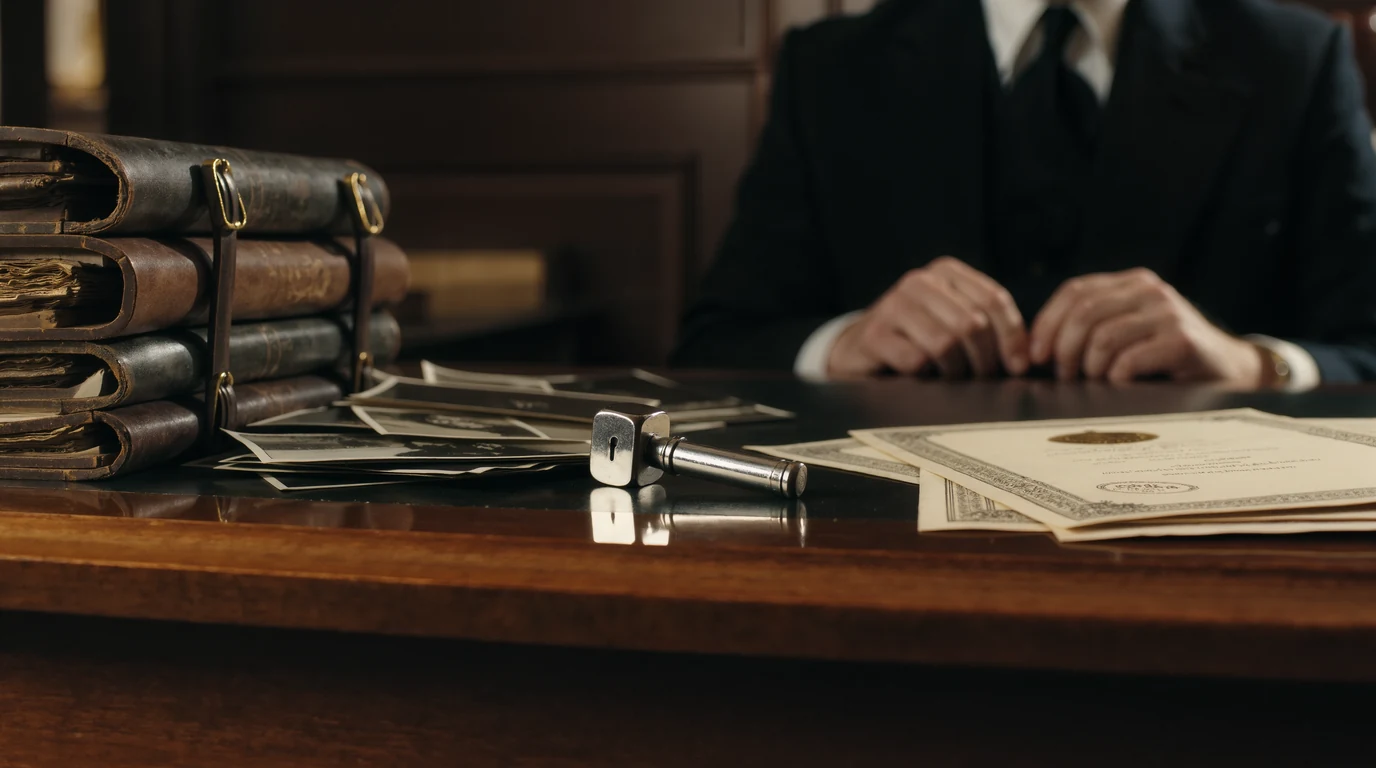
The classic automobile market has experienced significant growth in recent years, driven by increased collector interest and investment activity. Classic cars attract buyers for multiple reasons: their historical significance, aesthetic value, and potential for appreciation. Market demand has particularly focused on rare, well-maintained vehicles with documented provenance.
This market expansion has introduced greater complexity to classic car transactions. Buyers now conduct more thorough due diligence, requiring comprehensive verification of a vehicle’s authenticity and value. Proper documentation has become a critical factor in establishing a classic car’s legitimacy, ownership history, and market worth.
Documentation serves multiple functions in the classic car market: it verifies authenticity, establishes provenance, supports valuation, and facilitates transactions. For buyers and sellers, understanding documentation requirements and standards has become essential for successful participation in this specialized market segment.
Key Takeaways
- Documentation is crucial in the high-end oldtimer market for establishing authenticity and provenance.
- Well-curated documentation significantly enhances buyer confidence and vehicle valuation.
- Provenance and detailed history supported by documents add substantial value to oldtimers.
- Legal and ethical considerations must be carefully managed when handling oldtimer documentation.
- Experts recommend thorough preservation and presentation of documentation to maintain and increase an oldtimer’s market appeal.
The Importance of Documentation in Oldtimer Sales
Documentation serves as the backbone of any successful oldtimer sale. It provides a comprehensive record of a vehicle’s history, including its ownership, maintenance, and restoration details. For buyers, this information is vital in making informed decisions.
A well-documented vehicle not only assures buyers of its authenticity but also enhances its resale value. Conversely, a lack of documentation can raise red flags and deter potential buyers. Moreover, documentation helps to establish trust between buyers and sellers.
In a market where scams and misrepresentations can occur, having a clear and detailed history can set a vehicle apart from others. Sellers who invest time in compiling thorough documentation are more likely to attract serious buyers willing to pay a premium for peace of mind.
The Cult of Authenticity: How Documentation Adds Value
In the world of high-end oldtimers, authenticity is paramount. Collectors are not just purchasing a car; they are investing in a story, a legacy. Documentation plays a pivotal role in this narrative by providing proof of authenticity.
Original manuals, service records, and photographs can significantly enhance a vehicle’s value by confirming its originality and condition. Furthermore, the cult of authenticity extends beyond mere paperwork. It encompasses the entire experience of owning an oldtimer.
Buyers are increasingly interested in knowing the car’s journey, where it has been, who has owned it, and how it has been maintained. Comprehensive documentation allows sellers to weave this narrative, making the vehicle more appealing to potential buyers.
The Role of Documentation in Provenance and History
Provenance is a critical factor in determining the value of an oldtimer. A vehicle with a well-documented history is often worth significantly more than one with an unclear past. Documentation provides insight into the car’s lineage, including previous owners and any notable events it may have been part of.
This historical context can elevate a vehicle from being merely old to being historically significant. For instance, a classic car that was once owned by a famous personality or featured in a notable film can command a higher price due to its unique provenance. Buyers are willing to pay a premium for vehicles that come with compelling stories backed by solid documentation.
Thus, understanding how to effectively document provenance is essential for anyone looking to sell or invest in high-end oldtimers.
The Impact of Documentation on Appraisals and Valuations
Accurate appraisals and valuations are crucial in the high-end oldtimer market. Documentation plays an integral role in this process by providing appraisers with the necessary information to assess a vehicle’s worth accurately. Detailed records of maintenance, restoration work, and previous ownership can significantly influence an appraiser’s evaluation.
Moreover, well-documented vehicles often receive higher valuations due to their perceived authenticity and lower risk factors. Appraisers are more likely to assign higher values to cars with comprehensive histories because they present less uncertainty regarding their condition and provenance. For sellers, this means that investing in proper documentation can lead to better financial outcomes when it comes time to sell.
The Art of Curating and Presenting Documentation
Curating and presenting documentation effectively is an art form in itself. Sellers must not only gather relevant documents but also organize them in a way that tells a compelling story about the vehicle. This includes creating a portfolio that highlights key documents such as original purchase invoices, service records, and restoration receipts.
A well-organized binder or digital portfolio can make all the difference in how buyers perceive the value of the vehicle. By investing time in curating documentation, sellers can enhance their chances of making successful sales.
The Influence of Documentation on Buyer Confidence
Buyer confidence is crucial in any transaction, especially in high-end markets like oldtimers. Documentation serves as a powerful tool for building this confidence. When buyers see comprehensive records detailing a vehicle’s history, they feel more secure in their investment decision.
Additionally, transparency is key; sellers who provide thorough documentation demonstrate honesty and integrity. This openness fosters trust and encourages buyers to engage more seriously with the purchase process. In contrast, vehicles lacking proper documentation may raise suspicions and lead potential buyers to question their authenticity or condition.
The Legal and Ethical Considerations of Documentation in Oldtimer Sales
Legal and ethical considerations surrounding documentation cannot be overlooked in oldtimer sales. Sellers must ensure that all documents are genuine and accurately represent the vehicle’s history. Misrepresentation or forgery can lead to legal repercussions and damage reputations.
Moreover, ethical considerations extend beyond legality; they encompass honesty in representing a vehicle’s condition and history. Sellers should avoid embellishing or omitting details that could mislead potential buyers. Upholding ethical standards not only protects sellers legally but also contributes to a healthier marketplace where trust prevails.
The Challenges of Documenting Oldtimers with Limited History
Documenting oldtimers with limited history presents unique challenges for sellers and collectors alike. Many vintage vehicles may have incomplete records due to age or previous ownership changes. In such cases, it becomes essential to piece together available information from various sources.
Engaging with previous owners or reaching out to automotive historians can help fill gaps in documentation. Additionally, utilizing online resources or forums dedicated to classic cars can provide valuable insights into a vehicle’s past. While it may require extra effort, establishing as much documentation as possible can significantly enhance the value and appeal of these vehicles.
The Future of Documentation in High-End Oldtimer Sales
As technology continues to evolve, so too will the methods of documenting oldtimers. Digital records are becoming increasingly popular, allowing for easier storage and sharing of information. Blockchain technology may also play a role in ensuring the authenticity of documentation by providing tamper-proof records.
Moreover, as buyers become more tech-savvy, they will likely expect more comprehensive digital portfolios that include multimedia elements such as videos or virtual tours of the vehicle. Embracing these advancements will be crucial for sellers looking to stay competitive in the high-end oldtimer market.
Expert Tips for Documenting and Preserving Oldtimer History
To maximize the value of an oldtimer through documentation, consider these expert tips: 1. **Gather Comprehensive Records**: Collect all available documents related to ownership, maintenance, and restoration.
2. **Organize Effectively**: Create a clear structure for your documentation, chronological order often works best.
3.
**Include Visuals**: High-quality photographs can enhance your documentation portfolio.
4. **Engage with Experts**: Consult automotive historians or appraisers for insights into documenting provenance.
5. **Stay Honest**: Ensure all information is accurate and truthful to maintain trust with potential buyers.
By following these tips, sellers can create compelling documentation that not only enhances their vehicle’s value but also builds buyer confidence. In conclusion, as the high-end oldtimer market continues to grow, the importance of thorough documentation cannot be overstated. It serves as a vital tool for establishing authenticity, enhancing value, and building trust between buyers and sellers.
By understanding the nuances of documenting oldtimers, both parties can navigate this exciting market with confidence and success.
FAQs
What is meant by “The Cult of Documentation” in high-end oldtimer sales?
“The Cult of Documentation” refers to the strong emphasis placed on comprehensive and authentic paperwork, such as service records, ownership history, and original manuals, when buying or selling high-end classic cars (oldtimers). This documentation significantly influences the vehicle’s value and desirability.
Why is documentation important in the sale of high-end oldtimers?
Documentation provides proof of a car’s provenance, maintenance history, and originality. It helps verify the authenticity of the vehicle, ensures transparency, and can increase buyer confidence, often leading to higher sale prices.
What types of documents are typically included in oldtimer documentation?
Common documents include the original purchase invoice, service and repair records, restoration receipts, ownership history, vehicle registration papers, original manuals, and certificates of authenticity or awards from classic car shows.
How does documentation affect the value of a classic car?
Well-documented cars generally command higher prices because buyers perceive them as less risky investments. Documentation can confirm that the car has been properly maintained and is in original or correctly restored condition.
Can a classic car without full documentation still be valuable?
Yes, but the lack of documentation may lower the car’s market value and make it harder to sell. Buyers may be cautious due to uncertainties about the car’s history, condition, or originality.
Are there risks of forged or falsified documentation in oldtimer sales?
Yes, forged or altered documents can occur, which is why buyers often seek expert verification and provenance checks to ensure the authenticity of the paperwork.
How can buyers verify the authenticity of oldtimer documentation?
Buyers can consult classic car experts, use vehicle history services, check with previous owners or clubs, and review official records from manufacturers or registration authorities.
Does the “Cult of Documentation” apply only to high-end oldtimers?
While documentation is important for all classic cars, it is especially critical for high-end or rare oldtimers where provenance and originality significantly impact value.
What role do classic car clubs and organizations play in documentation?
Classic car clubs often assist in verifying documentation, maintaining historical records, and providing certificates of authenticity, which can enhance a vehicle’s credibility and value.
How should sellers prepare documentation to maximize their oldtimer’s sale potential?
Sellers should gather all available paperwork, organize it clearly, obtain expert appraisals if possible, and be transparent about the car’s history to build buyer trust and justify asking prices.
More from Blog

The Future of Classic Car Collecting: Trends Shaping the Next Generation
The future of classic car collecting: why 2035 ICE bans spare existing cars, plus e-fuels, shifting demographics, electromods and fractional ownership…
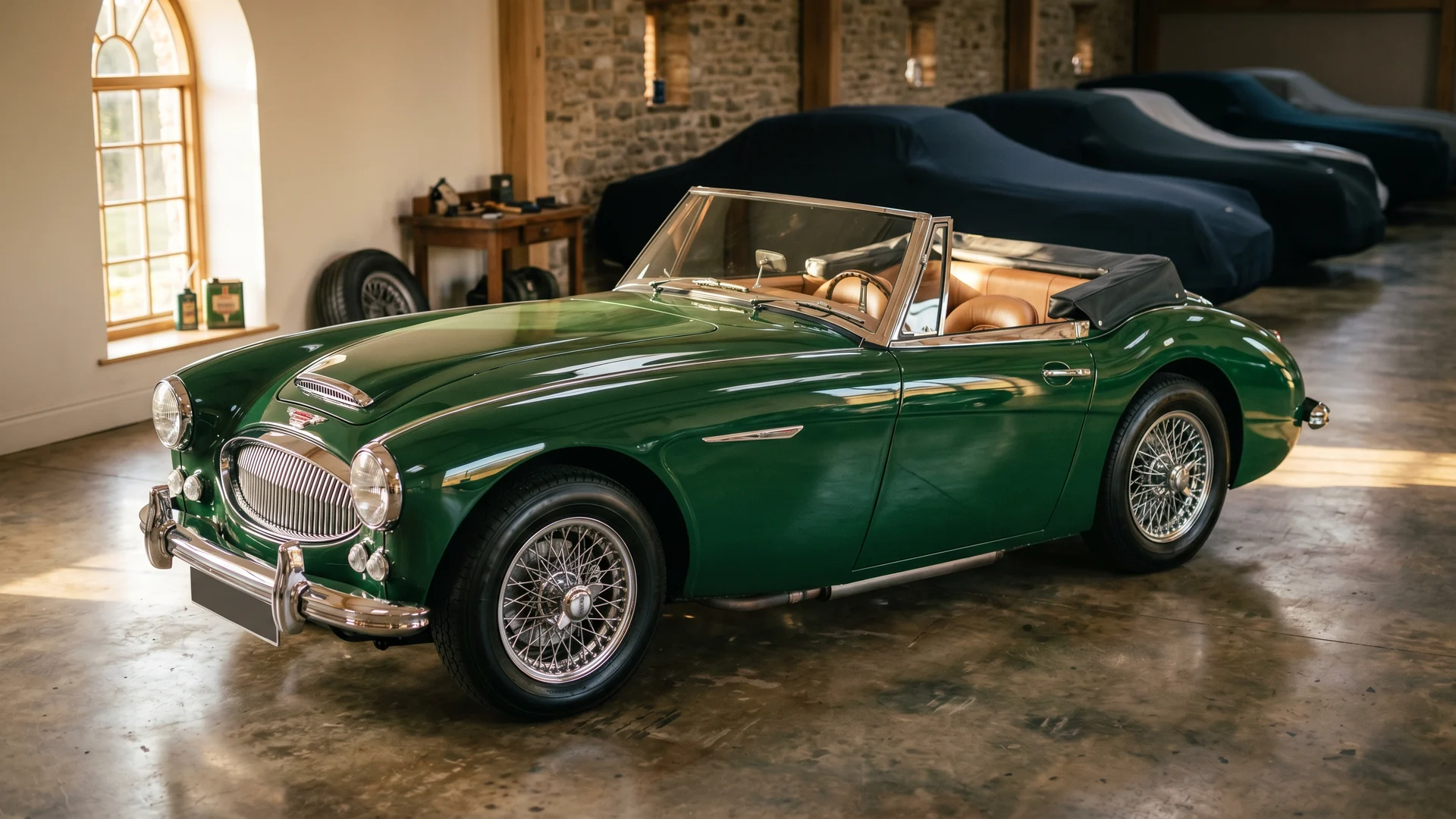
Classic Car Insurance Guide: Protecting Your Vintage Investment
Classic car insurance guide: why agreed-value policies beat stated and actual cash value, how Hagerty, Grundy and Chubb compare, plus costs and covera…
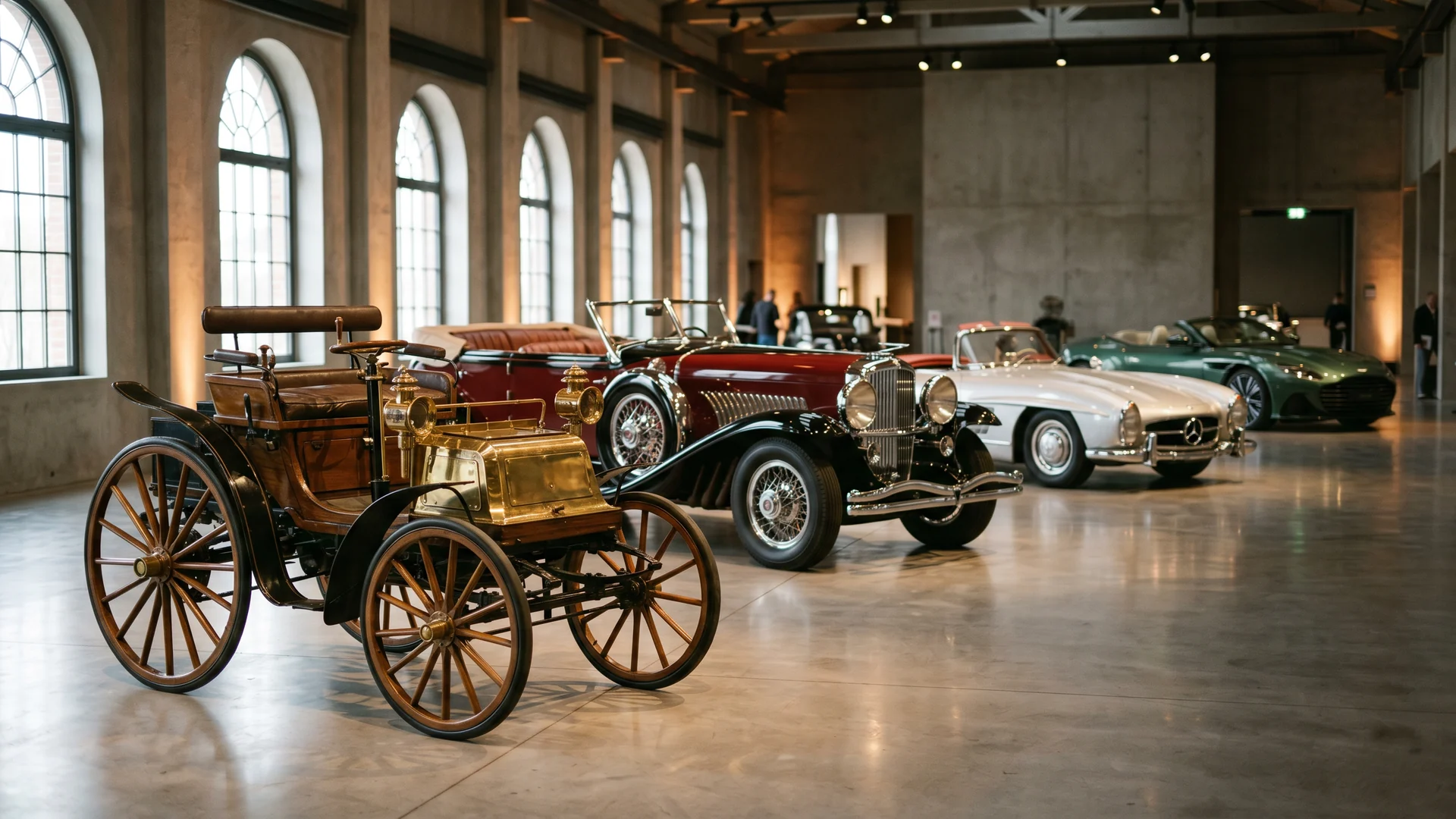
Classic Car History Timeline: From Benz to the Modern Collector Era
Classic car history timeline from the 1886 Benz Patent-Motorwagen through coachbuilding, muscle cars and supercars to modern collectibles. Discover th…