The Cult of Authenticity in High-End Classic Car Collecting
The classic car collecting market has experienced a notable transformation in recent years, with collectors placing increased emphasis on vehicle authenticity. This trend prioritiz…

The classic car collecting market has experienced a notable transformation in recent years, with collectors placing increased emphasis on vehicle authenticity. This trend prioritizes original components, factory specifications, and documented historical provenance over modified or restored vehicles with non-original parts. Market data indicates that collectors are willing to pay premium prices for vehicles with verifiable documentation and unaltered mechanical systems.
This focus on authenticity has measurably impacted market valuations and collector behavior. Auction houses report that vehicles with complete documentation, matching numbers, and original components consistently achieve higher sale prices compared to modified examples. Professional appraisers now place significant weight on factors such as original paint, interior materials, engine blocks, and transmission components when determining vehicle values.
The authentication process has become increasingly sophisticated, with collectors utilizing services such as marque-specific registries, factory build records, and forensic analysis of components. This systematic approach to verification has created a more structured marketplace where provenance and originality serve as primary value determinants. Investment analysis shows that authenticated original vehicles have demonstrated stronger appreciation rates compared to modified examples over the past decade.
Key Takeaways
- Authenticity has become a central value in high-end classic car collecting, influencing buyer preferences and market trends.
- Provenance and thorough documentation are crucial in verifying a classic car’s authenticity and history.
- The debate between preserving originality versus performing restorations remains a key ethical and practical challenge.
- Authenticity significantly impacts the market value and desirability of classic cars at auctions and events.
- Collectors are advised to carefully navigate authenticity issues by prioritizing documentation, provenance, and ethical restoration practices.
The Definition of Authenticity in Classic Car Collecting
Authenticity in classic car collecting refers to the degree to which a vehicle retains its original features and specifications as it was produced by the manufacturer. This includes everything from the engine and transmission to the paint color and interior materials. A car deemed “authentic” is one that has not undergone significant alterations or restorations that deviate from its original state.
This definition is crucial for collectors who wish to ensure that their investments are not only valuable but also true representations of automotive history. The concept of authenticity extends beyond mere physical attributes; it encompasses the car’s entire narrative. This includes its production history, ownership lineage, and any notable events it may have participated in.
Collectors often seek vehicles with documented histories that can be traced back to their original owners or significant moments in automotive history. In this context, authenticity becomes a multifaceted concept that combines physical integrity with historical significance.
The Importance of Provenance in Authenticity
Provenance plays a pivotal role in establishing authenticity within the classic car market. Provenance refers to the documented history of a vehicle, including its previous owners, maintenance records, and any notable events it has been part of. A well-documented provenance can significantly enhance a car’s value and desirability among collectors.
It serves as a tangible link to the vehicle’s past, providing assurance that it is indeed what it claims to be. For collectors, provenance is not just about documentation; it is about storytelling. A car with a rich history, perhaps once owned by a famous personality or featured in a significant race, becomes more than just a mode of transportation; it transforms into a piece of art with a narrative that captivates potential buyers.
As such, collectors are increasingly prioritizing vehicles with strong provenance, recognizing that these stories add layers of value and appeal.
The debate between restorations and originality is one of the most contentious topics in classic car collecting. On one side are purists who advocate for preserving a vehicle’s original state, arguing that any restoration work diminishes its authenticity. They believe that an unaltered car retains its character and historical significance, making it more desirable to collectors who value originality above all else.
Conversely, there are those who argue that restorations can enhance a vehicle’s longevity and usability without compromising its essence. Skilled restorers can bring classic cars back to life while maintaining their original charm. This perspective suggests that a well-executed restoration can coexist with authenticity, as long as it respects the car’s original design and specifications.
Ultimately, this debate highlights the diverse philosophies within the collecting community and underscores the importance of individual preferences when it comes to defining authenticity.
The Role of Documentation in Establishing Authenticity
Documentation is essential for establishing authenticity in classic car collecting. It serves as proof of a vehicle’s history, detailing everything from its manufacturing process to its ownership lineage. Key documents include original sales invoices, service records, and any certificates of authenticity issued by manufacturers or recognized organizations.
These documents provide collectors with the confidence they need to make informed purchasing decisions. In addition to traditional paperwork, digital records are becoming increasingly important in verifying authenticity. Online databases and registries allow collectors to access information about specific models and their production numbers.
This digital age has made it easier for buyers to conduct thorough research before investing in a classic car, ensuring they are aware of any discrepancies or potential red flags regarding authenticity.
The Impact of Authenticity on the Value of Classic Cars
Authenticity has a profound impact on the value of classic cars. Vehicles that are deemed authentic typically command higher prices at auctions and sales due to their rarity and historical significance. Collectors are willing to pay a premium for cars that retain their original components and have verifiable histories, as these factors contribute to their desirability in the market.
Conversely, cars that have undergone extensive modifications or restorations may see their values diminish. While some collectors appreciate customizations, many purists view them as detracting from a vehicle’s authenticity. As such, maintaining originality can be a key strategy for maximizing investment returns in the classic car market.
The Ethics of Authenticity in Classic Car Collecting
The ethics surrounding authenticity in classic car collecting raise important questions about transparency and honesty within the market. As demand for authentic vehicles grows, so does the potential for misrepresentation. Some sellers may attempt to pass off modified or restored cars as original, leading to ethical dilemmas for both buyers and sellers.
To navigate these challenges, collectors must prioritize due diligence when purchasing vehicles. This includes verifying documentation, seeking expert opinions, and being aware of common pitfalls associated with misrepresented cars. Ethical collecting not only protects individual investments but also fosters trust within the community, ensuring that authenticity remains a valued principle.
The Challenges of Maintaining Authenticity in High-End Classic Car Collections
Maintaining authenticity in high-end classic car collections presents several challenges for collectors. One major hurdle is sourcing original parts for restoration or repair work. As time passes, certain components become increasingly rare, making it difficult to find replacements that meet authenticity standards.
This scarcity can lead some collectors to consider aftermarket parts, which may compromise a vehicle’s originality. Additionally, environmental factors can pose threats to maintaining authenticity.
Collectors must be vigilant in preserving their vehicles while balancing the need for maintenance with the desire to retain authenticity.
Authenticity and the Future of Classic Car Collecting
The future of classic car collecting will likely continue to be shaped by the cult of authenticity. As new generations of collectors enter the market, they bring with them evolving values and preferences regarding what constitutes an authentic vehicle. This shift may lead to increased demand for vehicles with strong provenance and original features while placing greater emphasis on ethical collecting practices.
Moreover, advancements in technology may further influence how authenticity is defined and verified. Digital tools for tracking provenance and documenting restoration work could become standard practice within the industry, enhancing transparency and trust among collectors. As these trends unfold, authenticity will remain at the forefront of classic car collecting.
The Influence of the Cult of Authenticity on Classic Car Events and Auctions
The cult of authenticity has significantly influenced classic car events and auctions, where vehicles are often scrutinized for their originality and provenance. Auction houses now prioritize transparency by providing detailed documentation and expert evaluations for each vehicle on offer. This shift reflects the growing demand for authentic cars among bidders who are willing to invest substantial sums for pieces with verifiable histories.
Events such as concours d’elegance have also adapted to this trend by emphasizing originality in judging criteria. Cars are evaluated not only on their aesthetic appeal but also on their adherence to factory specifications and historical accuracy. This focus on authenticity elevates the status of these events while reinforcing the importance of preserving automotive heritage.
Navigating the Cult of Authenticity: Advice for Classic Car Collectors
For classic car collectors looking to navigate the cult of authenticity successfully, several strategies can enhance their experience and investment potential. First and foremost, thorough research is essential; understanding market trends and specific model histories can provide valuable insights when making purchasing decisions. Additionally, building relationships with reputable dealers and experts can offer guidance on verifying authenticity and sourcing original parts.
Networking within the collector community can also lead to valuable resources and opportunities for acquiring authentic vehicles. Finally, maintaining an ethical approach to collecting will foster trust within the community while ensuring that authenticity remains a core value in high-end classic car collecting. In conclusion, embracing authenticity is not just about preserving vehicles; it’s about honoring automotive history and fostering connections within the collector community.
By prioritizing originality and provenance, collectors can navigate this evolving landscape with confidence while contributing to the legacy of classic cars for future generations.
FAQs
What is meant by “authenticity” in high-end classic car collecting?
Authenticity in high-end classic car collecting refers to the originality and genuineness of a vehicle’s components, design, and history. This includes original parts, factory specifications, documented provenance, and minimal modifications from the car’s initial production state.
Why is authenticity important in classic car collecting?
Authenticity is crucial because it significantly affects a car’s value, desirability, and historical significance. Collectors and investors often seek vehicles that remain true to their original condition, as these are considered more rare and representative of automotive history.
How do collectors verify the authenticity of a classic car?
Collectors verify authenticity through detailed inspections, reviewing factory records, matching serial numbers, consulting expert appraisals, and examining provenance documentation such as ownership history and restoration records.
What role does restoration play in maintaining authenticity?
Restoration can either preserve or compromise authenticity depending on how it is conducted. Authentic restorations use original or period-correct parts and techniques to maintain the car’s original character, while non-authentic restorations may replace or alter key components, reducing the vehicle’s authenticity.
Are modifications allowed in authentic classic car collecting?
Generally, modifications that deviate from the car’s original factory specifications are discouraged in authentic classic car collecting. However, some collectors may accept period-correct upgrades or reversible changes that do not detract from the car’s historical integrity.
How does the cult of authenticity affect the classic car market?
The emphasis on authenticity drives demand and prices for original, well-documented vehicles, often creating a premium for cars with verified provenance. It also influences restoration practices and collector preferences, shaping market trends and auction results.
What challenges do collectors face in maintaining authenticity?
Challenges include sourcing original parts, verifying provenance, avoiding counterfeit documentation, and balancing restoration needs with preserving originality. Additionally, some older vehicles may have incomplete records, making authenticity verification difficult.
Can a classic car lose its value if it is not authentic?
Yes, a classic car that lacks authenticity or has been heavily modified or poorly restored typically experiences a decrease in value compared to an original, well-preserved example. Authenticity is a key factor in determining a car’s market worth.
Is authenticity equally important for all types of classic cars?
Authenticity is generally more critical for high-end, rare, or historically significant classic cars. For more common or less valuable models, collectors may prioritize condition or drivability over strict originality.
How has the perception of authenticity evolved in classic car collecting?
Over time, the perception of authenticity has become more stringent, with greater emphasis on documentation and originality. Advances in technology and increased collector knowledge have raised standards for what is considered authentic in the classic car community.
More from Blog
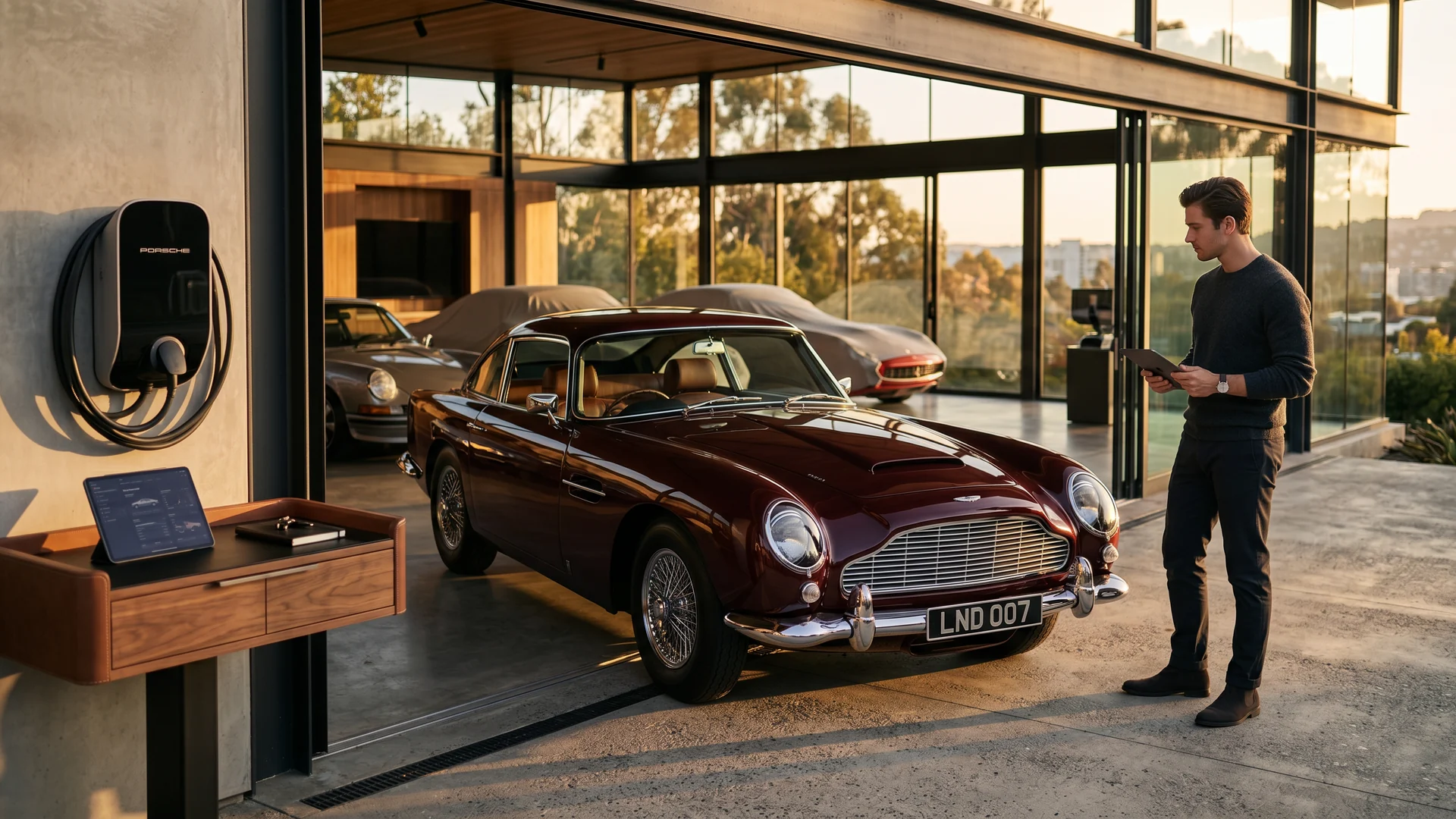
The Future of Classic Car Collecting: Trends Shaping the Next Generation
The future of classic car collecting: why 2035 ICE bans spare existing cars, plus e-fuels, shifting demographics, electromods and fractional ownership…
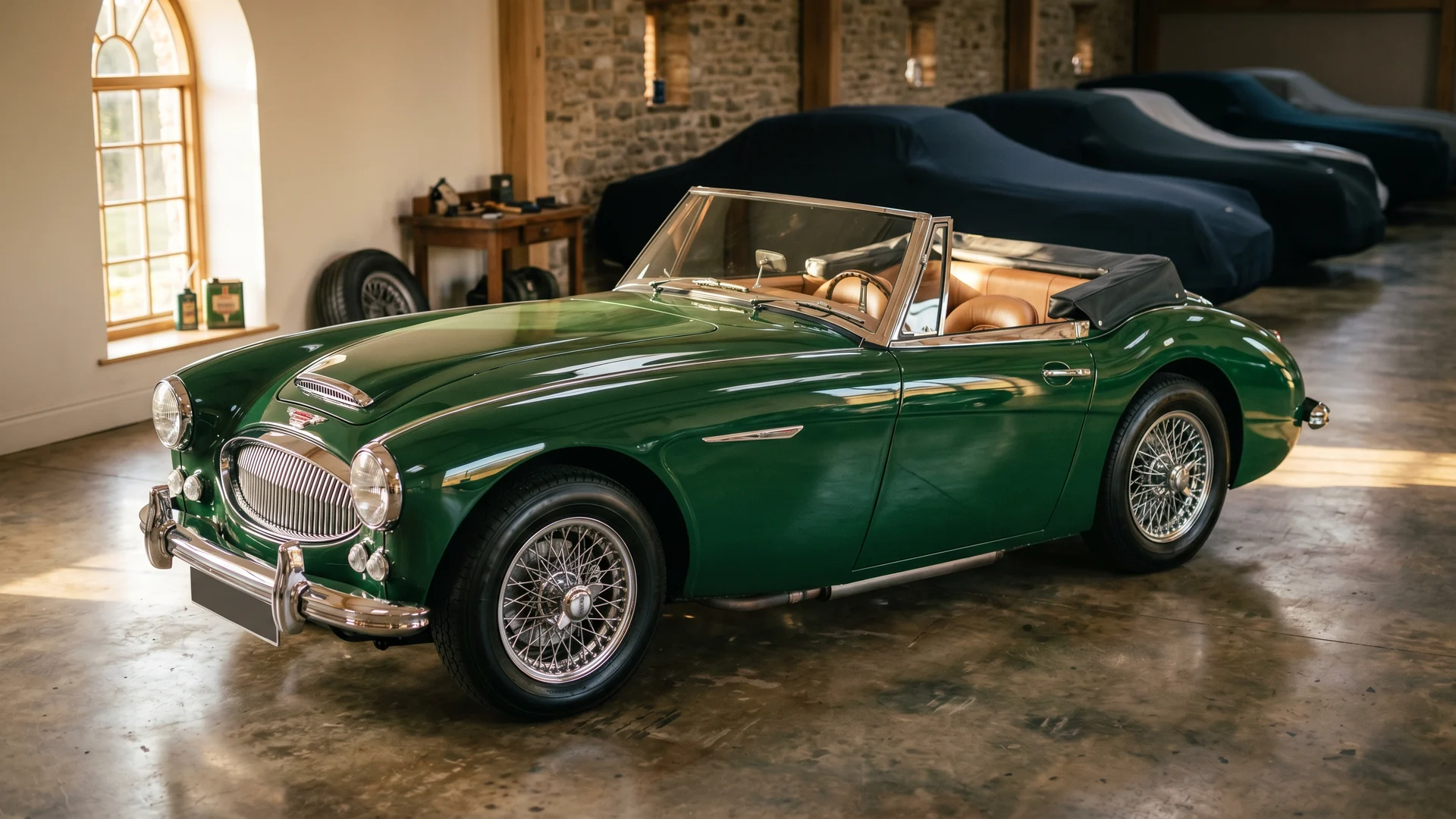
Classic Car Insurance Guide: Protecting Your Vintage Investment
Classic car insurance guide: why agreed-value policies beat stated and actual cash value, how Hagerty, Grundy and Chubb compare, plus costs and covera…
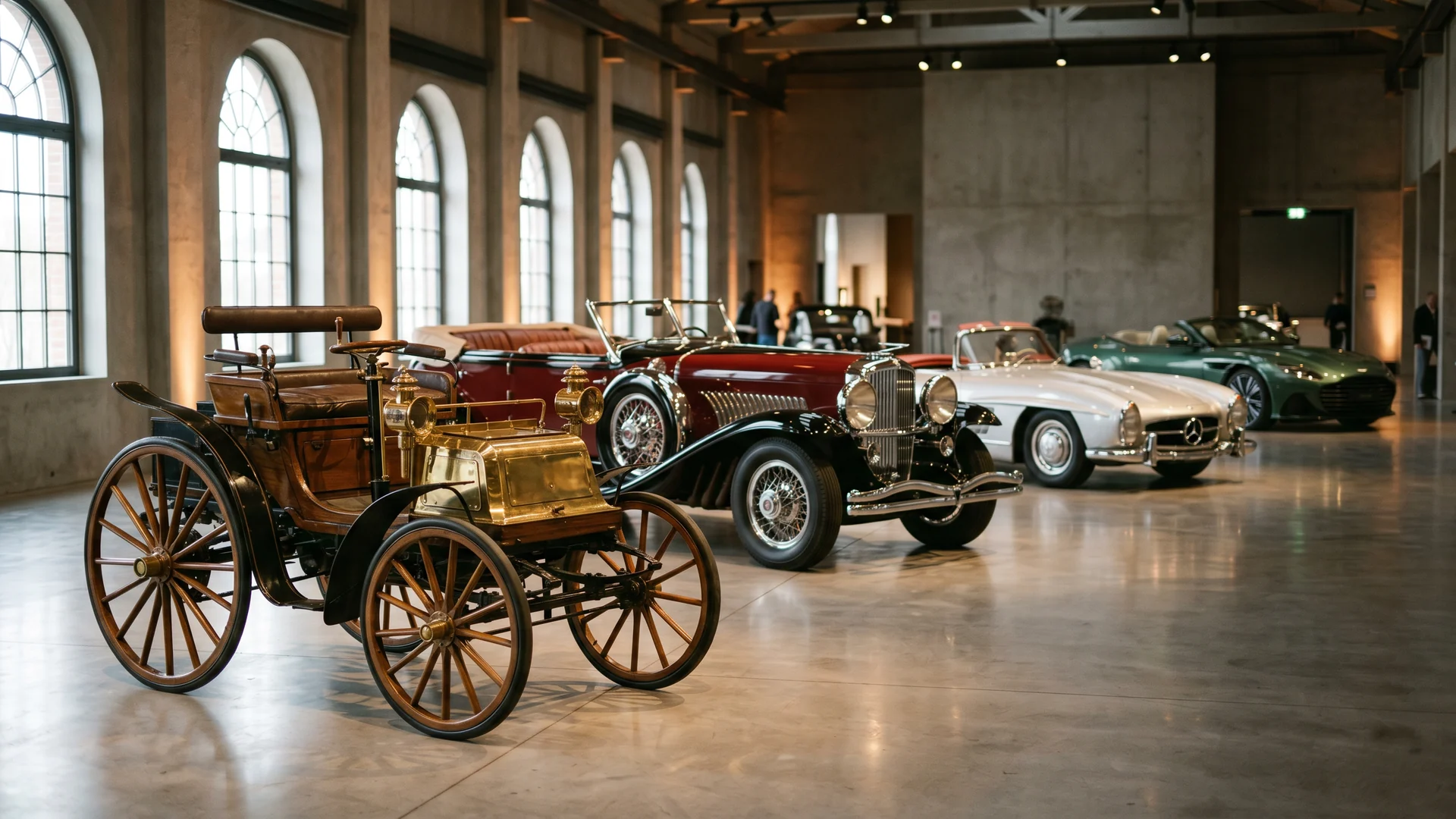
Classic Car History Timeline: From Benz to the Modern Collector Era
Classic car history timeline from the 1886 Benz Patent-Motorwagen through coachbuilding, muscle cars and supercars to modern collectibles. Discover th…