Classic Porsche vs Ferrari: Which Oldtimer Holds Value Better?
Classic Porsche and Ferrari vehicles represent the pinnacle of automotive engineering and design, captivating enthusiasts and collectors alike. These iconic brands have carved out …
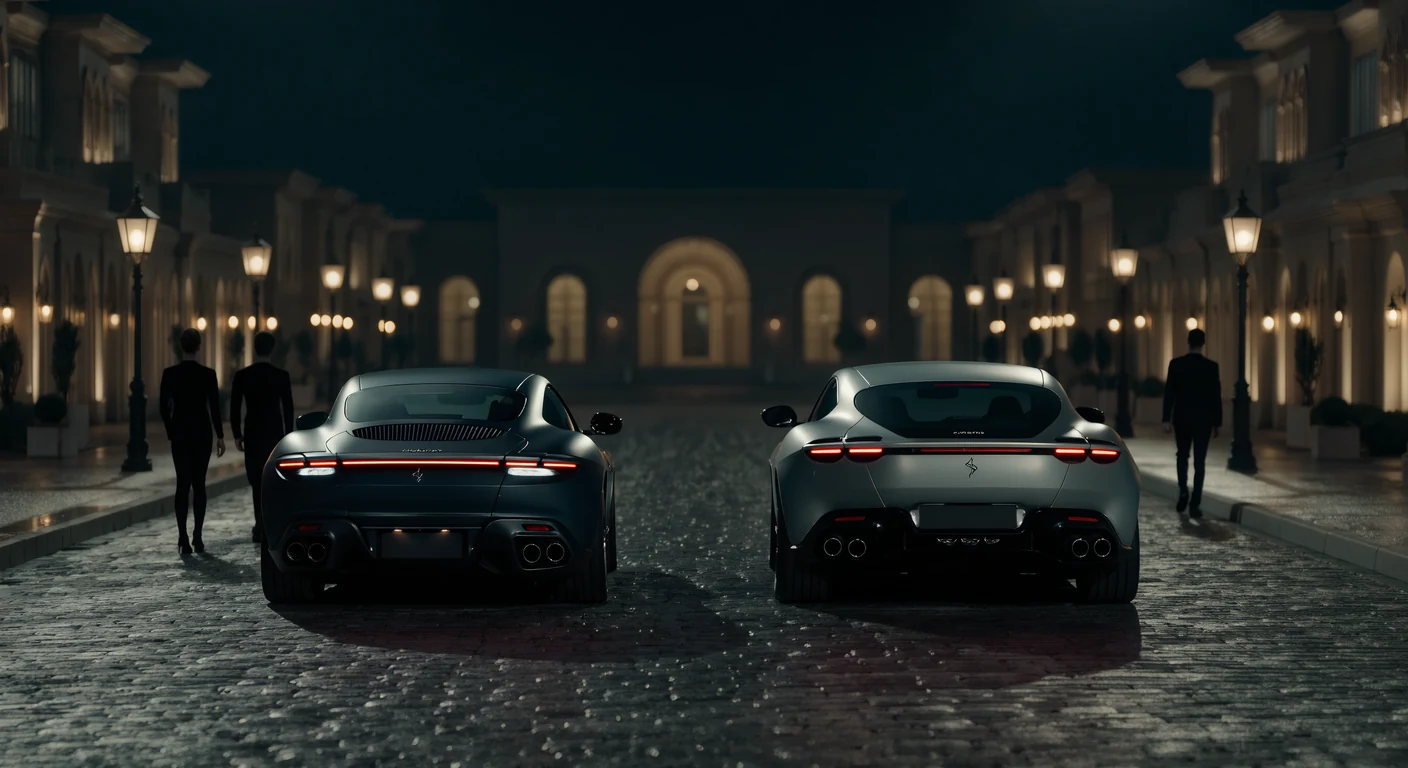
Classic Porsche and Ferrari vehicles represent the pinnacle of automotive engineering and design, captivating enthusiasts and collectors alike. These iconic brands have carved out a significant niche in the classic car market, where their timeless appeal and performance continue to attract attention. Owning a classic Porsche or Ferrari is not just about possessing a vehicle; it’s about embracing a lifestyle steeped in history, prestige, and passion for speed.
The allure of these cars lies in their unique blend of style, performance, and heritage, making them highly sought after by collectors around the globe. As the classic car market continues to evolve, understanding the nuances of these two legendary brands becomes essential for potential buyers and investors. The value of classic cars can fluctuate based on various factors, including historical significance, rarity, and condition.
This article delves into the rich histories of Porsche and Ferrari, explores the factors influencing their values, and compares the investment potential of these two automotive giants.
Key Takeaways
- Classic Porsche and Ferrari both have rich histories that significantly influence their collectible value.
- Factors such as rarity, maintenance costs, and racing heritage play crucial roles in determining the value of classic cars.
- Porsche models generally have lower maintenance costs compared to Ferrari, impacting long-term ownership expenses.
- Ferrari’s rarity and strong racing legacy often lead to higher collectibility and value appreciation.
- Market trends and expert opinions suggest both brands hold value well, but Ferrari may have a slight edge in future investment potential.
Historical Background of Porsche and Ferrari
Porsche’s journey began in 1931 when Ferdinand Porsche founded the company in Stuttgart, Germany. Initially focused on vehicle development consulting, Porsche soon ventured into manufacturing its own cars. The introduction of the Porsche 356 in 1948 marked the brand’s entry into the sports car market, setting the stage for its future success.
Over the decades, Porsche has become synonymous with precision engineering and performance, with models like the 911 solidifying its status as an automotive icon. Ferrari, on the other hand, has a storied history rooted in racing. Founded by Enzo Ferrari in 1939 as Auto Avio Costruzioni, the brand quickly gained recognition for its high-performance racing cars.
The first Ferrari-badged car, the 125 S, debuted in 1947, marking the beginning of a legacy defined by speed and success on the racetrack. Ferrari’s commitment to innovation and excellence has led to numerous victories in prestigious racing events, further enhancing its reputation as a luxury sports car manufacturer.
Factors Affecting the Value of Classic Cars
The value of classic cars is influenced by several key factors that potential buyers should consider. One of the most significant determinants is rarity. Limited production runs or unique models often command higher prices due to their scarcity.
Additionally, a car’s historical significance can greatly impact its value; vehicles that have participated in notable races or belonged to famous personalities tend to be more desirable. Condition is another critical factor affecting value. A well-preserved classic car with original parts and low mileage will typically fetch a higher price than one that has been heavily modified or poorly maintained.
Market demand also plays a crucial role; trends in collector preferences can shift over time, affecting which models are considered valuable. Understanding these factors can help buyers make informed decisions when investing in classic Porsche or Ferrari vehicles.
Classic Porsche Models and Their Value Over Time
Classic Porsche models have shown impressive appreciation over the years, particularly the iconic 911 series. Launched in 1964, the 911 has become a symbol of performance and engineering excellence. Early models from the 1960s and 1970s are highly sought after by collectors, with values skyrocketing due to their historical significance and driving experience.
For instance, a 1973 Porsche 911 Carrera RS has seen values soar into the six-figure range as collectors recognize its rarity and racing pedigree. Other notable models include the Porsche 356 and the Porsche 914. The 356, produced from 1948 to 1965, is celebrated for its timeless design and driving dynamics.
Values for well-preserved examples have steadily increased over time, reflecting its status as one of Porsche’s foundational models. Similarly, the 914 has gained traction among collectors due to its unique design and mid-engine layout, with values rising as enthusiasts seek out this distinctive model.
AdvertisingWer beide Autos einmal auf derselben Strecke vergleichen möchte, ohne eine Sammlung zu besitzen, kann das simuliert tun: Sim.Racing in der Motorworld Mallorca stellt over 150 cars and laser-scanned circuits bereit.
Classic Ferrari Models and Their Value Over Time
Ferrari’s classic models are often regarded as some of the most valuable cars in the world. The Ferrari 250 series, particularly models like the 250 GTO and 250 Testa Rossa, are legendary among collectors. The 250 GTO, produced between 1962 and 1964, is one of the most coveted classic cars globally, with auction prices reaching astronomical figures, some even exceeding $40 million.
Its combination of racing success and limited production makes it a pinnacle of automotive investment. Other classic Ferraris, such as the Dino and the F40, have also seen significant appreciation over time. The Dino, produced from 1968 to 1976, is celebrated for its design and engineering excellence.
As more collectors recognize its importance in Ferrari’s history, values have steadily climbed. The F40, introduced in 1987 as a celebration of Ferrari’s 40th anniversary, remains a symbol of performance and innovation. Its limited production run and iconic status have made it a sought-after model among enthusiasts.
Comparison of Maintenance Costs for Classic Porsche and Ferrari
When considering classic cars as investments or daily drivers, maintenance costs are an essential factor to evaluate. Generally speaking, classic Porsches tend to have lower maintenance costs compared to Ferraris. This is partly due to Porsche’s engineering philosophy that emphasizes reliability and ease of serviceability.
Many independent mechanics are familiar with Porsche models, making repairs more accessible and affordable. In contrast, maintaining a classic Ferrari can be significantly more expensive. The intricate engineering and high-performance components often require specialized knowledge for repairs and maintenance.
Parts for Ferraris can also be harder to source and more costly due to their exclusivity. While both brands require regular upkeep to maintain their value, potential buyers should be prepared for higher ongoing costs when considering a classic Ferrari.
Rarity and Collectibility of Classic Porsche and Ferrari
Rarity plays a crucial role in determining the collectibility of classic cars from both brands. Limited production runs or unique variants often attract collectors willing to pay premium prices. For instance, certain special editions of Porsches like the 911 Turbo S or the GT3 RS are highly sought after due to their limited availability.
Ferrari’s exclusivity is even more pronounced; many models are produced in very small numbers, making them exceptionally rare on the market. The brand’s history of producing limited-edition models further enhances its collectibility. Cars like the LaFerrari or the FXX K are not only rare but also represent cutting-edge technology and design philosophy, making them highly desirable among collectors.
Influence of Racing Heritage on the Value of Classic Porsche and Ferrari
Both Porsche and Ferrari have rich racing heritages that significantly influence their classic car values. For Ferrari, success on the racetrack has been integral to its brand identity since its inception. Models that have achieved notable victories in prestigious races like Le Mans or Formula One often see their values soar due to their historical significance.
Porsche also boasts an impressive racing pedigree; its vehicles have dominated various motorsport events over decades. Models like the Porsche 917 are celebrated not only for their performance but also for their contributions to racing history. The connection between racing success and classic car value is undeniable for both brands; enthusiasts often seek out models with proven track records on the track.
Trends in the Classic Car Market for Porsche and Ferrari
The classic car market has experienced notable trends in recent years that affect both Porsche and Ferrari values.
This demographic shift has led to rising demand for classic models that were once considered niche.
Additionally, there has been a growing emphasis on electric vehicles within the automotive industry; however, classic cars remain timeless symbols of automotive passion. As electric vehicles gain traction, some collectors may view classic Porsches and Ferraris as valuable investments that offer a tangible connection to automotive history. This trend suggests that while new technologies emerge, classic cars will continue to hold their appeal among enthusiasts.
Expert Opinions on the Future Value of Classic Porsche and Ferrari
Experts in the automotive industry generally agree that both classic Porsche and Ferrari models will continue to appreciate over time. Analysts point out that while economic fluctuations can impact luxury markets, the inherent desirability of these brands provides a level of stability for collectors. Many believe that iconic models with historical significance will remain particularly resilient against market downturns.
Furthermore, as fewer classic examples remain on the road due to age or wear-and-tear, scarcity will likely drive up values even further. Experts recommend that potential buyers focus on well-documented models with strong provenance to maximize their investment potential in either brand.
Which Oldtimer Holds Value Better – Classic Porsche or Ferrari?
In conclusion, both classic Porsche and Ferrari vehicles offer unique investment opportunities with strong potential for appreciation over time.
Ultimately, choosing between these two iconic brands depends on individual preferences regarding style, performance, and investment goals.
Whether you lean towards the precision engineering of Porsche or the racing legacy of Ferrari, both brands promise an exhilarating journey into automotive history that will captivate enthusiasts for generations to come.
FAQs
Which classic car brand generally holds its value better, Porsche or Ferrari?
Both Porsche and Ferrari classic cars tend to hold their value well, but Ferraris often command higher prices at auction due to their exclusivity and brand prestige. However, certain Porsche models, especially iconic ones like the 911, also maintain strong resale values.
What factors influence the value retention of classic Porsches and Ferraris?
Key factors include the model’s rarity, historical significance, condition, originality, mileage, and provenance. Limited production runs and models with racing heritage typically hold value better for both brands.
Are maintenance and repair costs different between classic Porsches and Ferraris?
Yes, Ferrari maintenance and repair costs are generally higher due to the complexity of their engines and the exclusivity of parts. Porsche parts and servicing tend to be more accessible and affordable, which can impact overall ownership costs.
Do classic Porsches or Ferraris appreciate more over time?
While both brands can appreciate, Ferraris often see higher appreciation rates due to their limited availability and strong collector demand. However, certain Porsche models have also experienced significant appreciation, especially well-maintained and rare variants.
Is it easier to find parts for classic Porsches or Ferraris?
Classic Porsche parts are generally easier to find and more affordable because of the brand’s larger production volumes and extensive aftermarket support. Ferrari parts can be rarer and more expensive, reflecting the brand’s exclusivity.
Which classic car brand has a larger enthusiast community?
Porsche has a larger global enthusiast community due to its broader model range and accessibility. Ferrari enthusiasts are highly passionate but smaller in number, often focused on specific limited-edition models.
How does the driving experience compare between classic Porsches and Ferraris?
Classic Porsches are known for their balanced handling and everyday usability, especially models like the 911. Ferraris typically offer a more exotic and high-performance driving experience, often with more powerful engines and aggressive styling.
Are there specific classic Porsche or Ferrari models that are considered better investments?
Yes, for Porsche, models like the 911 Carrera RS, 356 Speedster, and early 911 variants are highly sought after. For Ferrari, models such as the 250 GTO, F40, and 275 GTB are considered top investments due to their rarity and historical importance.
Does the provenance or ownership history affect the value of classic Porsches and Ferraris?
Absolutely. Classic cars with documented ownership history, especially those owned by notable individuals or with racing pedigrees, tend to command higher prices for both Porsche and Ferrari models.
What should buyers consider when investing in a classic Porsche or Ferrari?
Buyers should consider the car’s condition, originality, maintenance history, rarity, and market trends. Consulting with experts and obtaining thorough inspections are crucial steps to ensure a sound investment.
Does a classic Porsche or Ferrari hold its value better?
Which classic Porsche models are most valuable?
Are Porsches cheaper to maintain than Ferraris?
More from Blog
The Future of Classic Car Collecting: Trends Shaping the Next Generation
The future of classic car collecting: why 2035 ICE bans spare existing cars, plus e-fuels, shifting demographics, electromods and fractional ownership…
Classic Car Insurance Guide: Protecting Your Vintage Investment
Classic car insurance guide: why agreed-value policies beat stated and actual cash value, how Hagerty, Grundy and Chubb compare, plus costs and covera…
Classic Car History Timeline: From Benz to the Modern Collector Era
Classic car history timeline from the 1886 Benz Patent-Motorwagen through coachbuilding, muscle cars and supercars to modern collectibles. Discover th…