Classic Cars as Luxury Assets: Hype or Financial Genius?
Classic cars have long captivated enthusiasts and investors alike, serving as symbols of status, craftsmanship, and nostalgia. These vehicles are not merely modes of transportation…
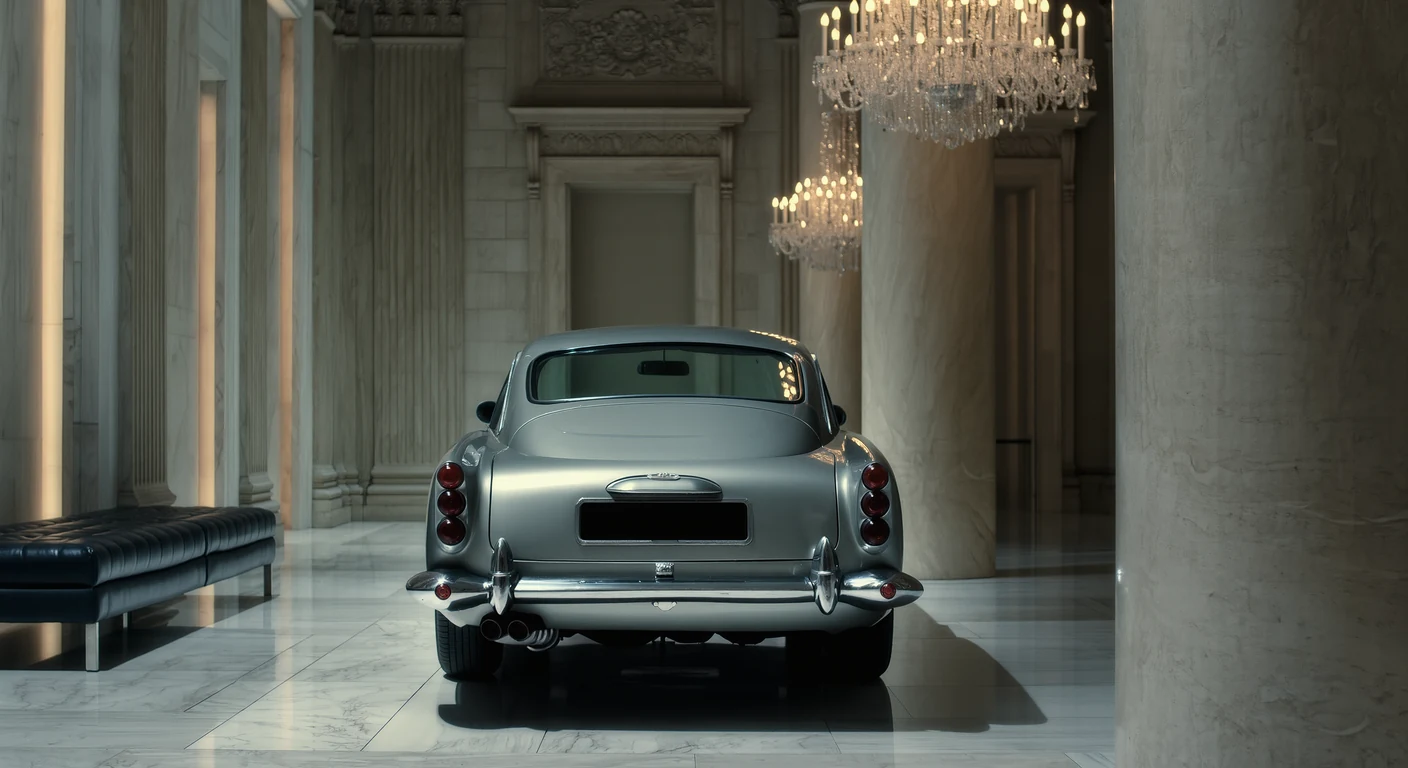
Classic cars have long captivated enthusiasts and investors alike, serving as symbols of status, craftsmanship, and nostalgia. These vehicles are not merely modes of transportation; they represent a lifestyle and a connection to a bygone era. The allure of classic cars lies in their unique designs, historical significance, and the stories they tell.
Owning a classic car is akin to possessing a piece of history, making it an attractive option for those looking to invest in luxury assets. Moreover, classic cars often evoke a sense of pride and joy among their owners. The thrill of driving a vintage vehicle, coupled with the admiration it garners from onlookers, adds to its appeal.
As luxury assets, classic cars can appreciate in value over time, making them not only a passion project but also a potential financial investment. This duality of enjoyment and investment potential is what draws many to the world of classic automobiles.
Key Takeaways
- Classic cars combine luxury appeal with potential investment value, attracting enthusiasts and investors alike.
- Historical data shows classic cars can appreciate significantly, but performance varies by model and market conditions.
- Key investment considerations include authenticity, condition, provenance, and market demand.
- Proper maintenance and restoration are crucial to preserving and enhancing a classic car’s value over time.
- Market trends, pop culture influence, and collector events heavily impact the desirability and pricing of classic cars.
The historical performance of classic cars as investments
Historically, classic cars have demonstrated impressive performance as investment vehicles. Over the past few decades, certain models have seen significant appreciation in value, often outpacing traditional investments like stocks and bonds. For instance, iconic brands such as Ferrari, Porsche, and Aston Martin have consistently shown strong market performance, with some models fetching millions at auctions.
This historical data provides a compelling case for classic cars as viable investment options. Investors often look to the rarity and desirability of specific models when assessing their potential for appreciation. Limited production runs, unique features, and historical significance can all contribute to a classic car’s value.
As demand continues to grow among collectors and enthusiasts, the historical performance of classic cars suggests that they can be a lucrative addition to an investment portfolio.
Factors to consider before investing in classic cars
Before diving into the world of classic car investments, several factors warrant careful consideration. First and foremost is the model’s provenance, its history and background can significantly impact its value. Researching the car’s previous ownership, maintenance records, and any modifications made can provide insight into its potential as an investment.
Additionally, market trends play a crucial role in determining which models are likely to appreciate.
Factors such as age, condition, and rarity should also be evaluated.
A well-maintained vehicle with a strong pedigree is more likely to retain its value over time compared to one that has been poorly cared for or lacks documentation.
The role of maintenance and restoration in preserving the value of classic cars
Maintenance and restoration are critical components in preserving the value of classic cars. Regular upkeep ensures that these vehicles remain in optimal condition, which is essential for both performance and aesthetics. A well-maintained classic car not only drives better but also attracts more interest from potential buyers should the owner decide to sell.
Restoration can also play a significant role in enhancing a classic car’s value. However, it is essential to approach restoration with care. Over-restoration or using non-original parts can detract from a car’s authenticity and reduce its market value.
Therefore, it is advisable to work with experienced professionals who understand the nuances of classic car restoration. By investing in proper maintenance and thoughtful restoration, owners can safeguard their investment while enjoying the beauty of their vehicles.
The impact of market trends and demand on the value of classic cars
Market trends significantly influence the value of classic cars. As tastes evolve and new generations of collectors emerge, certain models may rise or fall in popularity. For instance, the recent surge in interest for Japanese sports cars from the 1980s and 1990s has led to increased values for models like the Nissan Skyline GT-R and Toyota Supra.
Staying informed about these trends can help investors make strategic decisions about which vehicles to acquire. Demand also plays a pivotal role in determining prices within the classic car market. Economic factors, such as disposable income levels and overall market health, can affect how much collectors are willing to spend on luxury assets.
Additionally, events like auctions and car shows can create buzz around specific models, driving up demand and prices. Understanding these dynamics is crucial for anyone looking to invest in classic cars.
The potential risks and pitfalls of investing in classic cars
While investing in classic cars can be rewarding, it is not without its risks. One significant pitfall is the potential for market volatility; values can fluctuate based on economic conditions or shifts in collector preferences. Additionally, the costs associated with ownership, such as insurance, storage, and maintenance, can add up quickly and impact overall returns.
Counterfeit parts or misrepresented histories can lead to significant financial losses for unsuspecting buyers. Therefore, thorough research and due diligence are essential before making any purchase.
By being aware of these risks and taking proactive measures to mitigate them, investors can navigate the classic car market more effectively.
The appeal of classic cars as tangible, appreciating assets
Classic cars offer a unique appeal as tangible assets that can appreciate over time. Unlike stocks or bonds, which exist only on paper, classic cars provide a physical connection to history and craftsmanship. This tangibility adds an emotional layer to ownership that many investors find appealing.
Moreover, as tangible assets, classic cars can serve as a hedge against inflation. While traditional investments may lose value during economic downturns, well-maintained classic cars often retain or even increase their worth. This characteristic makes them an attractive option for those looking to diversify their investment portfolios with physical assets that have intrinsic value.
The emotional and nostalgic value of classic cars as luxury assets
Beyond their financial potential, classic cars hold significant emotional and nostalgic value for many owners. These vehicles often evoke memories of simpler times or cherished experiences from youth. For some collectors, owning a classic car is about reliving those moments or connecting with family history.
This emotional connection can enhance the overall enjoyment of ownership. Classic car enthusiasts often form communities around their shared passion, attending events and shows where they can showcase their vehicles and connect with like-minded individuals. This sense of belonging adds another layer of value that goes beyond mere financial considerations.
The role of auctions and collectors’ events in the classic car market
Auctions and collectors’ events play a vital role in shaping the classic car market. These venues provide opportunities for buyers and sellers to connect while showcasing rare and desirable models. High-profile auctions often attract significant media attention, which can drive up demand for featured vehicles.
Participating in these events allows investors to gauge market trends firsthand while networking with other collectors and industry experts. Additionally, auctions provide transparency regarding pricing and valuation, helping buyers make informed decisions about their investments. For many enthusiasts, attending these events is not just about buying or selling; it’s an experience that deepens their appreciation for classic automobiles.
The influence of pop culture and media on the perception of classic cars as luxury assets
Pop culture and media have a profound impact on how classic cars are perceived as luxury assets. Iconic films featuring vintage vehicles often spark renewed interest among collectors and enthusiasts alike. For example, movies like “Bullitt” or “The Italian Job” have immortalized certain models in popular culture, driving up their desirability.
Television shows that focus on car restoration or customization also contribute to this phenomenon by showcasing the beauty and craftsmanship of classic automobiles. As these vehicles gain visibility through various media channels, they become more sought after by collectors looking to own a piece of cinematic history or nostalgia.
The future outlook for classic cars as a viable investment option
The future outlook for classic cars as an investment option remains promising despite potential challenges. As younger generations become more interested in vintage vehicles, demand is likely to continue growing. Additionally, advancements in technology may enhance the preservation and restoration processes, making it easier for owners to maintain their investments.
Furthermore, as global wealth increases, more individuals are seeking alternative investments that offer both enjoyment and financial returns. Classic cars fit this niche perfectly by combining passion with potential profit. With careful research and strategic decision-making, investors can navigate this dynamic market successfully while enjoying the unique experience that comes with owning a piece of automotive history.
In conclusion, investing in classic cars presents both opportunities and challenges. By understanding the allure of these luxury assets, historical performance trends, maintenance needs, market dynamics, risks involved, emotional connections, auction roles, cultural influences, and future prospects, investors can make informed decisions that align with their financial goals while indulging in their passion for timeless automobiles.
FAQs
What defines a classic car as a luxury asset?
A classic car is considered a luxury asset when it holds significant value due to its rarity, historical importance, brand prestige, and condition. These vehicles often appreciate over time and are sought after by collectors and investors.
Why do classic cars sometimes appreciate in value?
Classic cars can appreciate due to factors such as limited production numbers, cultural significance, originality, and increasing demand among collectors. Economic conditions and trends in the luxury market also influence their value.
Are classic cars a reliable investment compared to traditional assets?
Classic cars can be a profitable investment but are generally considered less liquid and more volatile than traditional assets like stocks or bonds. Their value depends heavily on market trends, maintenance, and provenance.
What costs are associated with owning a classic car as an investment?
Costs include purchase price, insurance, storage, maintenance, restoration, and potential transportation. These expenses can be substantial and affect the overall return on investment.
How does one verify the authenticity and value of a classic car?
Verification involves checking the vehicle’s history, matching numbers, documentation, expert appraisals, and sometimes certification from recognized classic car organizations.
Can classic cars be used as collateral for loans?
Yes, some financial institutions accept classic cars as collateral, but the process requires professional valuation and may involve higher interest rates due to the asset’s unique nature.
What are the risks involved in investing in classic cars?
Risks include market volatility, high maintenance costs, potential for damage or theft, and the possibility that the car’s value may not appreciate as expected.
How does the classic car market differ globally?
Market demand, popular models, and pricing can vary significantly by region due to cultural preferences, import regulations, and economic factors.
Is it necessary to have expertise to invest in classic cars?
While not mandatory, having knowledge or consulting experts is highly recommended to make informed decisions and avoid common pitfalls in the classic car market.
What role do auctions play in the classic car market?
Auctions are a primary venue for buying and selling classic cars, often setting benchmark prices and providing transparency in the market. They attract collectors, dealers, and investors worldwide.
More from Blog
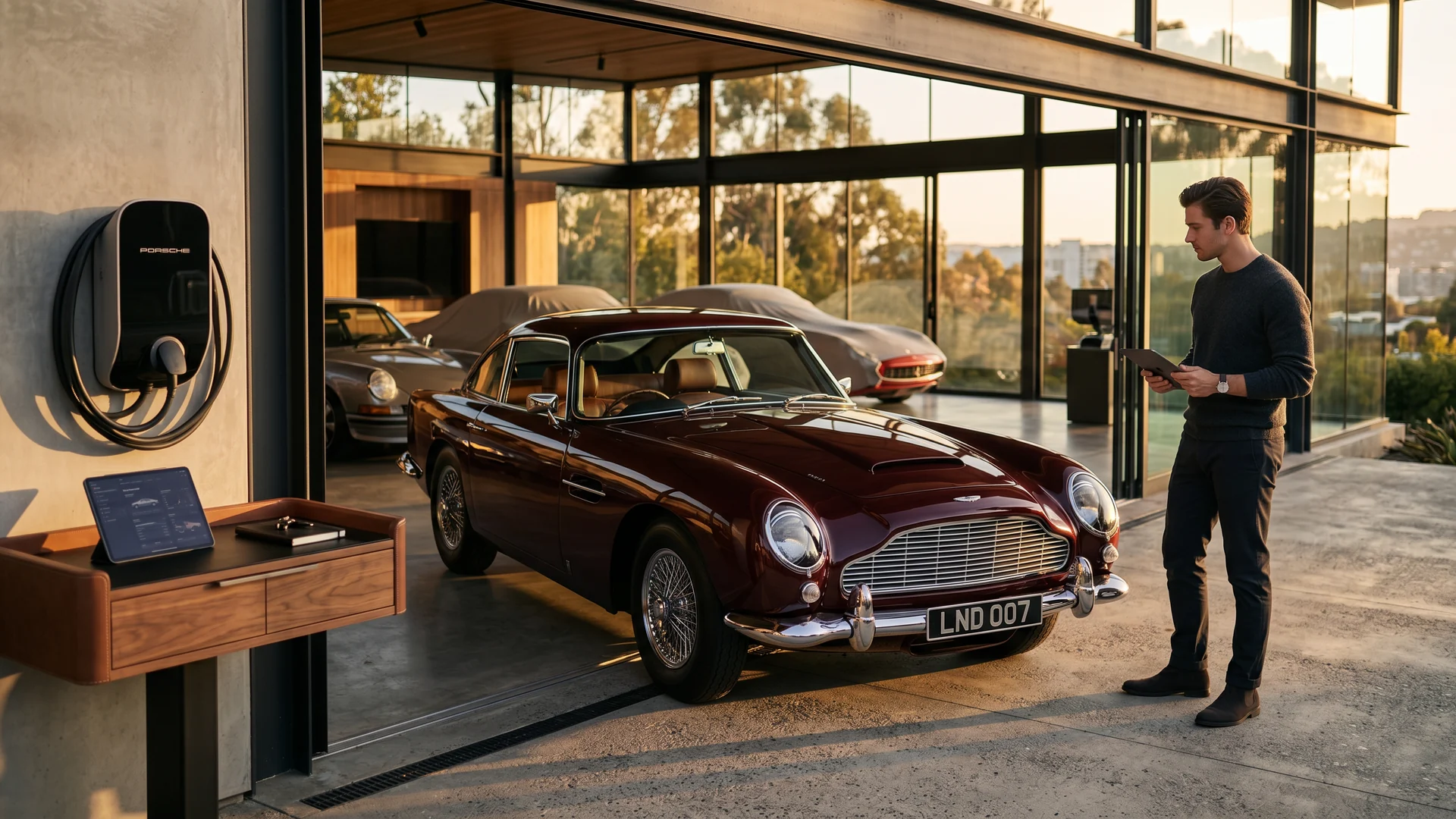
The Future of Classic Car Collecting: Trends Shaping the Next Generation
The future of classic car collecting: why 2035 ICE bans spare existing cars, plus e-fuels, shifting demographics, electromods and fractional ownership…
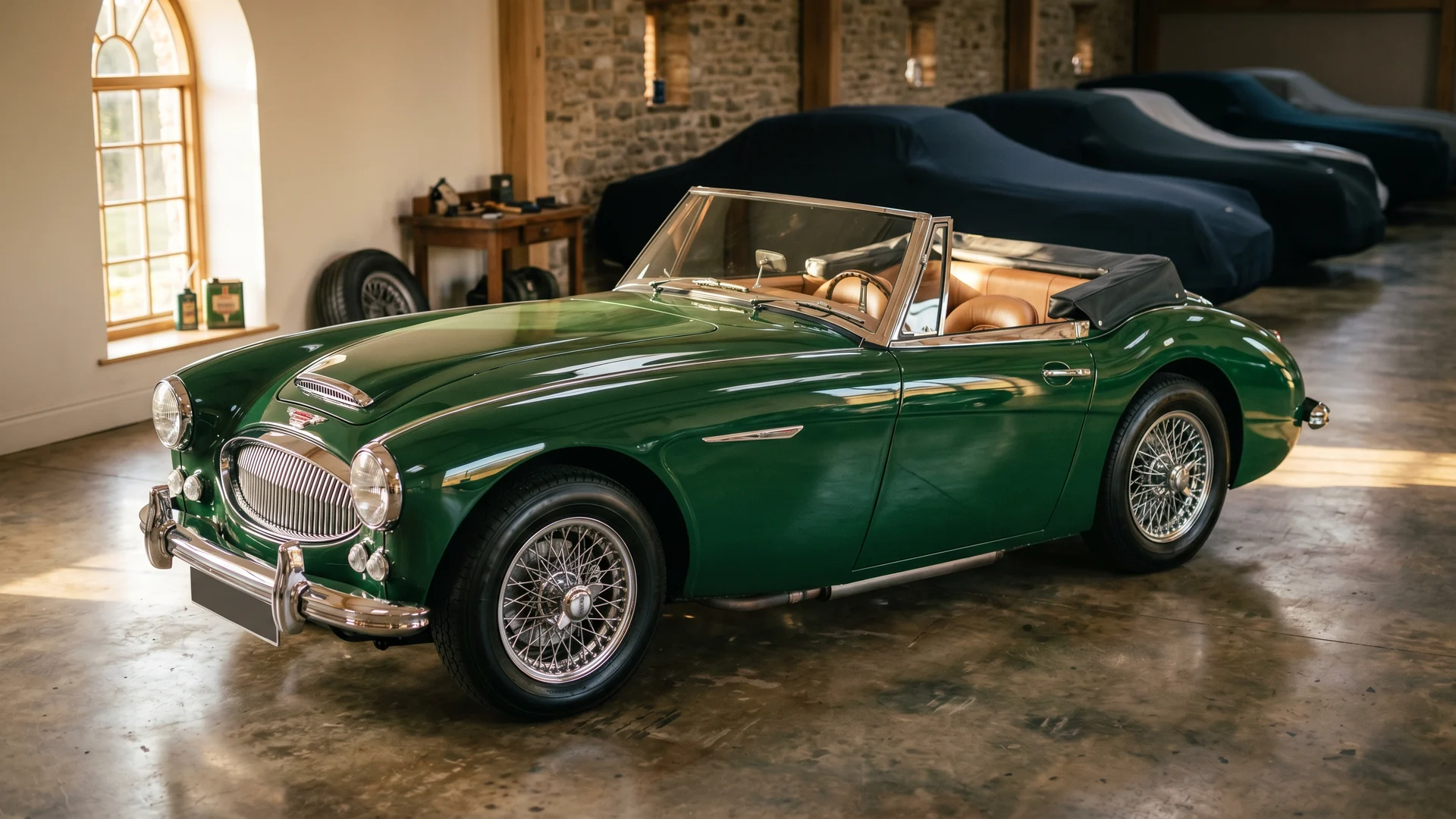
Classic Car Insurance Guide: Protecting Your Vintage Investment
Classic car insurance guide: why agreed-value policies beat stated and actual cash value, how Hagerty, Grundy and Chubb compare, plus costs and covera…
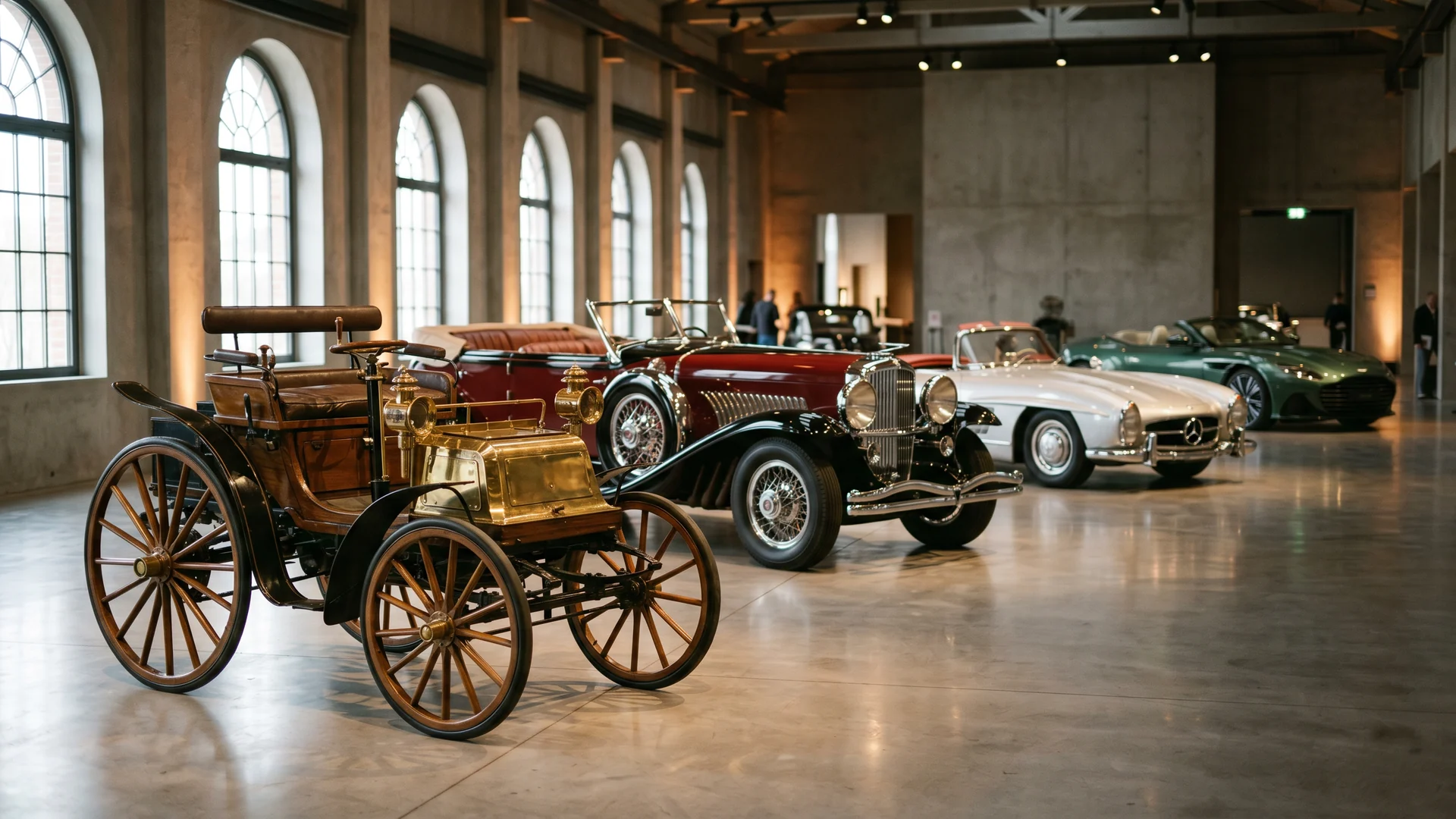
Classic Car History Timeline: From Benz to the Modern Collector Era
Classic car history timeline from the 1886 Benz Patent-Motorwagen through coachbuilding, muscle cars and supercars to modern collectibles. Discover th…