Classic Car Collectors vs Enthusiasts: Who Really Controls the Market
Classic cars hold a special place in the hearts of many, representing not just a mode of transportation but a rich tapestry of history, craftsmanship, and nostalgia. Classic car co…
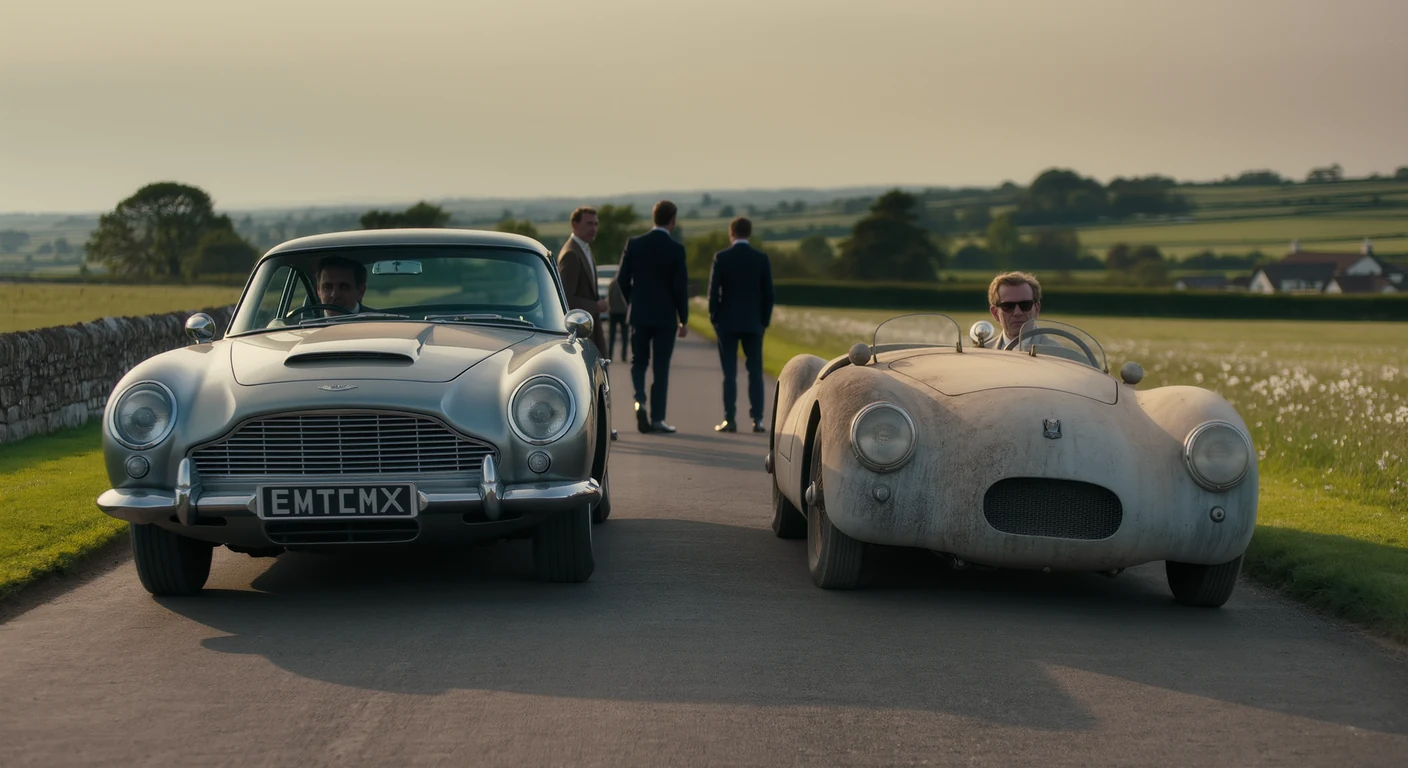
Classic cars hold a special place in the hearts of many, representing not just a mode of transportation but a rich tapestry of history, craftsmanship, and nostalgia. Classic car collectors and enthusiasts are the lifeblood of this vibrant community, each contributing uniquely to the preservation and appreciation of these automotive treasures. Collectors often seek to acquire rare models, while enthusiasts may focus on the joy of driving and sharing their passion with others.
Together, they create a dynamic ecosystem that fuels the classic car market, driving demand and influencing trends. The allure of classic cars extends beyond mere aesthetics; it encompasses a sense of identity and belonging. For many, owning a classic car is a dream realized, a connection to the past that transcends generations.
This article delves into the intricate relationship between collectors and enthusiasts, exploring their distinct roles, the impact they have on the market, and the challenges they face in an ever-evolving landscape.
Key Takeaways
- Classic car collectors focus on investment and rarity, while enthusiasts prioritize passion and driving experience.
- Collectors significantly influence market prices and trends through acquisitions and auctions.
- Enthusiasts drive demand by valuing restoration, preservation, and active use of classic cars.
- Online platforms are transforming how classic cars are bought and sold, increasing market accessibility.
- The classic car market faces challenges like rising costs, authenticity concerns, and balancing collector and enthusiast interests.
Understanding the Differences Between Collectors and Enthusiasts
While both classic car collectors and enthusiasts share a passion for vintage automobiles, their motivations and approaches can differ significantly. Collectors typically focus on acquiring specific models, often driven by rarity, historical significance, or investment potential. They may invest considerable time and resources into building a curated collection that reflects their personal tastes and values.
Collectors often attend auctions, engage with fellow collectors, and participate in exclusive events to enhance their knowledge and expand their collections. On the other hand, enthusiasts are often more focused on the experience of owning and driving classic cars. They may not prioritize ownership as much as they do the joy of restoration, maintenance, and participation in car shows or rallies.
Enthusiasts often form communities around shared interests, exchanging tips on restoration techniques or organizing meet-ups to celebrate their love for classic cars. While collectors may view their vehicles as investments, enthusiasts often see them as a means of connection to history and culture.
The Impact of Classic Car Collectors on the Market
Classic car collectors play a pivotal role in shaping the market dynamics. Their purchasing power can drive prices up for certain models, particularly those that are rare or have historical significance. As collectors seek to acquire these vehicles, they create demand that can lead to increased valuations across the board.
This phenomenon can be seen in auction results where certain models fetch staggering prices due to competitive bidding among collectors. Moreover, collectors often influence trends within the classic car community. Their preferences can dictate which models gain popularity, leading to shifts in market demand.
For instance, if a particular model becomes highly sought after by collectors, it can spark renewed interest among enthusiasts and casual buyers alike. This ripple effect can significantly impact the availability and pricing of classic cars in the market.
The Influence of Enthusiasts on the Classic Car Market
Enthusiasts also wield considerable influence over the classic car market, albeit in different ways than collectors. Their passion for driving and sharing experiences can create a vibrant community that fosters interest in classic cars. Enthusiasts often advocate for preservation efforts, encouraging others to appreciate the craftsmanship and history behind these vehicles.
Their enthusiasm can lead to increased participation in events such as car shows, rallies, and club meetings, which further promotes awareness and appreciation for classic cars. Additionally, enthusiasts often contribute to the market by sharing knowledge and resources. They may write blogs, produce videos, or engage on social media platforms to educate others about restoration techniques or model histories.
This grassroots approach helps demystify classic car ownership for newcomers and encourages more people to enter the market. As a result, enthusiasts play a crucial role in sustaining interest in classic cars and ensuring that future generations continue to appreciate these automotive icons.
The Role of Classic Car Auctions in the Market
Classic car auctions serve as a critical platform for both collectors and enthusiasts to buy and sell vehicles. These events attract a diverse audience, from seasoned collectors looking to expand their collections to first-time buyers eager to own a piece of automotive history. Auctions provide an opportunity for sellers to showcase their vehicles to a targeted audience, often resulting in competitive bidding that can drive prices higher than expected.
The auction environment also fosters transparency in pricing, allowing buyers to gauge market value based on recent sales data. This transparency is essential for both collectors and enthusiasts as it helps them make informed decisions when entering the market. Additionally, auctions often feature expert appraisals and detailed vehicle histories, providing buyers with valuable insights into the condition and provenance of each car.
The Importance of Restorations and Preservation
Restoration and preservation are vital components of the classic car community. Many collectors invest significant time and resources into restoring vehicles to their original condition or enhancing them with modern upgrades while maintaining their classic appeal. This process not only increases the value of the vehicle but also ensures that its history is preserved for future generations.
Enthusiasts often take on restoration projects as a labor of love, using their skills to breathe new life into neglected classics. This hands-on approach fosters a deeper connection between owners and their vehicles, as they learn about the intricacies of automotive engineering and design. Preservation efforts also extend beyond individual vehicles; many enthusiasts advocate for historical societies and museums dedicated to showcasing classic cars and educating the public about their significance.
The Rise of Online Platforms for Buying and Selling Classic Cars
The digital age has transformed how classic cars are bought and sold. Online platforms have emerged as popular alternatives to traditional auctions and dealerships, offering greater accessibility for both collectors and enthusiasts. Websites dedicated to classic car sales provide extensive listings with detailed descriptions, photographs, and pricing information, allowing buyers to browse from the comfort of their homes.
These platforms also facilitate communication between buyers and sellers, enabling negotiations without geographical limitations. As a result, collectors can access a broader range of vehicles than ever before, while enthusiasts can find affordable options that suit their interests. The rise of online marketplaces has democratized the classic car market, making it easier for newcomers to enter the scene.
The Future of the Classic Car Market
The future of the classic car market appears promising as interest continues to grow among younger generations. As more people seek unique experiences and tangible connections to history, classic cars are likely to remain appealing investments. Additionally, advancements in technology may lead to innovative restoration techniques that preserve these vehicles while enhancing their performance.
However, challenges such as environmental regulations and changing consumer preferences may impact the market landscape. Electric vehicle technology is gaining traction, prompting discussions about how it will affect traditional combustion engine classics.
Challenges Faced by Collectors and Enthusiasts
Despite their shared passion for classic cars, both collectors and enthusiasts face several challenges in today’s market. One significant hurdle is the rising cost of ownership associated with classic vehicles. Maintenance, insurance, storage, and restoration expenses can add up quickly, making it difficult for some individuals to justify their investments.
Additionally, finding reliable parts for older models can be challenging as manufacturers discontinue production or limit availability. This scarcity can lead to inflated prices for rare components or necessitate custom fabrication efforts.
The Relationship Between Collectors and Enthusiasts
The relationship between collectors and enthusiasts is symbiotic; each group relies on the other to sustain interest in classic cars. Collectors benefit from the enthusiasm generated by passionate owners who share their experiences with others. This grassroots advocacy helps keep classic cars relevant in popular culture while attracting new buyers into the market.
Conversely, enthusiasts often look up to collectors as sources of inspiration and knowledge. Many aspire to build collections similar to those they admire while learning from seasoned collectors’ experiences. This dynamic fosters a sense of community within the classic car world where individuals can share insights, collaborate on projects, or simply enjoy each other’s company at events.
The Dynamic Balance of Power in the Classic Car Market
In conclusion, classic car collectors and enthusiasts play integral roles in shaping the market landscape. While collectors drive demand through strategic acquisitions, enthusiasts foster community engagement that keeps interest alive across generations. Together they create a dynamic balance that ensures classic cars remain cherished symbols of history and craftsmanship.
As we look toward the future of this vibrant community, it is essential for both groups to navigate challenges collaboratively while embracing opportunities presented by technological advancements and changing consumer preferences. By working together, sharing knowledge, resources, and passion, collectors and enthusiasts can continue preserving automotive heritage for years to come while enjoying all that these remarkable vehicles have to offer.
FAQs
What is the difference between classic car collectors and enthusiasts?
Classic car collectors typically focus on acquiring and preserving rare or valuable vehicles as investments or for display, while enthusiasts are passionate about the cars themselves, often enjoying restoration, driving, and participating in car-related events.
Who has more influence on the classic car market, collectors or enthusiasts?
Collectors generally have more influence on the market because their purchasing decisions can drive prices and demand for specific models. However, enthusiasts contribute to the market by maintaining interest and supporting the culture around classic cars.
How do collectors impact the value of classic cars?
Collectors often seek out rare or historically significant vehicles, which can increase demand and drive up prices. Their willingness to pay premium prices for well-preserved or unique cars can significantly affect market values.
Do enthusiasts contribute to the preservation of classic cars?
Yes, enthusiasts play a crucial role in preserving classic cars by restoring, maintaining, and driving them. Their passion helps keep these vehicles operational and visible, which supports the overall health of the classic car market.
Can someone be both a collector and an enthusiast?
Absolutely. Many individuals are both collectors and enthusiasts, combining a passion for the cars with an interest in investment and preservation. This dual role can influence their approach to buying, maintaining, and selling classic cars.
What factors influence the classic car market?
Factors include rarity, historical significance, condition, provenance, market trends, economic conditions, and the interests of both collectors and enthusiasts. Media exposure and classic car events also play a role in shaping demand.
How do classic car auctions affect the market?
Auctions provide a platform for collectors and enthusiasts to buy and sell vehicles, often setting benchmark prices. High-profile auctions can increase visibility and demand, influencing market trends and values.
Is the classic car market growing or declining?
The classic car market has generally seen growth over recent years, driven by increasing interest from collectors and enthusiasts worldwide. However, market conditions can fluctuate based on economic factors and changing tastes.
What role do car clubs and events play in the classic car market?
Car clubs and events foster community among enthusiasts, promote knowledge sharing, and increase interest in classic cars. They help sustain demand by encouraging restoration, preservation, and appreciation of these vehicles.
Are classic cars a good investment?
Classic cars can be a good investment if chosen carefully, considering factors like rarity, condition, and market trends. However, they also require maintenance and storage costs, and market values can be volatile.
How do classic car collectors and enthusiasts differ?
How do collectors influence the classic car market?
What role do enthusiasts play in the market?
More from Blog
The Future of Classic Car Collecting: Trends Shaping the Next Generation
The future of classic car collecting: why 2035 ICE bans spare existing cars, plus e-fuels, shifting demographics, electromods and fractional ownership…
Classic Car Insurance Guide: Protecting Your Vintage Investment
Classic car insurance guide: why agreed-value policies beat stated and actual cash value, how Hagerty, Grundy and Chubb compare, plus costs and covera…
Classic Car History Timeline: From Benz to the Modern Collector Era
Classic car history timeline from the 1886 Benz Patent-Motorwagen through coachbuilding, muscle cars and supercars to modern collectibles. Discover th…