Classic Car Authentication Scandals That Shocked the Industry
Classic car authentication scandals have become a significant concern in the automotive world, particularly for collectors and enthusiasts. As the value of classic cars continues t…
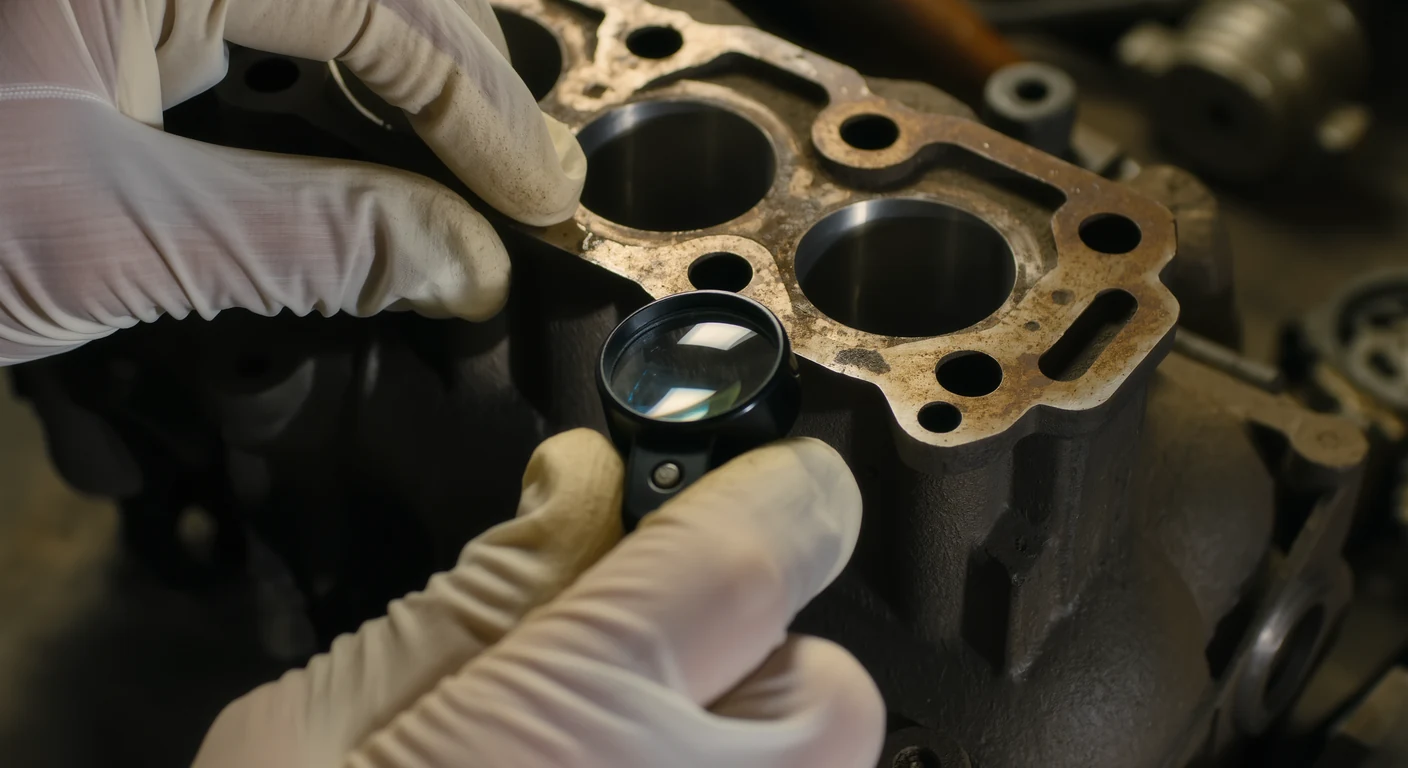
Classic car authentication scandals have become a significant concern in the automotive world, particularly for collectors and enthusiasts. As the value of classic cars continues to rise, so does the temptation for fraudsters to create counterfeit vehicles or misrepresent the authenticity of existing ones. These scandals not only undermine the integrity of the classic car market but also pose a risk to investors who may unknowingly purchase a vehicle that is not what it claims to be.
Understanding the nuances of these scandals is crucial for anyone involved in the classic car community. The allure of classic cars lies in their history, craftsmanship, and the stories they tell. However, with this allure comes the risk of deception.
Scandals surrounding classic car authentication can lead to significant financial losses and tarnish reputations. As we delve deeper into this issue, we will explore the rise of counterfeit classic cars, notable scandals, and the implications for the industry as a whole.
Key Takeaways
- Classic car authentication scandals have become increasingly common due to the rise of counterfeit vehicles.
- High-profile scandals have significantly damaged trust within the classic car industry.
- Advanced technology and professional authentication services play a crucial role in detecting and preventing fraud.
- Legal consequences for those involved in authentication scams are becoming more stringent.
- Buyers are advised to follow expert tips and rely on reputable sources to avoid falling victim to scams.
The Rise of Counterfeit Classic Cars
The rise of counterfeit classic cars can be attributed to several factors, including the increasing value of vintage automobiles and the growing popularity of car collecting. As more people enter the market, the demand for authentic classic cars has surged, making it an attractive target for fraudsters. Counterfeiters have become increasingly sophisticated, employing advanced techniques to replicate original vehicles, making it challenging for even seasoned collectors to distinguish between genuine and fake.
Moreover, the internet has facilitated the spread of counterfeit classic cars.
This accessibility has led to a proliferation of scams, with many individuals falling victim to these deceptive practices.
As a result, the classic car community must remain vigilant and informed about the potential risks associated with purchasing vintage automobiles.
Famous Classic Car Authentication Scandals
Several high-profile classic car authentication scandals have rocked the automotive world over the years. One notable case involved a 1967 Ferrari 275 GTB/4 that was sold at auction for a staggering $10 million. After the sale, it was revealed that the car had been misrepresented, leading to a legal battle between the buyer and seller.
This scandal highlighted the importance of thorough authentication processes and raised questions about the reliability of auction houses. Another infamous case involved a 1955 Mercedes-Benz 300SL Gullwing that was claimed to be an original model but was later discovered to be a replica. The owner had invested significant money into restoring the vehicle, believing it to be an authentic classic.
When the truth came to light, it not only resulted in financial loss but also damaged the owner’s reputation within the collector community. These scandals serve as cautionary tales for potential buyers and underscore the need for professional authentication services.
The Impact of Classic Car Authentication Scandals on the Industry
Classic car authentication scandals have far-reaching consequences for the automotive industry. They erode trust among collectors, dealers, and auction houses, leading to increased skepticism about vehicle provenance. This lack of trust can result in decreased sales and lower values for authentic vehicles, as buyers become wary of potential scams.
Additionally, these scandals can tarnish the reputation of reputable dealers and auction houses that strive to maintain high standards of integrity. When a scandal occurs, it casts doubt on all transactions within the industry, making it essential for professionals to implement rigorous authentication processes. The impact is not only financial but also emotional, as collectors may feel disillusioned by their experiences in a market they once cherished.
How Classic Car Authentication Scandals are Uncovered
Uncovering classic car authentication scandals often involves meticulous research and expert analysis. Professionals in the field utilize various methods to verify a vehicle’s authenticity, including examining documentation, inspecting VIN numbers, and analyzing manufacturing details. These experts are trained to spot inconsistencies that may indicate a vehicle is not what it claims to be.
In some cases, forensic analysis may be employed to determine whether a car has been altered or tampered with. This process can include examining paint layers, welds, and other components that may reveal discrepancies in a vehicle’s history. By employing these techniques, experts can help protect buyers from falling victim to scams and ensure that only genuine classic cars are sold in the market.
Legal Ramifications of Classic Car Authentication Scandals
The legal ramifications of classic car authentication scandals can be severe for both buyers and sellers. When a vehicle is misrepresented, it can lead to lawsuits and financial disputes that may take years to resolve. Buyers who discover they have purchased a counterfeit vehicle may seek restitution from sellers or auction houses, leading to costly legal battles.
Additionally, fraudsters who engage in these deceptive practices can face criminal charges, including fraud and forgery. The legal system aims to protect consumers from such scams, but navigating these cases can be complex and time-consuming. As a result, both buyers and sellers must be diligent in ensuring that they are engaging in legitimate transactions.
The Role of Technology in Preventing Classic Car Authentication Scandals
Technology plays a crucial role in preventing classic car authentication scandals by providing tools for verification and analysis. Advanced software programs can analyze vehicle histories and track ownership records, making it easier for buyers to confirm a car’s authenticity before making a purchase. Additionally, blockchain technology is emerging as a powerful tool for ensuring transparency in vehicle provenance.
Digital platforms that specialize in classic car sales are also implementing stricter verification processes to protect buyers from scams. These platforms often require sellers to provide detailed documentation and undergo thorough inspections before listing their vehicles for sale. By leveraging technology, the classic car industry can enhance trust and reduce the likelihood of authentication scandals.
The Importance of Professional Authentication Services
Professional authentication services are essential for anyone looking to buy or sell classic cars. These services provide expert evaluations that can help verify a vehicle’s authenticity and provenance. By working with professionals who specialize in classic cars, buyers can gain peace of mind knowing that they are making informed decisions.
A verified vehicle is more likely to attract serious buyers and command higher prices than one without proper documentation. Investing in professional authentication not only protects individual interests but also contributes to maintaining integrity within the classic car community.
The Future of Classic Car Authentication
The future of classic car authentication is likely to be shaped by advancements in technology and increased awareness among buyers and sellers. As counterfeiters become more sophisticated, the industry must adapt by implementing more rigorous verification processes and utilizing cutting-edge tools for analysis. Furthermore, education will play a vital role in preventing authentication scandals.
By informing collectors about potential risks and best practices for verifying vehicles, the industry can empower individuals to make informed decisions when purchasing classic cars. As awareness grows, so too will trust within the community.
Tips for Avoiding Classic Car Authentication Scams
To avoid falling victim to classic car authentication scams, potential buyers should follow several key tips: 1. **Research Thoroughly**: Investigate the vehicle’s history using online databases and resources.
2. **Seek Professional Help**: Engage with certified appraisers or authentication services before making a purchase.
3.
**Inspect Documentation**: Ensure all paperwork is legitimate and matches the vehicle’s specifications.
4. **Trust Your Instincts**: If something seems off about a deal or seller, it’s best to walk away.
5. **Network with Experts**: Connect with other collectors or join forums where you can share experiences and gain insights.
By following these tips, buyers can significantly reduce their risk of encountering scams in the classic car market.
The Continued Battle Against Classic Car Authentication Scandals
Classic car authentication scandals remain a pressing issue within the automotive industry, impacting collectors and enthusiasts alike. As counterfeiters become more adept at creating convincing replicas, it is essential for buyers and sellers to remain vigilant and informed about potential risks. By leveraging technology, seeking professional authentication services, and educating themselves about best practices, individuals can protect themselves from falling victim to scams.
The battle against classic car authentication scandals is ongoing, but with increased awareness and proactive measures, we can work together to preserve the integrity of this cherished community. Whether you are a seasoned collector or new to the world of classic cars, understanding these issues is crucial for navigating this exciting yet complex market successfully.
FAQs
What is classic car authentication?
Classic car authentication is the process of verifying the originality, provenance, and specifications of a vintage or classic automobile to ensure it matches its claimed history and manufacturer details.
Why is classic car authentication important?
Authentication is crucial because it affects the car’s value, collectibility, and legality. Accurate authentication helps prevent fraud, protects buyers, and maintains trust in the classic car market.
What are common types of classic car authentication scandals?
Common scandals include falsifying vehicle identification numbers (VINs), misrepresenting restoration work as original, selling replica or counterfeit cars as genuine, and fabricating provenance or ownership history.
How do authentication scandals impact the classic car industry?
Scandals can damage buyer confidence, reduce market values, lead to legal disputes, and harm the reputations of dealers, auction houses, and experts involved in the industry.
Who are typically involved in classic car authentication scandals?
Participants can include dishonest sellers, unscrupulous dealers, corrupt appraisers, and sometimes even restoration shops that misrepresent their work.
What measures are taken to prevent authentication scandals?
Measures include thorough documentation checks, expert inspections, use of forensic technology, cross-referencing historical records, and employing reputable authentication services.
Can buyers protect themselves from classic car authentication fraud?
Yes, buyers should conduct due diligence by hiring independent experts, verifying documentation, researching the car’s history, and purchasing from trusted sources.
Have there been any high-profile classic car authentication scandals?
Yes, several high-profile cases have made headlines, involving rare and valuable cars where misrepresentation led to significant financial losses and legal action.
What role do auction houses play in classic car authentication?
Auction houses often provide authentication services and expert evaluations to assure buyers of a car’s authenticity, but they can also be implicated if due diligence is insufficient.
Is classic car authentication a standardized process?
While there are industry best practices, authentication is not fully standardized globally, and methods can vary depending on the car’s make, model, and region.
More from Blog
The Future of Classic Car Collecting: Trends Shaping the Next Generation
The future of classic car collecting: why 2035 ICE bans spare existing cars, plus e-fuels, shifting demographics, electromods and fractional ownership…
Classic Car Insurance Guide: Protecting Your Vintage Investment
Classic car insurance guide: why agreed-value policies beat stated and actual cash value, how Hagerty, Grundy and Chubb compare, plus costs and covera…
Classic Car History Timeline: From Benz to the Modern Collector Era
Classic car history timeline from the 1886 Benz Patent-Motorwagen through coachbuilding, muscle cars and supercars to modern collectibles. Discover th…