The Brutal Truth About Maintaining Ultra-Luxury Oldtimers
Vintage car ownership involves significant financial considerations beyond the initial purchase price. Prospective owners must account for several ongoing expenses including specia…
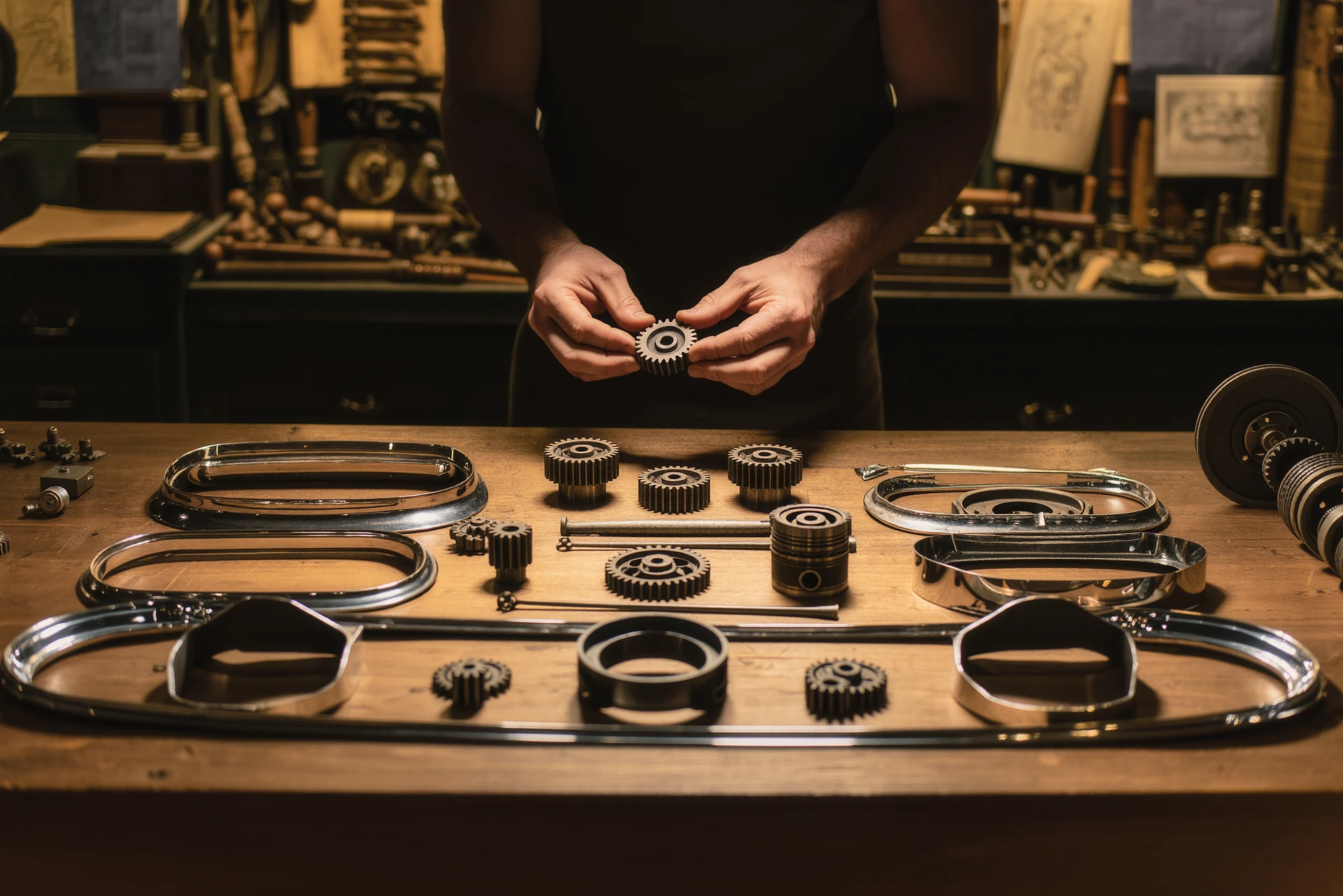
Vintage car ownership involves significant financial considerations beyond the initial purchase price. Prospective owners must account for several ongoing expenses including specialized insurance policies, regular maintenance, and potential restoration costs. These vehicles typically require expert servicing and rare replacement parts, resulting in higher operational costs compared to contemporary automobiles.
Parts availability directly impacts ownership expenses, as discontinued or limited-production components often command premium prices. Maintenance costs vary considerably depending on the vehicle’s condition, rarity, and mechanical complexity. Regular servicing by qualified specialists is essential to prevent minor issues from developing into major mechanical failures.
The financial commitment fluctuates based on the owner’s preservation goals and the vehicle’s current state.
However, this appreciation depends on factors including market demand, historical significance, and condition.
Owners should establish comprehensive budgets that account for both routine maintenance and unexpected repairs to ensure sustainable long-term ownership.
Key Takeaways
- Owning a vintage car involves high costs for maintenance, parts, and insurance.
- Finding skilled mechanics and authentic parts is crucial for proper care.
- Regular driving and maintenance help preserve the car’s condition and value.
- Owners must balance preserving originality with incorporating modern upgrades.
- Joining vintage car clubs provides valuable support and resources for enthusiasts.
Finding Expert Mechanics
Finding expert mechanics who specialize in vintage cars is essential for maintaining these classic vehicles. Unlike modern cars, vintage models often require specific knowledge and skills that not all mechanics possess. Owners should seek out professionals with a proven track record in vintage car restoration and repair.
This expertise ensures that the car receives the proper care it needs to remain in excellent condition. Additionally, building a relationship with a trusted mechanic can provide peace of mind. Owners can benefit from personalized advice on maintenance schedules and restoration projects.
A knowledgeable mechanic can also help source authentic parts, which is crucial for preserving the car’s originality. By investing time in finding the right mechanic, vintage car owners can safeguard their investment and enjoy their vehicles for years to come.
Sourcing Authentic Parts
Sourcing authentic parts for vintage cars is a critical aspect of ownership. Original components not only enhance the vehicle’s performance but also maintain its historical integrity. However, finding these parts can be challenging due to their rarity and the demand among collectors.
Owners should explore various avenues, including specialty shops, online marketplaces, and vintage car shows, to locate authentic components. Networking with other vintage car enthusiasts can also be beneficial. Joining clubs or online forums allows owners to share resources and recommendations for sourcing parts.
Additionally, some manufacturers offer reproduction parts that closely resemble the originals, providing a viable alternative when authentic components are unavailable. By being proactive in sourcing parts, owners can ensure their vintage cars remain true to their heritage while enjoying reliable performance.
Dealing with Aging Technology
Aging technology is a common challenge faced by vintage car owners. Many classic vehicles were built with technology that is now outdated, making repairs and upgrades more complicated. For instance, older electrical systems may not be compatible with modern components, leading to potential safety issues.
Owners must navigate these challenges while preserving the car’s authenticity. One solution is to seek out specialists who understand how to integrate modern technology without compromising the vehicle’s character. Upgrading certain systems, such as brakes or ignition, can enhance safety and performance while maintaining the vintage aesthetic.
Additionally, owners should consider regular assessments of their vehicle’s technology to identify areas that may need attention. By addressing aging technology proactively, owners can enjoy their vintage cars with confidence.
Keeping Up with Maintenance
Regular maintenance is crucial for keeping vintage cars in optimal condition. Unlike modern vehicles that often require less frequent servicing, classic cars demand more attention to detail. Owners should establish a routine maintenance schedule that includes oil changes, fluid checks, and inspections of critical components like brakes and tires.
This proactive approach helps prevent minor issues from escalating into major repairs. Furthermore, understanding the specific needs of a vintage car is essential for effective maintenance. Each model may have unique requirements based on its age and design.
Owners should consult their vehicle’s manual or seek advice from experienced mechanics to ensure they are following best practices. By prioritizing maintenance, vintage car owners can extend the lifespan of their vehicles and preserve their value.
Preservation vs Restoration
The debate between preservation and restoration is a significant consideration for vintage car owners. Preservation involves maintaining the vehicle in its original state, focusing on keeping it as close to factory condition as possible. This approach often appeals to collectors who value authenticity and historical significance.
However, preservation can limit the car’s usability if it requires extensive repairs or upgrades. On the other hand, restoration allows owners to enhance the vehicle’s performance and aesthetics while still honoring its heritage. This process may involve replacing worn-out components or upgrading systems for improved reliability.
Ultimately, the choice between preservation and restoration depends on the owner’s goals and how they intend to use the vehicle. Striking a balance between these two approaches can lead to a satisfying ownership experience.
The Challenge of Finding Insurance
Finding insurance for vintage cars can be a daunting task due to their unique nature and value. Standard auto insurance policies may not adequately cover classic vehicles, leading owners to seek specialized coverage options. Vintage car insurance typically considers factors such as the car’s age, condition, and usage frequency, providing tailored protection.
When searching for insurance, owners should compare quotes from multiple providers to find the best coverage at a reasonable price. It’s also essential to understand the policy details, including any restrictions on mileage or usage. Engaging with an insurance agent who specializes in classic cars can provide valuable insights into coverage options and help owners make informed decisions.
Addressing Rust and Corrosion
Rust and corrosion are common issues faced by vintage car owners due to the age of these vehicles and exposure to environmental elements. Addressing these problems promptly is crucial to prevent further damage and maintain the car’s structural integrity. Regular inspections can help identify early signs of rust, allowing owners to take corrective action before it becomes a more significant issue.
Preventative measures are also essential in combating rust and corrosion. Applying protective coatings or sealants can create a barrier against moisture and contaminants that contribute to deterioration. Additionally, storing the vehicle in a climate-controlled environment can minimize exposure to humidity and temperature fluctuations that exacerbate rust formation.
By being proactive in addressing rust issues, owners can preserve their vintage cars for future generations.
Navigating the World of Vintage Car Clubs
Joining vintage car clubs offers numerous benefits for enthusiasts looking to connect with like-minded individuals. These clubs provide a platform for sharing knowledge, resources, and experiences related to vintage car ownership. Members often organize events such as car shows, rallies, and workshops that foster camaraderie among enthusiasts.
Additionally, clubs can serve as valuable networks for sourcing parts and finding expert mechanics familiar with specific models. Engaging with fellow members allows owners to learn about best practices in maintenance and restoration while gaining insights into market trends and valuation. By participating in vintage car clubs, owners can enhance their ownership experience and build lasting friendships within the community.
The Importance of Regular Driving
Regular driving is essential for maintaining a vintage car’s performance and overall health. While it may be tempting to keep these vehicles stored away as prized possessions, inactivity can lead to various issues such as fuel system problems and tire degradation. Taking the car out for regular drives helps keep all components lubricated and functioning properly.
Moreover, driving a vintage car allows owners to appreciate its unique characteristics fully. The experience of operating a classic vehicle is often different from modern cars, offering a sense of nostalgia and connection to automotive history. Regular driving not only benefits the vehicle but also enhances the owner’s enjoyment and appreciation of their investment.
Balancing Originality with Modern Upgrades
Balancing originality with modern upgrades is a common dilemma faced by vintage car owners. While many enthusiasts value authenticity and strive to keep their vehicles as close to original condition as possible, others recognize the benefits of incorporating modern technology for improved performance and safety. Owners should carefully consider which upgrades align with their goals for the vehicle.
For instance, upgrading safety features like brakes or lighting systems can enhance drivability without compromising originality significantly. Additionally, some modern components are designed specifically for classic cars, allowing owners to enjoy contemporary benefits while maintaining the vehicle’s character. Ultimately, finding this balance requires thoughtful consideration of personal preferences and intended use for the vehicle.
By making informed decisions about upgrades, owners can enjoy both the charm of vintage cars and the advantages of modern technology. In conclusion, owning a vintage car presents unique challenges and rewards that require careful consideration and planning. From understanding the cost of ownership to navigating maintenance needs and sourcing authentic parts, each aspect plays a vital role in ensuring a fulfilling ownership experience.
By engaging with expert mechanics, participating in vintage car clubs, and balancing originality with modern upgrades, enthusiasts can enjoy their classic vehicles while preserving their value for years to come.
FAQs
What are ultra-luxury oldtimers?
Ultra-luxury oldtimers are classic, high-end vintage cars that were originally produced by prestigious manufacturers and are now considered collector’s items due to their rarity, craftsmanship, and historical significance.
Why is maintaining ultra-luxury oldtimers considered challenging?
Maintaining ultra-luxury oldtimers is challenging because they require specialized knowledge, rare parts, and meticulous care. Their complex mechanical systems and delicate materials often need expert restoration and regular upkeep to preserve their value and functionality.
How often should ultra-luxury oldtimers be serviced?
Ultra-luxury oldtimers should be serviced regularly, typically every 6 to 12 months, depending on usage and storage conditions. Regular maintenance includes checking the engine, brakes, electrical systems, and bodywork to prevent deterioration.
Are replacement parts for ultra-luxury oldtimers readily available?
Replacement parts for ultra-luxury oldtimers are often rare and expensive. Many parts may need to be custom-made or sourced from specialized suppliers, which can significantly increase maintenance costs and time.
What are the common maintenance costs associated with ultra-luxury oldtimers?
Maintenance costs for ultra-luxury oldtimers can be very high due to the need for expert labor, rare parts, and specialized tools. Expenses may include engine rebuilds, bodywork restoration, upholstery repair, and regular servicing.
Is it necessary to store ultra-luxury oldtimers in special conditions?
Yes, ultra-luxury oldtimers require controlled storage environments to prevent damage from humidity, temperature fluctuations, and dust. Climate-controlled garages with proper ventilation and security are recommended to preserve the vehicle’s condition.
Can ultra-luxury oldtimers be driven regularly?
While ultra-luxury oldtimers can be driven, frequent use may accelerate wear and tear. Many owners limit driving to special occasions and use professional transportation services to minimize risk and maintain the vehicle’s value.
What skills are needed to maintain ultra-luxury oldtimers?
Maintaining ultra-luxury oldtimers requires specialized mechanical skills, knowledge of vintage automotive technology, and expertise in restoration techniques. Many owners rely on professional restorers and mechanics with experience in classic luxury vehicles.
How does maintaining an ultra-luxury oldtimer affect its value?
Proper maintenance and restoration can significantly enhance an ultra-luxury oldtimer’s value by preserving its originality and functionality. Neglect or improper repairs can decrease its market value and historical significance.
Are there insurance considerations for ultra-luxury oldtimers?
Yes, ultra-luxury oldtimers often require specialized insurance policies that account for their high value, rarity, and limited use. These policies may include agreed value coverage, storage conditions, and restrictions on mileage.
More from Blog
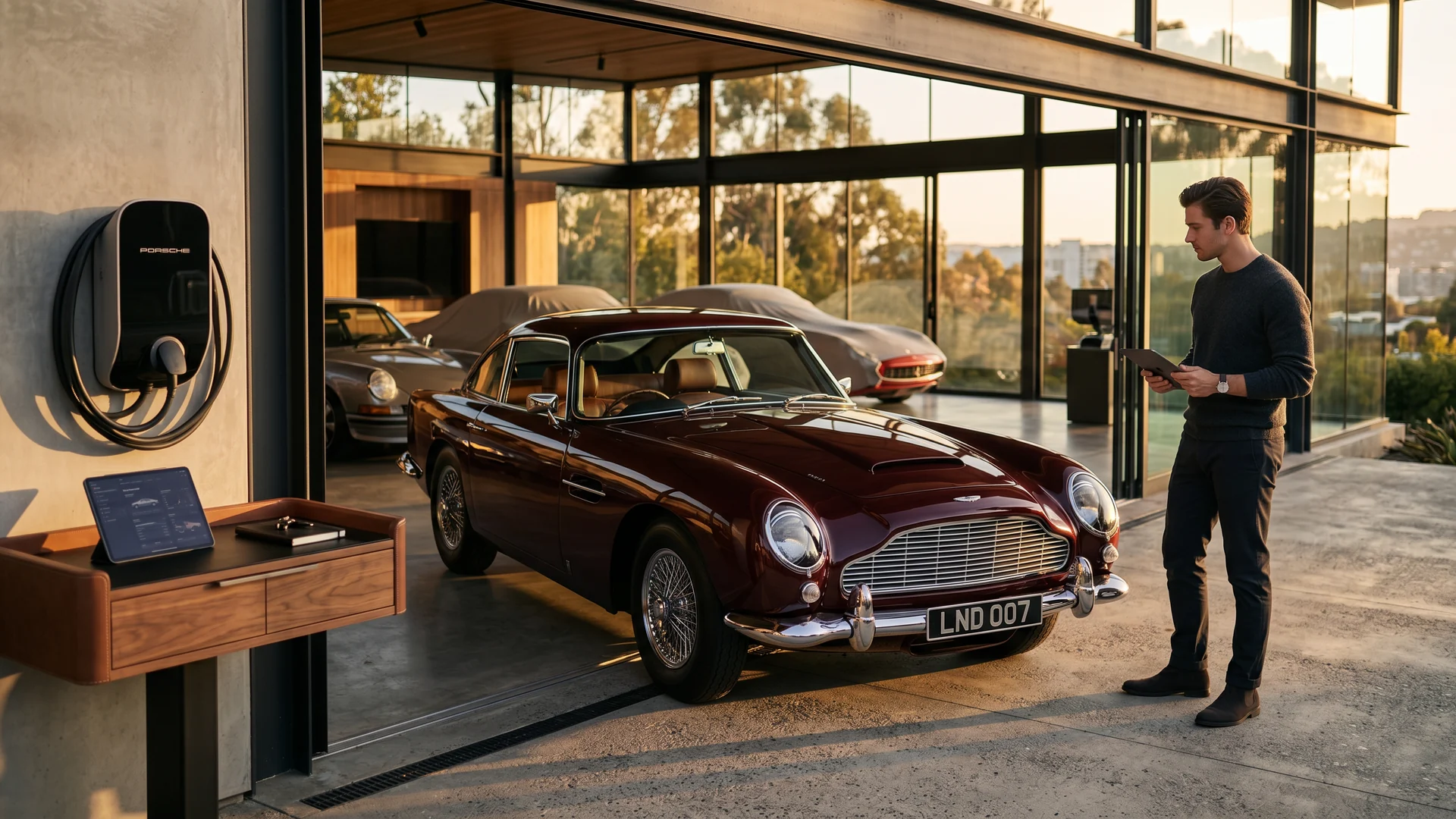
The Future of Classic Car Collecting: Trends Shaping the Next Generation
The future of classic car collecting: why 2035 ICE bans spare existing cars, plus e-fuels, shifting demographics, electromods and fractional ownership…
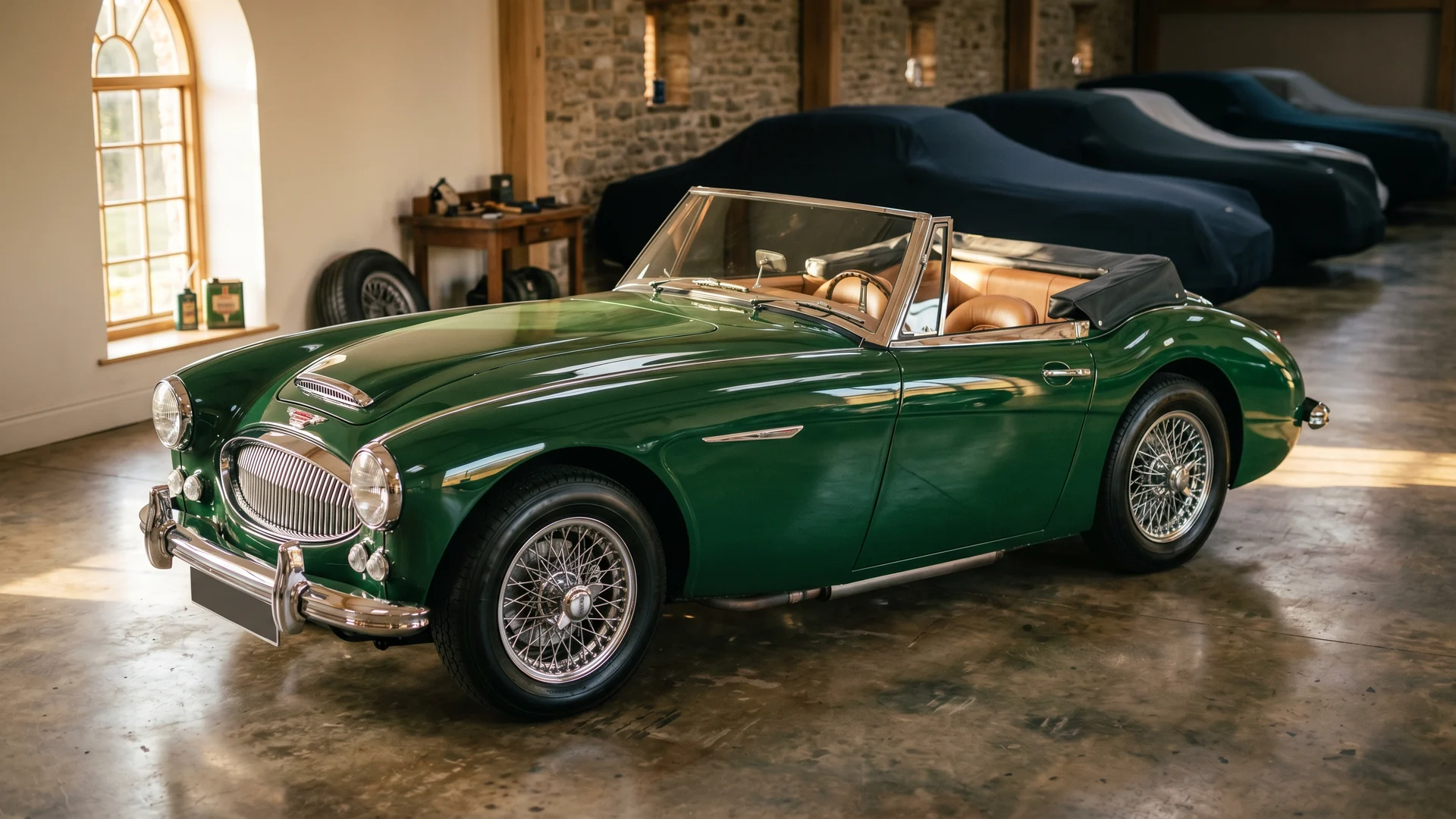
Classic Car Insurance Guide: Protecting Your Vintage Investment
Classic car insurance guide: why agreed-value policies beat stated and actual cash value, how Hagerty, Grundy and Chubb compare, plus costs and covera…
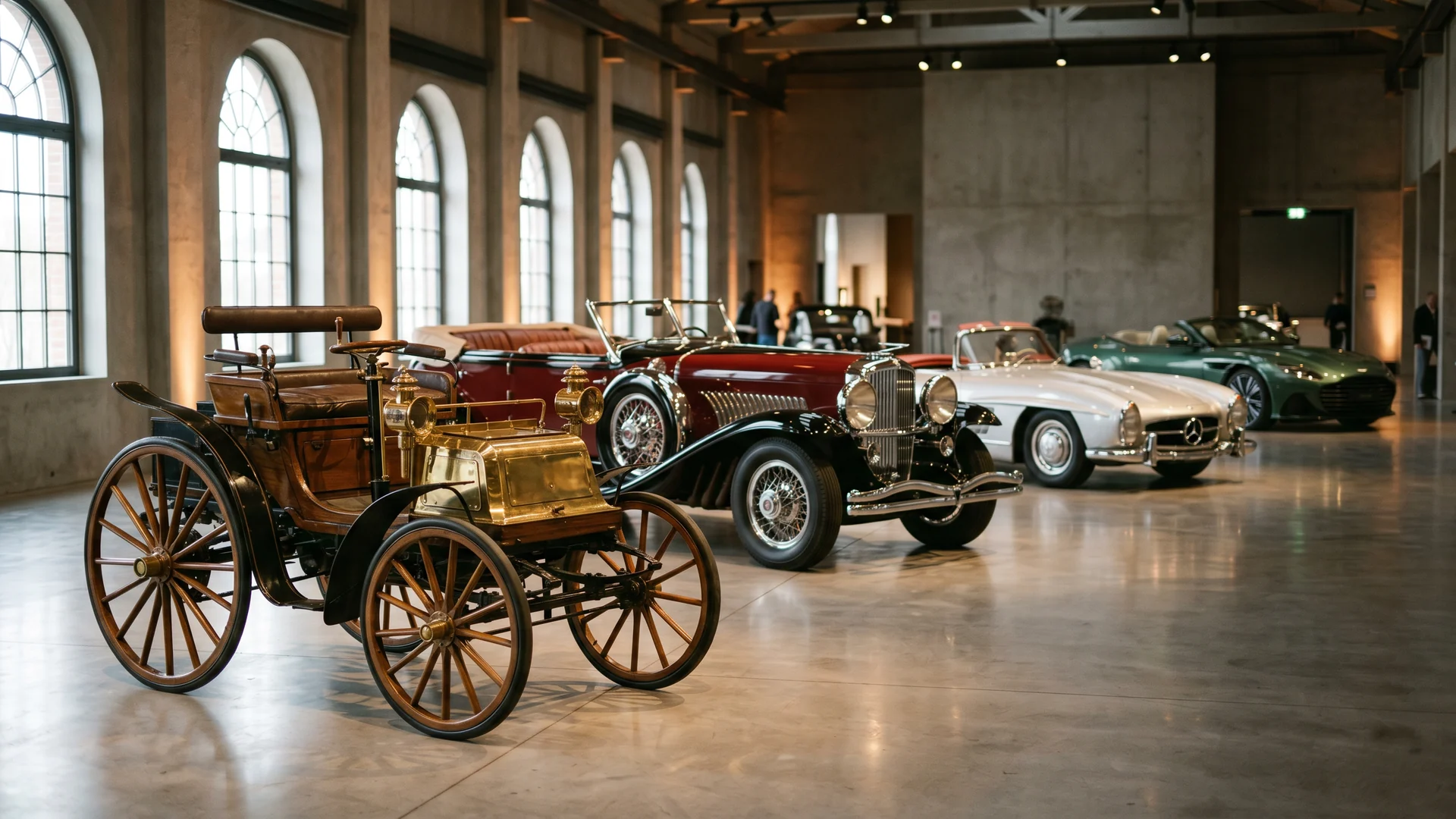
Classic Car History Timeline: From Benz to the Modern Collector Era
Classic car history timeline from the 1886 Benz Patent-Motorwagen through coachbuilding, muscle cars and supercars to modern collectibles. Discover th…