The Brutal Learning Curve of High-End Oldtimer Collecting
High-end vintage automobile collecting attracts enthusiasts through its combination of historical significance, exceptional craftsmanship, and potential financial appreciation. Cla…
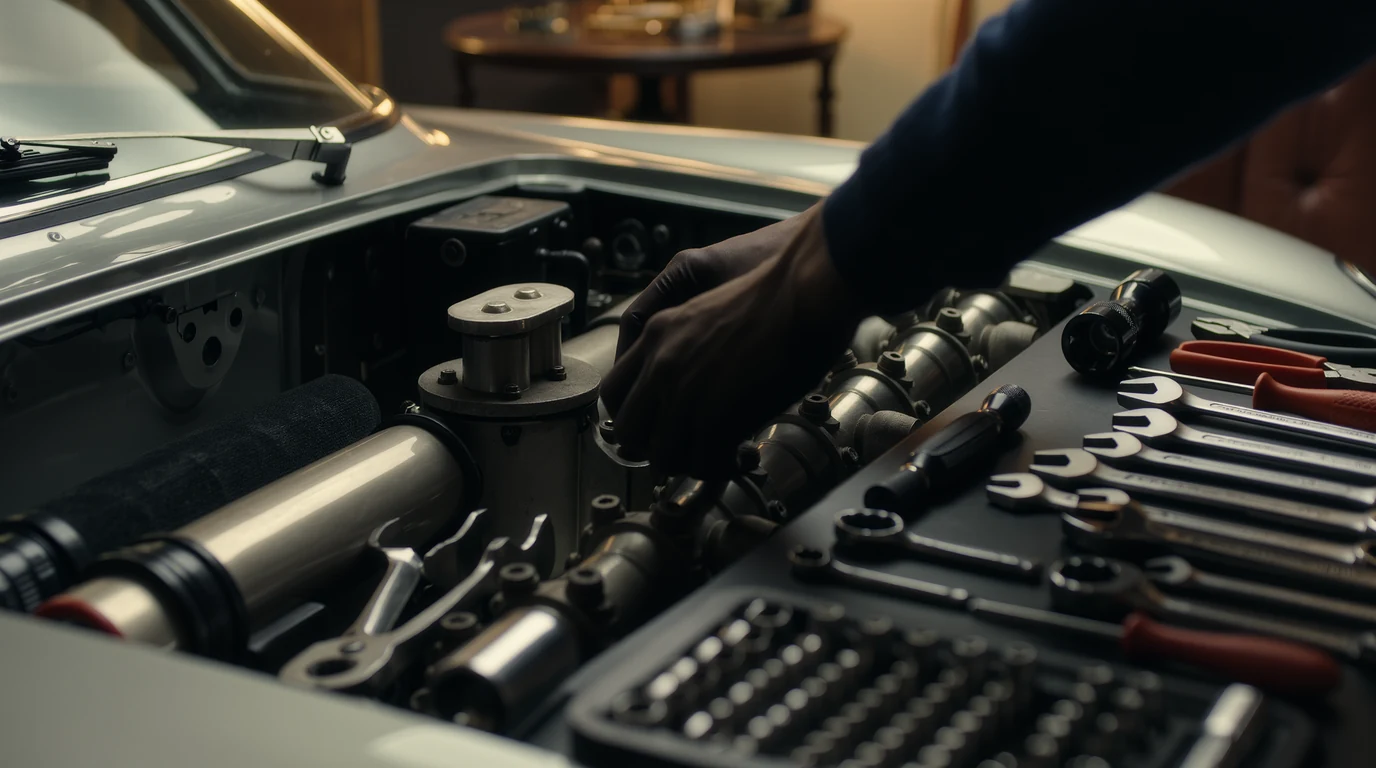
High-end vintage automobile collecting attracts enthusiasts through its combination of historical significance, exceptional craftsmanship, and potential financial appreciation. Classic cars represent significant artifacts of automotive development, showcasing the engineering advancements and design aesthetics of their respective eras. Collectors are frequently motivated by the historical context of each vehicle, their distinctive styling elements, and the unique driving experience they provide.
The satisfaction derived from preserving automotive heritage serves as a compelling incentive for many collectors. The social dimension of vintage car collecting significantly enhances its appeal. Enthusiasts regularly gather at exhibitions, auction events, and marque-specific organizations dedicated to particular manufacturers or time periods.
This collective enthusiasm creates opportunities for meaningful relationships based on shared interests. As collectors expand their knowledge of vintage automobiles, they access an extensive network of historical information and technical expertise that deepens their understanding and appreciation of these historical vehicles.
Key Takeaways
- High-end oldtimer collecting combines passion with significant financial investment and risks.
- Acquiring rare vintage cars requires navigating challenges in sourcing and verifying authenticity.
- Proper maintenance and restoration are crucial and often complex, demanding expert knowledge.
- Building a network of professionals and experts is essential for successful ownership and transactions.
- Collecting vintage cars involves emotional, practical, and legacy considerations beyond mere investment.
The financial investment and risks involved
Investing in high-end oldtimers can be both rewarding and risky. While many collectors view vintage cars as appreciating assets, the market can be volatile. Factors such as economic conditions, trends in collector preferences, and the rarity of specific models can significantly impact values.
A well-researched investment can yield substantial returns, but a lack of due diligence may lead to financial losses. Additionally, the costs associated with ownership extend beyond the initial purchase price. Maintenance, insurance, storage, and restoration can add up quickly.
Collectors must be prepared for these ongoing expenses and understand that not all vintage cars will appreciate in value. A thorough understanding of the market and careful financial planning are essential for anyone considering high-end oldtimer collecting.
The challenges of finding and acquiring rare and valuable oldtimers
Finding rare and valuable oldtimers is a challenge that requires patience, persistence, and a keen eye for detail. Many collectors spend years searching for specific models or unique examples that fit their criteria. The rarity of certain vehicles means they are often hidden away in private collections or neglected garages, making them difficult to locate.
Once a potential acquisition is found, the negotiation process can be daunting. Sellers may have emotional attachments to their vehicles, leading to inflated prices or reluctance to part with them. Collectors must be prepared to conduct thorough research on the car’s history, provenance, and market value to ensure they make informed decisions.
Understanding the maintenance and restoration process
Owning a high-end oldtimer comes with the responsibility of proper maintenance and restoration. Vintage cars require specialized care to preserve their integrity and performance. Understanding the intricacies of each model is crucial for collectors who want to keep their vehicles in top condition.
Restoration projects can be both rewarding and challenging. Collectors often face decisions about authenticity versus customization, as well as budget constraints. Engaging skilled professionals who specialize in vintage cars is essential for achieving quality results.
A well-executed restoration can enhance a car’s value while maintaining its historical significance.
Navigating the complex world of vintage car auctions and sales
The world of vintage car auctions and sales is intricate and often overwhelming for newcomers. Auctions can be fast-paced environments where emotions run high, making it easy to get swept up in the excitement. Understanding auction dynamics, bidding strategies, and market trends is vital for success.
Collectors should familiarize themselves with reputable auction houses and their processes. Researching past auction results can provide insights into pricing trends and help collectors set realistic budgets. Additionally, attending preview events allows potential buyers to inspect vehicles closely before placing bids.
Knowledge is power in this arena, and being well-prepared can lead to successful acquisitions.
The importance of building a network of experts and professionals
Building a network of experts and professionals is crucial for anyone serious about high-end oldtimer collecting. This network can include mechanics, restorers, appraisers, and fellow collectors who share valuable insights and experiences. Establishing relationships with these individuals can provide access to exclusive opportunities and resources.
Networking also fosters collaboration among collectors. Sharing knowledge about specific models or restoration techniques can enhance everyone’s understanding of vintage cars. Additionally, attending industry events, car shows, and auctions can help collectors expand their networks while immersing themselves in the culture of oldtimer collecting.
Dealing with unexpected issues and surprises during ownership
Owning a high-end oldtimer often comes with unexpected issues and surprises that can test even the most seasoned collectors. Mechanical failures, unforeseen restoration needs, or changes in market value can create challenges that require quick thinking and adaptability. Being prepared for these surprises is essential for maintaining a positive ownership experience.
Having a reliable support system in place can help mitigate these challenges. Whether it’s a trusted mechanic or fellow collectors who have faced similar issues, seeking advice from experienced individuals can provide valuable solutions. Embracing the unpredictability of ownership as part of the journey can also enhance the overall enjoyment of collecting vintage cars.
Balancing the passion for oldtimers with the practicalities of ownership
Balancing passion with practicality is a common struggle for high-end oldtimer collectors. While the allure of vintage cars may ignite excitement and enthusiasm, practical considerations must also be addressed. Collectors need to manage their time, finances, and resources effectively to ensure a fulfilling experience.
Setting clear goals for collecting can help maintain this balance. Whether it’s focusing on specific models or attending certain events, having a plan allows collectors to channel their passion productively. Additionally, being realistic about time commitments for maintenance and restoration ensures that ownership remains enjoyable rather than overwhelming.
The emotional and personal toll of high-end oldtimer collecting
The emotional journey of high-end oldtimer collecting can be profound. Each vehicle carries its own story, evoking memories and feelings that resonate deeply with collectors. The thrill of acquisition is often accompanied by anxiety over potential issues or market fluctuations.
Moreover, the time and effort invested in restoring or maintaining a vintage car can create strong emotional attachments. Collectors may find themselves grappling with difficult decisions regarding selling or parting with cherished vehicles. Recognizing these emotional aspects is essential for navigating the highs and lows of collecting while maintaining a healthy perspective.
The legacy and impact of preserving and maintaining vintage cars
Preserving and maintaining vintage cars contributes to a broader legacy that extends beyond individual collectors. These vehicles represent significant milestones in automotive history, showcasing advancements in design and technology over time. By caring for these cars, collectors play a vital role in preserving cultural heritage for future generations.
Moreover, vintage cars often serve as educational tools that inspire interest in automotive engineering and design among younger audiences. Car shows and exhibitions provide opportunities for enthusiasts to share their knowledge while fostering appreciation for classic automobiles. Collectors who actively engage in preservation efforts contribute to a lasting impact on both the automotive community and society at large.
Tips for aspiring high-end oldtimer collectors
For those aspiring to enter the world of high-end oldtimer collecting, several tips can help pave the way for success. First, conduct thorough research on specific models or brands that interest you. Understanding market trends, values, and historical significance will empower informed decision-making.
Second, attend car shows, auctions, and events to immerse yourself in the community. Networking with experienced collectors can provide invaluable insights into best practices and potential opportunities. Additionally, consider joining clubs or online forums dedicated to vintage cars for ongoing support.
Lastly, approach collecting with patience and an open mind. The journey may involve setbacks or unexpected challenges, but embracing these experiences will enrich your passion for high-end oldtimers. In conclusion, high-end oldtimer collecting is an exciting yet complex endeavor that requires dedication, knowledge, and a strong network of support.
FAQs
What is an oldtimer in the context of car collecting?
An oldtimer refers to a classic or vintage car, typically one that is at least 25 to 30 years old, and is often sought after by collectors for its historical value, design, and rarity.
Why is collecting high-end oldtimers considered challenging?
Collecting high-end oldtimers is challenging due to factors such as the high cost of acquisition, the difficulty in finding well-preserved or original models, the complexity of maintenance and restoration, and the need for specialized knowledge about the vehicles.
What does the term “brutal learning curve” mean in oldtimer collecting?
The “brutal learning curve” refers to the steep and often difficult process of acquiring the necessary expertise, skills, and experience to successfully buy, maintain, and appreciate high-end classic cars.
What are common pitfalls for new collectors of high-end oldtimers?
Common pitfalls include underestimating restoration costs, purchasing vehicles with hidden mechanical or structural issues, lacking knowledge about market values, and not understanding the importance of provenance and originality.
How important is vehicle provenance in oldtimer collecting?
Provenance is very important as it documents the car’s history, ownership, and authenticity, which can significantly affect the vehicle’s value and desirability among collectors.
What skills are essential for maintaining a high-end oldtimer?
Essential skills include mechanical knowledge specific to vintage vehicles, sourcing rare parts, understanding proper storage and preservation techniques, and sometimes the ability to perform or oversee restoration work.
Is it necessary to have a network or community when collecting oldtimers?
Yes, having a network of experts, fellow collectors, mechanics, and appraisers is highly beneficial for gaining advice, sourcing parts, verifying authenticity, and staying informed about market trends.
What financial considerations should be taken into account when collecting high-end oldtimers?
Collectors should consider the initial purchase price, ongoing maintenance and restoration costs, insurance, storage, and potential market fluctuations that can affect the car’s value.
Can high-end oldtimer collecting be considered an investment?
While some collectors view high-end oldtimers as investments due to their potential to appreciate in value, it is important to recognize that the market can be volatile and that costs of ownership can be substantial.
How can one start learning about high-end oldtimer collecting?
Beginners can start by reading specialized books and magazines, joining classic car clubs, attending auctions and shows, consulting experts, and gaining hands-on experience with vintage vehicles.
More from Blog
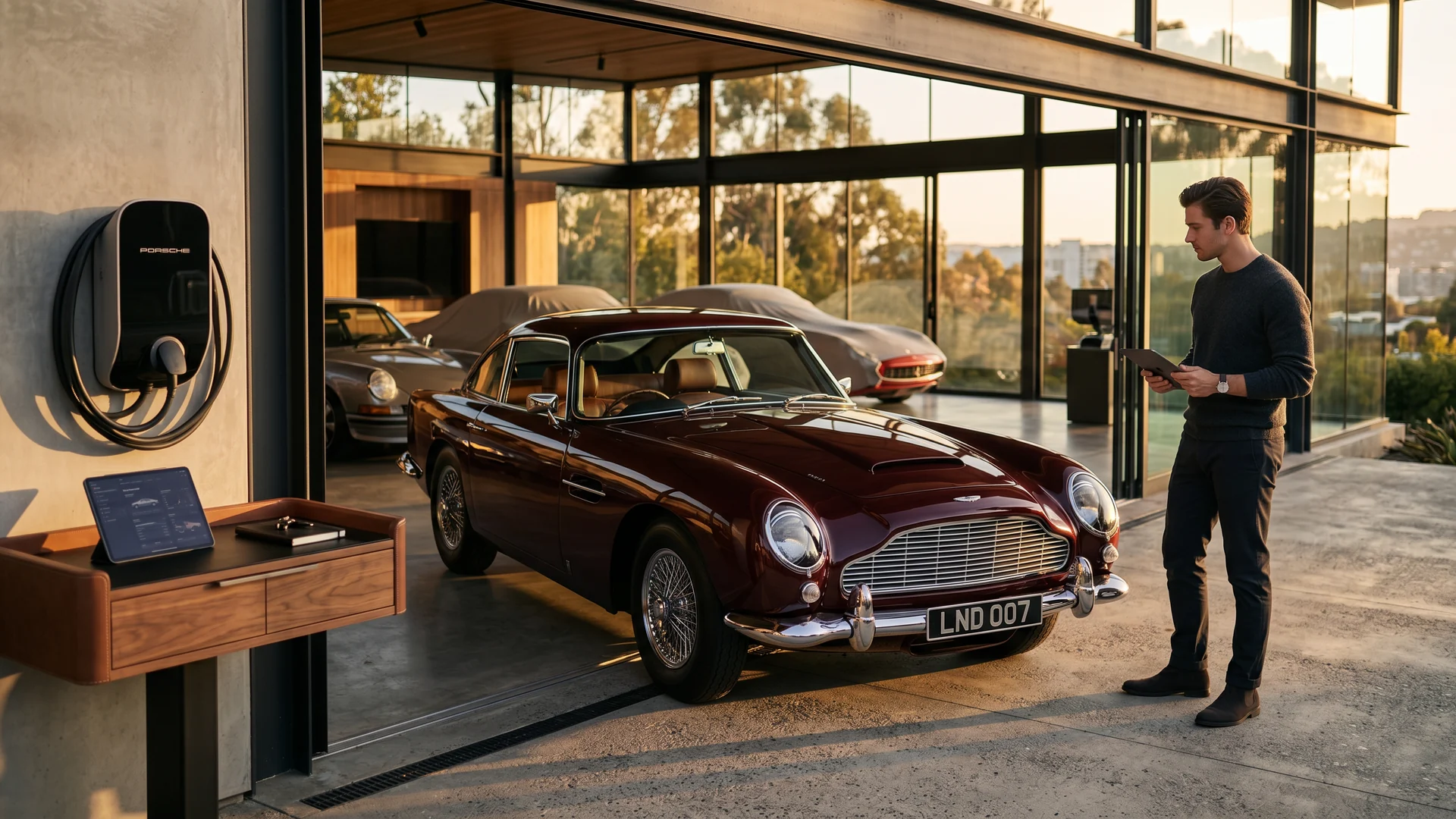
The Future of Classic Car Collecting: Trends Shaping the Next Generation
The future of classic car collecting: why 2035 ICE bans spare existing cars, plus e-fuels, shifting demographics, electromods and fractional ownership…
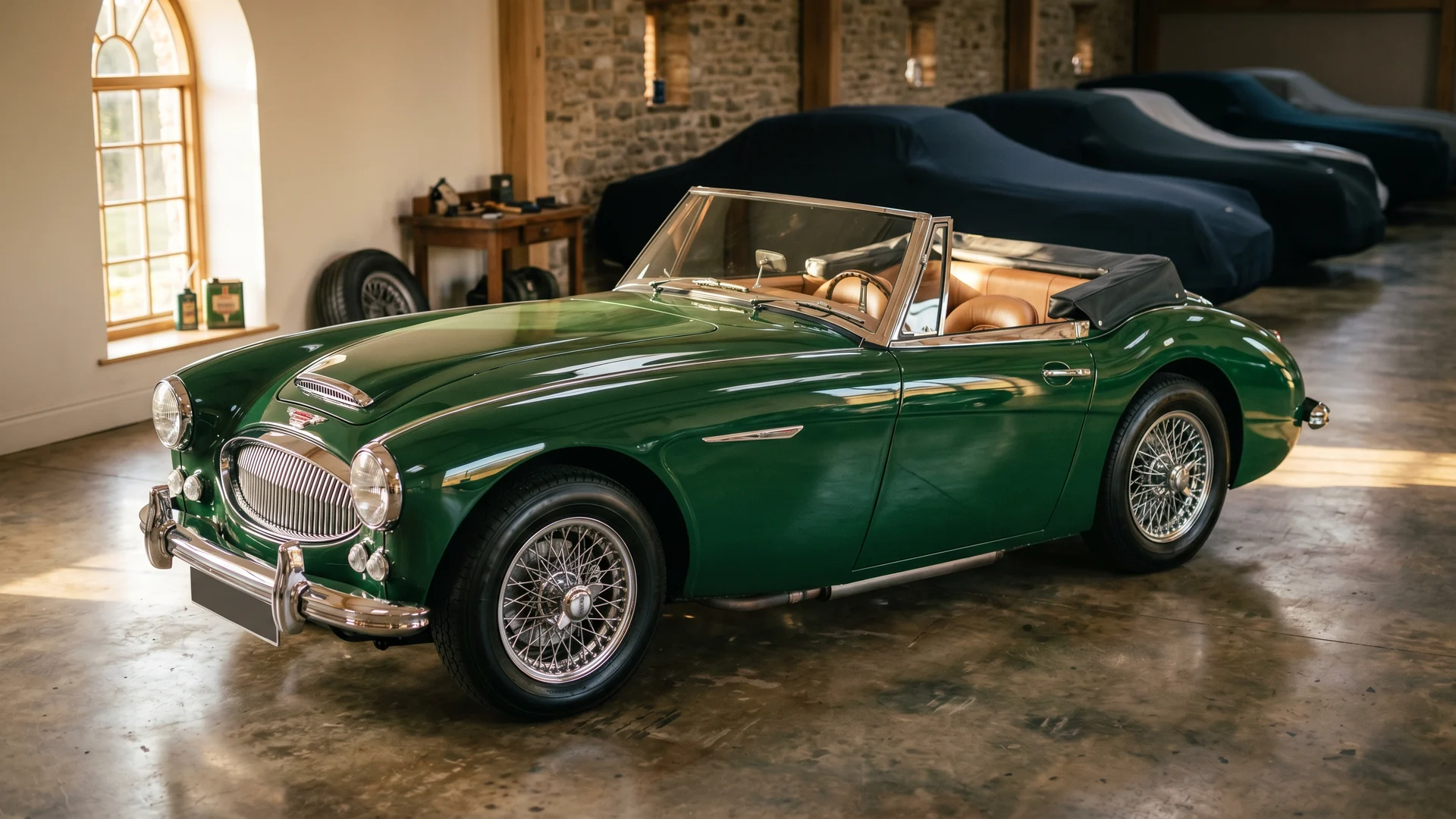
Classic Car Insurance Guide: Protecting Your Vintage Investment
Classic car insurance guide: why agreed-value policies beat stated and actual cash value, how Hagerty, Grundy and Chubb compare, plus costs and covera…
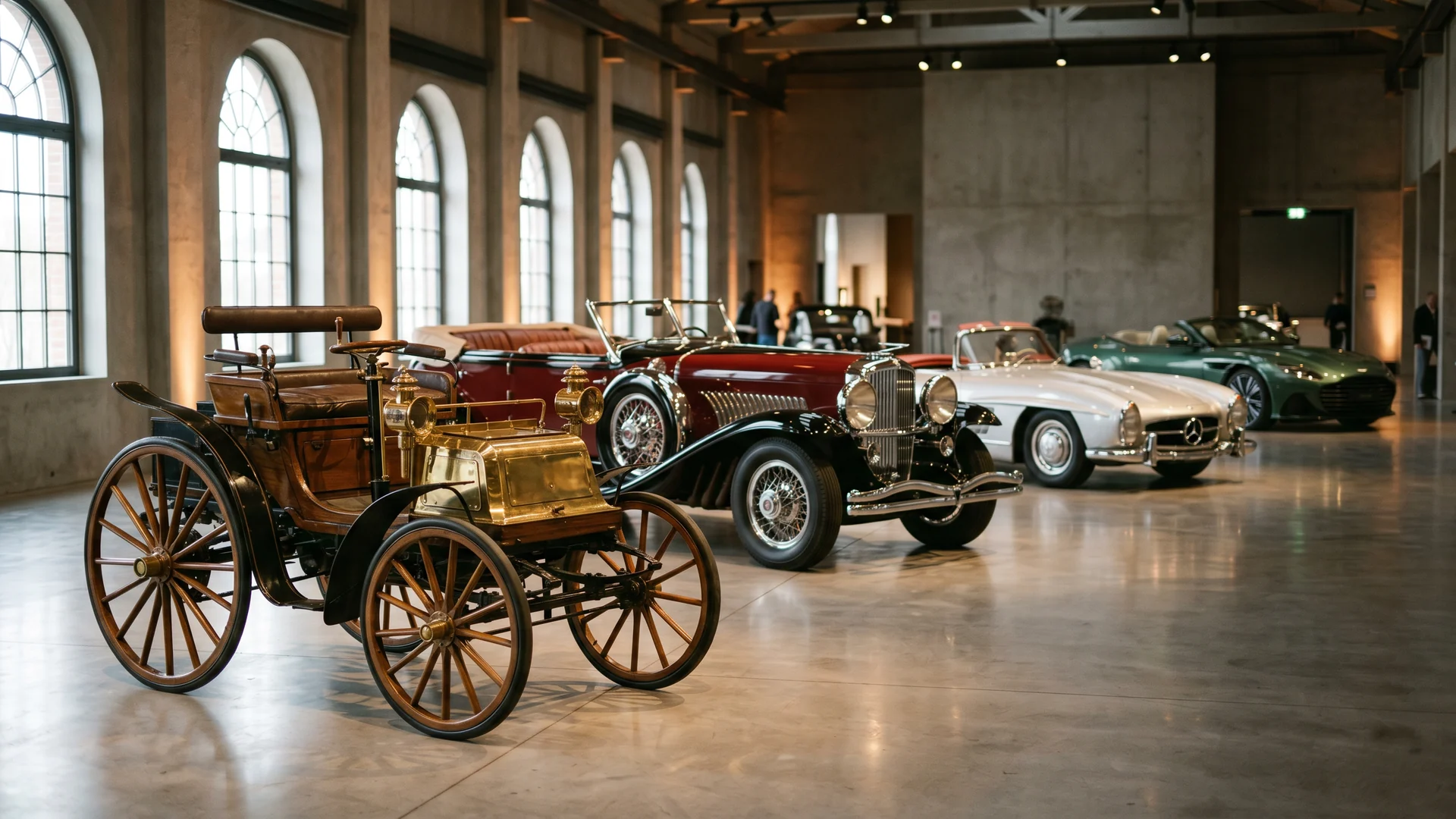
Classic Car History Timeline: From Benz to the Modern Collector Era
Classic car history timeline from the 1886 Benz Patent-Motorwagen through coachbuilding, muscle cars and supercars to modern collectibles. Discover th…