Are Aston Martin Classic Cars Overhyped or Undervalued?
Aston Martin classic cars combine luxury engineering, performance capabilities, and distinctive design elements that have established the brand’s reputation since its foundin…
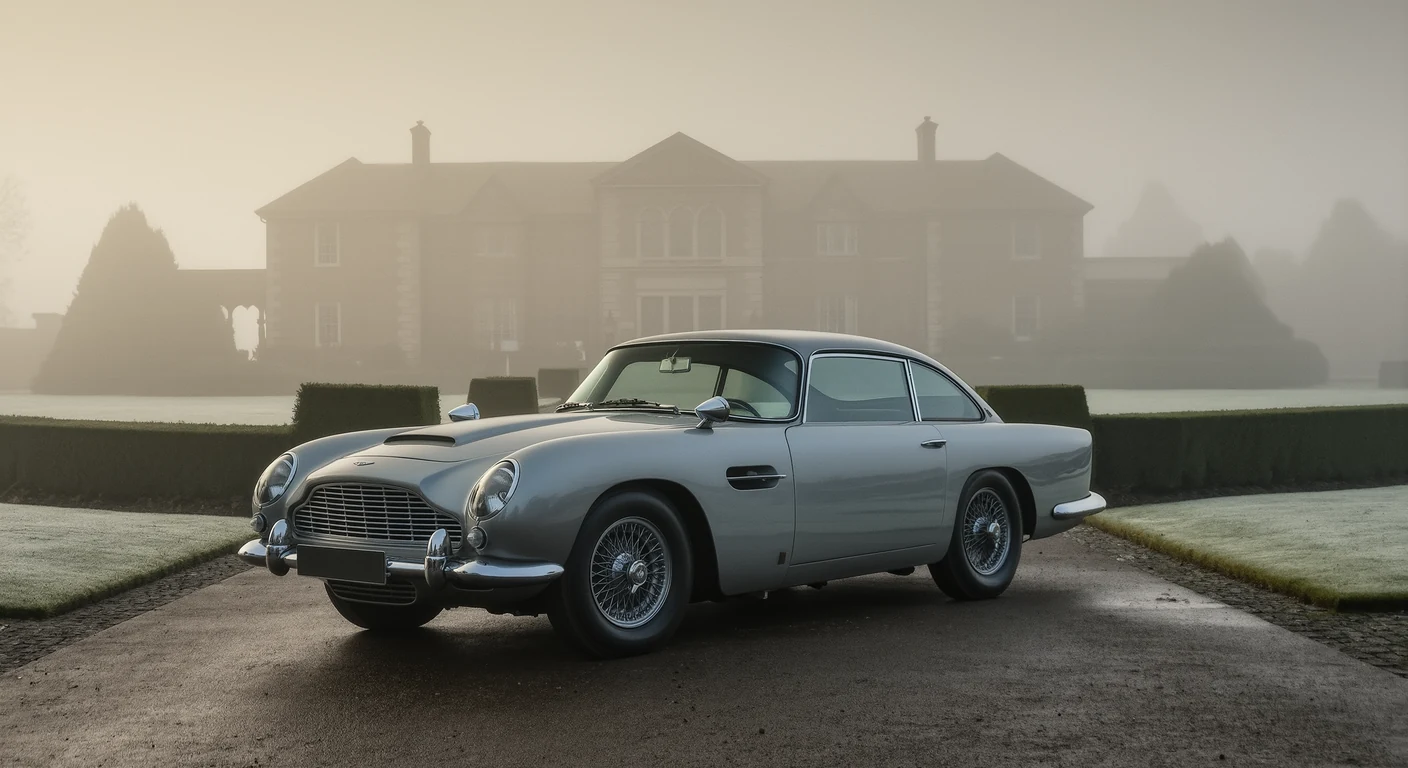
Aston Martin classic cars combine luxury engineering, performance capabilities, and distinctive design elements that have established the brand’s reputation since its founding in 1913. The company has produced numerous models that have become significant in automotive history, from the DB series to racing variants like the DBR1. These vehicles feature hand-crafted construction, advanced engineering for their respective eras, and design language that has influenced sports car development.
Classic Aston Martin models demonstrate measurable investment potential, with certain vehicles showing substantial appreciation over decades. Market data indicates that well-maintained examples of models such as the DB5, DB6, and V8 Vantage have experienced significant value increases. These cars offer specific driving characteristics including naturally aspirated engines, manual transmissions, and mechanical systems that differ substantially from modern vehicles.
The limited production numbers of many classic models, combined with the brand’s association with popular culture through films and motorsport, contributes to sustained collector interest and market demand.
Key Takeaways
- Aston Martin classic cars hold significant historical value and are iconic in automotive history.
- Limited production numbers and pop culture appearances greatly enhance their desirability and market value.
- Restoration quality and modifications can either positively or negatively impact the car’s value.
- Compared to other classic brands, Aston Martins often command premium prices due to exclusivity and heritage.
- Experts suggest that while some models may be overhyped, many Aston Martin classics remain undervalued investment opportunities.
Historical Significance of Aston Martin
Aston Martin was founded in 1913 by Lionel Martin and Robert Bamford, quickly establishing itself as a manufacturer of high-performance sports cars. The brand gained prominence in the 1920s and 1930s, participating in various racing events, which helped solidify its reputation for speed and innovation. The introduction of models like the Aston Martin Ulster in 1934 showcased the brand’s commitment to performance and design excellence.
The company has produced iconic models such as the DB series, which became synonymous with James Bond films. This connection to popular culture has further enhanced the brand’s allure, making Aston Martin classic cars not just vehicles but symbols of sophistication and adventure.
The historical significance of these cars is deeply intertwined with their legacy, making them highly desirable among collectors.
Factors Contributing to the Hype Surrounding Aston Martin Classic Cars
Several factors contribute to the hype surrounding Aston Martin classic cars. First and foremost is their rich heritage and association with high-profile events and personalities. The brand’s long-standing connection to motorsport and its appearances in films have created a mystique that few other manufacturers can match.
This allure is amplified by the craftsmanship and attention to detail that goes into each vehicle, making them not just cars but works of art. Another contributing factor is the limited production numbers of many classic models. This scarcity drives demand among collectors, leading to increased values over time.
The combination of historical significance, celebrity endorsements, and limited availability creates a perfect storm of desirability that keeps Aston Martin classic cars at the forefront of the collector market.
Analysis of Aston Martin Classic Car Values
The value of Aston Martin classic cars can vary significantly based on several factors, including model, condition, and provenance. Iconic models like the DB5 or DB4 often fetch astronomical prices at auctions due to their historical significance and desirability among collectors. In contrast, less well-known models may not command the same prices but still hold value due to their craftsmanship and engineering.
Market trends also play a crucial role in determining values. As interest in classic cars continues to grow, particularly among younger collectors, Aston Martin classic cars are increasingly seen as valuable investments.
Understanding these dynamics is essential for anyone considering investing in an Aston Martin classic car.
Comparison with Other Classic Car Brands
When comparing Aston Martin classic cars to other brands, several key differences emerge. Brands like Ferrari and Porsche also have strong followings, but Aston Martin distinguishes itself through its unique blend of luxury and performance. While Ferrari is often associated with racing pedigree, Aston Martin emphasizes elegance and refinement alongside speed.
Additionally, Aston Martin’s historical ties to British culture set it apart from other manufacturers. The brand embodies a sense of heritage that resonates with collectors who appreciate not just the car but the story behind it. This cultural significance enhances the appeal of Aston Martin classic cars, making them a preferred choice for many enthusiasts.
The Role of Pop Culture in Shaping the Perception of Aston Martin Classic Cars
Pop culture has played a pivotal role in shaping the perception of Aston Martin classic cars. The brand’s association with the James Bond franchise has immortalized models like the DB5 as icons of style and sophistication. These films have not only showcased the cars’ performance capabilities but have also positioned them as symbols of luxury and adventure.
Moreover, appearances in various television shows and movies have further cemented Aston Martin’s status in popular culture. This visibility has contributed to a broader appreciation for the brand, attracting new generations of enthusiasts who may not have been familiar with its history. As a result, pop culture continues to influence market demand and perceptions surrounding Aston Martin classic cars.
The Influence of Limited Production Numbers on Aston Martin Classic Car Values
Limited production numbers significantly impact the value of Aston Martin classic cars. Many models were produced in small quantities, making them rare finds in today’s market. This scarcity creates a sense of exclusivity that appeals to collectors who are willing to pay a premium for unique vehicles.
For instance, models like the Aston Martin V8 Vantage are highly sought after due to their limited availability and distinctive features. As collectors seek out these rare gems, prices can skyrocket at auctions or private sales. Understanding the importance of production numbers is crucial for anyone looking to invest in an Aston Martin classic car.
The Impact of Restorations and Modifications on Aston Martin Classic Car Values
Restorations and modifications can significantly influence the value of Aston Martin classic cars. A well-executed restoration can enhance a car’s appeal and market value, especially if it maintains authenticity while improving performance or aesthetics. However, modifications that stray too far from the original design can detract from a car’s value.
Collectors often prefer vehicles that retain their original components and specifications, as these factors contribute to authenticity and historical significance. Therefore, when considering a restoration or modification, it’s essential to strike a balance between enhancing performance and preserving originality to maintain or increase value.
The Future Outlook for Aston Martin Classic Cars
The future outlook for Aston Martin classic cars appears promising as interest in vintage vehicles continues to grow. With an increasing number of younger collectors entering the market, there is potential for sustained demand for these iconic cars. Additionally, as more people recognize the investment potential of classic vehicles, Aston Martins are likely to remain at the forefront of collectors’ minds.
Furthermore, advancements in technology may lead to new ways to preserve and restore these classic cars, ensuring they remain roadworthy for years to come. As long as there is a passion for automotive history and craftsmanship, Aston Martin classic cars will continue to hold their place as coveted collectibles.
Expert Opinions on the Value of Aston Martin Classic Cars
Experts in the automotive field often emphasize the importance of provenance when assessing the value of Aston Martin classic cars. A vehicle with a well-documented history tends to command higher prices due to its authenticity and desirability among collectors. Additionally, experts note that market trends can fluctuate based on economic conditions and collector interest.
Many industry professionals believe that investing in an Aston Martin classic car can be a wise decision due to their historical significance and potential for appreciation over time. However, they also caution potential buyers to conduct thorough research and seek expert advice before making any purchases.
Are Aston Martin Classic Cars Overhyped or Undervalued?
In conclusion, while some may argue that Aston Martin classic cars are overhyped due to their association with luxury and pop culture, others see them as undervalued investments with significant historical importance. The combination of limited production numbers, cultural significance, and expert opinions suggests that these vehicles hold enduring appeal. Ultimately, whether one views them as overhyped or undervalued may depend on personal perspective and appreciation for automotive history.
For those who recognize their unique qualities and potential for appreciation, investing in an Aston Martin classic car can be both a passion project and a sound financial decision.
FAQs
What defines a classic Aston Martin car?
A classic Aston Martin car is typically defined as a model that is at least 20 to 30 years old, holds historical significance, and is recognized for its design, engineering, and performance. Iconic models like the DB4, DB5, and DB6 are often considered classics.
Why are Aston Martin classic cars considered valuable?
Aston Martin classic cars are valued for their rarity, craftsmanship, historical importance, and association with luxury and performance. Their connection to popular culture, such as James Bond films, also enhances their desirability and market value.
Are Aston Martin classic cars overhyped in the collector market?
Whether Aston Martin classic cars are overhyped is subjective. Some collectors believe their prices are justified due to their heritage and exclusivity, while others argue that market speculation and brand prestige may inflate prices beyond intrinsic value.
What factors influence the valuation of Aston Martin classic cars?
Valuation depends on factors such as model rarity, condition, provenance, originality, historical significance, and market demand. Limited production numbers and well-documented ownership history can significantly increase a car’s value.
How does the condition of an Aston Martin classic affect its value?
Condition is critical; cars in original, well-maintained, or fully restored condition typically command higher prices. Vehicles with matching numbers (original engine and chassis) and minimal modifications are especially prized by collectors.
Are Aston Martin classic cars a good investment?
Classic Aston Martins can be a good investment if purchased wisely, considering factors like authenticity, condition, and market trends. However, like all collectibles, their value can fluctuate, and investment returns are not guaranteed.
Where can one buy or sell Aston Martin classic cars?
Classic Aston Martins can be bought or sold through specialized classic car dealerships, auctions, private sales, and online classic car marketplaces. Reputable auction houses often feature Aston Martin classics in their sales.
What maintenance challenges do Aston Martin classic cars present?
Maintaining classic Aston Martins can be challenging due to the availability of parts, the need for specialized knowledge, and the cost of upkeep. Owners often require expert mechanics familiar with vintage Aston Martin models.
How does the cultural significance of Aston Martin impact its classic car market?
Aston Martin’s cultural significance, especially its association with James Bond films, enhances the brand’s allure and can increase demand and prices for certain classic models featured in popular media.
Are there any risks associated with buying an Aston Martin classic car?
Risks include potential hidden mechanical issues, authenticity concerns, fluctuating market values, and the high cost of restoration and maintenance. Buyers should conduct thorough research and obtain professional inspections before purchasing.
More from Blog
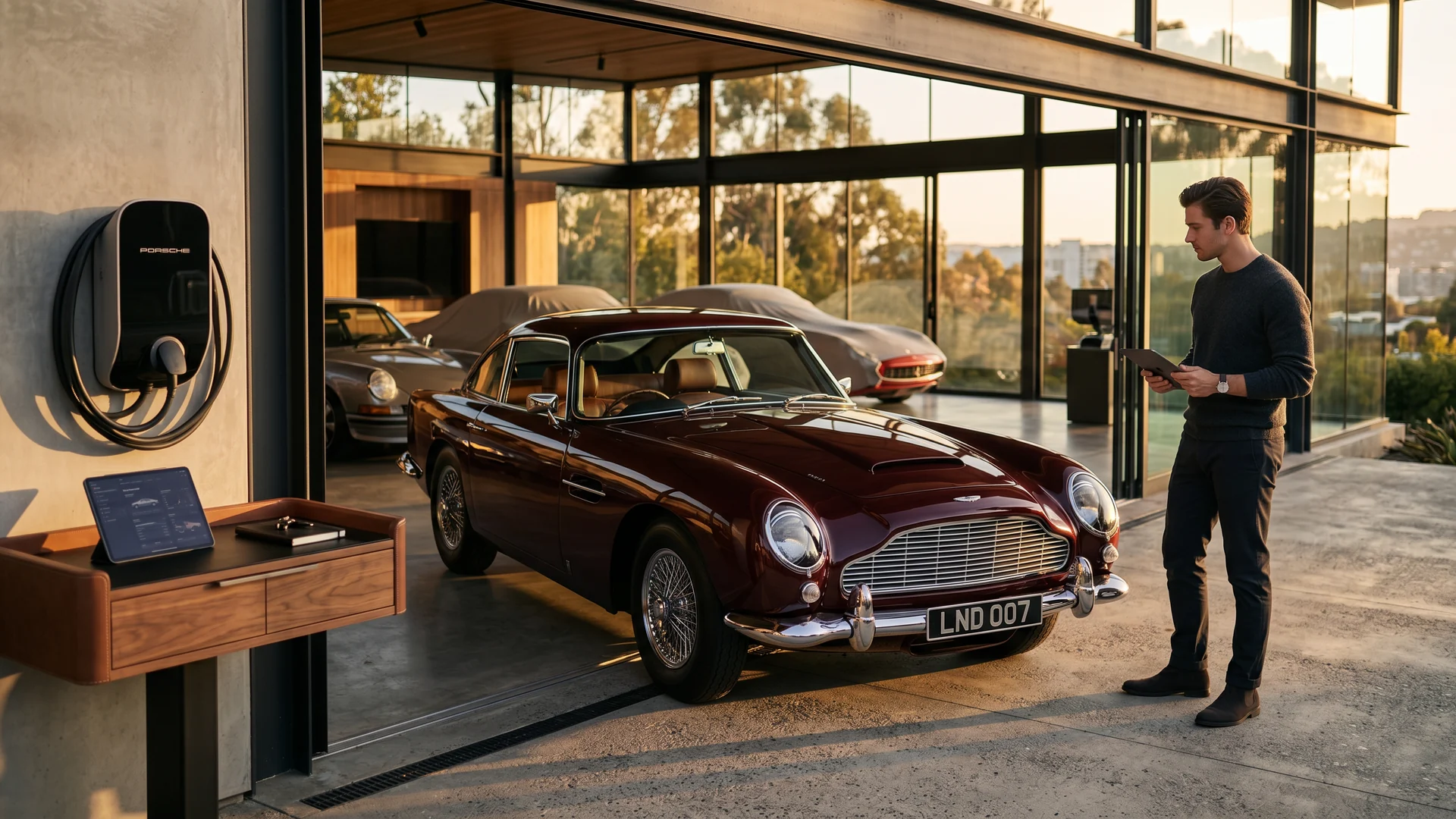
The Future of Classic Car Collecting: Trends Shaping the Next Generation
The future of classic car collecting: why 2035 ICE bans spare existing cars, plus e-fuels, shifting demographics, electromods and fractional ownership…
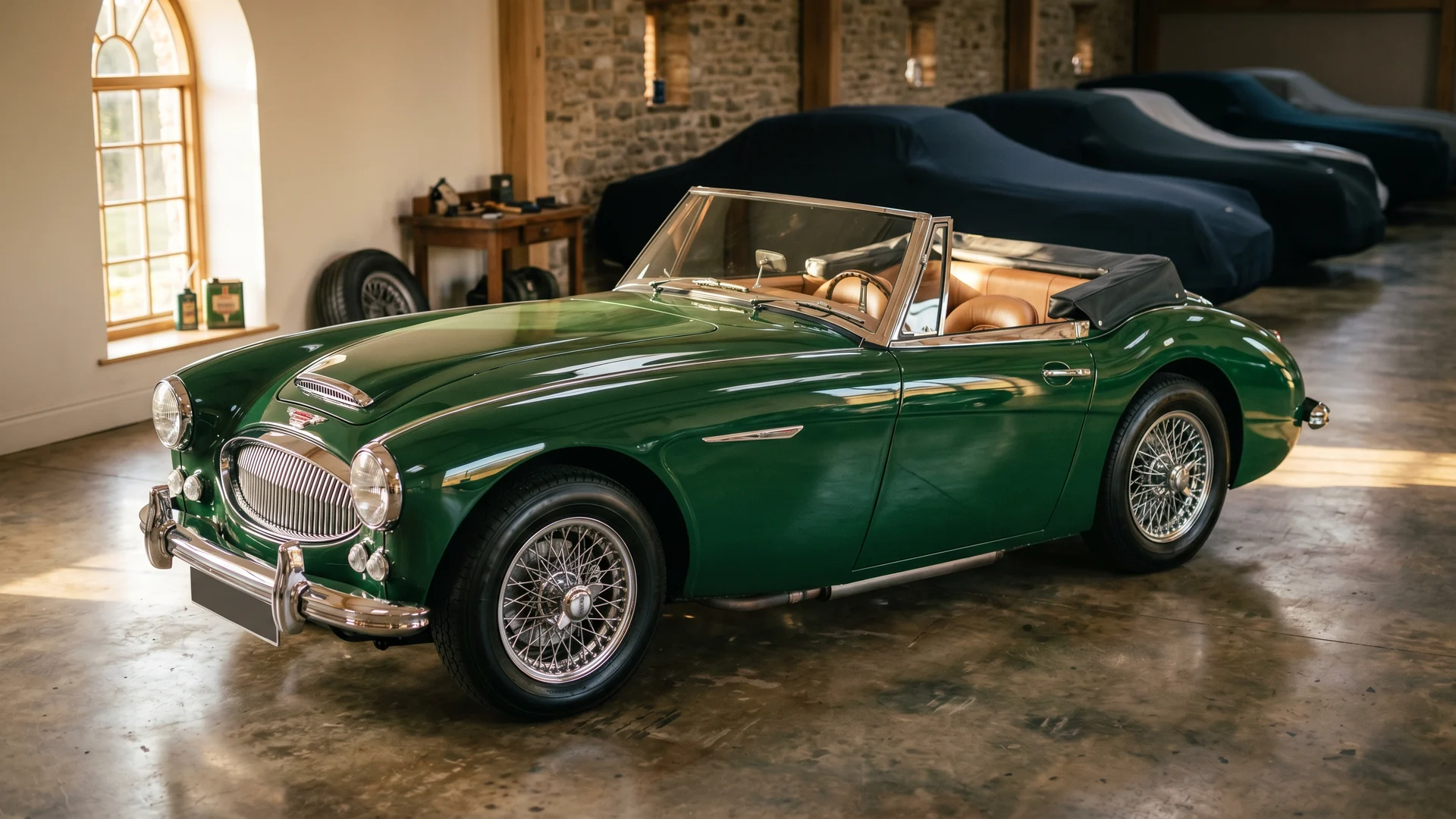
Classic Car Insurance Guide: Protecting Your Vintage Investment
Classic car insurance guide: why agreed-value policies beat stated and actual cash value, how Hagerty, Grundy and Chubb compare, plus costs and covera…
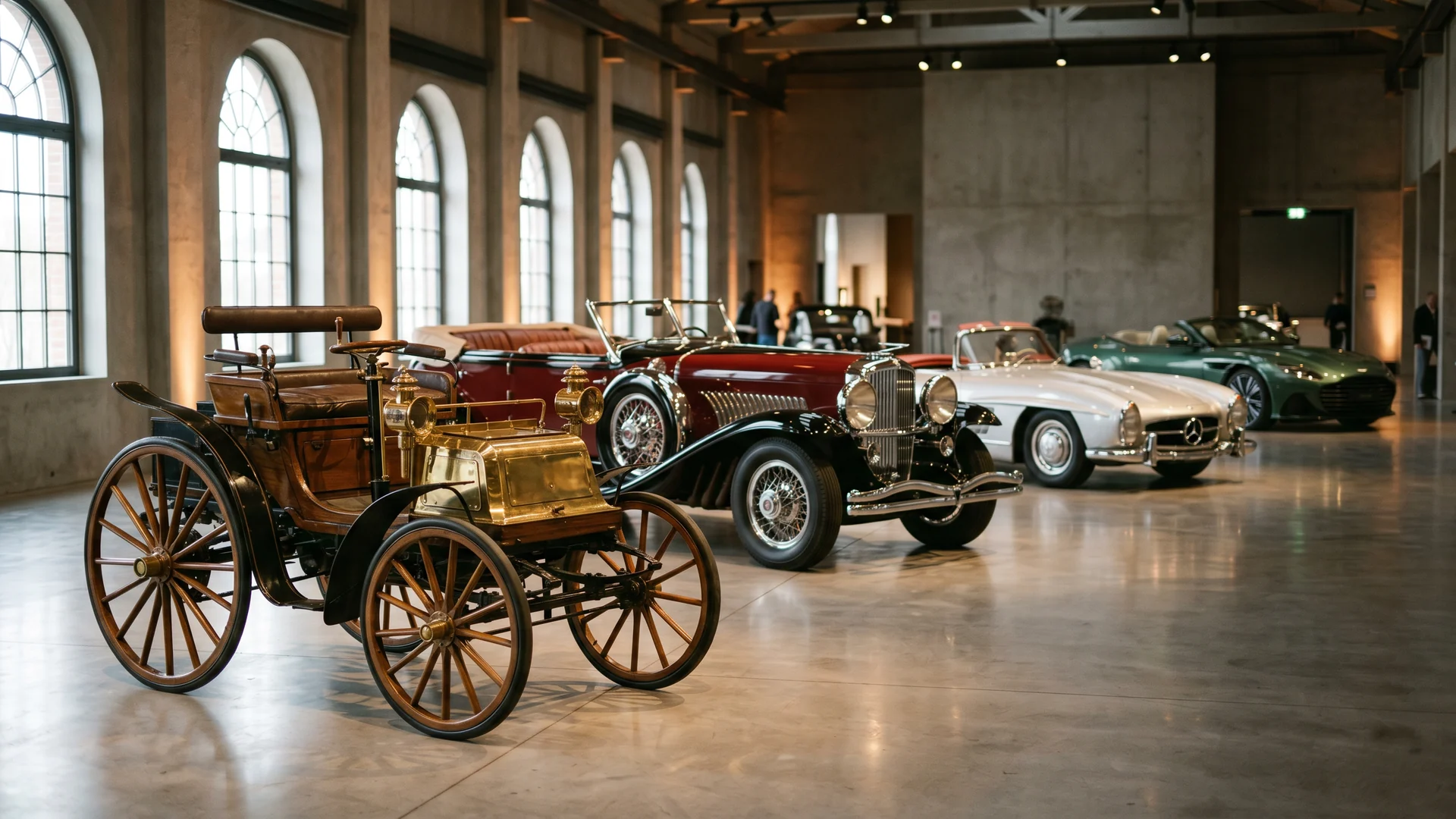
Classic Car History Timeline: From Benz to the Modern Collector Era
Classic car history timeline from the 1886 Benz Patent-Motorwagen through coachbuilding, muscle cars and supercars to modern collectibles. Discover th…